

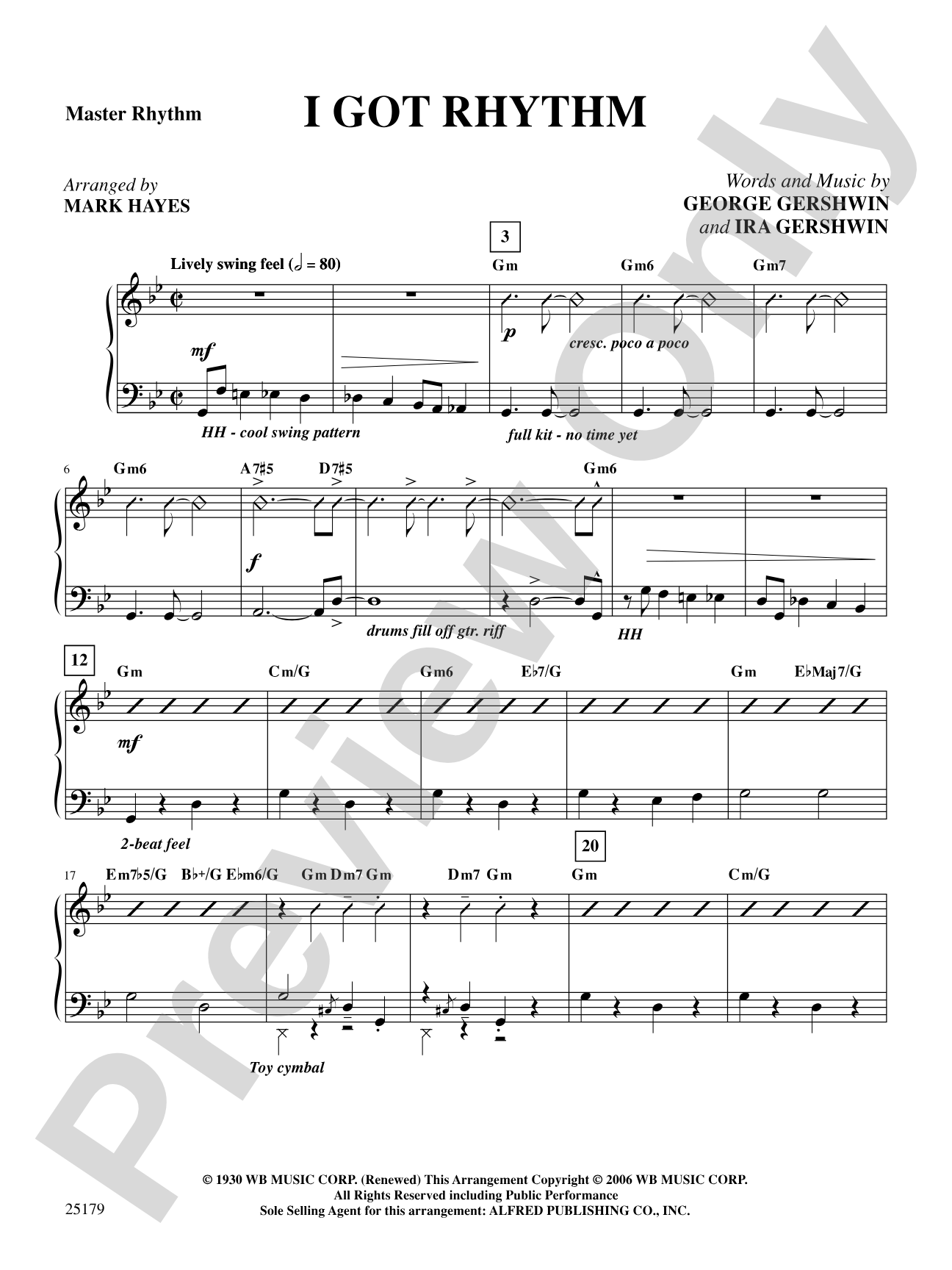
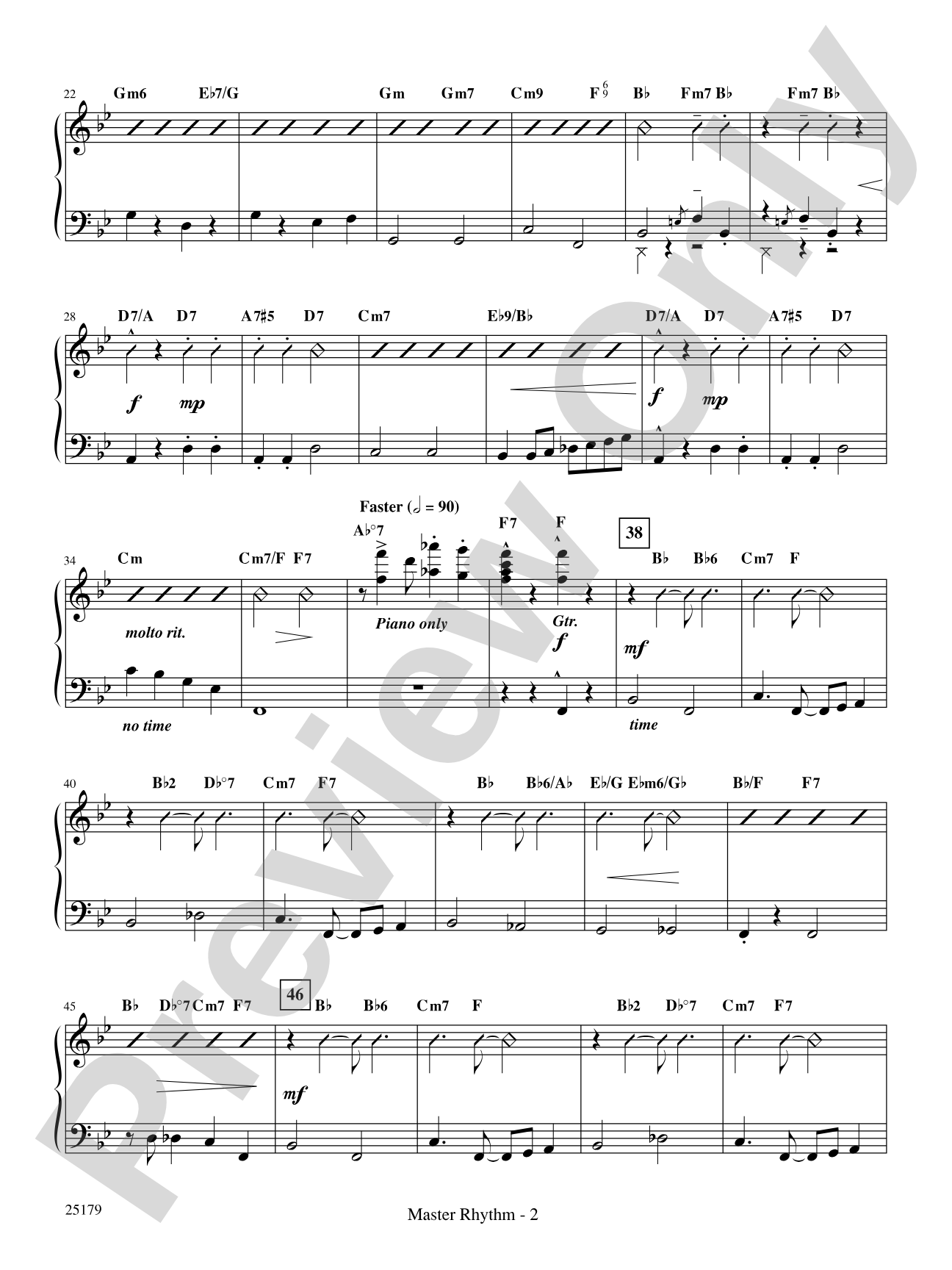
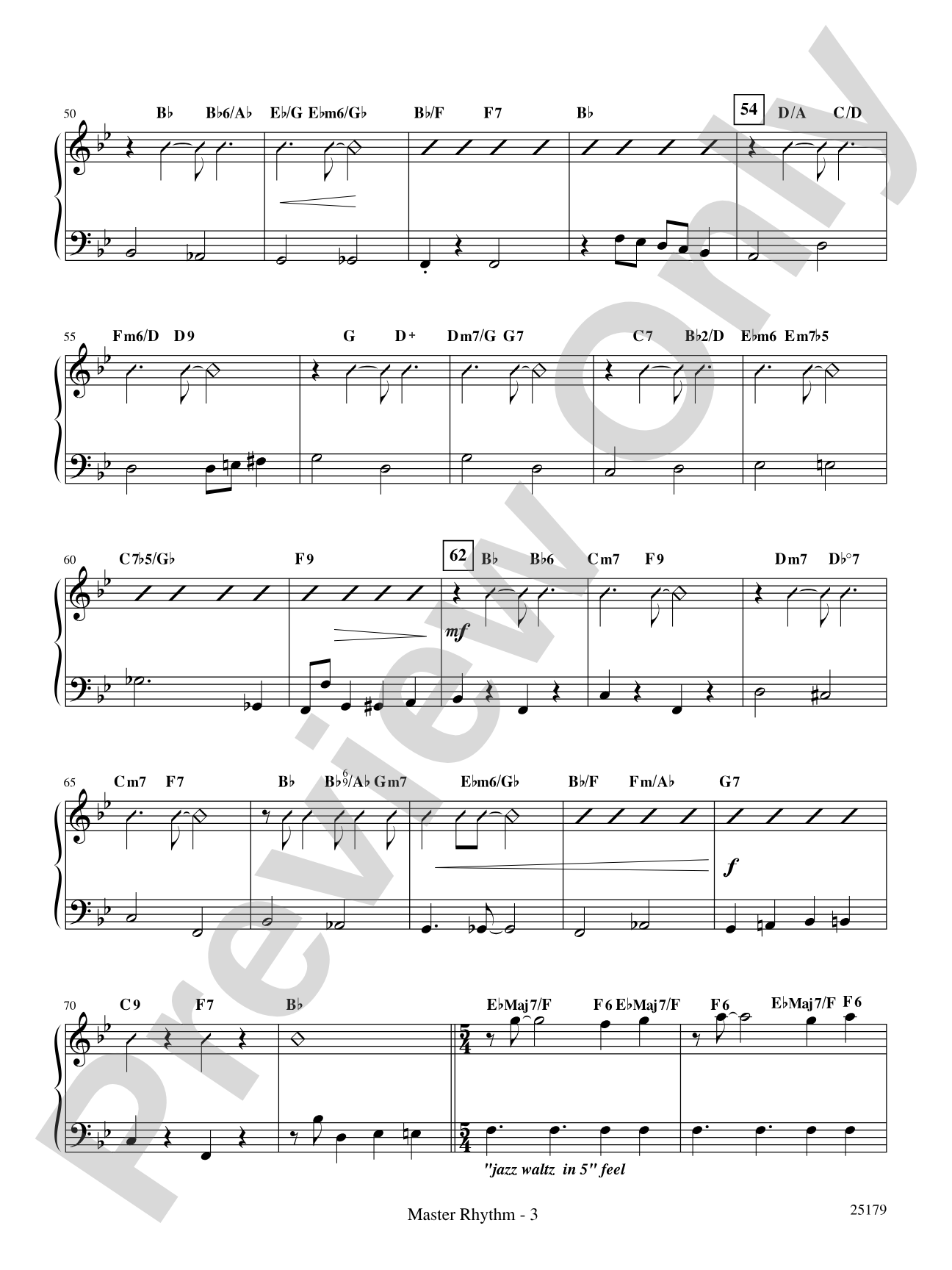


I Got Rhythm: Choral SoundPax
Words and music by George Gershwin and Ira Gershwin / arr. Mark Hayes
Item: 00-PK-0001039

$15.00
One moment…
Related Items
I Got Rhythm: SoundTrax Digital Audio Download |
$29.99
|
View | |
I Got Rhythm: SoundTrax Digital Audio Download |
$22.95
|
View | |
I Got Rhythm: SATB Choral Octavo |
$2.95
|
View | |
I Got Rhythm: SSAB Choral Octavo |
$2.25
|
View | |
I Got Rhythm: SSA Choral Octavo |
$2.25
|
View | |
I Got Rhythm: TTBB Choral Octavo |
$2.25
|
View | |
I Got Rhythm: SATB Choral Octavo |
$2.95
|
View | |
I Got Rhythm: SSAB Choral Octavo |
$2.25
|
View | |
I Got Rhythm: SSA Choral Octavo |
$2.25
|
View | |
I Got Rhythm: TTBB Choral Octavo |
$2.25
|
View | |
I Got Rhythm: Choral Octavo SoundTrax CD |
$27.99
|
View |
Description
No one but Mark Hayes could take this Gershwin masterpiece and make it into an absolutely rip-roaring, no-holds-barred choral work. You want rhythm? You'll get it, in more ways than you can count in this outstanding arrangement of one of America's great songs. A classic, by any standard.


Don't just read it, hear it, play along with it, and watch your students grow with it. In MakeMusic Cloud, I Got Rhythm: Choral SoundPax comes alive with professional accompaniment, adjustable tempo, and built-in practice tools that turn solo practice into real progress.
Open in the Player
Jump straight in and assign it today.
Start Your Free Trial
Open this title and explore the full library in minutes.
Sample Audio
1
Audio File
--:--
0:00
0:00
Sample Video
No sample videos found.
Additional Details
Series:
Alfred Pop Choral Series
Publisher:
Alfred Music
Page Count:
8
SKU:
00-PK-0001039
Instrumentation:
SoundPax
More about this title
About the Composer: George Gershwin
George Gershwin (1898-1937) composed some of the most enduring melodies in American music, bridging classical forms with jazz idioms at a time when few serious composers dared. His gift for writing instantly memorable tunes that also sustained sophisticated harmonic and structural development made him a defining voice of the 1920s and 1930s. "I Got Rhythm," written with lyricist brother Ira Gershwin, became a standard that has inspired countless arrangements because its melodic and harmonic DNA practically demands reinterpretation across genres and ensembles.
For choral directors, Gershwin's work represents the American songbook at its most teachable: melodies that students recognize and want to sing, harmonies that reward careful attention, and rhythmic vitality that energizes any rehearsal room. His compositions continue to demonstrate that popular song and musical substance are not opposites.
Why we love this
Mark Hayes understands that "I Got Rhythm" lives in its syncopation and forward momentum, and this arrangement channels that spirit into a choral setting without flattening it. The combination of driving rhythmic material, accessible voicing, and genuine fun makes this a rare arrangement that directors reach for because singers request it, not because repertoire lists demand it.
What to expect
Energetic, swinging, and unapologetically joyful. The arrangement captures the wit and rhythmic sophistication of the original while making room for the human voice to shine; you get the feeling that this song was meant to make people move and smile, and it does exactly that.
Who it's for
This works for choirs that can handle rhythmic independence and want an arrangement that feels contemporary without being trendy. High school through adult ensembles will find material that sounds impressive with reasonable rehearsal time, and any group performing jazz, pop, or eclectic concert programming will benefit from the sophisticated grooves Hayes brings to the arrangement.
How to get the most out of it
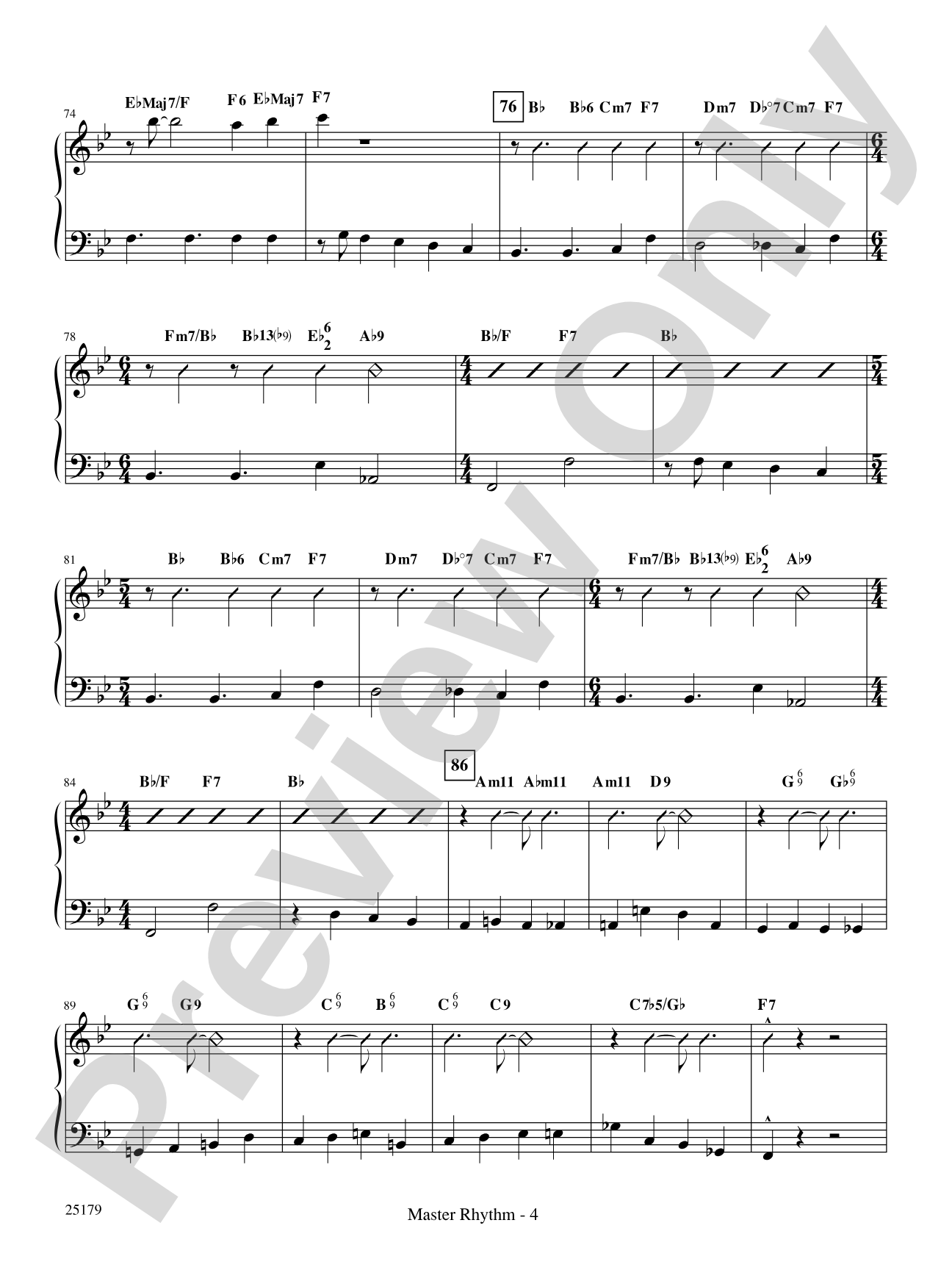
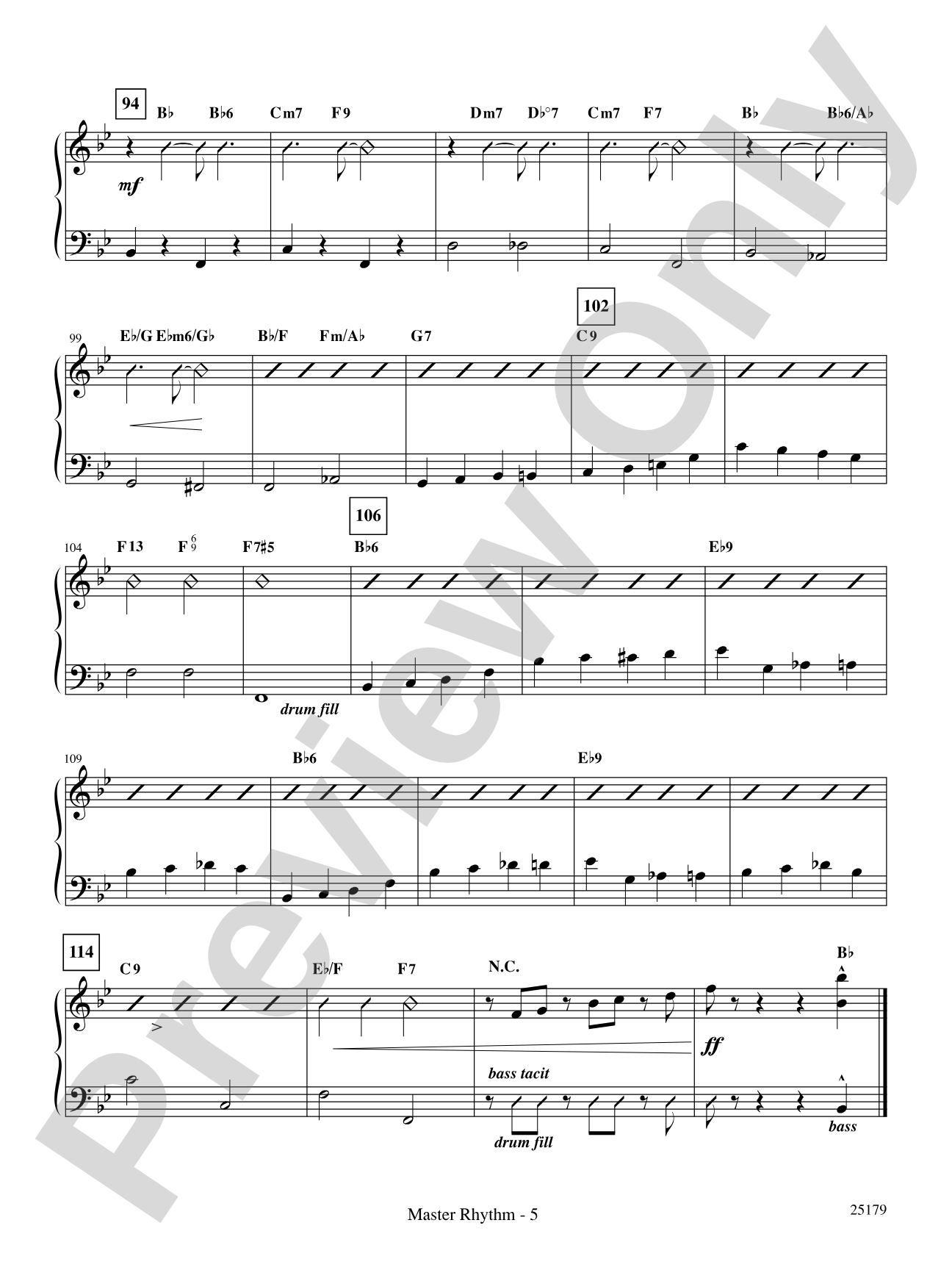
- Anchor the rhythmic energy in the rhythm section parts; if those lock in place, the choral lines will sit more securely on top of them rather than fighting for the pulse.
- Work syncopated passages in isolation before putting them with the accompaniment, especially any spots where the choir anticipates or lags behind the written beat.
- Balance the melodic material across voice parts carefully; Hayes often distributes the tune, so every section needs to hear how their line contributes to the larger shape.
- Use the recorded accompaniment early in rehearsals to establish the style and energy level, then gradually move away from it so the choir develops independence.
How to use it
Program this as an opener or early concert segment when you need to establish energy and set a tone that's both accessible and musically substantial. It pairs well with other Great American Songbook standards, bebop-era jazz charts, or contemporary secular pieces, and works equally well in spring concerts, pops programs, or festival setlists where a standout moment with broad appeal serves your programming.
Skills your students will build
- Reading and executing syncopated rhythmic figures in a choral context
- Maintaining rhythmic independence while blending with other voice parts
- Singing jazz-influenced phrasing and swing articulation
- Balancing individual melodic lines that are distributed across the choir
- Understanding how harmonic movement supports and enhances rhythmic momentum