I Cannot Be Silent Cover Image

I Cannot Be Silent: 2-Part Choral Octavo

$1.75 USD
Sale price  $1.75 USD Regular price 
Skip to product information
I Cannot Be Silent Cover Image

I Cannot Be Silent: 2-Part Choral Octavo

Words and music by Sally K. Albrecht

Item: 00-28588

makemusic Cloud badge

Need it now?

Buy Digital Version
$1.75
Shipped

One moment…

Description
Choirs will achieve a quality sound as they perform this richly woven tribute to singing and music. Features optional solos in the pensive opening, then builds to the final statement, "I cannot be silent. I can sing!" Inspirational for concerts, contests, and "Music in Our Schools" celebrations.

Don't just read it, hear it, play along with it, and watch your students grow with it. In MakeMusic Cloud, I Cannot Be Silent: 2-Part Choral Octavo comes alive with professional accompaniment, adjustable tempo, and built-in practice tools that turn solo practice into real progress.

Sample Pages

Sample Audio
0:00
0:00
Sample Video
Additional Details
Series: Alfred Choral Designs
Publisher: Alfred Music
Page Count: 12
UPC: 038081311326
SKU: 00-28588

More about this title

About the Composer: Sally K. Albrecht
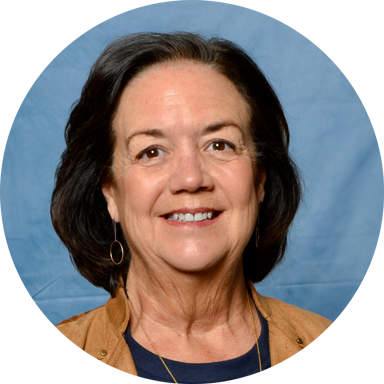
Sally K. Albrecht

Sally K. Albrecht has shaped American choral music for over three decades, first as Director of School Choral, Vocal, and Elementary Publications at Alfred Music, then as a prolific composer with more than 600 published works and 75 songbooks to her name. Her compositions have been performed at Lincoln Center, Carnegie Hall, and The Kennedy Center, and she has been recognized annually by ASCAP with the Special Music Award since 1987. She holds degrees from Rollins College (B.A. in Music and Theater, 1976) and the University of Miami (M.A. in Drama, 1977; M.M. in Accompanying, 1979), and has taught at Oakland University, Jersey City State College, and Meredith College.

Beyond composing and conducting, Albrecht is known for her innovative work integrating movement into choral performance. She has served as Chair of the Board of Trustees for the Omicron Delta Kappa National Leadership Honor Society and received their "Pillar of Leadership" award. In 2021, the University of Miami Frost School of Music and Rollins College both honored her with Distinguished Alumna Awards. She lives in Wake Forest, North Carolina, with her husband, composer and arranger Jay Althouse.

Why we love this

This piece captures something essential about why choirs exist: the human need to sing together and be heard. The optional solos in the opening create intimacy before the voices build to a powerful unison statement, and that arc feels both genuine and deeply satisfying to conduct. It's the kind of repertoire that stays with singers long after the concert ends.

What to expect

The piece opens in quiet reflection, almost introspective, with space for individual voices to emerge. As more singers join, a sense of gathering momentum builds, moving toward a climactic moment where the choir claims its collective voice with conviction. The final statement rings with both celebration and purpose.

Who it's for

Middle school and high school choirs seeking an inspirational piece that feels contemporary without sacrificing artistry. This works especially well for ensembles with singers who are building confidence in their voices and need to experience the power of collective singing.

How to get the most out of it

  • Shape the pensive opening section with dynamic restraint; let the optional soloists pull the listener in rather than project outward, then gradually build intensity as additional voices enter.
  • Pay attention to the text painting in the final statement. The phrase "I cannot be silent" demands conviction, so prepare singers to feel the weight and purpose of those words rather than rush through them.
  • If using the recorded accompaniment, allow singers to rehearse unaccompanied first to establish their own sense of line and independence before adding the track.

How to use it

Program this as a centerpiece for "Music in Our Schools" celebrations or a concert finale; its message about the value of singing makes it particularly resonant at graduations or year-end performances. It also pairs well in a set of contemporary choral works that emphasize singer agency and text-driven meaning.

Skills your students will build

  • managing dynamic growth from soft to powerful over an extended phrase
  • singing optional solo lines with musical independence while remaining aware of the ensemble
  • interpreting text with emotional authenticity rather than technical precision alone
  • balancing individual voice with group blend in a 2-part texture

You May Also Like
