I Cannot Be Silent Cover Image

I Cannot Be Silent: SAB Choral Octavo

$1.75 USD
Sale price  $1.75 USD Regular price 
Skip to product information
I Cannot Be Silent Cover Image

I Cannot Be Silent: SAB Choral Octavo

Words and music by Sally K. Albrecht

Item: 00-28586

makemusic Cloud badge

Need it now?

Buy Digital Version
$1.75
Shipped

One moment…

Description
Choirs will achieve a quality sound as they perform this richly woven tribute to singing and music. Features optional solos in the pensive opening, then builds to the final statement, "I cannot be silent. I can sing!" Inspirational for concerts, contests, and "Music in Our Schools" celebrations.

Don't just read it, hear it, play along with it, and watch your students grow with it. In MakeMusic Cloud, I Cannot Be Silent: SAB Choral Octavo comes alive with professional accompaniment, adjustable tempo, and built-in practice tools that turn solo practice into real progress.

Sample Pages

Sample Audio
0:00
0:00
Sample Video
Additional Details
Series: Alfred Choral Designs
Publisher: Alfred Music
Page Count: 12
UPC: 038081311302
SKU: 00-28586

More about this title

About the Composer: Sally K. Albrecht
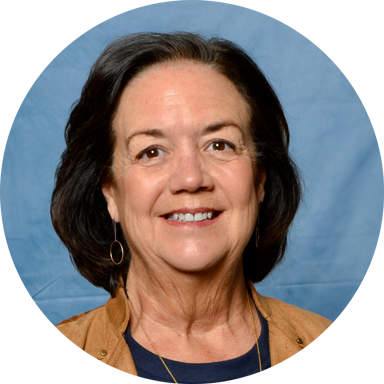
Sally K. Albrecht

Sally K. Albrecht has shaped choral music education for over thirty years, serving as Director of School Choral, Vocal, and Elementary Publications at major educational music publishers, including Alfred Music. She has conducted honor choirs at prestigious venues including Lincoln Center, Carnegie Hall, and The Kennedy Center, and has received the ASCAP Special Music Award annually since 1987.

With more than 600 published choral works and 75 songbooks and musicals in print, Albrecht brings both compositional craft and practical teaching experience to every score. She holds degrees from Rollins College (B.A., 1976), the University of Miami (M.A. in Drama, 1977; M.M. in Accompanying, 1979), and has taught at Oakland University, Jersey City State College, and Meredith College. Albrecht is also known for her advocacy work in music education and leadership, having served as Chair of the Board of Trustees for the Omicron Delta Kappa National Leadership Honor Society.

Why we love this

Albrecht crafts an arc that moves from introspection to conviction without ever feeling forced. The optional solos in the opening give voices room to bloom, while the progression toward the final declaration creates genuine emotional momentum that resonates with audiences whether you're in a concert hall or a school auditorium.

What to expect

The piece opens with a thoughtful, almost tentative quality as individual voices find their footing. It gradually gathers strength and conviction, building toward a powerful affirmation that feels earned rather than imposed. By the final declaration, the ensemble rings with clarity and purpose.

Who it's for

SAB choirs in middle school, high school, and community settings will find this piece accessible yet substantial. The optional solos allow singers at different levels to contribute meaningfully, while the overall arc speaks to young musicians discovering their voices as part of something larger than themselves.

How to get the most out of it

  • Shape the opening solos with care; they set the reflective tone before the ensemble enters. Give singers time to breathe and connect with the text rather than rushing through.
  • Build the dynamic and textural layers intentionally across the middle section so the final statement arrives with earned power, not sudden volume.
  • Use the recorded accompaniment to establish a steady pulse during rehearsal, but encourage singers to listen to each other during the pensive sections where the music opens up.
  • Balance transparency in the SAB voicing by ensuring all three parts are audible; avoid letting the soprano line dominate in the opening phrases.

How to use it

This works beautifully as a concert closer, where its inspirational message can leave audiences thoughtful and uplifted. Consider pairing it with other works about voice, music, or self-discovery for a thematic program, or feature it prominently during Music in Our Schools Month celebrations and graduation ceremonies.

Skills your students will build

  • Building dynamic shape across a multi-section form
  • Balancing three-part SAB voicing for clarity and blend
  • Singing optional solo passages with confidence and expression
  • Connecting text to musical gesture and emotional arc
  • Responding to ensemble cues and ensemble listening in moments of textural transparency

You May Also Like
