

I Cannot Be Silent: 2-Part Choral Octavo
Words and music by Sally K. Albrecht
Item: 00-PO-0000498
$1.75
Minimum order quantity: 20 copies
Pickup currently not available
Related Items
I Cannot Be Silent: SoundTrax Digital Audio Download |
$24.95
|
View | |
I Cannot Be Silent: SATB Choral Octavo |
$1.75
|
View | |
I Cannot Be Silent: SAB Choral Octavo |
$1.75
|
View | |
I Cannot Be Silent: SSA Choral Octavo |
$1.75
|
View | |
I Cannot Be Silent: SATB Choral Octavo |
$1.75
|
View | |
I Cannot Be Silent: SAB Choral Octavo |
$1.75
|
View | |
I Cannot Be Silent: SSA Choral Octavo |
$1.75
|
View | |
I Cannot Be Silent: 2-Part Choral Octavo |
$1.75
|
View | |
I Cannot Be Silent: Choral Octavo SoundTrax CD |
$24.95
|
View |
Description
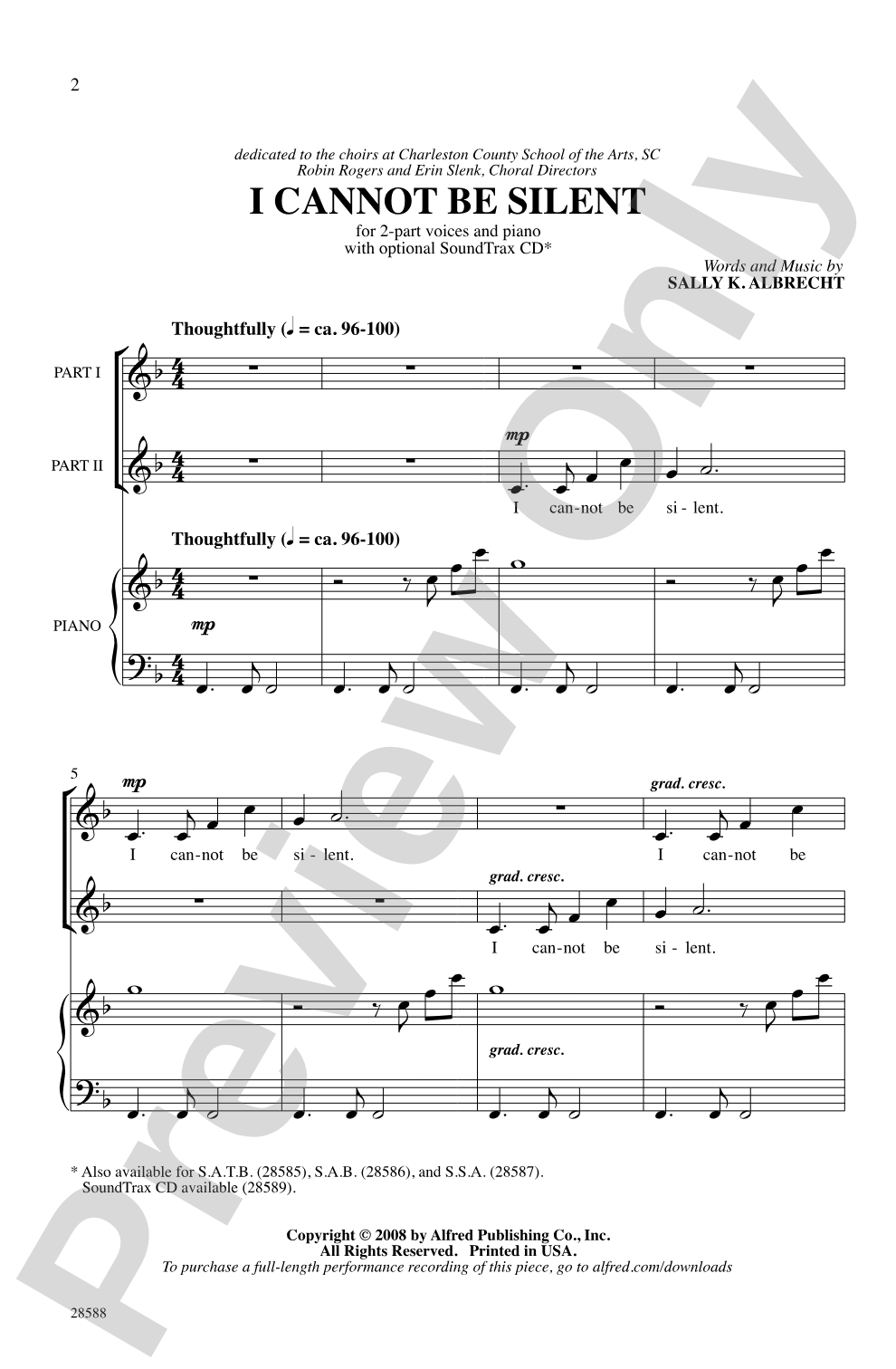
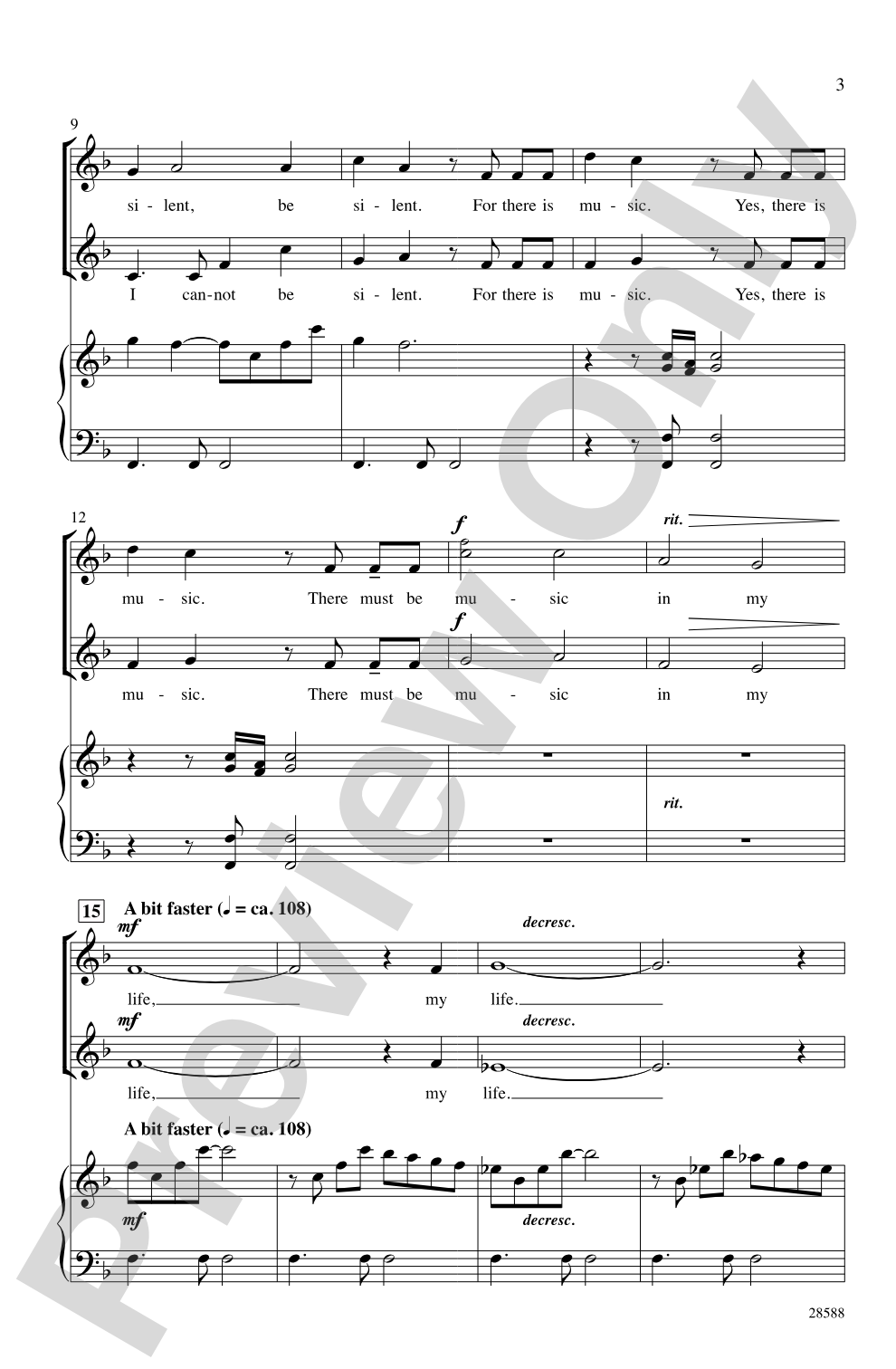
Choirs will achieve a quality sound as they perform this richly woven tribute to singing and music. Features optional solos in the pensive opening, then builds to the final statement, "I cannot be silent. I can sing!" Inspirational for concerts, contests, and "Music in Our Schools" celebrations.


I Cannot Be Silent: 2-Part Choral Octavo isn't in MakeMusic Cloud just yet...but it could be. Let us know you'd like to see it, and you'll help shape what comes next. In the meantime, start a free trial and dive into thousands of interactive titles your students can play along with today.
Request This Title
Tell us you want it.
Start Your Free Trial
Explore everything that's ready to play right now.
Sample Audio
1
Audio File
--:--
0:00
0:00
Sample Video
No sample videos found.
Additional Details
Series:
Alfred Choral Designs
Publisher:
Alfred Music
Page Count:
12
SKU:
00-PO-0000498
More about this title
About the Composer: Sally K. Albrecht
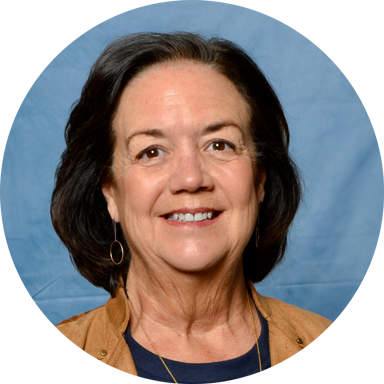
Sally K. Albrecht has shaped American choral music for over three decades, combining her roles as composer, conductor, and clinician with deep expertise in choral pedagogy and movement. Her catalog includes more than 600 published choral works and 75 larger musicals and songbooks, complemented by her leadership in school music publications at major educational publishers. She has conducted honor choirs at prestigious venues including Lincoln Center, Carnegie Hall, and The Kennedy Center, and has been a recurring recipient of the ASCAP Special Music Award since 1987.
Albrecht holds degrees from Rollins College (B.A. in Music and Theater, 1976), the University of Miami (M.A. in Drama, 1977; M.M. in Accompanying, 1979), and has taught at Oakland University, Jersey City State College, and Meredith College. In 2021, she received the Distinguished Alumna Award from both the University of Miami Frost School of Music and Rollins College, where she serves on the Board of Trustees. She resides in Wake Forest, North Carolina, with her husband, composer and arranger Jay Althouse.
Why we love this
Albrecht's writing for young choirs combines vocal accessibility with genuine emotional depth. The architecture of this piece—moving from intimate, optional solos through a powerful final statement—gives choirs the chance to build confidence and celebrate the power of their own voices, making it especially resonant for graduation and recognition events.
What to expect
The piece unfolds like a personal testimony, opening with a quiet, introspective quality that gradually gathers strength and conviction. By the final declaration, listeners hear not just music but an affirmation of why singing matters—a moment that resonates with both performers and audience.
Who it's for
This piece suits developing 2-part choirs, especially those ready to balance texture and expression within a simpler voicing. It works well for choirs spanning middle school through young high school singers, as well as community and adult ensembles seeking uplifting, meaningful repertoire.
How to get the most out of it
- Balance the optional solo moments carefully in the opening; they work best when the soloist(s) anchor the ensemble harmonically rather than pulling away from the ensemble sound.
- Build momentum gradually toward the final statement. The text itself ('I cannot be silent. I can sing!') should feel like a natural culmination of the entire piece's arc, not a sudden shift.
- Use the recorded accompaniment to establish a clear harmonic foundation while your singers are learning; this allows your choir to focus on intonation and blend within the richer texture.
- Shape phrase lengths expressively; avoid rhythmic rigidity in the pensive opening section, letting the singers breathe and connect emotionally to the message about music's importance.
How to use it
Program this as a concert or contest closer when you want to end on an affirming, emotionally coherent statement. It pairs well with graduation ceremonies, Music in Our Schools Month celebrations, and spring concerts where the text's message about finding voice through music aligns naturally with your program's larger themes.
Skills your students will build
- Balancing solo and ensemble textures in 2-part writing
- Building and sustaining musical momentum across a piece
- Singing with text expression and emotional commitment
- Managing intonation within sustained harmonic contexts