

I Cannot Be Silent: SATB Choral Octavo
Words and music by Sally K. Albrecht
Item: 00-PO-0000495
$1.75
Minimum order quantity: 20 copies
Pickup currently not available
Related Items
I Cannot Be Silent: SoundTrax Digital Audio Download |
$24.95
|
View | |
I Cannot Be Silent: SAB Choral Octavo |
$1.75
|
View | |
I Cannot Be Silent: SSA Choral Octavo |
$1.75
|
View | |
I Cannot Be Silent: 2-Part Choral Octavo |
$1.75
|
View | |
I Cannot Be Silent: SATB Choral Octavo |
$1.75
|
View | |
I Cannot Be Silent: SAB Choral Octavo |
$1.75
|
View | |
I Cannot Be Silent: SSA Choral Octavo |
$1.75
|
View | |
I Cannot Be Silent: 2-Part Choral Octavo |
$1.75
|
View | |
I Cannot Be Silent: Choral Octavo SoundTrax CD |
$24.95
|
View |
Description
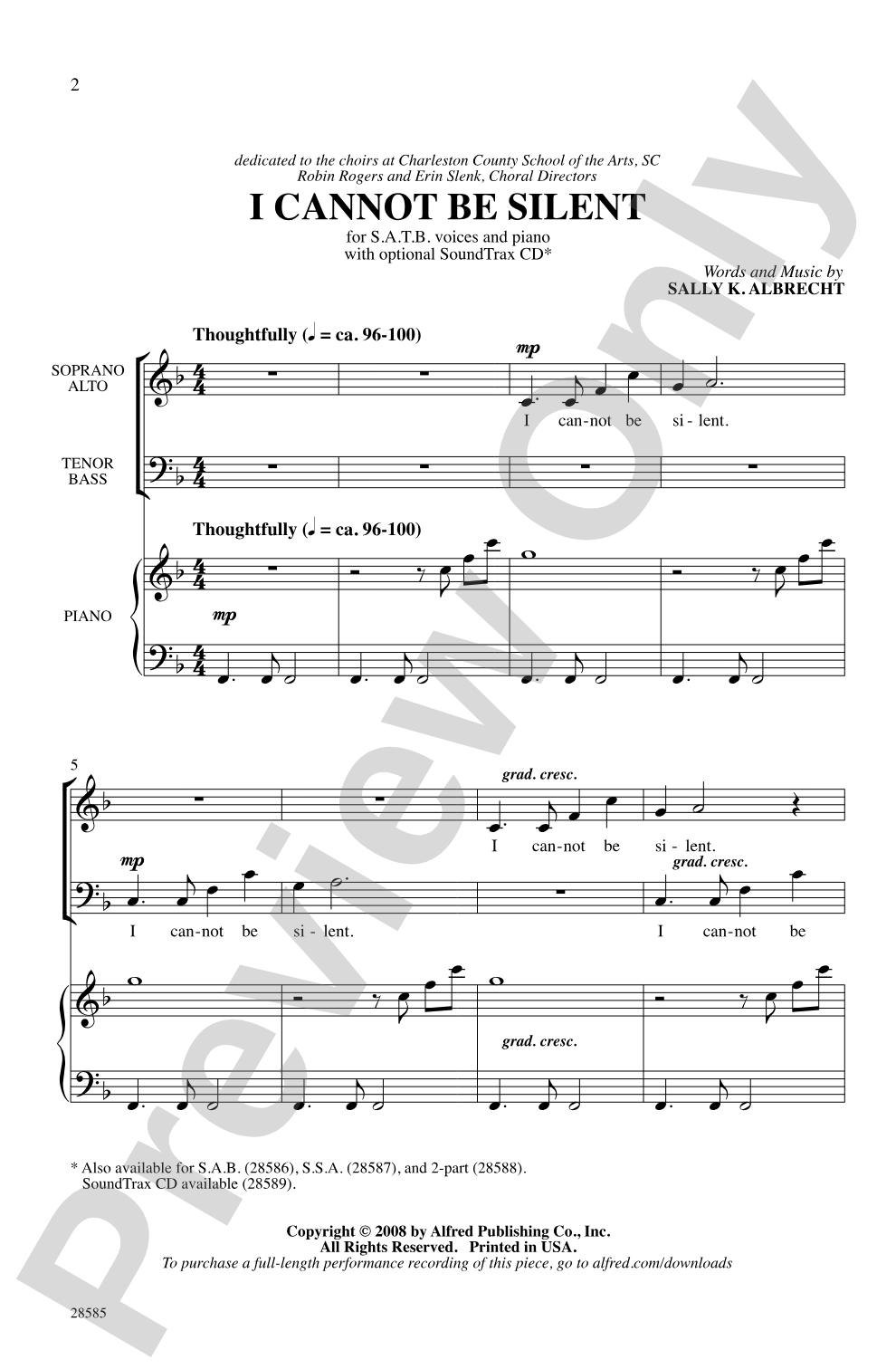
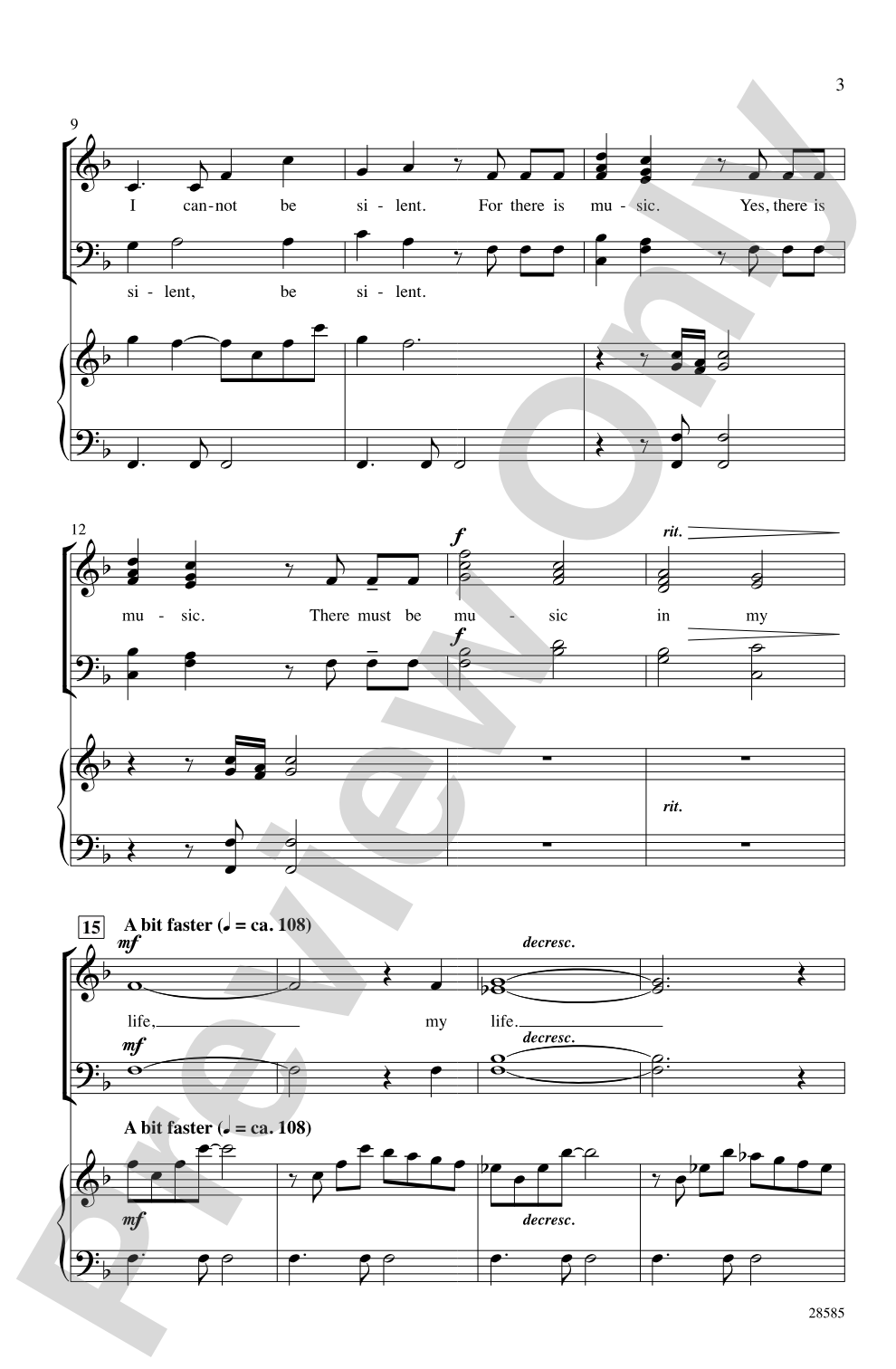
Choirs will achieve a quality sound as they perform this richly woven tribute to singing and music. Features optional solos in the pensive opening, then builds to the final statement, "I cannot be silent. I can sing!" Inspirational for concerts, contests, and "Music in Our Schools" celebrations.


I Cannot Be Silent: SATB Choral Octavo isn't in MakeMusic Cloud just yet...but it could be. Let us know you'd like to see it, and you'll help shape what comes next. In the meantime, start a free trial and dive into thousands of interactive titles your students can play along with today.
Request This Title
Tell us you want it.
Start Your Free Trial
Explore everything that's ready to play right now.
Sample Audio
1
Audio File
--:--
0:00
0:00
Sample Video
No sample videos found.
Additional Details
Series:
Alfred Choral Designs
Publisher:
Alfred Music
Page Count:
12
SKU:
00-PO-0000495
More about this title
About the Composer: Sally K. Albrecht
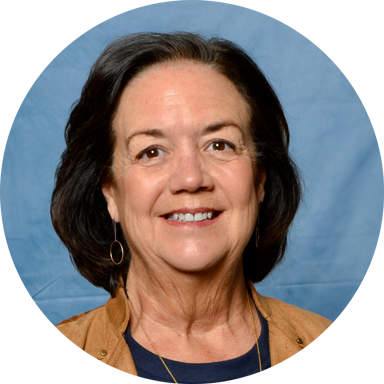
Sally K. Albrecht has shaped American choral music for over three decades as a composer, conductor, and clinician with a specialization in integrating movement with singing. Her catalog spans more than 600 published choral works and 75 larger musicals and songbooks, earning her consecutive ASCAP Special Music Awards since 1987. She has conducted honor choirs at major venues including Lincoln Center, Carnegie Hall, and The Kennedy Center, and spent most of her career directing school choral and vocal publications for Alfred Music.
Albrecht earned her B.A. in Music and Theater from Rollins College (Florida) in 1976, followed by an M.A. in Drama and an M.M. in Accompanying from the University of Miami. She has taught at Oakland University, Jersey City State College, and Meredith College. In recognition of her contributions to music education and leadership, she received the Distinguished Alumna Award from both the University of Miami Frost School of Music and Rollins College in 2021, and previously served as Chair of the Board of Trustees for the Omicron Delta Kappa National Leadership Honor Society.
Why we love this
Albrecht writes SATB music that feels singable and rewarding without sacrificing harmonic depth or emotional weight. The arc here is particularly smart: the pensive opening with optional solos draws listeners in, then the building momentum and final declaration give your choir a moment of genuine power and purpose. The message celebrates why singers do what they do, which lands differently with students than generic inspirational texts.
What to expect
The piece opens with a reflective, almost vulnerable quality as voices enter individually or in pairs, inviting the listener to sit with the question of why music matters. As the texture thickens and tempo builds, the mood shifts from introspective to affirming, culminating in a bold and unambiguous statement of joy and conviction.
Who it's for
Any SATB choir seeking a piece that combines accessible writing with genuine artistic purpose. This works equally well for competitive festival settings, concert programs, and special occasions like music advocacy events or graduation ceremonies where celebrating the value of singing itself resonates.
How to get the most out of it
- Bring the optional solos forward in the opening section so they create an intimate contrast with the fuller sound that follows; even brief featured moments help singers invest in the narrative arc.
- Balance the build carefully across the second half so the final "I cannot be silent" lands with conviction rather than strain; dynamics should suggest growing confidence, not pushing.
- If using the recorded accompaniment, allow singers to hear it in rehearsal early so they can internalize how their lines sit within the harmonic texture.
How to use it
Program this late in a concert or festival set where it can serve as a closing statement about the power of music itself. The inspirational message and singable style make it ideal for graduation concerts, "Music in Our Schools" celebrations, or any program celebrating musical participation.
Skills your students will build
- Balancing solo lines with ensemble support
- Sustaining emotional arc through dynamic and textural change
- Shaping phrasing in both homophonic and polyphonic sections
- Performing optional solos within ensemble context