I Cannot Be Silent Cover Image

I Cannot Be Silent: SATB Choral Octavo

$1.75 USD
Sale price  $1.75 USD Regular price 
Skip to product information
I Cannot Be Silent Cover Image

I Cannot Be Silent: SATB Choral Octavo

Words and music by Sally K. Albrecht

Item: 00-28585

makemusic Cloud badge

Need it now?

Buy Digital Version
$1.75
Shipped

One moment…

Description
Choirs will achieve a quality sound as they perform this richly woven tribute to singing and music. Features optional solos in the pensive opening, then builds to the final statement, "I cannot be silent. I can sing!" Inspirational for concerts, contests, and "Music in Our Schools" celebrations.

Don't just read it, hear it, play along with it, and watch your students grow with it. In MakeMusic Cloud, I Cannot Be Silent: SATB Choral Octavo comes alive with professional accompaniment, adjustable tempo, and built-in practice tools that turn solo practice into real progress.

Sample Pages

Sample Audio
0:00
0:00
Sample Video
Additional Details
Series: Alfred Choral Designs
Publisher: Alfred Music
Page Count: 12
UPC: 038081311296
SKU: 00-28585

More about this title

About the Composer: Sally K. Albrecht
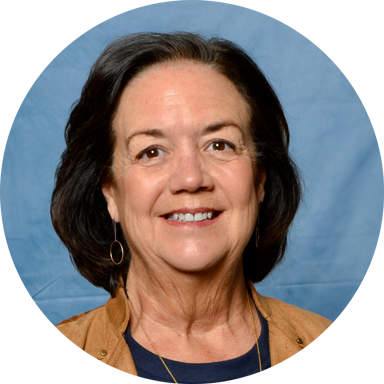
Sally K. Albrecht

Sally K. Albrecht has shaped choral music education for over three decades, working as Director of School Choral, Vocal, and Elementary Publications at Alfred Music and other major educational publishers. A prolific composer with more than 600 choral works and 75 larger musicals in print, she has earned the ASCAP Special Music Award annually since 1987 and conducted honor choirs at Lincoln Center, Carnegie Hall, and The Kennedy Center.

Albrecht holds degrees from Rollins College (B.A. in Music and Theater, 1976), the University of Miami (M.A. in Drama, 1977; M.M. in Accompanying, 1979), and has taught at Oakland University, Jersey City State College, and Meredith College. In 2021, she received the Distinguished Alumna Award from both the University of Miami Frost School of Music and Rollins College, where she serves on the Board of Trustees.

Why we love this

Albrecht's gift for creating accessible yet musically substantial work shines here. The piece carries real weight at its climax while remaining genuinely singable for high school and community choirs, and the optional solo passages in the opening give you flexibility to feature soloists or keep the ensemble unified depending on your singers' strengths.

What to expect

The piece opens with introspection and vulnerability, inviting listeners into a quieter moment of reflection through its optional solos. It then expands into richer harmonic terrain before culminating in a joyful, defiant affirmation of the power of music itself, leaving audiences with an uplifting sense of purpose.

Who it's for

High school, college, and community choirs looking for an inspirational title that works equally well in concert settings, choral competitions, and "Music in Our Schools" advocacy events. Directors seeking a piece with both lyrical warmth and a powerful, memorable closing statement will find this especially useful for graduation ceremonies and end-of-year performances.

How to get the most out of it

  • Shape the optional solos in the opening movement with space and restraint; let the pensive quality breathe before the piece begins its arc toward the final affirmation.
  • Balance the richly woven harmonic textures in the middle section by ensuring inner voices receive equal attention during rehearsal, particularly when the piece thickens.
  • Build momentum gradually toward "I cannot be silent. I can sing!" so the final statement feels earned rather than sudden; mark your dynamic progression clearly in the score.

How to use it

Program this as a closing or near-closing piece on a concert where you want to shift the emotional arc toward hope and celebration. It pairs beautifully after more serious or contemplative works, and its message about the necessity of singing makes it especially fitting for "Music in Our Schools" month events or graduation celebrations where you want to leave a lasting impression.

Skills your students will build

  • Singing through multi-layered harmonic textures while maintaining clear voice lines
  • Controlling dynamics across a full arc from pensive opening to powerful climax
  • Interpreting optional solo passages with musical maturity and expression
  • Ensemble cohesion and blend in moderately complex SATB writing

You May Also Like
