
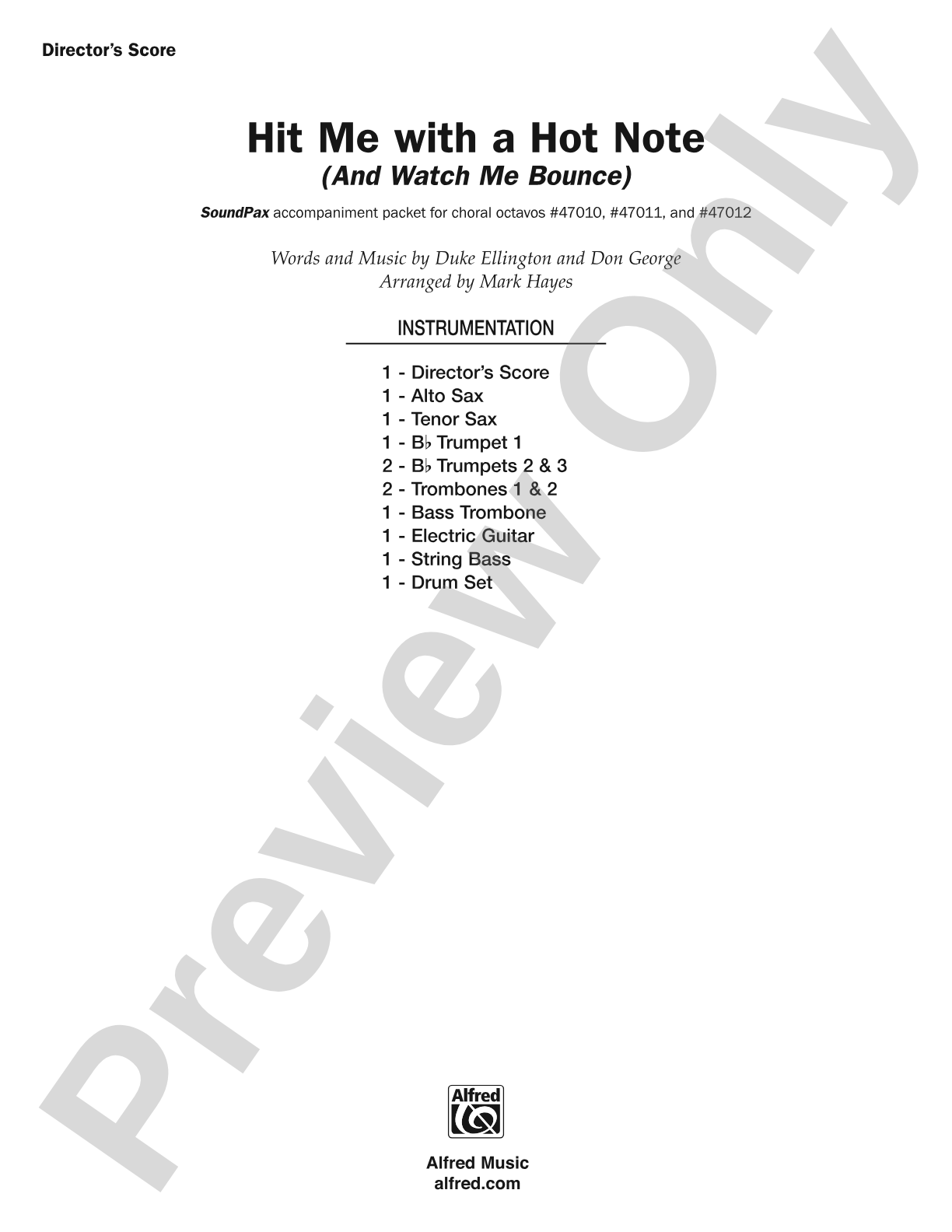

Hit Me with a Hot Note: Choral SoundPax
(And Watch Me Bounce)
Words and music by Duke Ellington and Don George / arr. Mark Hayes
Item: 00-PK-0008593
$50.00
One moment…
Related Items
Hit Me with a Hot Note: SoundTrax Digital Audio Download |
$27.99
|
View | |
Hit Me with a Hot Note: SATB Choral Octavo |
$2.10
|
View | |
Hit Me with a Hot Note: SAB Choral Octavo |
$2.10
|
View | |
Hit Me with a Hot Note: SSA Choral Octavo |
$2.10
|
View | |
Hit Me with a Hot Note: SATB Choral Octavo |
$2.10
|
View | |
Hit Me with a Hot Note: SAB Choral Octavo |
$2.10
|
View | |
Hit Me with a Hot Note: SSA Choral Octavo |
$2.10
|
View | |
Hit Me with a Hot Note: Choral Octavo SoundTrax CD |
$29.99
|
View |
Description
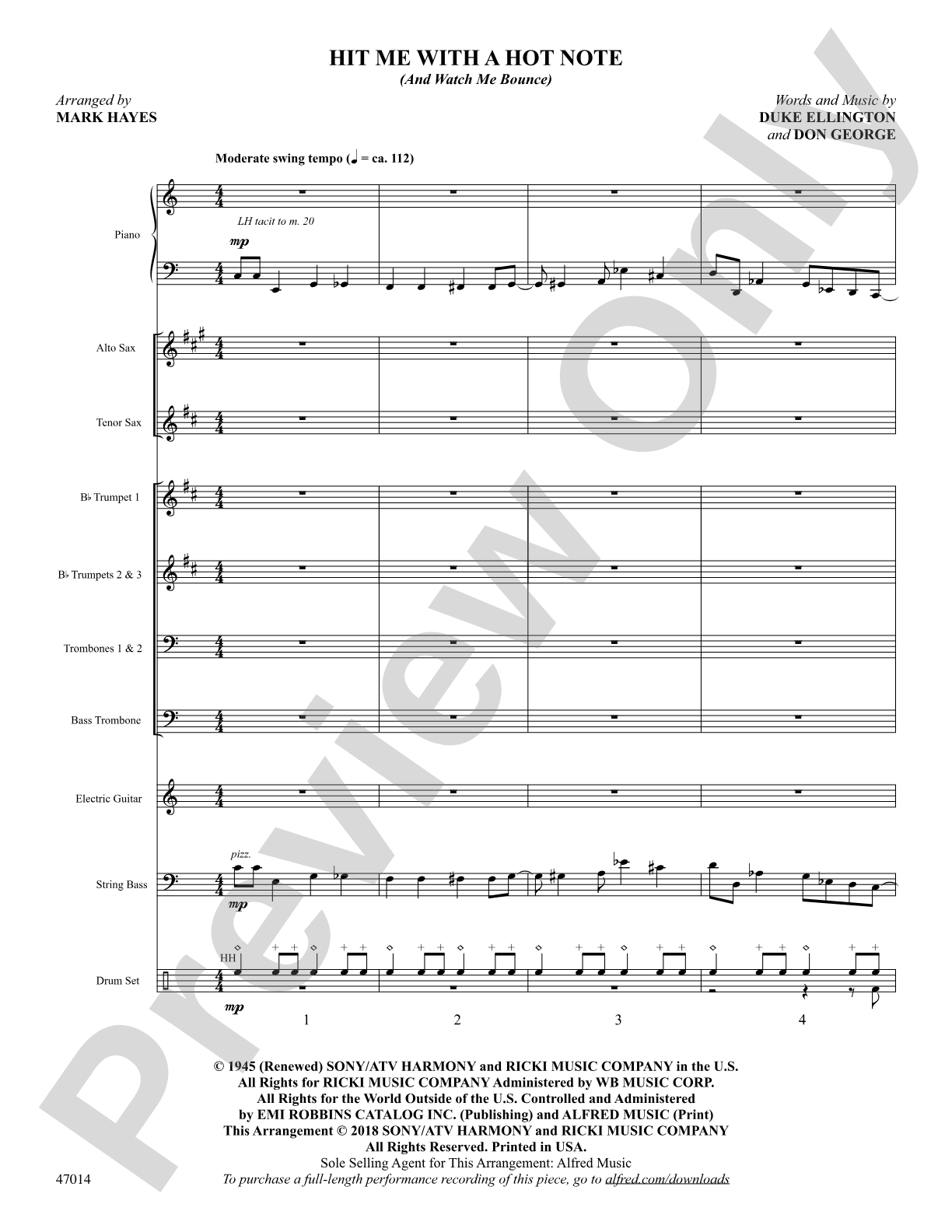
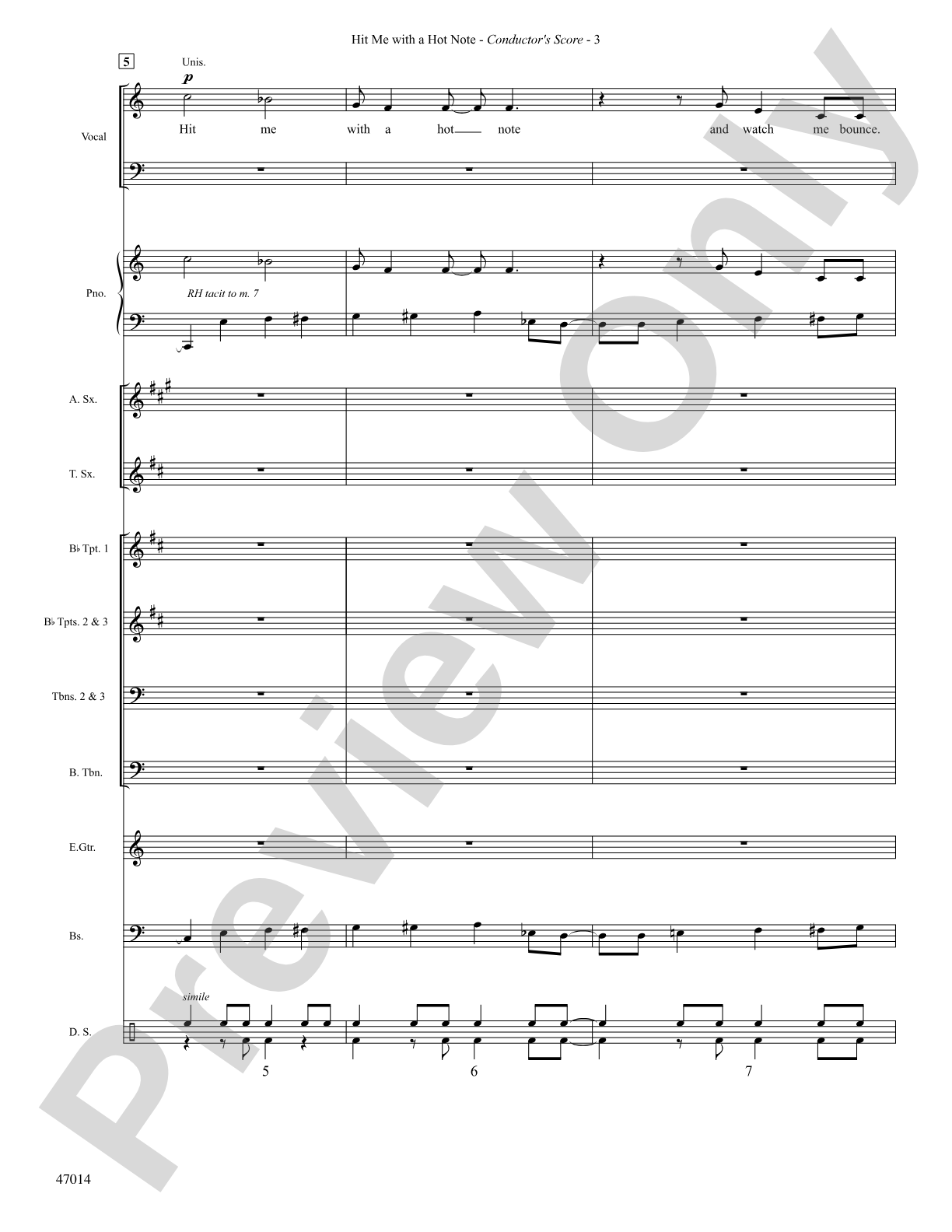
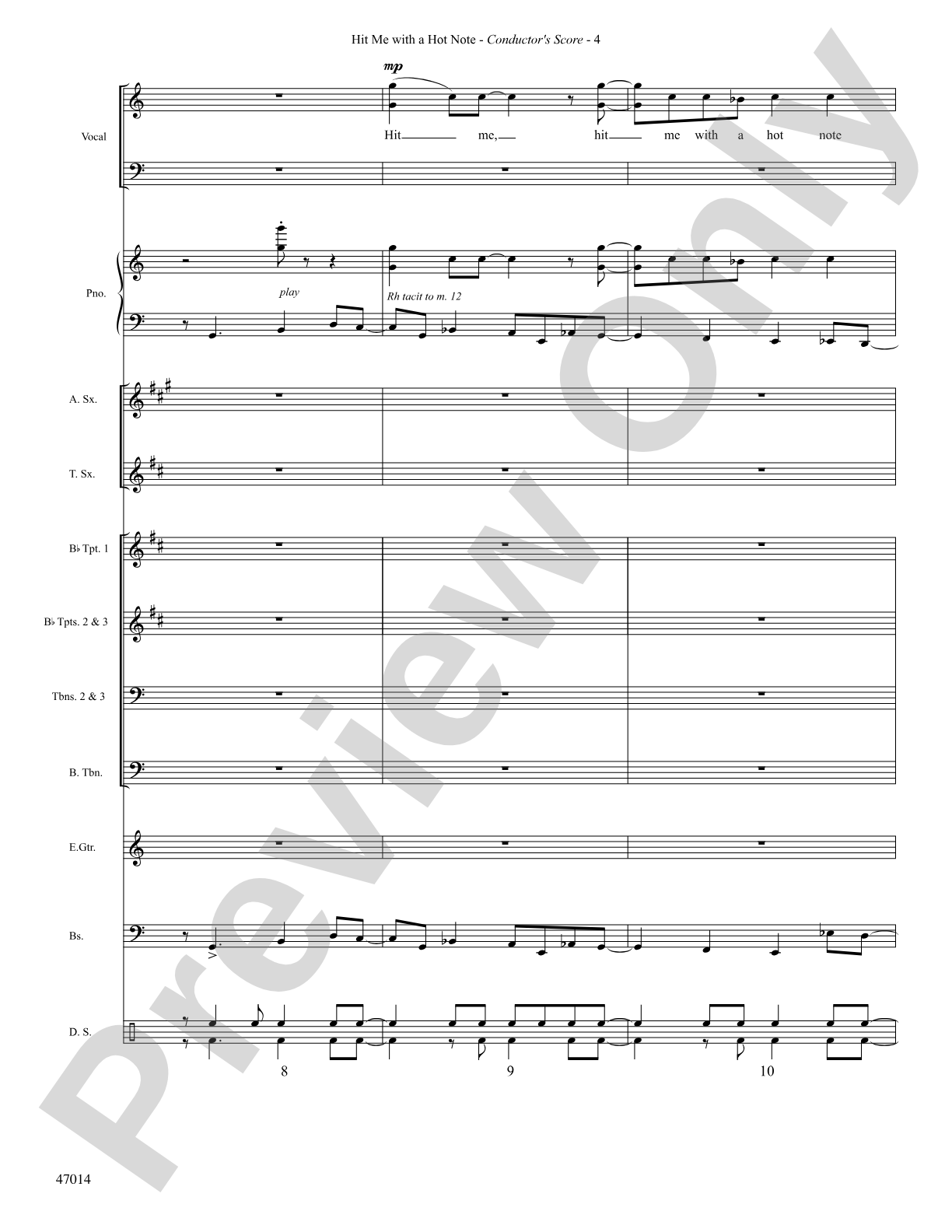
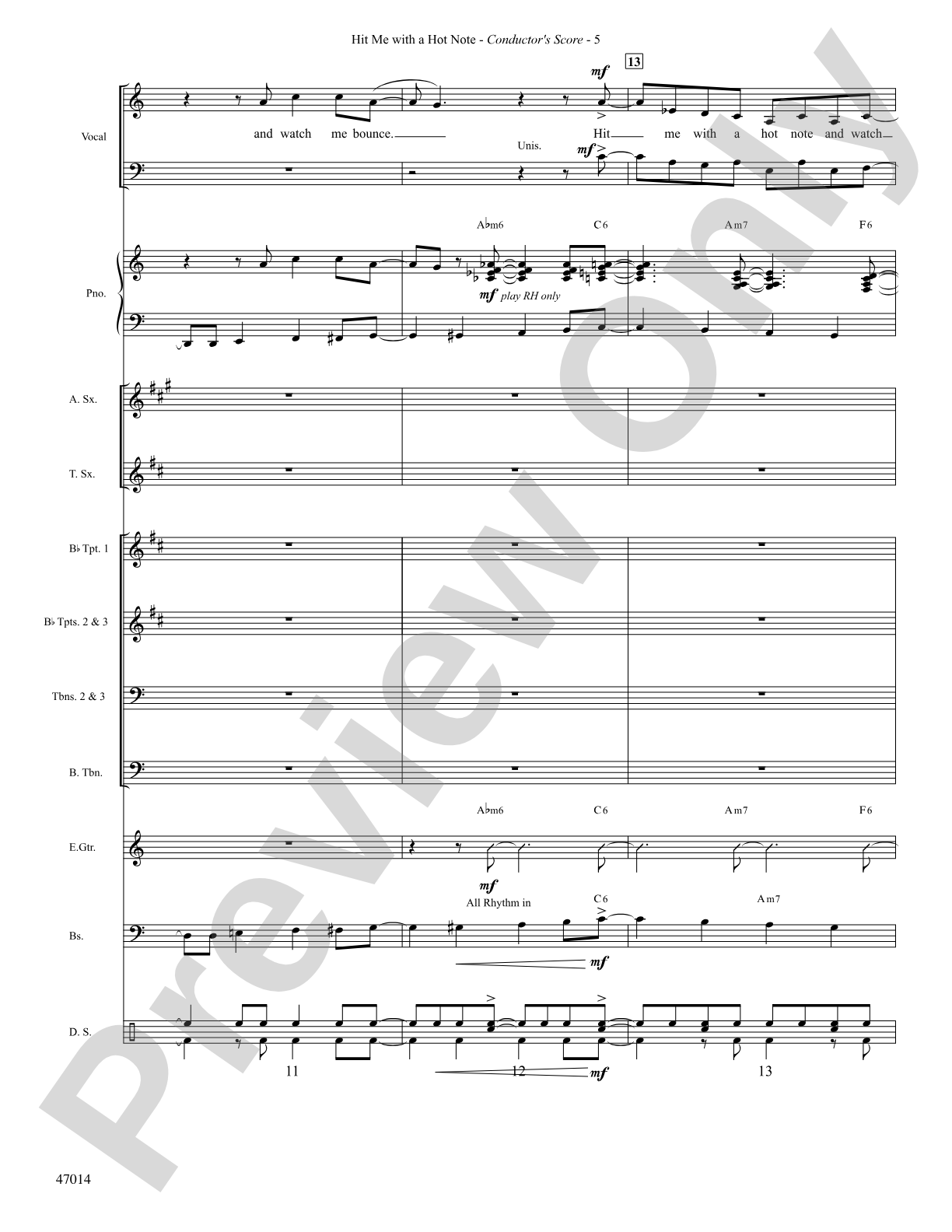
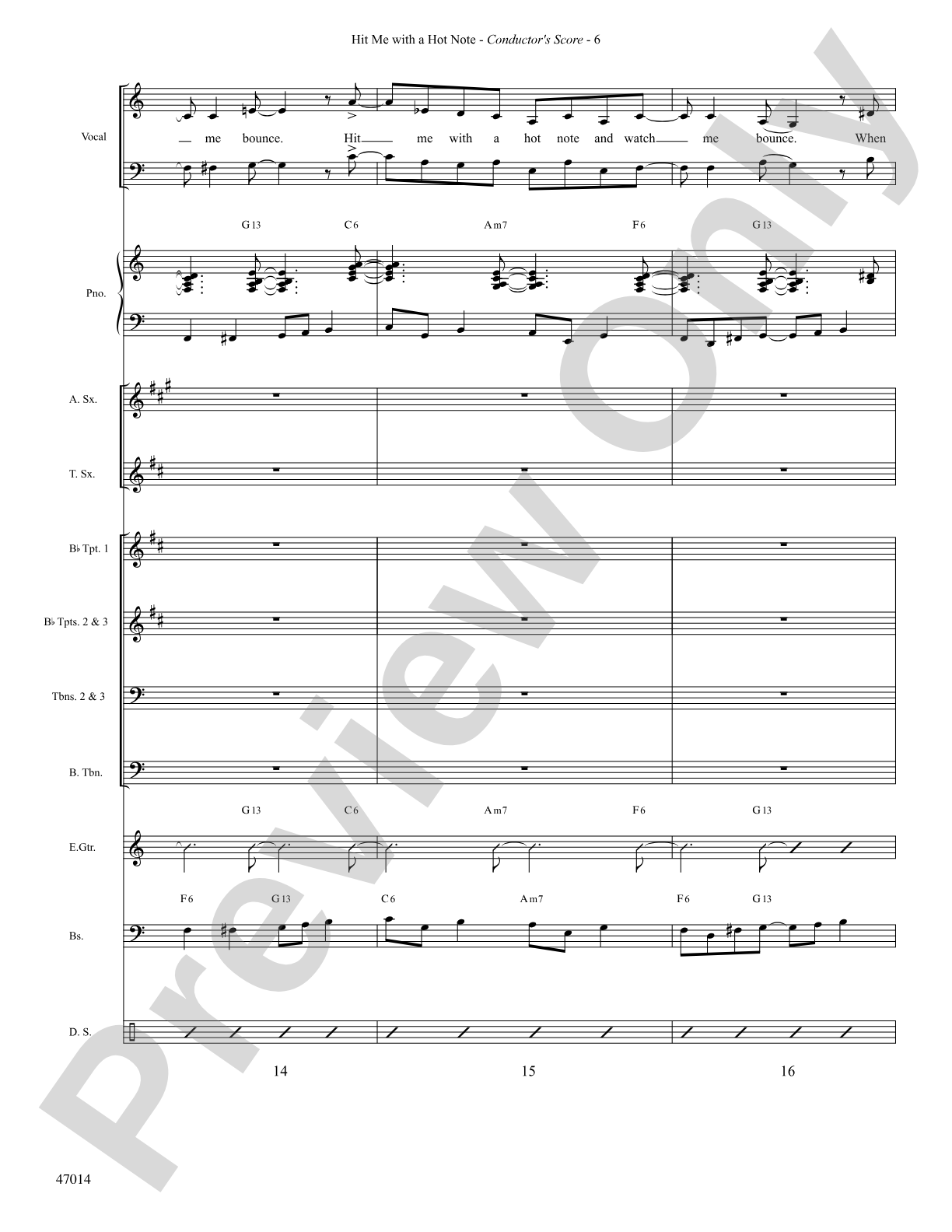
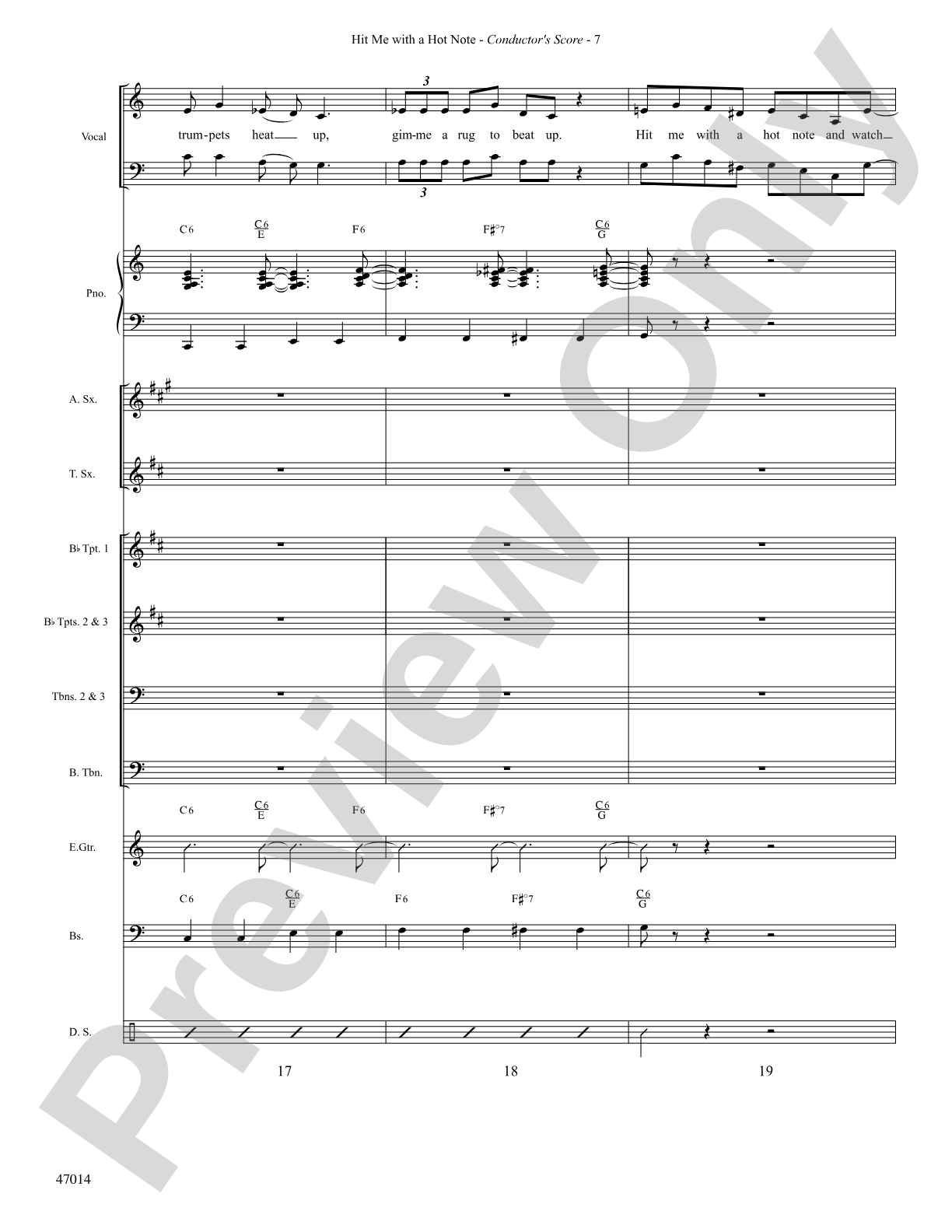
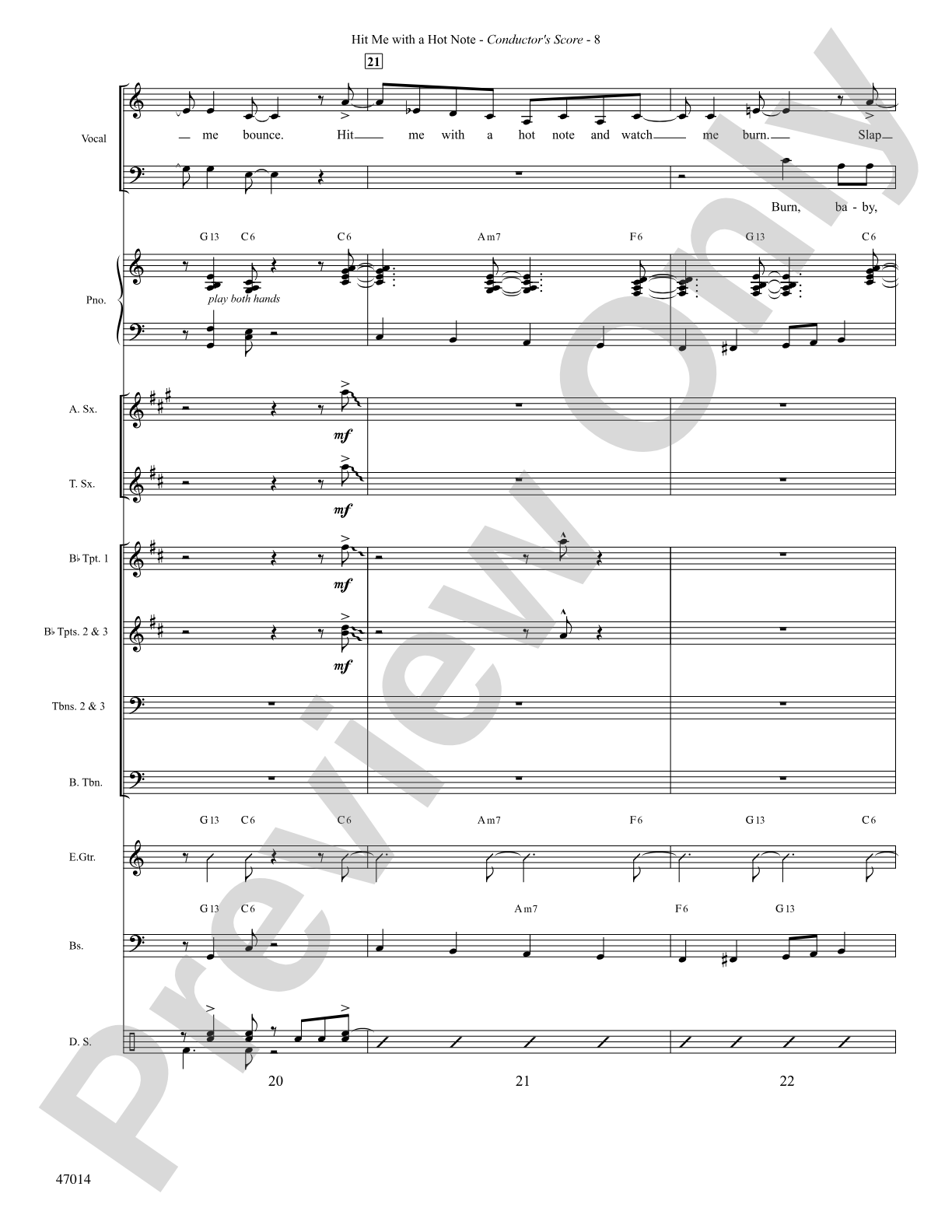
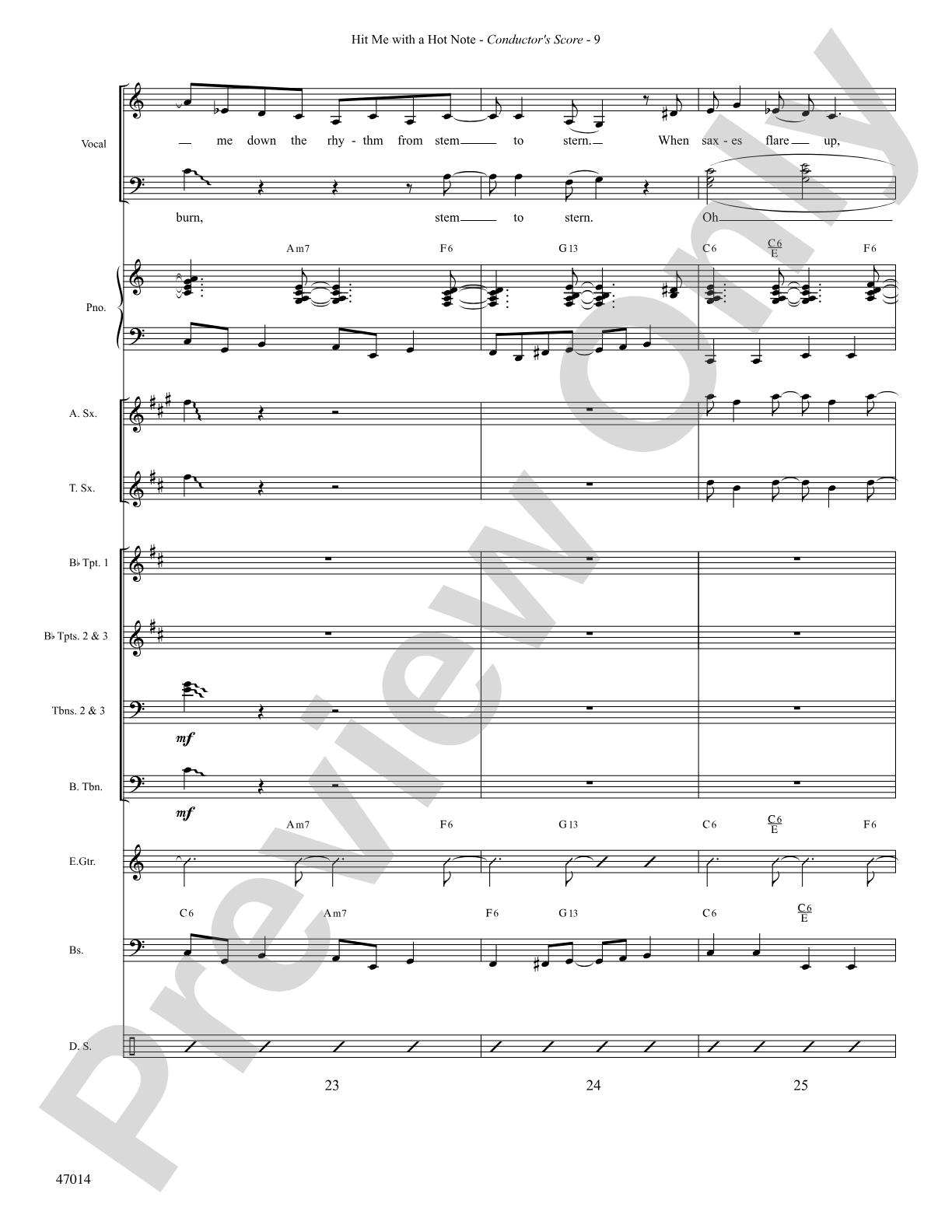
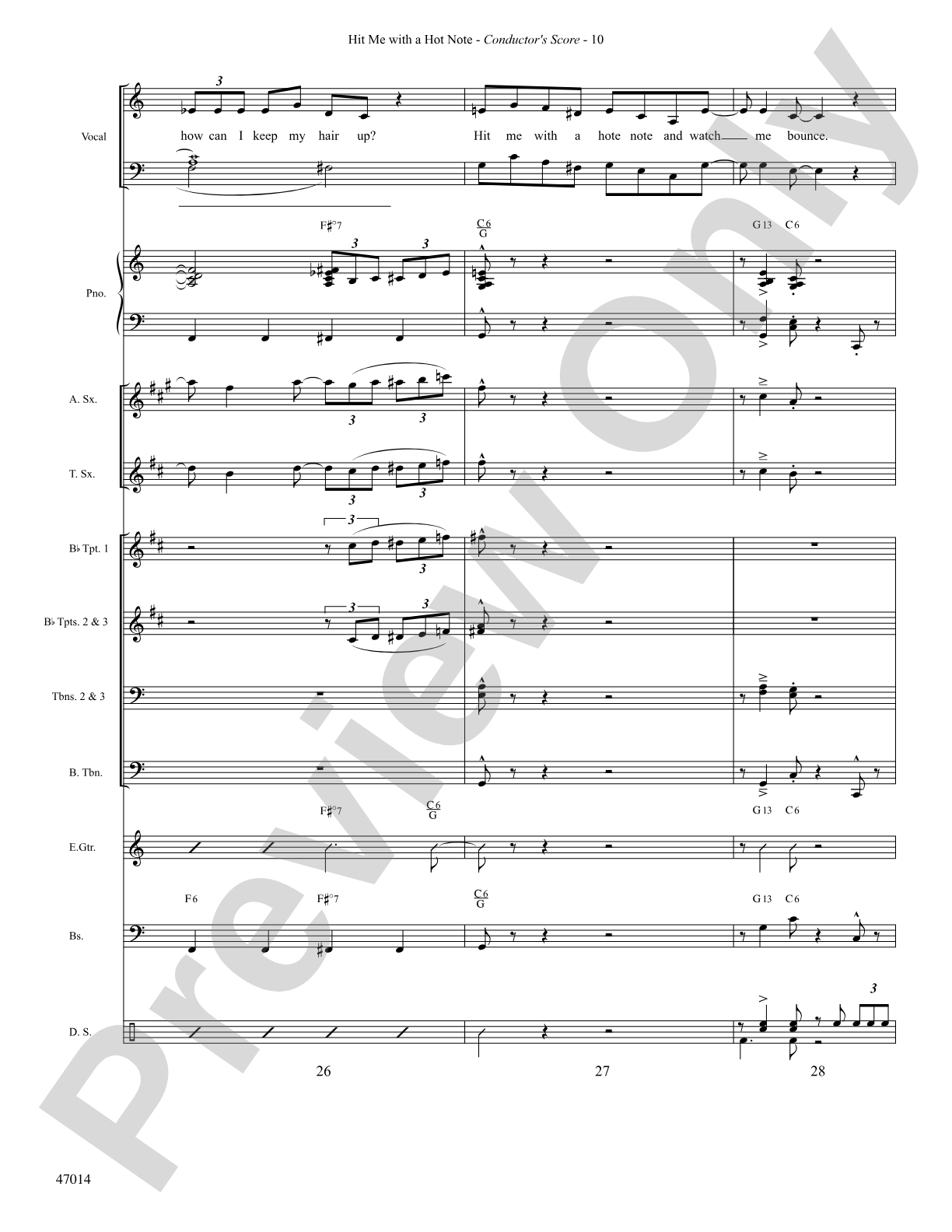
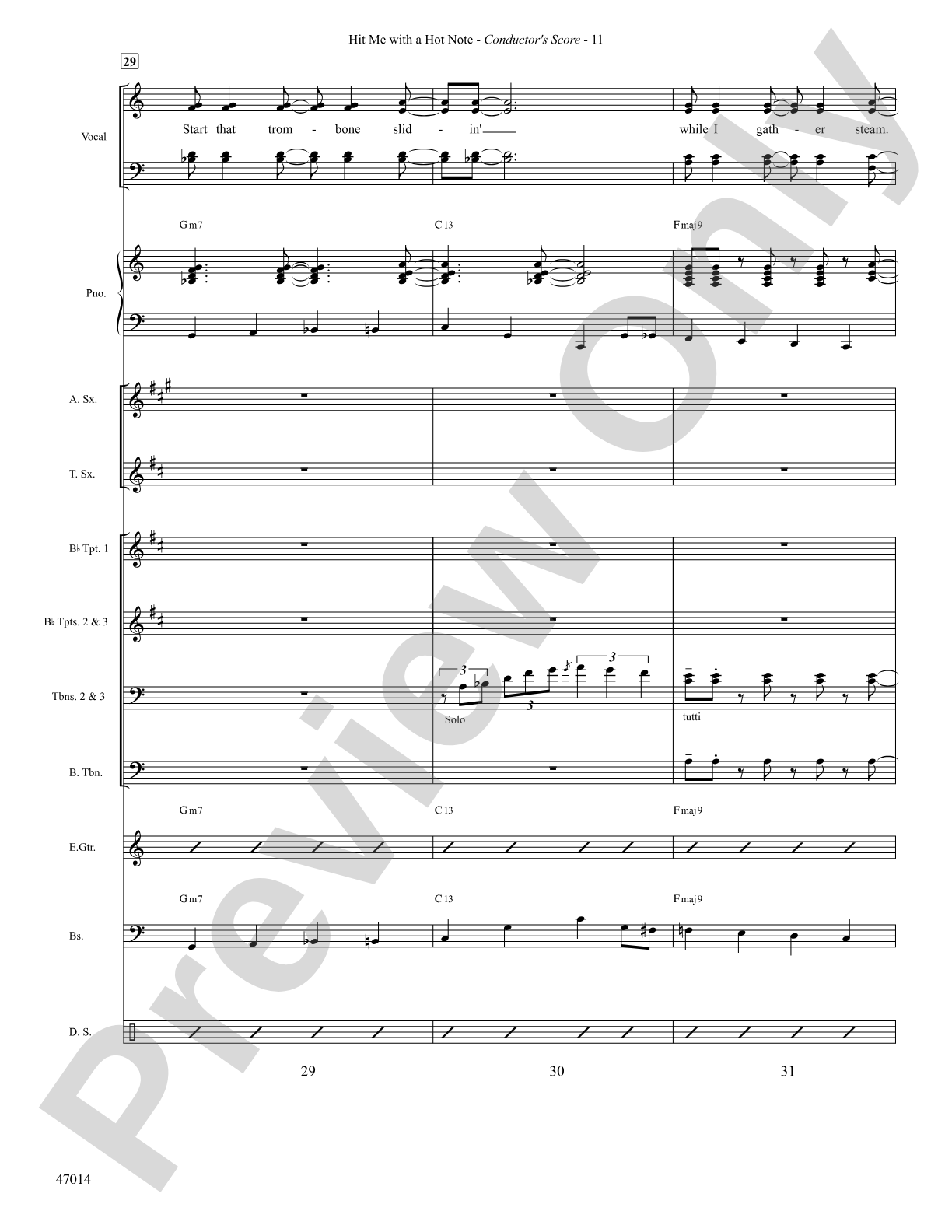
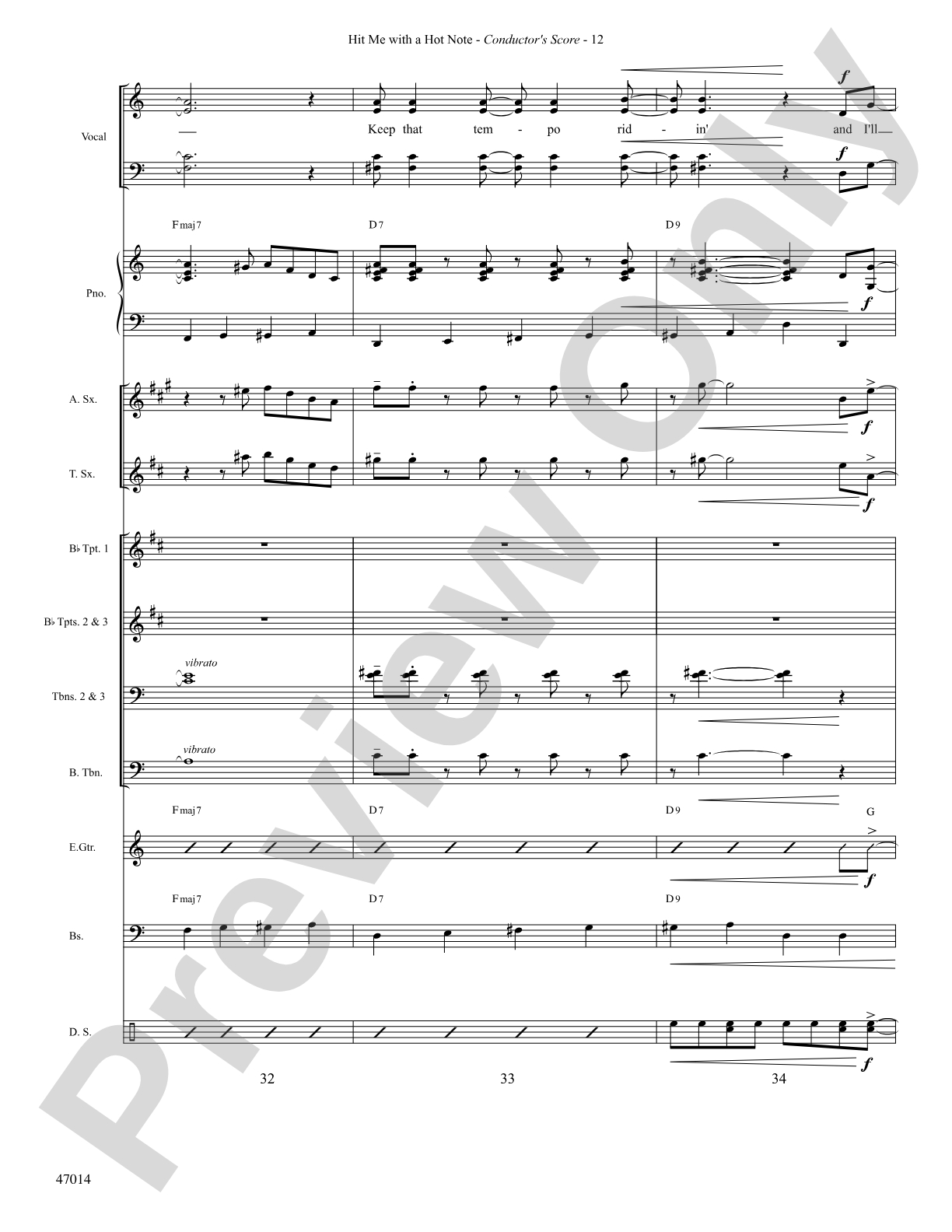
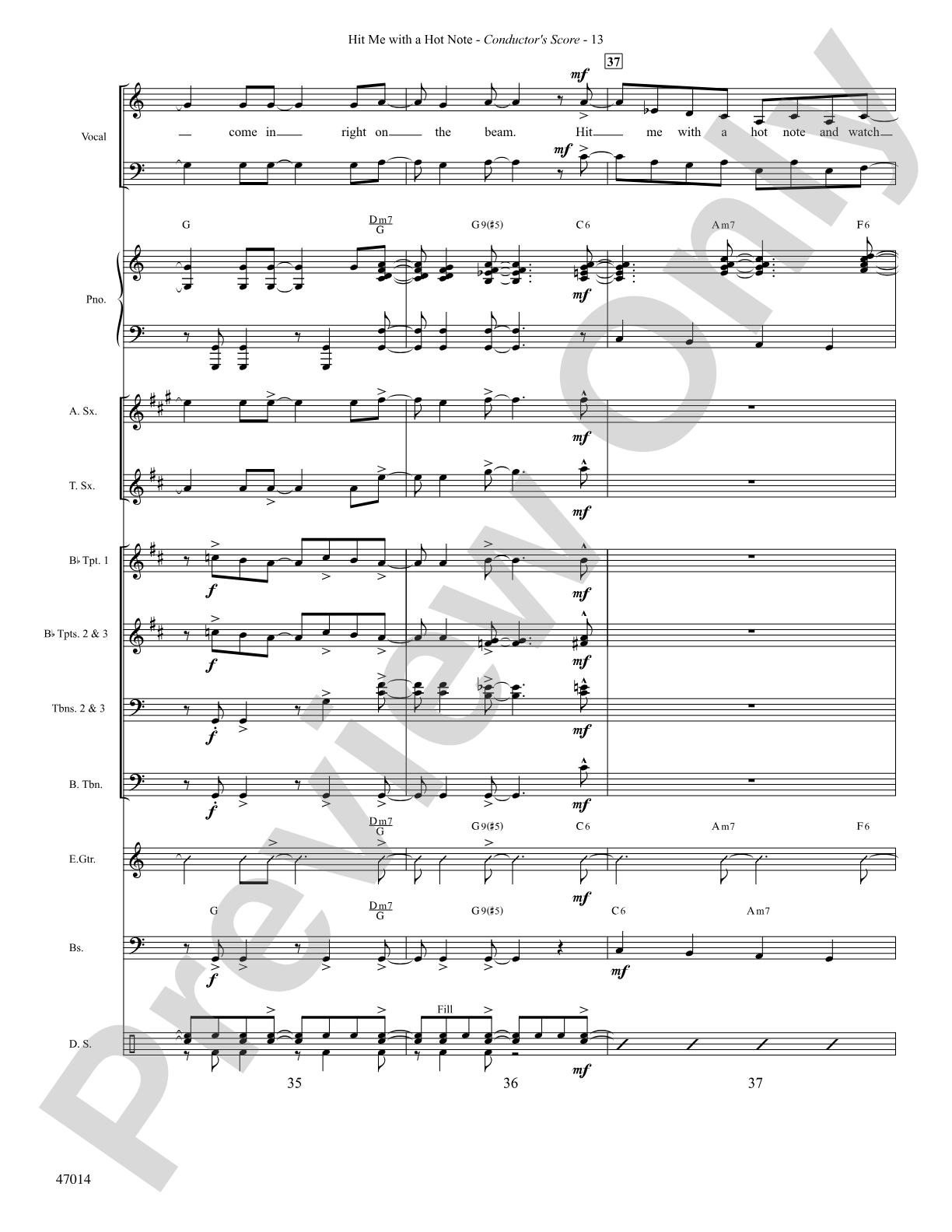
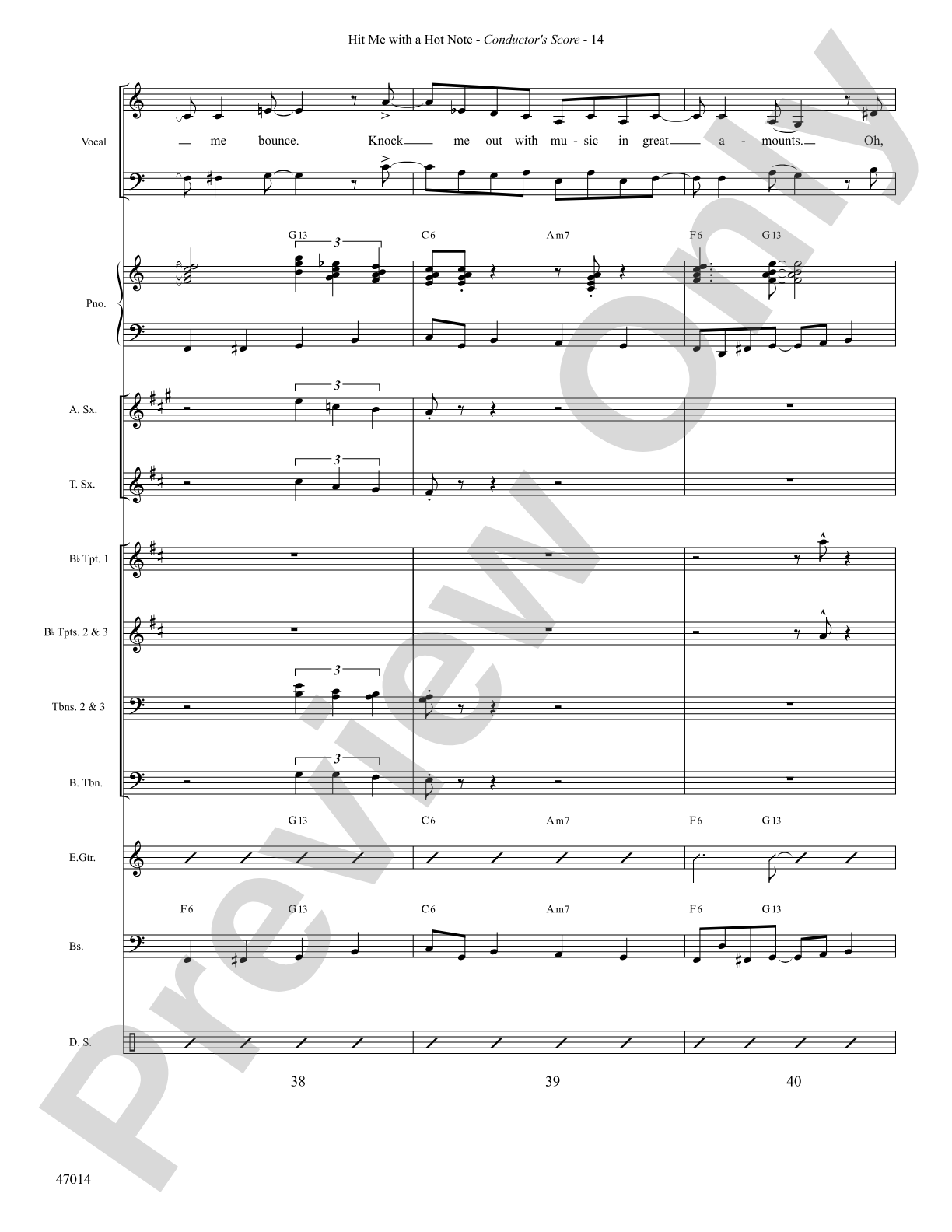
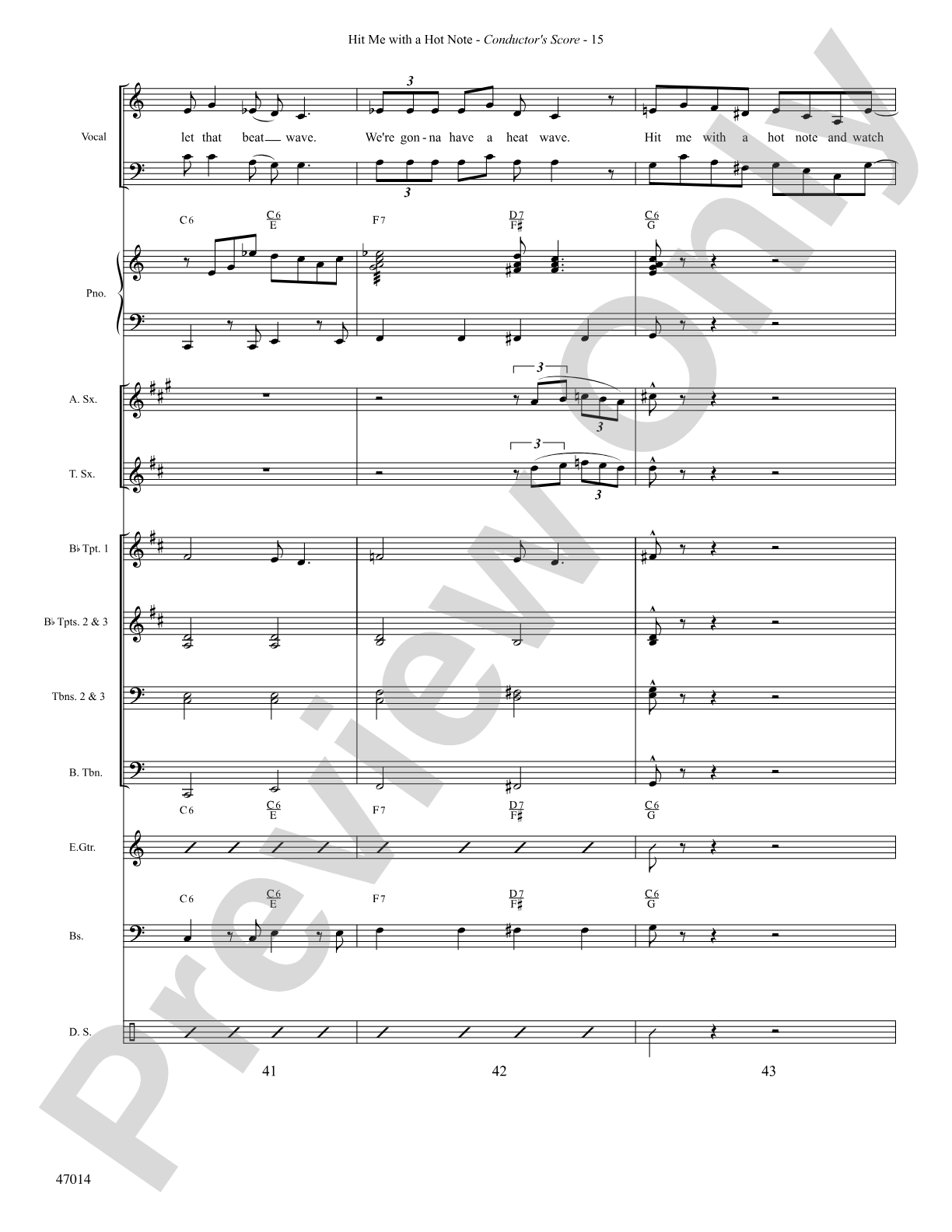
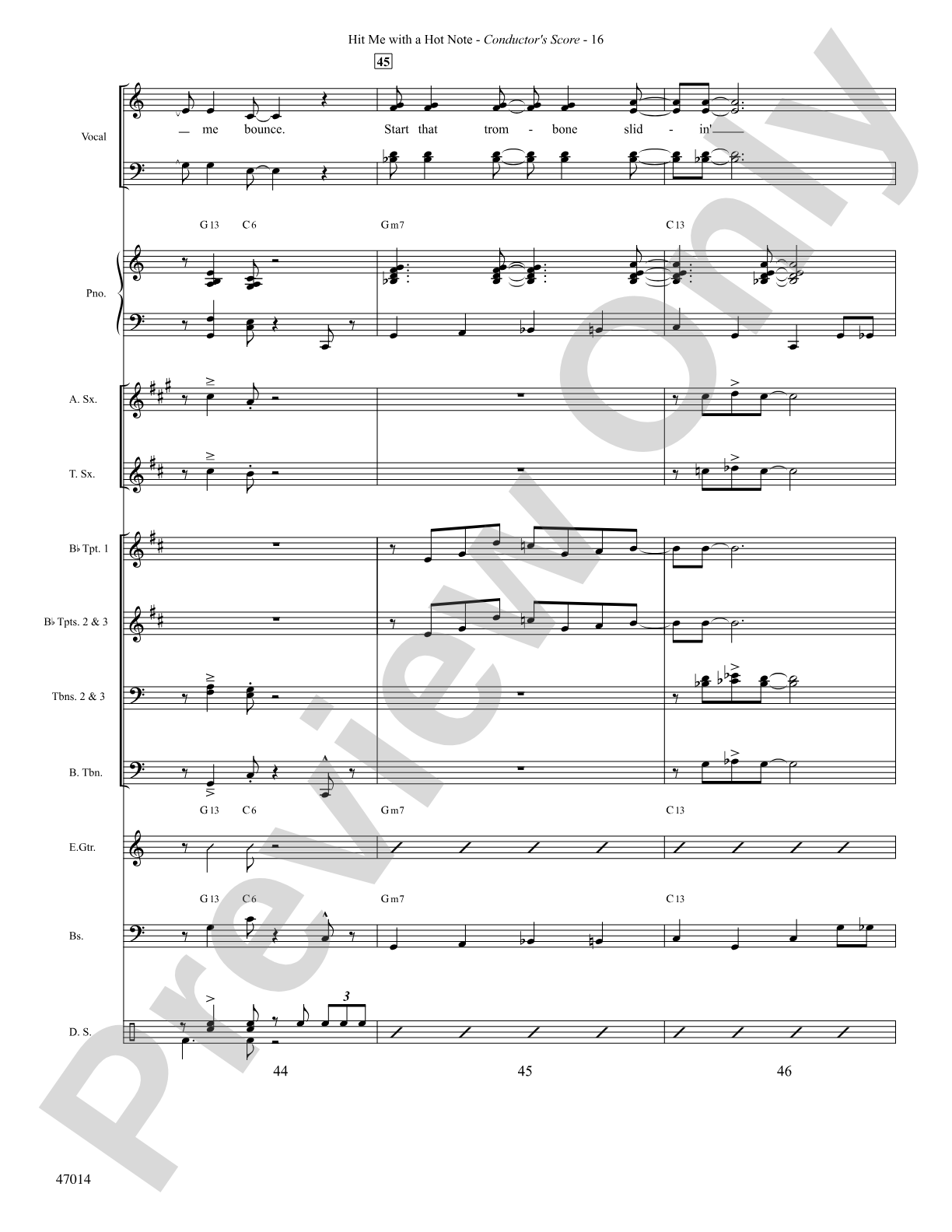
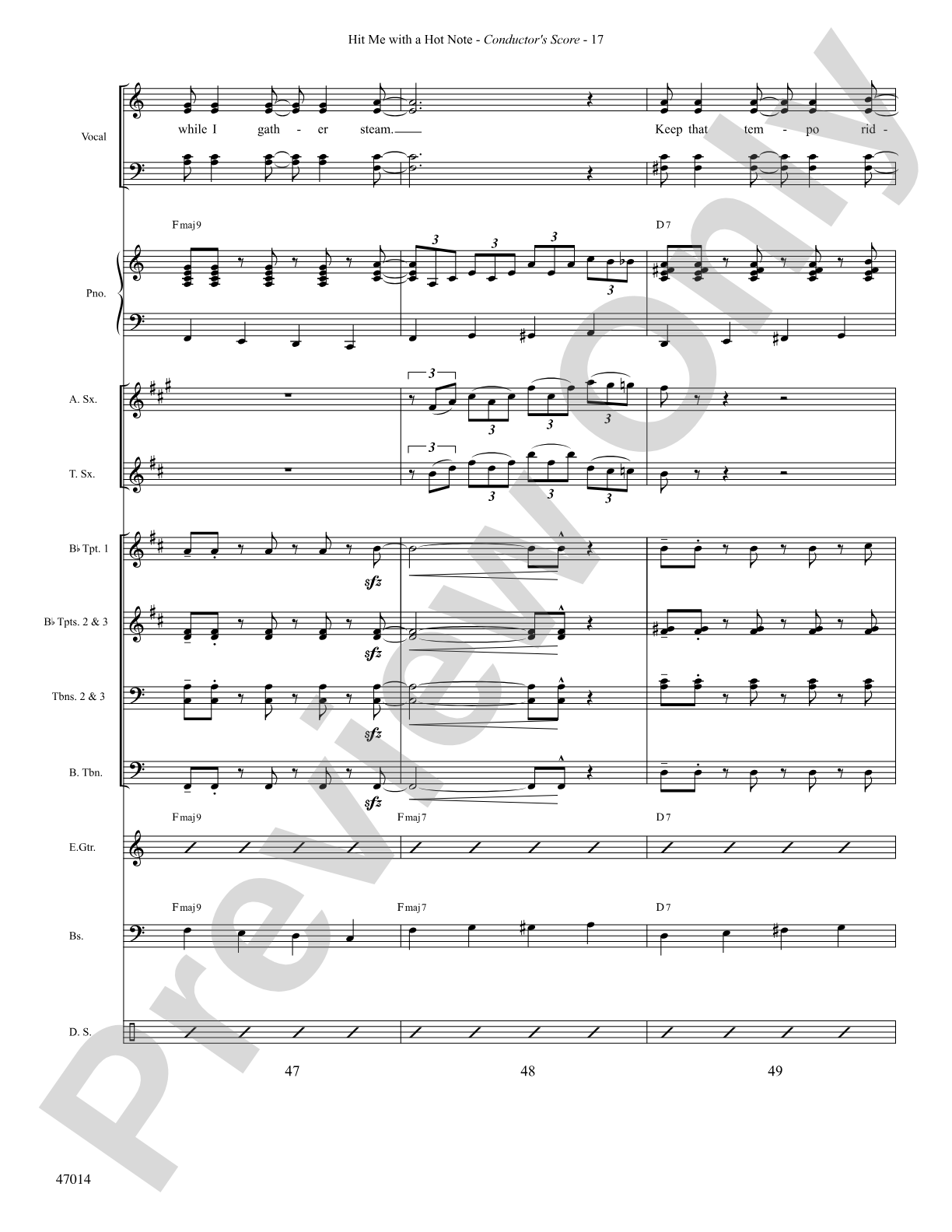
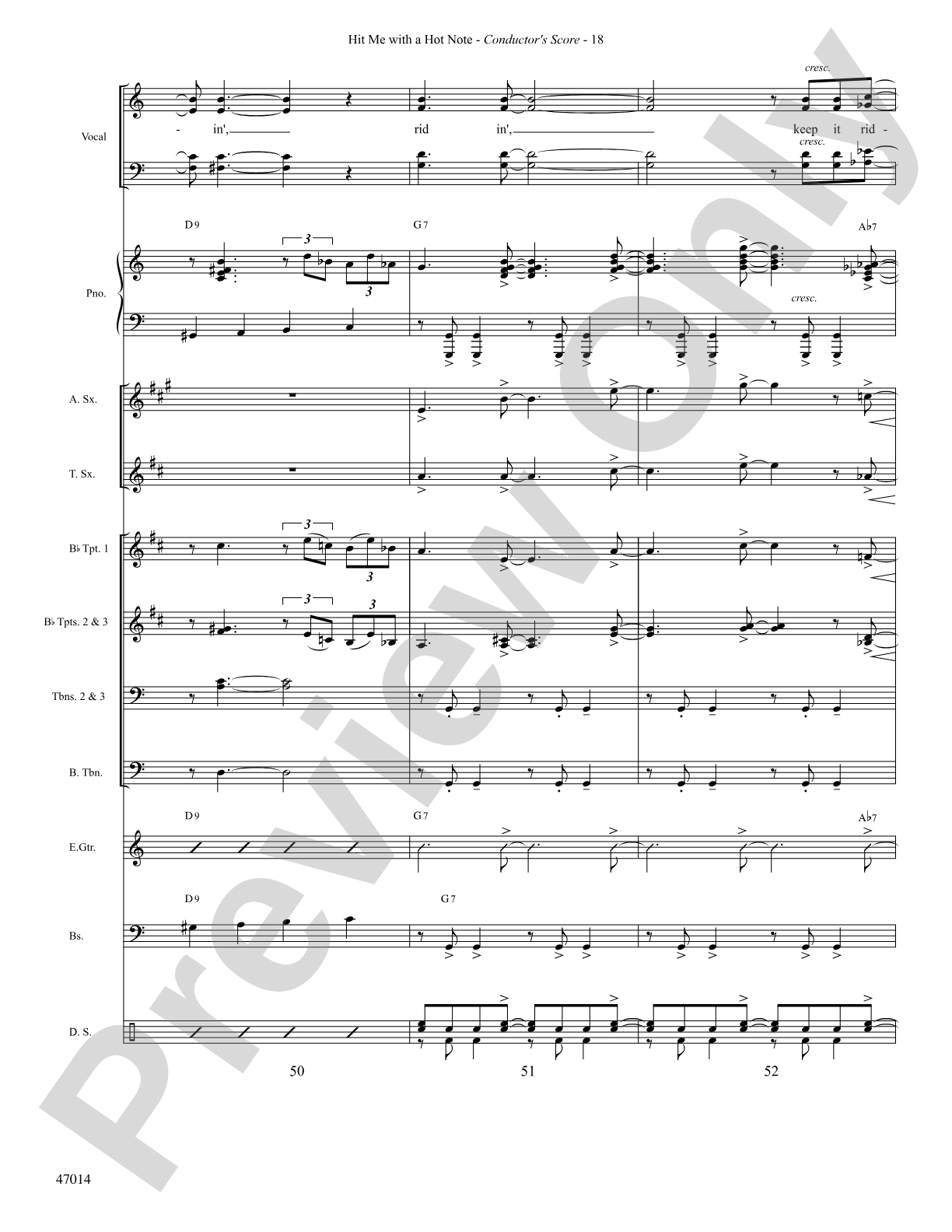
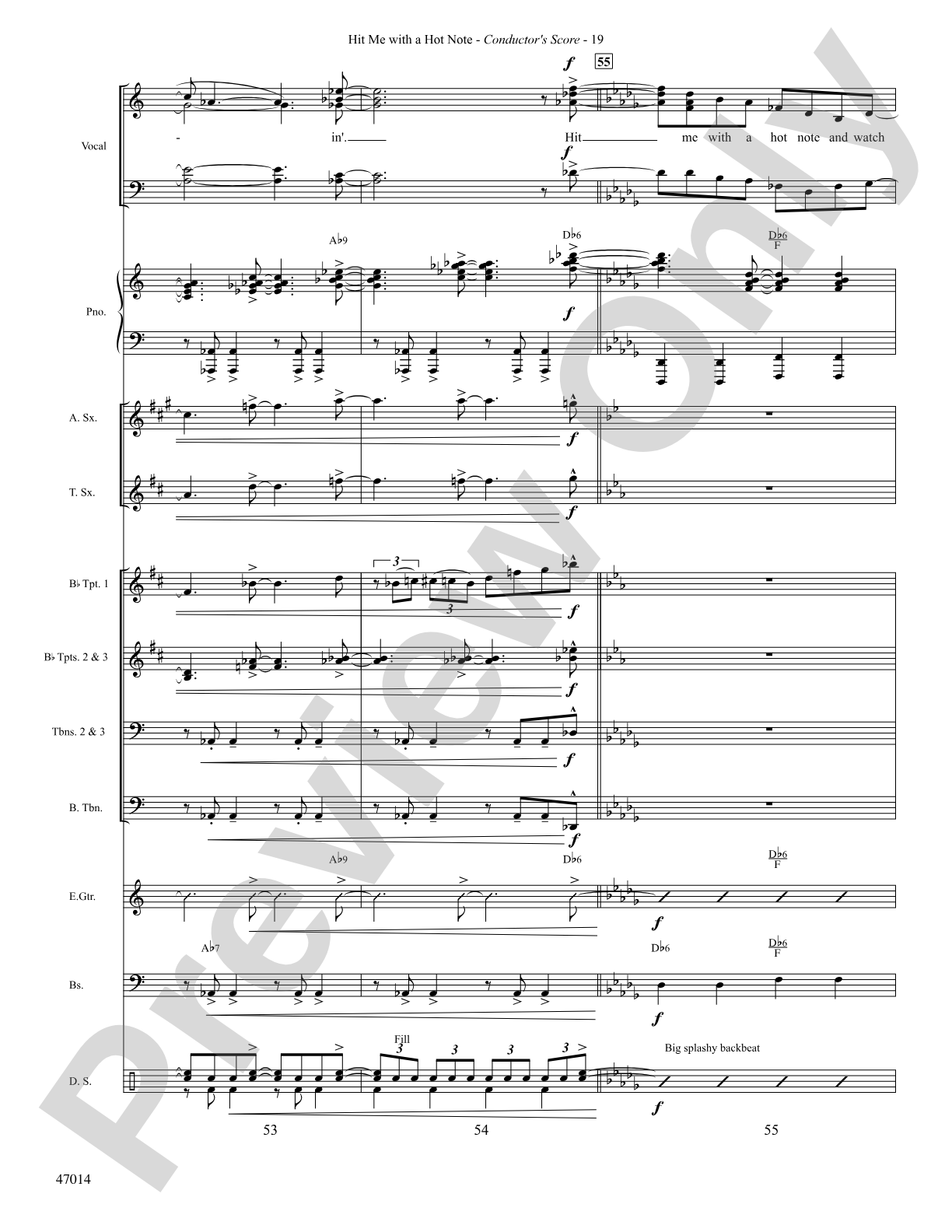
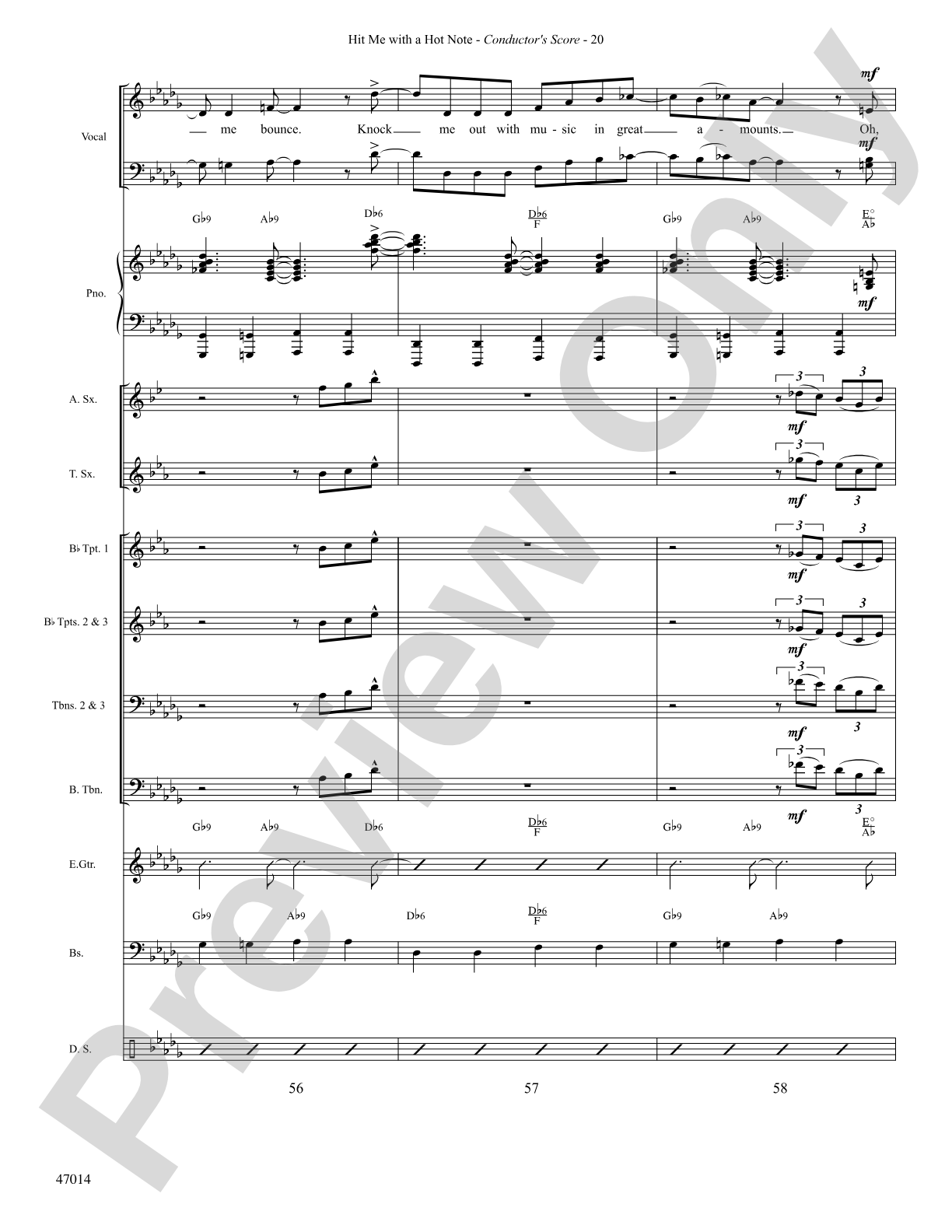
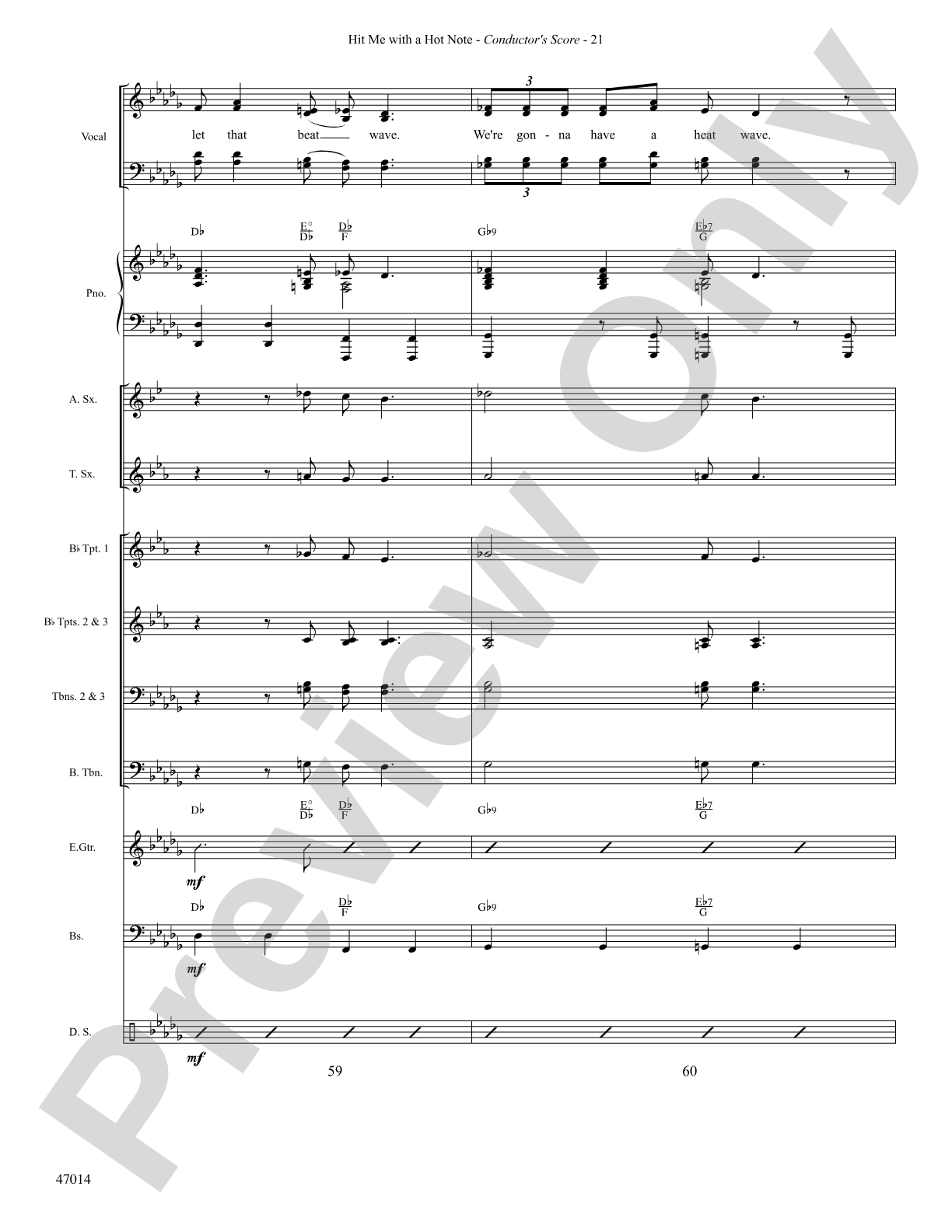
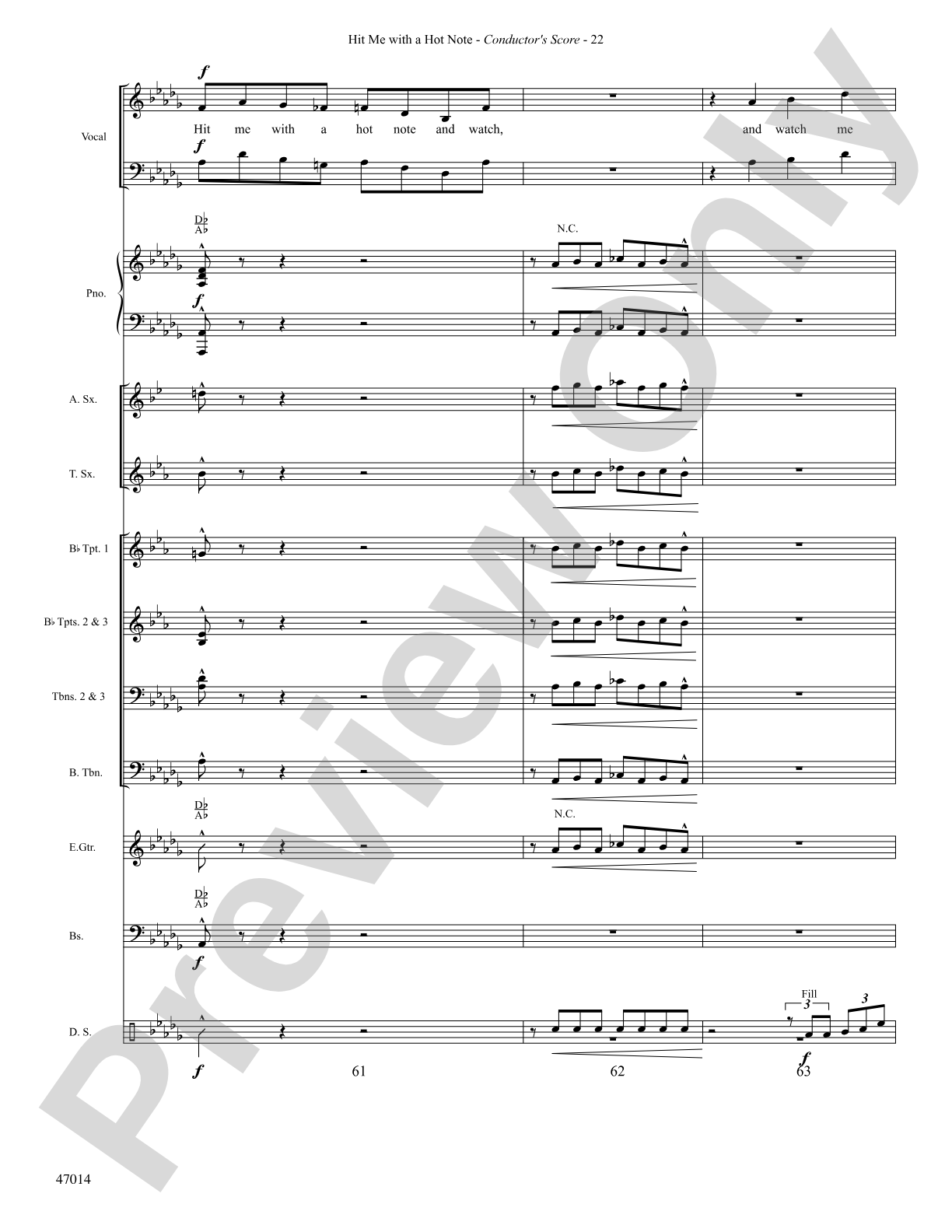
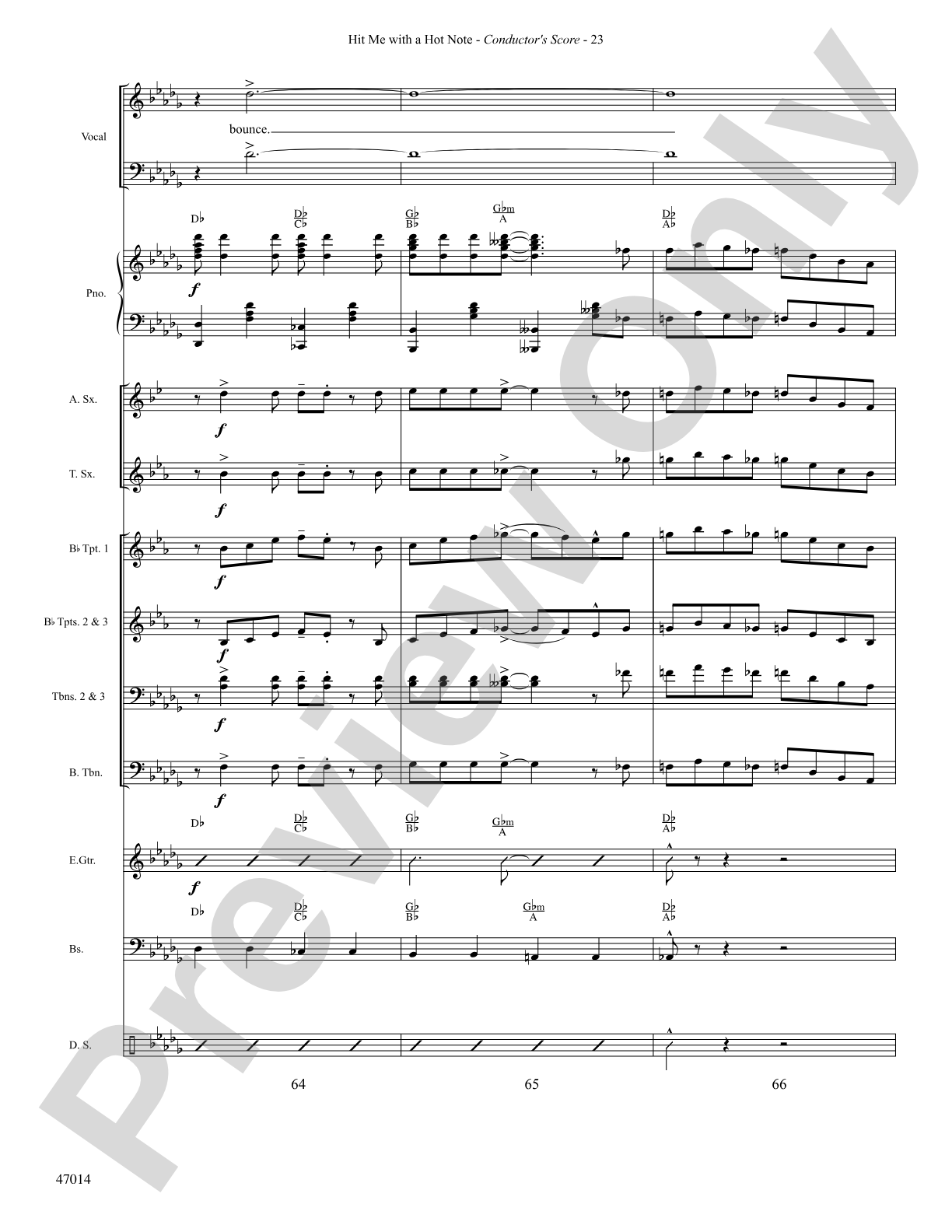
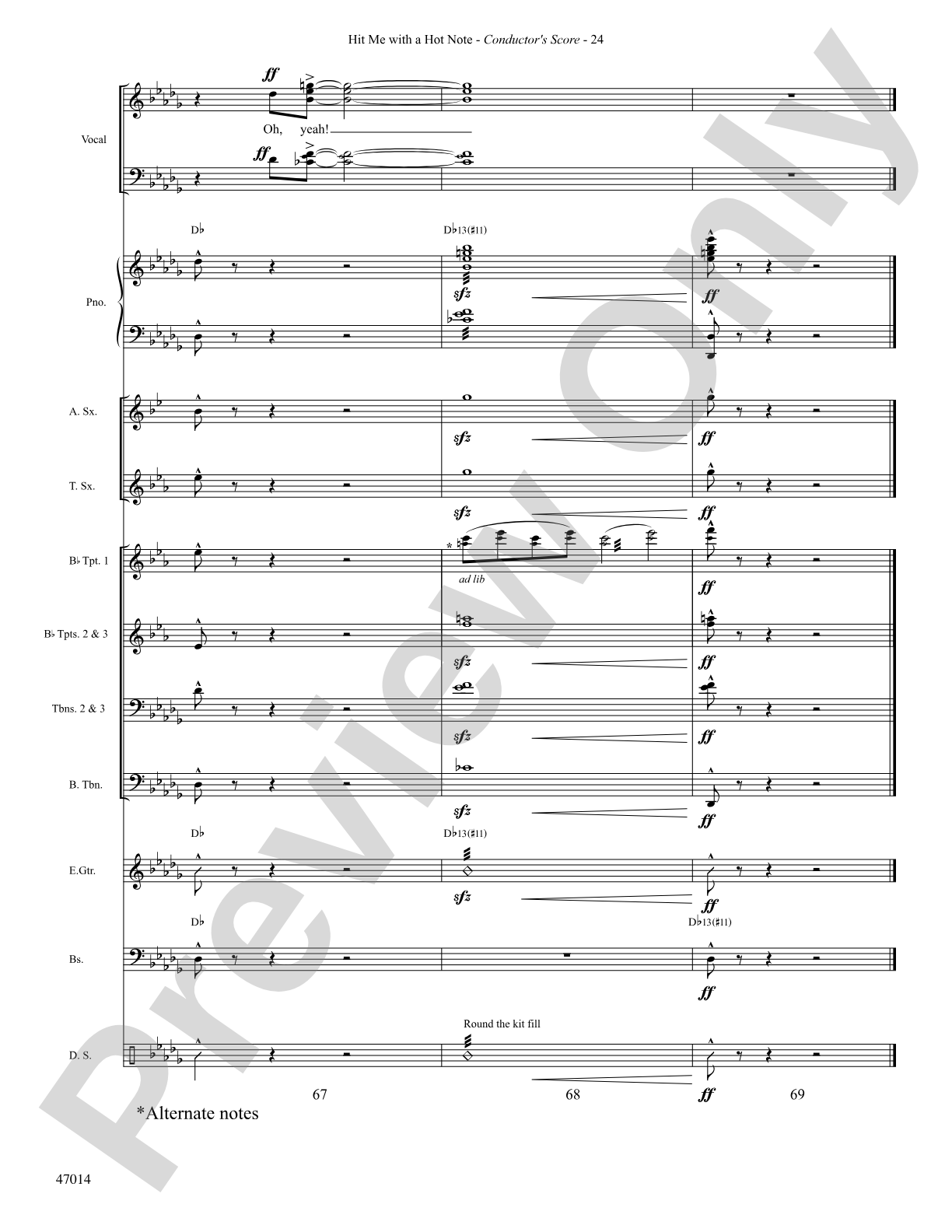
This Duke Ellington number was featured in Sophisticated Ladies, the musical revue celebrating the life and music of the great bandleader. A slinky bass accompanies some sassy vocals in the intro just before this swingin' setting grows into full-blown jazz. Syncopated horn licks and a tight rhythm section provide some sizzle on the optional SoundTrax CD and SoundPax.


Hit Me with a Hot Note: Choral SoundPax isn't in MakeMusic Cloud just yet...but it could be. Let us know you'd like to see it, and you'll help shape what comes next. In the meantime, start a free trial and dive into thousands of interactive titles your students can play along with today.
Request This Title
Tell us you want it.
Start Your Free Trial
Explore everything that's ready to play right now.
Sample Audio
1
Hit Me with a Hot Note
--:--
Hit Me with a Hot Note
0:00
0:00
Sample Video
No sample videos found.
Additional Details
Series:
Alfred Pop Choral Series
Publisher:
Alfred Music
Page Count:
44
SKU:
00-PK-0008593
Instrumentation:
SoundPax
More about this title
About the Composer: Duke Ellington
Duke Ellington (1899-1974) stands as one of the most consequential composers in American music history. His output spans nearly five decades of sophisticated jazz compositions, orchestral works, and popular songs that elevated the genre far beyond its origins. Ellington's harmonic innovation, gift for memorable melody, and ability to write idiomatically for every instrument he encountered made him a towering figure in twentieth-century music. His influence extends across jazz, classical, and popular music education, where his works continue to teach musicians about composition, arrangement, and the power of swing.
Why we love this
Mark Hayes delivers an arrangement that captures the swagger and sophistication of Ellington's original while making it accessible for choral singers. The syncopated horn writing and propulsive rhythm section (available via SoundPax) create genuine sizzle without overwhelming the vocal line. This is jazz for choir that actually sounds like jazz, not a simplified approximation.
What to expect
Slinky, confident, and urbane. The piece opens with sultry bass and sassy vocals before building into a full-throttle swing number where every voice gets a chance to contribute to the groove. It carries the polish and wit of sophisticated jazz without pretension.
Who it's for
This works best with upper-level high school or college choirs who have some comfort with swing vocabulary and syncopation. Directors programming a jazz or popular music concert will find this title connects directly to the American Songbook tradition while offering immediate appeal to audiences.
How to get the most out of it
- Anchor the groove in a relaxed triplet feel; the syncopation sits on top of that foundation, not against it. Have your rhythm section lock in the pocket before rehearsing vocals.
- Let the sass live in the phrasing rather than forcing it through dynamics. The vocal line itself contains all the attitude needed; overstated expression will undercut the sophistication.
- Balance the optional horn parts carefully. They're written to sizzle, but they shouldn't overshadow the sassy intro or drown out the choir. Run balance checks between choir and rhythm section first, then layer in horns.
- Use the SoundPax accompaniment in early rehearsals to establish the groove, then have sections sing without it to develop independence and ownership of the swing feel.
How to use it
Pair this with other Ellington numbers or Great American Songbook standards to build a cohesive set that celebrates twentieth-century American composition. It also works exceptionally well as a standalone opener or closer, especially in a concert mixing classical and popular genres.
Skills your students will build
- Swing rhythm and triplet-based phrasing
- Syncopated ensemble entrances and releases
- Jazz articulation and interpretation of syncopated lines
- Intonation within jazz harmony and chromatic movement
- Rhythmic independence while maintaining groove with accompaniment