
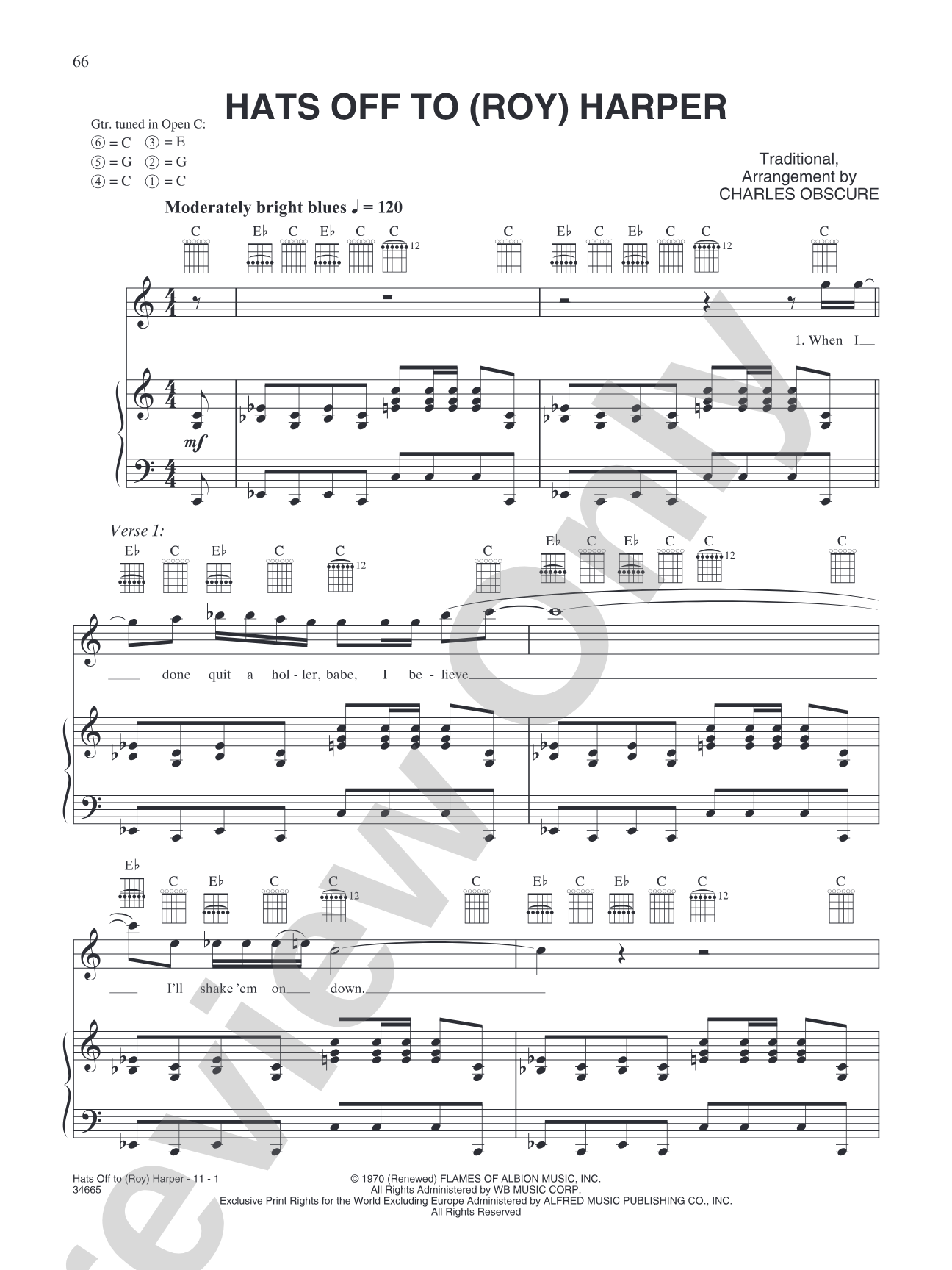
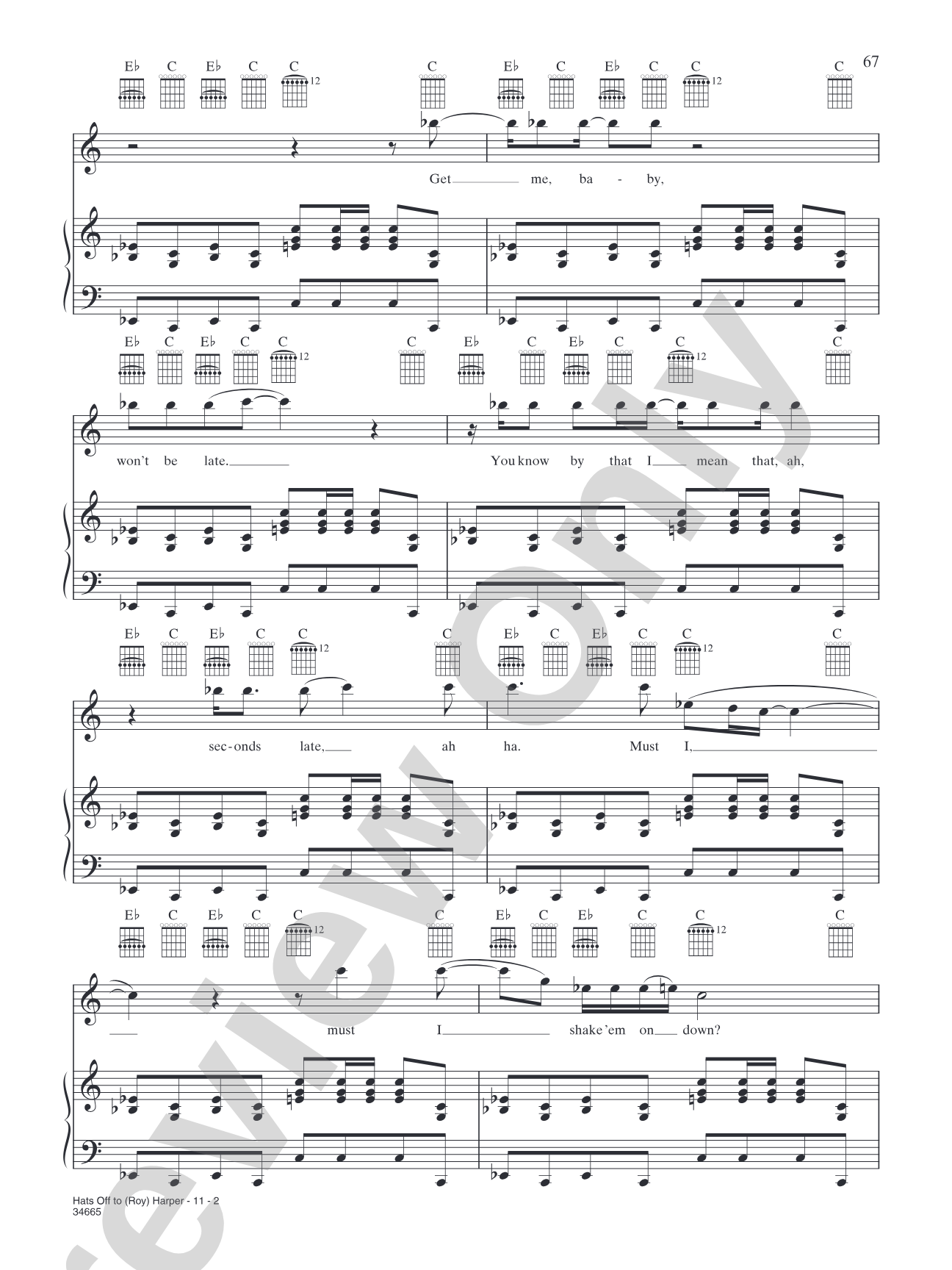
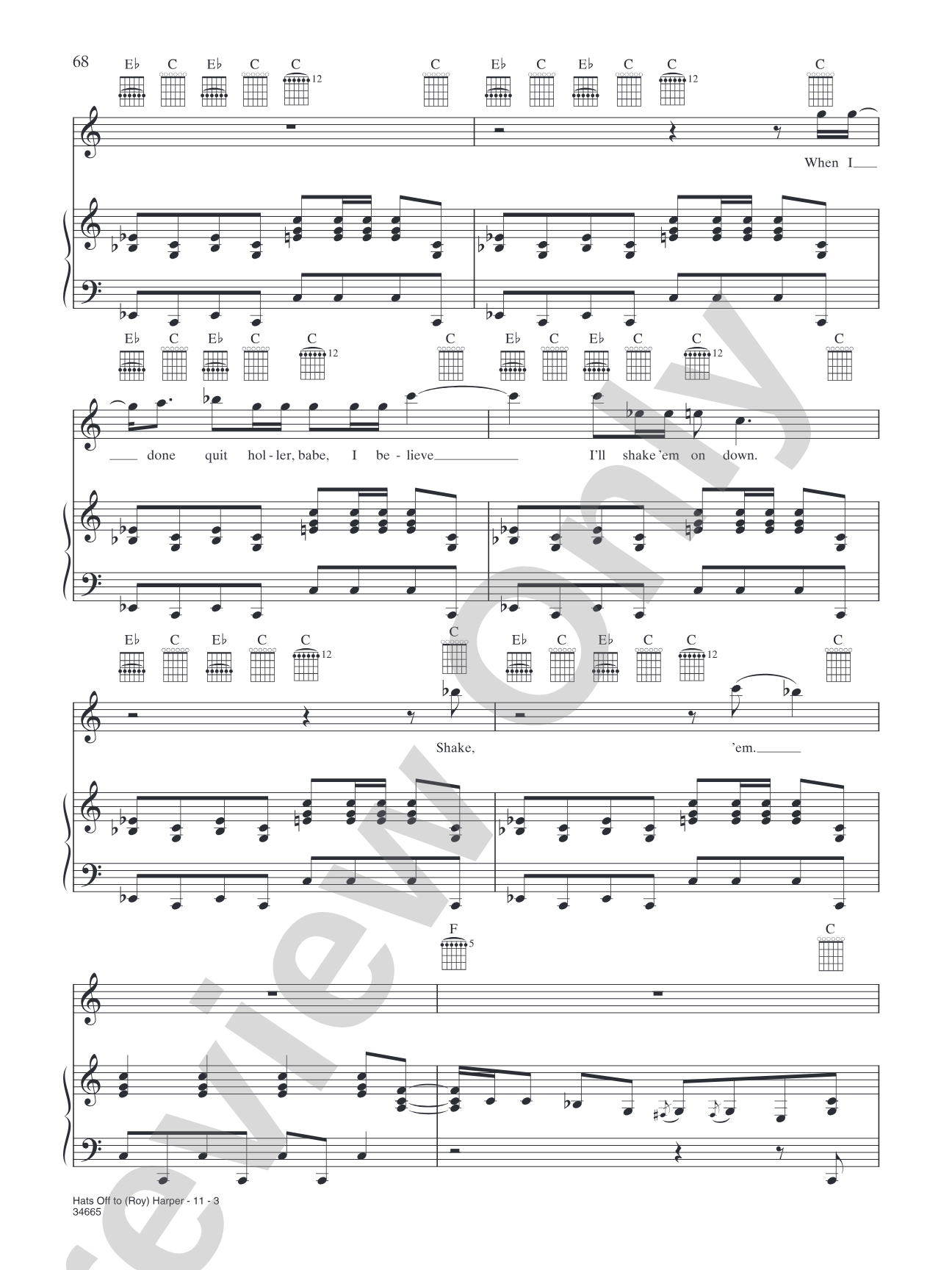

Hats Off to Roy Harper: Piano/Vocal/Chords
Led Zeppelin
Item: 00-XS-0000051
$9.99
Pickup currently not available
Related Items
Immigrant Song: Authentic Guitar TAB |
$5.99
|
View | |
Since I've been loving you: Authentic Guitar TAB |
$9.99
|
View | |
Bron-Y-Aur Stomp: Authentic Guitar TAB |
$9.99
|
View | |
Celebration Day: Authentic Guitar TAB |
$5.99
|
View | |
Friends: Authentic Guitar TAB |
$5.99
|
View | |
Gallows Pole: Authentic Guitar TAB |
$9.99
|
View | |
Hats Off to (Roy) Harper: Authentic Guitar TAB |
$9.99
|
View | |
Out on the Tiles: Authentic Guitar TAB |
$4.99
|
View | |
Tangerine: Authentic Guitar TAB |
$5.99
|
View | |
That's the Way: Authentic Guitar TAB |
$9.99
|
View | |
Bron-Y-Aur Stomp: Piano/Vocal/Chords |
$5.99
|
View | |
Celebration Day: Piano/Vocal/Chords |
$5.99
|
View | |
Gallows Pole: Piano/Vocal/Chords |
$9.99
|
View | |
Immigrant Song: Piano/Vocal/Chords |
$4.99
|
View | |
Out On the Tiles: Piano/Vocal/Chords |
$4.99
|
View | |
Since I've Been Loving You: Piano/Vocal/Chords |
$5.99
|
View | |
Tangerine: Piano/Vocal/Chords |
$5.99
|
View | |
Led Zeppelin: III Platinum Album Edition: Authentic Guitar TAB Book |
$24.99
|
View | |
Led Zeppelin: III Platinum Album Edition: Drum Transcriptions Book |
$19.99
|
View | |
Led Zeppelin: III Platinum Album Edition: Piano/Vocal/Chords Book |
$19.99
|
View | |
Led Zeppelin: III Platinum Album Edition: Authentic Bass TAB Book |
$16.99
|
View |
Description
Matching songbook to Led Zeppelin's third album, featuring detailed piano/vocal/guitar arrangements that capture all the nuances. Included are the intricate bass lines and organ parts played by John Paul Jones, along with keyboard renditions of the essential guitar parts. Guitar World magazine editor Brad Tolinski provides an insightful historical foreword, and Robert Plant has officially certified the accuracy of the lyrics. Titles: Immigrant Song * Friends * Celebration Day * Since I've Been Loving You * Out on the Tiles * Gallows Pole * Tangerine * That's the Way * Bron-Y-Aur Stomp * Hats Off to (Roy) Harper.


Discover MakeMusic Cloud: thousands of interactive titles your students can play along with today.
Sample Audio
No sample audio found.
Sample Video
No sample videos found.
Additional Details
Series:
Alfred's Platinum Album Editions
Publisher:
Alfred Music
Page Count:
76
SKU:
00-XS-0000051
More about this title
About the Artist: Led Zeppelin
Led Zeppelin stands among rock music's most influential ensembles, reshaping popular music through their fusion of blues, folk, and heavy rock. Formed in 1968, the band's third album (1970) marked a pivotal moment when their sound expanded beyond raw power into intricate arrangements and diverse songwriting, establishing them as compositional architects as well as performers.
For music educators and serious students, Led Zeppelin's work demonstrates how rock music achieves sophistication through layered instrumental parts, dynamic control, and harmonic complexity. Their studio recordings reveal meticulous attention to production detail and arrangement choices that reward close listening and analysis.
Why we love this
This collection gives pianists and keyboardists access to some of rock's most musically rewarding material without reducing it to simplified versions. The arrangements preserve John Paul Jones's organ and bass textures alongside reimagined guitar lines for keyboard, making these songs genuinely playable in a piano/vocal setting while maintaining their harmonic and rhythmic sophistication. Having Robert Plant certify the lyrical accuracy adds historical credibility that matters when teaching the connection between lyrics and musical phrasing.
What to expect
These arrangements capture the album's mix of acoustic intimacy and orchestral depth. You'll move between fingerpicked folk textures, bluesy grooves, and layered keyboard swells, encountering the kind of arrangement variety that makes each song feel distinct. The music demands both sensitivity and technical facility, rewarding careful listening with moments of real harmonic and rhythmic beauty.
Who it's for
Pianists and keyboardists who want to perform substantive rock material with vocal accompaniment, as well as music students interested in analyzing how professional arrangers adapt guitar-based songs for keyboard. Singers preparing these classics will find reliable, detailed accompaniments that respect the original vocal lines and phrasing.
How to get the most out of it
- Study the bass line voicings carefully; John Paul Jones's bass work often outlines chord extensions that aren't immediately obvious in the melody, and capturing these in your left hand will anchor the harmonic integrity.
- Pay attention to the organ parts transcribed for keyboard, as they frequently carry counter-melodies and sustain the harmonic motion during vocal passages where comping alone would feel thin.
- Balance the vocal delivery with the instrumental texture throughout; these arrangements work best when keyboard and voice breathe together rather than competing for space.
- Explore the dynamic range suggested by the original recordings; moving between quiet, intimate verses and fuller arranged sections reflects the production choices that made these songs memorable.
How to use it
Consider pairing 2-3 songs from this collection for a recital or concert that explores rock's compositional reach; "Tangerine" and "Bron-Y-Aur Stomp" work beautifully as a contrasting pair that showcases both acoustic finesse and rhythmic precision. These arrangements also serve emerging pianists and keyboardists well in private study, offering engaging material that builds both interpretive musicality and technical accuracy in handling complex, layered textures.
Skills your students will build
- Playing dense, multi-layered keyboard textures that combine bass lines, harmonic voicings, and counter-melodies
- Balancing vocal accompaniment with instrumental interest without overshadowing the singer
- Reading and interpreting guitar articulations and effects through keyboard adaptation
- Managing dynamic control across a wide range from intimate finger-picked passages to full orchestrated sections
- Understanding chord extensions and substitutions commonly found in rock and blues harmony