Flanders Fields Cover Image

Flanders Fields: SSSAAA Choral Octavo

$2.30 USD
Sale price  $2.30 USD Regular price 
Skip to product information
Flanders Fields Cover Image

Flanders Fields: SSSAAA Choral Octavo

Words by John McCrae, music by Paul A. Aitken

Item: 00-46917

makemusic Cloud badge

Need it now?

Buy Digital Version
$2.30
Shipped

One moment…

Description
This distinguished setting of the John McCrae text was originally published for mixed choirs soon after being named the first winner of the ACDA Brock Memorial composition contest. Aitken's more recent voicings for women's and men's choirs are just as inspiring as the original.

Don't just read it, hear it, play along with it, and watch your students grow with it. In MakeMusic Cloud, Flanders Fields: SSSAAA Choral Octavo comes alive with professional accompaniment, adjustable tempo, and built-in practice tools that turn solo practice into real progress.

Sample Pages

Sample Audio
0:00
0:00
Sample Video
Additional Details
Series: Lawson-Gould
Publisher: Alfred Music
Page Count: 20
UPC: 038081535661
SKU: 00-46917

More about this title

About the Composer: Paul A. Aitken
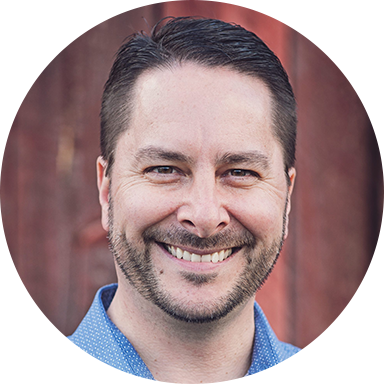
Paul A. Aitken

Paul A. Aitken is a Canadian composer and conductor whose professional work centers on sacred and choral music. He currently serves as Director of Music & Worship Arts and Composer-in-Residence at the Cathedral of the Rockies in Boise, Idaho, where he leads more than twenty ensembles across two campuses. His earliest success came when "Flanders Fields" won the inaugural ACDA Brock Student Composition Competition, establishing him as a significant voice in contemporary choral writing.

Aitken has accumulated over forty compositions across two decades and receives regular commissions from prestigious organizations including the American Guild of Organists, the Boise Philharmonic Master Chorale, and the State of Idaho. His work has reached national stages, including a 2010 Carnegie Hall debut conducting his major choral work "And None Shall Be Afraid" with 200 singers and the New England Symphonic Ensemble. He holds degrees from the University of Western Ontario, Southern Illinois University at Carbondale, and the University of Oklahoma, and maintains active involvement in ACDA at all levels.

Why we love this

Aitken's setting honors McCrae's powerful text without overwhelming it, allowing the language to resonate alongside sensitively crafted harmonies. This women's voicing presents the piece as fully realized and singable for SSA/SSAA choirs, rather than feeling like an adaptation of an original mixed setting. The a cappella texture demands focused ensemble work and rewards careful attention to blend and phrasing with genuine emotional depth.

What to expect

The music carries both solemnity and tenderness, reflecting the complex emotions embedded in McCrae's meditation on sacrifice. Without instrumental support, every harmonic choice and voice leading gesture becomes intimate and direct. The piece honors the gravity of its subject while remaining accessible and deeply moving in performance.

Who it's for

Women's choirs, treble choirs, and SSA/SSAA ensembles seeking repertoire with literary substance and emotional authenticity. This piece works for advanced high school choirs, college treble ensembles, and community and church choirs with solid reading skills and the ability to sustain a cappella singing.

How to get the most out of it

  • Balance the melodic line across three soprano parts in the SSSAAA texture; experiment with doubling in rehearsal to find what allows the tune to emerge without sacrificing inner voice clarity.
  • Pay close attention to the harmonic rhythm and voice leading in slower passages, as the a cappella writing will expose even minor intonation wavering.
  • Allow rubato and dynamic shaping to follow the emotional arc of McCrae's text rather than applying a metronomic pulse throughout.

How to use it

Consider this for Veterans Day or Remembrance Day observances, where its literary text and serious musical character create meaningful programming. It also serves as a centerpiece for a concert exploring patriotic or memorial themes, or as part of a broader choral program where you want to feature substantial, text-driven contemporary work.

Skills your students will build

  • Sustaining pitch and intonation in a cappella texture
  • Balancing three soprano lines while maintaining harmonic clarity
  • Shaping phrase contours to follow textual and emotional meaning
  • Interpreting poetic text through musical interpretation

You May Also Like
