Flanders Fields Cover Image

Flanders Fields: TTTBBBB Choral Octavo

$2.25 USD
Sale price  $2.25 USD Regular price 
Skip to product information
Flanders Fields Cover Image

Flanders Fields: TTTBBBB Choral Octavo

Words by John McCrae, music by Paul A. Aitken

Item: 00-41771

$2.25
Shipped

One moment…

Description
This distinguished setting of the John McCrae text was originally published for mixed choirs soon after being named the first winner of the ACDA Brock Memorial composition contest. Aitken's more recent voicings for women's and men's choirs are just as inspiring as the original.

Flanders Fields: TTTBBBB Choral Octavo isn't in MakeMusic Cloud just yet...but it could be. Let us know you'd like to see it, and you'll help shape what comes next. In the meantime, start a free trial and dive into thousands of interactive titles your students can play along with today.

Sample Pages

Sample Audio
0:00
0:00
Sample Video
Additional Details
Series: Lawson-Gould
Publisher: Alfred Music
Page Count: 20
UPC: 038081468518
SKU: 00-41771

More about this title

About the Composer: Paul A. Aitken
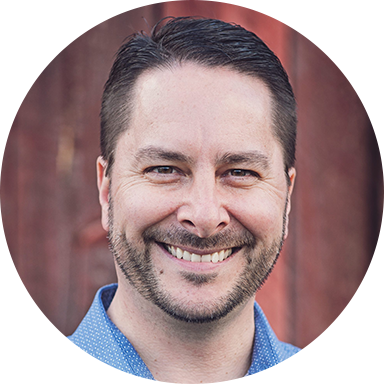
Paul A. Aitken

Paul A. Aitken grew up in Canada and has established himself as a versatile musician working across composition, conducting, and music leadership. As Director of Music & Worship Arts and Composer-in-Residence at the Cathedral of the Rockies in Boise, Idaho, he oversees more than twenty ensembles and manages a professional music staff. His breakthrough came early when "Flanders Fields" became the first-ever winner of the ACDA Brock Student Composition Competition, launching a career that now spans more than two decades and includes over 40 published works.

Aitken's credentials extend well beyond the composition studio. He has been commissioned by organizations including the American Guild of Organists, the State of Idaho, and the Boise Philharmonic Master Chorale. His conducting debut at Carnegie Hall in 2010 featured his major choral work "And None Shall Be Afraid" performed with 200 singers and the New England Symphonic Ensemble. He holds degrees from the University of Western Ontario, Southern Illinois University at Carbondale, and the University of Oklahoma, and has served ACDA at state, division, and national levels, including as National Chair of Music in Worship.

Why we love this

This piece carries genuine historical weight as a competition-winning work that has endured precisely because Aitken's setting honors McCrae's text without sentimentality. The availability of multiple voicings (mixed, women's, and men's choirs) means you can program it across your festival season or use it as a anchor for different ensemble combinations without repeating repertoire. The a cappella format and literary-grade text make this work equally at home in a concert of patriotic music or as part of a more thoughtful, thematic programming.

What to expect

Aitken's arrangement carries a contemplative, respectful tone that lets McCrae's words settle rather than overwhelm. The a cappella setting creates an intimate acoustic space where the choir's voices become both instrument and vehicle for reflection on memory and loss.

Who it's for

Directors programming choral octavos for men's or mixed choirs who want substantive repertoire with literary merit and historical resonance. This setting works well for intermediate to advanced ensembles that have secure intonation and are ready to tackle longer-form, text-driven work with emotional depth.

How to get the most out of it

  • Pay close attention to how Aitken structures the poem's emotional arc across the full score; the climactic moments often arrive where singers least expect them, so mark these carefully in rehearsal.
  • Balance the lower voices with restraint rather than weight; the TTTBBBB voicing can sound heavy if the basses and tenors aren't singing with clarity and intention.
  • Approach the text as a meditation on sacrifice, not a march; tempo should feel inevitable rather than driven, allowing each phrase room to breathe.
  • Use the 20-page score to locate all divisi sections early and plan your sectional work accordingly; some voicing splits require careful attention to ensure both lines are heard equally.

How to use it

Program this during Veterans Day or Memorial Day concerts as a centerpiece piece that will command attention and silence from the audience. It also pairs naturally with other secular choral literature addressing war, sacrifice, or historical themes, allowing you to build a thematic concert around literature and social history.

Skills your students will build

  • Singing a cappella with clear intonation across extended passages
  • Managing multiple concurrent divisi sections in the TTTBBBB voicing
  • Interpreting a complex literary text with nuance and emotional awareness
  • Blending diverse vowel sounds across seven voice parts
  • Sustaining long phrases with consistent support and tone quality

You May Also Like