
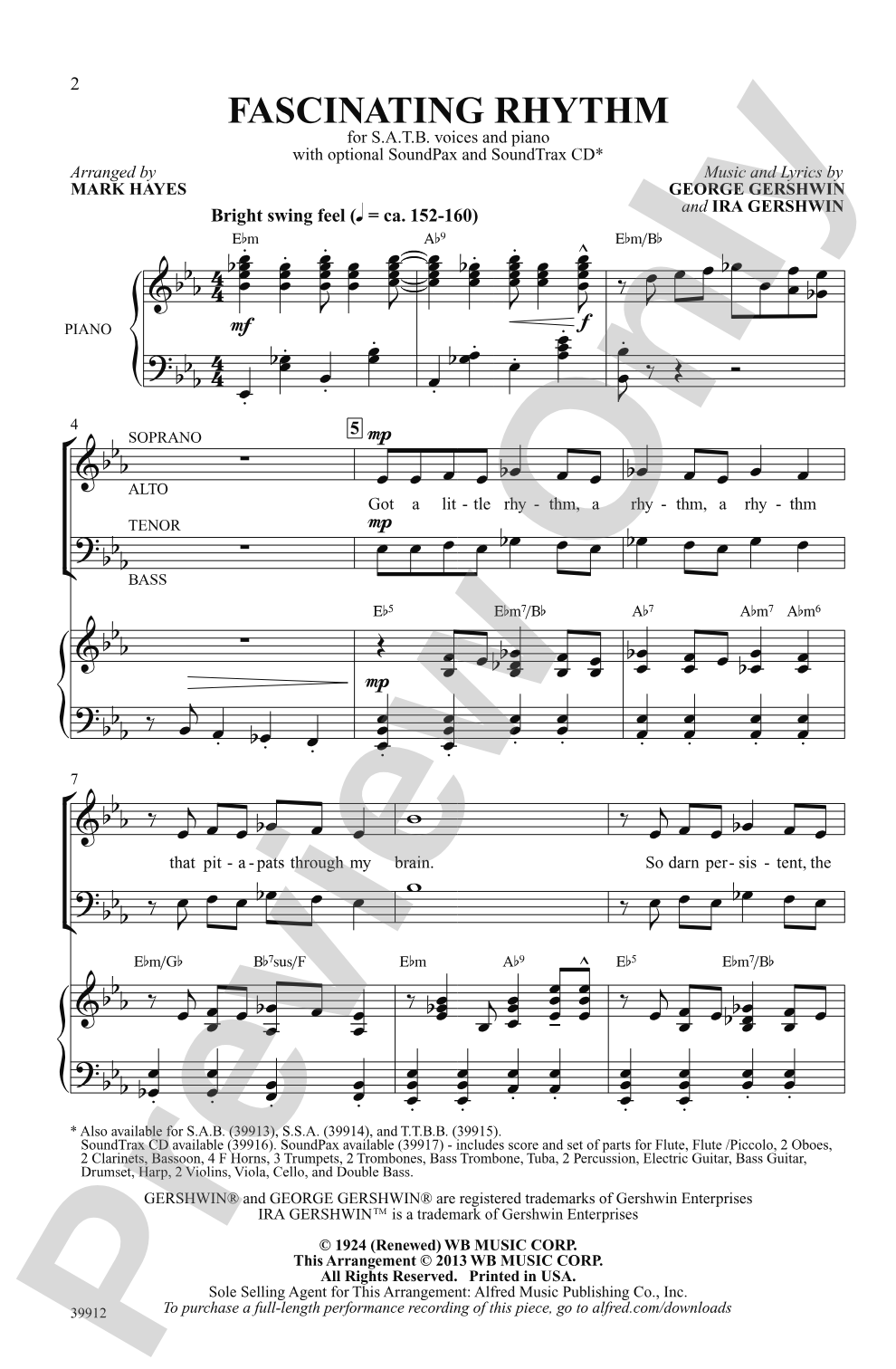
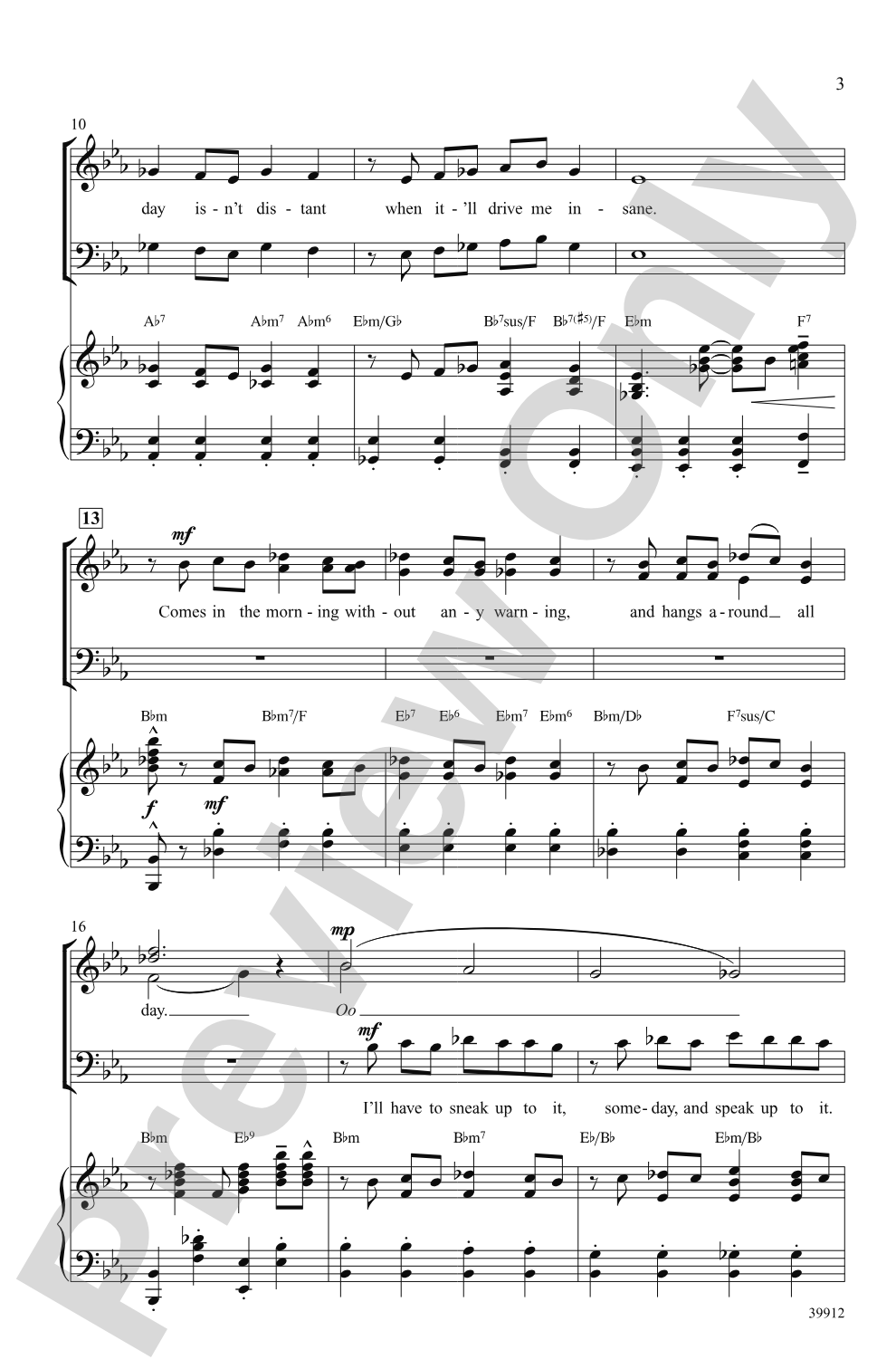
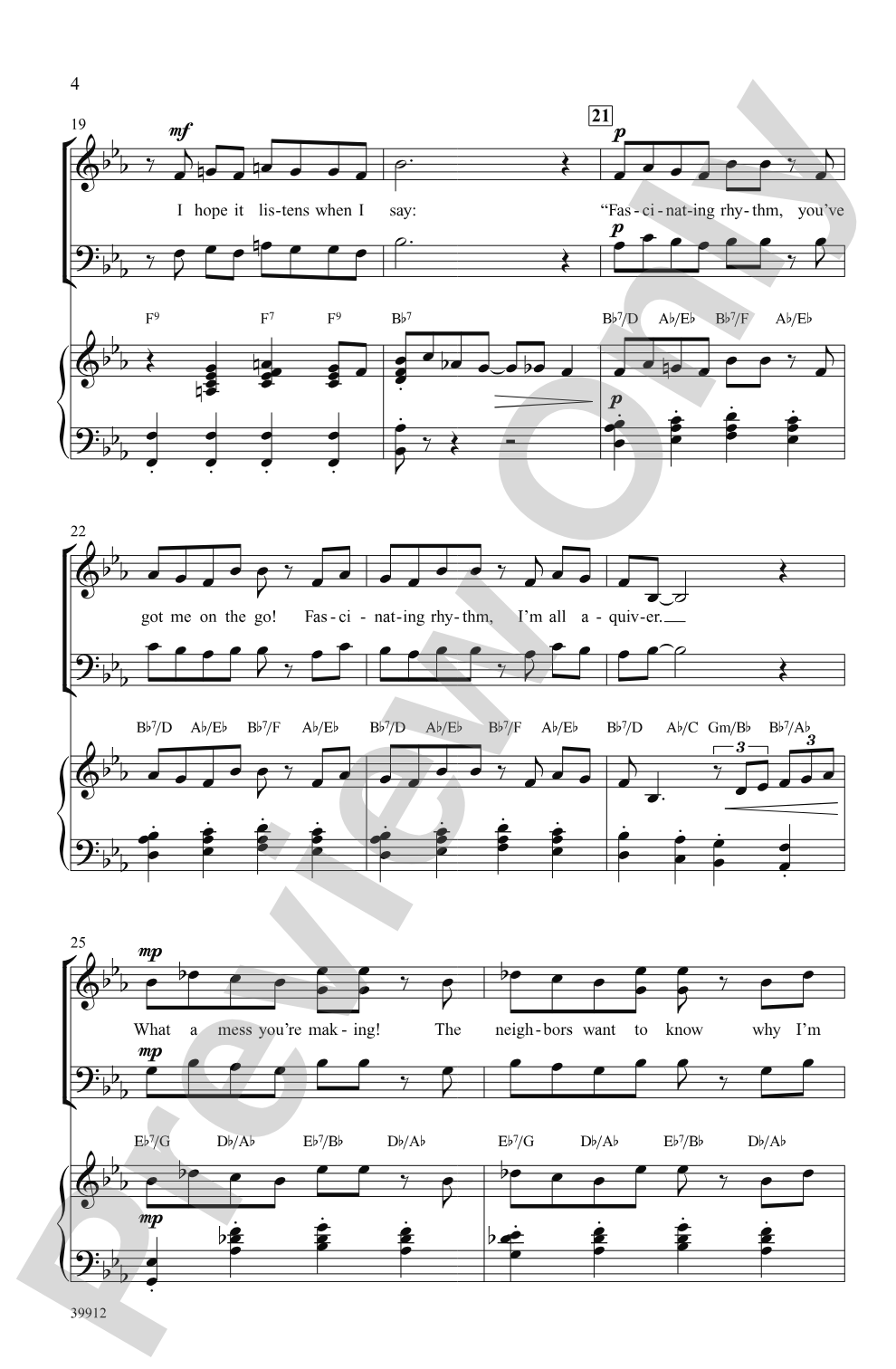

Fascinating Rhythm: SATB Choral Octavo
Music and lyrics by George Gershwin and Ira Gershwin / arr. Mark Hayes
Item: 00-PO-0001696

$2.10
Minimum order quantity: 10 copies
Please note: Under U.S. copyright law, you must purchase the exact number of copies needed for your ensemble. Printing, duplicating or sharing additional copies is strictly prohibited.
One moment…
Related Items
Fascinating Rhythm: SoundTrax Digital Audio Download |
$27.99
|
View | |
Fascinating Rhythm: SAB Choral Octavo |
$1.90
|
View | |
Fascinating Rhythm: SSA Choral Octavo |
$1.90
|
View | |
Fascinating Rhythm: TTBB Choral Octavo |
$1.90
|
View | |
Fascinating Rhythm: Choral SoundPax |
$60.00
|
View | |
Fascinating Rhythm: SATB Choral Octavo |
$2.10
|
View | |
Fascinating Rhythm: SAB Choral Octavo |
$1.90
|
View | |
Fascinating Rhythm: SSA Choral Octavo |
$1.90
|
View | |
Fascinating Rhythm: TTBB Choral Octavo |
$1.90
|
View | |
Fascinating Rhythm: Choral Octavo SoundTrax CD |
$27.99
|
View |
Description
First introduced in the Broadway musical Lady Be Good, this Gershwin hit has been covered by Rosemary Clooney, Michael Feinstein, The Four Tops, and many more. Mark's exciting arrangement effectively includes everything from Latin rhythm to Swing!


Don't just read it, hear it, play along with it, and watch your students grow with it. In MakeMusic Cloud, Fascinating Rhythm: SATB Choral Octavo comes alive with professional accompaniment, adjustable tempo, and built-in practice tools that turn solo practice into real progress.
Open in the Player
Jump straight in and assign it today.
Start Your Free Trial
Open this title and explore the full library in minutes.
Sample Audio
1
Audio File
--:--
0:00
0:00
Sample Video
No sample videos found.
Additional Details
Series:
Alfred Pop Choral Series
Publisher:
Alfred Music
Page Count:
12
SKU:
00-PO-0001696
More about this title
About the Composer: George Gershwin
George Gershwin (1898-1937) bridged classical and popular music with a sophistication that made both audiences feel they were hearing something genuinely new. His gift for melody, harmonic innovation, and rhythmic vitality transformed American popular song into art song, proving that Broadway and concert hall ambitions weren't mutually exclusive. His influence on music education extends far beyond his own lifetime; his works remain central to understanding 20th-century American composition.
Ira Gershwin, George's lyricist brother, paired his brother's melodies with wit, conversational ease, and structural precision that made every song feel inevitable yet surprising. Together they created a body of work that rewards both casual listening and deep musical analysis, making their collaborations ideal for choral programming at every level.
Why we love this
Mark Hayes' arrangement captures what makes this standard endure without smoothing away its harmonic spice or rhythmic surprise. The mix of Latin and Swing idioms keeps the ensemble engaged and gives singers a genuine reason to listen to each other across parts. This is a piece that sounds both familiar and fresh, which means audiences arrive ready to enjoy themselves.
What to expect
Infectious energy wrapped in clever writing. The piece bounces between Latin swagger and Jazz-inflected Swing, with moments of genuine harmonic color that remind you this came from a composer who studied seriously. Singers feel the joy of being part of something rhythmically propulsive and harmonically interesting at once.
Who it's for
Intermediate to advanced SATB choirs with confident singers who can handle rhythmic independence and quick style shifts. This works equally well for concert choirs, show choirs, and festival competition programs seeking repertoire that pleases audiences while respecting the singers' musicianship.
How to get the most out of it
- Clarify the Latin rhythm section in early rehearsals by having percussion and bass lock in first; the ensemble will find their groove faster when the foundation is unmistakable.
- Protect the brightness of the text setting, especially in the Swing sections, where crisp consonants and energetic vowels prevent the piece from sounding overwrought.
- Bring out the inner voices (alto and tenor countermelodies) in the arrangement; Hayes has written them as active conversation partners, not filler.
- Use the recorded accompaniment strategically in rehearsals to establish tempo and style, then gradually withdraw it so the choir builds confidence in their own rhythmic independence.
How to use it
Program this as the closer on a pop standards concert, where it can cap an evening with celebration and send audiences out energized. It also pairs beautifully within a "Jazz and Broadway" themed concert, positioned alongside other Gershwin works or contemporaries like Cole Porter and Richard Rodgers.
Skills your students will build
- Rhythmic independence within Swing and Latin feels
- Harmonic awareness across four-part writing
- Quick style transitions and musical flexibility
- Text clarity and consonant articulation at tempo
- Listening to inner voices and supporting countermelodies