Equality Cover Image

Equality: Choral Octavo SoundTrax CD

$29.99 USD
Sale price  $29.99 USD Regular price 
Skip to product information
Equality Cover Image

Equality: Choral Octavo SoundTrax CD

From Like Dust I Rise (A Choral Song Cycle)

Text by Maya Angelou, music by Mark Hayes

Item: 00-46422

$29.99
Shipped

One moment…

Description
This contemporary gospel-style rouser denounces oppression and serves as a choral anthem for equal rights. A confident solo voice helps deliver a determined message in the unwavering words of Maya Angelou. If performing as a set, an alternate ending segues directly into the closing movement of "Like Dust I Rise." When performing separately, Mark Hayes includes an upward modulation that propels us to the final, most spirited refrain.

Equality: Choral Octavo SoundTrax CD isn't in MakeMusic Cloud just yet...but it could be. Let us know you'd like to see it, and you'll help shape what comes next. In the meantime, start a free trial and dive into thousands of interactive titles your students can play along with today.

Sample Pages

No sample pages found.

Sample Audio

SATB Recording

0:00
0:00
Sample Video
Additional Details
Series: Alfred Choral Designs
Publisher: Alfred Music
UPC: 038081528014
SKU: 00-46422

More about this title

About the Composer: Mark Hayes
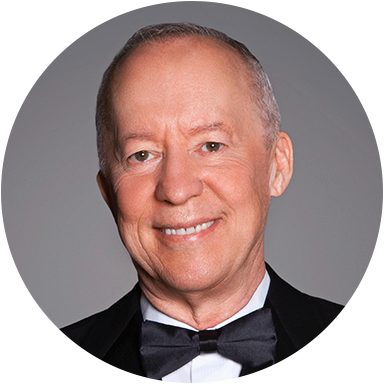
Mark Hayes

Mark Hayes has established himself as one of today's most prolific composers, with over 1,750 published works spanning concert music, choral pieces, and theatrical scores. A summa cum laude graduate in Piano Performance from Baylor University, he has conducted at Lincoln Center, the National Cathedral, and Carnegie Hall, and his sacred and secular works have been performed worldwide. His Requiem premiered at Lincoln Center in 2013 and was later performed at St. Ignatius Basilica in Rome as part of a Vatican-sponsored festival.

Beyond his conducting and composing career, Hayes is deeply invested in music education and theatrical composition. He orchestrated the musical Madame Buttermilk and arranged music for other theatrical works, while maintaining a catalog of over 100 published piano books that reflect his versatility across gospel, classical, jazz, and Broadway styles. In 2010, Baylor University recognized his contributions to Christian music with an Award for Exemplary Leadership, cementing his influence across multiple genres and educational contexts.

Why we love this

Hayes crafts this piece with a backbone of genuine conviction, using Maya Angelou's words to anchor the message rather than rely on musical bombast alone. The solo voice carries real weight in this arrangement, allowing your strongest singer to become part of the choir's statement rather than standing apart from it. The included modulation for standalone performance shows practical artistry; it's the kind of detail that transforms an already meaningful piece into something that builds to genuine catharsis.

What to expect

Urgent and grounded. The gospel idiom gives the piece rhythmic energy and forward motion, but Hayes keeps it from feeling lightweight through his harmonic choices and the weight he places on the soloist's voice. There's a sense of voices gathering behind a conviction rather than voices celebrating a victory already won.

Who it's for

Any choir looking to program meaningful contemporary gospel with substance beyond the style. This works for high school and college ensembles that can handle the emotional weight of the text and the ensemble demands of gospel-influenced writing.

How to get the most out of it

  • Balance the solo voice so it speaks clearly without overwhelming the ensemble. The power of this piece depends on the solo feeling like it belongs within the larger choir, not above it.
  • Shape the text with intention. Hayes sets Angelou's words to music, but the poem's rhythms and emphasis matter as much as the notes you're singing.
  • If you're performing the alternate ending to connect with 'Like Dust I Rise,' mark those transition points in rehearsal early and drill them separately before combining pieces.
  • The modulation at the close (in standalone performance) should feel earned, not sudden. Prepare your singers for the key shift by managing dynamics in the final refrain so the lift reads as climactic rather than jarring.

How to use it

Open a concert that addresses social justice or contemporary issues; this piece will set a serious, purposeful tone that elevates everything that follows. If programming as a triptych with 'Like Dust I Rise' and other related works, the alternate ending makes it an ideal bridge between movements. It also stands alone effectively as a concert closer, particularly when you want to leave the audience with something unresolved and call-to-action-oriented rather than triumphant.

Skills your students will build

  • Singing with stylistic authenticity in gospel-influenced idioms
  • Ensemble balance when a featured soloist is integrated into choral texture
  • Text interpretation and expressive delivery of contemporary poetry
  • Managing harmonic complexity within a rhythmically driven arrangement
  • Transitioning between tonal centers (modulation in the final section)

You May Also Like