Carol of the Star Cover Image

Carol of the Star: TTB Choral Octavo

$1.85 USD
Sale price  $1.85 USD Regular price 
Skip to product information
Carol of the Star Cover Image

Carol of the Star: TTB Choral Octavo

Words and music by Donald Moore

Item: 00-39802

makemusic Cloud badge

Need it now?

Buy Digital Version
$1.85
Shipped

One moment…

Description
Now men's choirs can enjoy this expressive original carol in three parts with an optional fourth at cadences. One Latin phrase provides an elegant refrain in this distinctive selection for Christmas concerts and services.

Don't just read it, hear it, play along with it, and watch your students grow with it. In MakeMusic Cloud, Carol of the Star: TTB Choral Octavo comes alive with professional accompaniment, adjustable tempo, and built-in practice tools that turn solo practice into real progress.

Sample Pages

Sample Audio
0:00
0:00
Sample Video
Additional Details
Series: Alfred Choral Designs
Publisher: Alfred Music
Page Count: 12
UPC: 038081444635
SKU: 00-39802

More about this title

About the Composer: Donald Moore
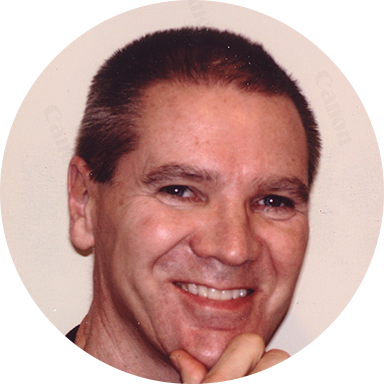
Donald Moore

Donald Moore earned degrees in organ performance and music education from Kent State University and has built a prolific compositional career spanning sacred, secular, and educational genres. His catalog exceeds 500 published works distributed through major publishers including Alfred Music, Hal Leonard, and Heritage Music Press, and his compositions are regular fixtures at state and regional festivals. He serves as Organist-Choirmaster at Pilgrim United Church of Christ in Cuyahoga Falls, Ohio, and has received seventeen ASCAP Composers Standard Awards. The American Choral Directors Association recognized him among 400 historically significant American choral composers.

Why we love this

Moore crafts a genuinely singable carol that gives men's voices real expression without requiring four-part writing throughout. The optional fourth part at cadences feels organic rather than tacked on, and a Latin refrain adds liturgical weight and textural variety to what could otherwise be a straightforward Christmas selection. Programming this piece signals intention: you're offering your ensemble something with musical substance alongside seasonal appeal.

What to expect

The piece balances seasonal warmth with quiet dignity. Moore's writing allows the carol to breathe without becoming mannered, and the Latin refrain introduces a moment of contemplative calm that distinguishes it from more familiar Christmas fare. The optional fourth part feels like a gentle expansion rather than a structural necessity.

Who it's for

Directors leading men's choirs, church music programs, or male-voice ensembles seeking repertoire with both accessibility and musical integrity. This works equally well for collegiate men's groups, community choirs specializing in male voices, and church services where a three-part men's voicing is standard.

How to get the most out of it

  • Shape the Latin refrain as a moment of repose by pulling back the tempo slightly and allowing breath space around the phrases; this contrast will make it landing point rather than interruption.
  • Balance the TTB writing by ensuring the first tenor line doesn't overshadow the baritone foundation, particularly in passages where the melody sits in a higher register.
  • When the optional fourth part enters at cadences, treat it as genuine harmonic completion rather than filler; singers should feel its presence strengthens the resolution.

How to use it

Pair this with another carol featuring treble or mixed voices to create a balanced holiday concert set, or use it in a Christmas service where a men's choir number provides textural variety within a larger liturgical context. The optional TTBB voicing at cadences makes it flexible enough to work either as a men's ensemble piece or with a few additional singers joining for the final measures.

Skills your students will build

  • Singing in three-part men's voicing with secure part independence
  • Balancing melody and harmonic foundation in narrower vocal ranges
  • Shaping phrases around Latin text with proper diction and phrasing
  • Adding and releasing an optional vocal part cleanly at structural moments

You May Also Like
