Bethlehem Spiritual Cover Image

Bethlehem Spiritual: TTBB, <I>a cappella</I> Choral Octavo

$1.85 USD
Sale price  $1.85 USD Regular price 
Skip to product information
Bethlehem Spiritual Cover Image

Bethlehem Spiritual: TTBB, a cappella Choral Octavo

Words and music by Donald Moore

Item: 00-41647

makemusic Cloud badge

Need it now?

Buy Digital Version
$1.85
Shipped

One moment…

Description
The guys in your choir will shine singing this a cappella original that sounds like a traditional spiritual. Opens with a syncopated ostinato, adds a compelling minor-key melody, and expands into full four-part harmony. Gradually, voice parts disappear one by one, fading to the end. Newly Available for TTBB. This title is available in Music Prodigy.

Don't just read it, hear it, play along with it, and watch your students grow with it. In MakeMusic Cloud, Bethlehem Spiritual: TTBB, a cappella Choral Octavo comes alive with professional accompaniment, adjustable tempo, and built-in practice tools that turn solo practice into real progress.

Sample Pages

Sample Audio
0:00
0:00
Sample Video
Additional Details
Series: Alfred Choral Designs
Publisher: Alfred Music
Page Count: 8
UPC: 038081467276
SKU: 00-41647

More about this title

About the Composer: Donald Moore
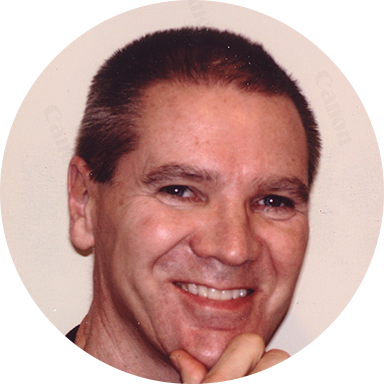
Donald Moore

Donald Moore earned his Bachelor of Music in organ performance and Master of Arts in Teaching from Kent State University. He currently serves as Organist-Choirmaster at Pilgrim United Church of Christ in Cuyahoga Falls, Ohio, and has established himself as a prolific composer and arranger with more than 500 works published across Alfred Music, Hal Leonard, Heritage Music Press, and other major publishers.

Moore's compositions span sacred, secular, educational, and pop choral repertoire, along with organ and piano works and instructional books. His music appears regularly at state contests and festivals and has been featured at state, regional, national, and international conventions. He is a seventeen-time recipient of the ASCAP Composers Standard Award and was recognized by the American Choral Directors Association as one of 400 elite composers of significance in American choral music history.

Why we love this

Moore captures the authentic spirit of a spiritual while maintaining contemporary compositional craft. The syncopated ostinato opening immediately engages singers and listeners alike, and the minor-key melody carries genuine emotional weight without sacrificing accessibility for a men's voice section. The gradual reduction to silence creates a striking dramatic arc that leaves your audience with something memorable.

What to expect

The piece opens with rhythmic energy and momentum, then deepens into a reflective minor-key meditation that feels rooted in spiritual tradition. By the final measures, as voices gradually withdraw into silence, the piece becomes intimate and contemplative, leaving singers and audience in a moment of quiet reflection.

Who it's for

Men's choirs and TTBB ensembles seeking substantial repertoire beyond arrangements of traditional spirituals. Directors who want their tenors and basses to feel featured in a piece with genuine musical substance and built-in dramatic interest.

How to get the most out of it

  • Lock the rhythmic ostinato in the opening section before adding melody; the syncopation will feel secure only when the foundation is rock solid.
  • Shape the minor-key melody with gentle dynamics; let the inherent poignancy speak rather than overselling the minor tonality.
  • Coordinate the voice part drop-outs carefully during the fade-out section so they feel intentional and controlled rather than accidental.

How to use it

This works beautifully as a standalone sacred offering in a holiday concert or as a closing piece in a program centered on spirituals and African American choral traditions. Its dramatic arch also makes it effective as a transition from more energetic repertoire into a reflective final section.

Skills your students will build

  • Maintaining rhythmic independence while supporting a syncopated ostinato
  • Singing accurate intonation in a cappella minor-key contexts
  • Balancing four-part harmony with clear voice leading and blend
  • Managing gradual dynamic reduction and ensemble cutoffs

You May Also Like
