

Bethlehem Spiritual: SSAB, a cappella Choral Octavo
Words and music by Donald Moore
Item: 00-PO-0000014
$2.25
Minimum order quantity: 20 copies
Pickup currently not available
Related Items
Bethlehem Spiritual: SATB, a cappella Choral Octavo |
$2.05
|
View | |
Bethlehem Spiritual: TTBB, a cappella Choral Octavo |
$1.85
|
View | |
Bethlehem Spiritual: SATB, a cappella Choral Octavo |
$2.05
|
View | |
Bethlehem Spiritual: SSAB, a cappella Choral Octavo |
$2.25
|
View | |
Bethlehem Spiritual: TTBB, a cappella Choral Octavo |
$1.85
|
View |
Description
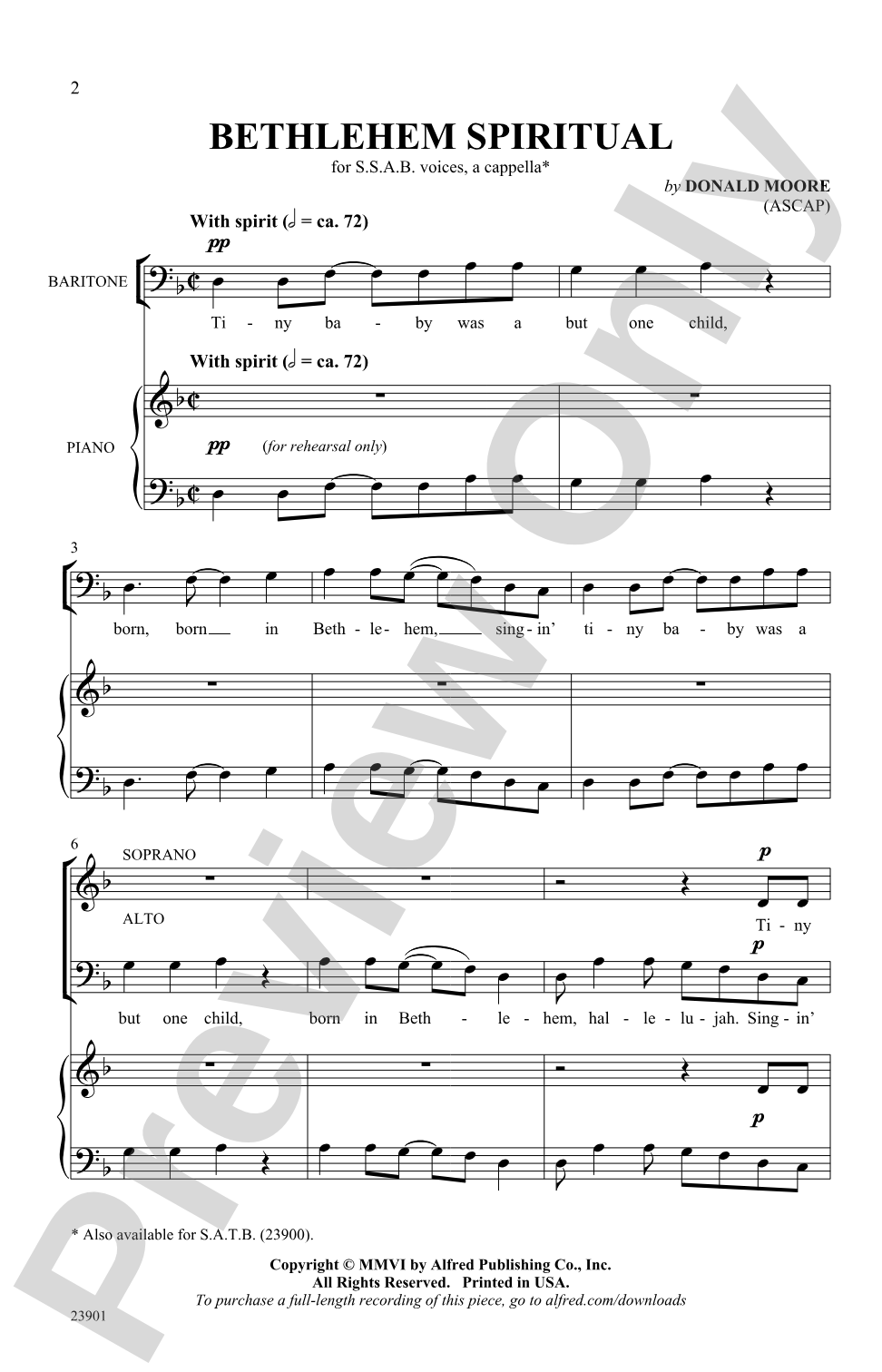
The guys in your choir will shine singing this a cappella original that sounds like a traditional spiritual. Opens with a syncopated ostinato, adds a compelling minor-key melody, and expands into full four-part harmony. Gradually, voice parts disappear one by one, fading to the end. Newly Available for TTBB.


Bethlehem Spiritual: SSAB, a cappella Choral Octavo isn't in MakeMusic Cloud just yet...but it could be. Let us know you'd like to see it, and you'll help shape what comes next. In the meantime, start a free trial and dive into thousands of interactive titles your students can play along with today.
Request This Title
Tell us you want it.
Start Your Free Trial
Explore everything that's ready to play right now.
Sample Audio
1
Audio File
--:--
0:00
0:00
Sample Video
No sample videos found.
Additional Details
Series:
Alfred Archive Edition: Alfred Choral Designs
Publisher:
Alfred Music
Page Count:
12
SKU:
00-PO-0000014
More about this title
About the Composer: Donald Moore
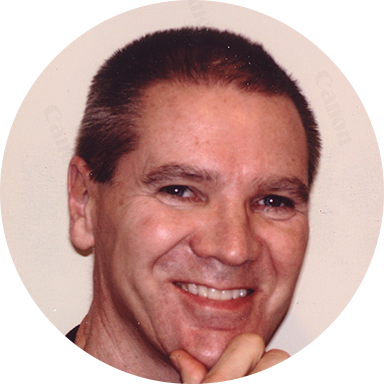
Donald Moore studied organ performance at Kent State University and earned a Master of Arts in Teaching from the same institution. He has served as Organist-Choirmaster at Pilgrim United Church of Christ in Cuyahoga Falls, Ohio, and maintains an active career as a composer and arranger with over 500 works published across major houses including Alfred Music, Hal Leonard, and Heritage Music Press.
Moore's output spans sacred and secular choral music, educational collections, organ and piano works, and instructional texts. His compositions appear regularly at state contests and regional festivals, and he has received seventeen ASCAP Composers Standard Awards. The American Choral Directors Association recognized him in their Choral Journal as one of 400 significant figures in American choral music history.
Why we love this
Moore writes with the choir director's ear. This piece gives your lower voices genuine musicality from the start, launching with a syncopated ostinato that sits naturally in the male range while creating forward momentum without bombast. The gradual reduction of voice parts toward the end is a compositional choice that feels both sophisticated and achievable, teaching singers how to sustain tone and blend when fewer voices carry the line.
What to expect
The syncopated opening immediately establishes forward momentum and a slight blues feel, catching listeners' attention before the minor-key melody enters with contemplative weight. As the piece expands into full harmony, the sound becomes rich and grounded; then the gradual stripping away of voices creates an almost meditative quality, leaving the final phrase exposed and vulnerable.
Who it's for
Mixed choirs with at least four strong singers per part will get the most from this piece, though the SSAB voicing makes it accessible to ensembles with limited baritone depth. Directors looking for a spiritual that sounds traditional but offers compositional originality will find a genuine original here, not an arrangement of a folk tune.
How to get the most out of it
- Lock the ostinato pattern in unison before layering in the melody. Even though it's syncopated, precision here makes everything that follows land cleanly.
- Balance the minor-key melody against the accompanying parts by having soloists or small groups sing the tune while others provide texture underneath, then gradually involve more singers as confidence grows.
- In the final section where voices drop away one by one, rehearse the exits deliberately so singers understand exactly when they stop. Mark these moments clearly in scores to prevent accidental early cutoffs.
- Shape the dynamic arch across the piece so that the gradual reduction feels intentional rather than like the performance is falling apart. The last voice standing should have clear support from your conducting.
How to use it
Pair this with instrumental spirituals or traditional arrangements to create a small concert within your concert, or use it as a contemporary anchor in a holiday program that mixes classical and modern sacred works. The a cappella format and moderate length make it ideal for a processional moment or a closing gesture before intermission.
Skills your students will build
- Syncopated rhythm reading and performance in an a cappella context
- Blend and intonation in minor-key four-part harmony
- Sustaining tone when vocal texture thins and individual voices become exposed
- Stylistic nuance of spiritual idiom without relying on folk-song templates
- Precise ensemble entrances and exits in a continuous musical line