And So We Sing Cover Image

And So We Sing: TTBB Choral Octavo

$2.50 USD
Sale price  $2.50 USD Regular price 
Skip to product information
And So We Sing Cover Image

And So We Sing: TTBB Choral Octavo

Words and music by Mark Hayes

Item: 00-52166

Need it now?

Buy Digital Version
$2.50
Shipped

One moment…

Description
New voicing! Here's a grand celebration of music from esteemed contemporary composer Mark Hayes. Effective as an opener, closer, concert theme, graduation, festival, or combined choir feature, this powerhouse piece will be a high point no matter where it falls in the program! A virtuosic piano part supports full choral harmonies as the dramatic form unfolds.

And So We Sing: TTBB Choral Octavo isn't in MakeMusic Cloud just yet...but it could be. Let us know you'd like to see it, and you'll help shape what comes next. In the meantime, start a free trial and dive into thousands of interactive titles your students can play along with today.

Sample Pages

Sample Audio
0:00
0:00
Sample Video
Additional Details
Series: Alfred Choral Designs
Publisher: Alfred Music
Page Count: 12
UPC: 038081616087
SKU: 00-52166

More about this title

About the Composer: Mark Hayes
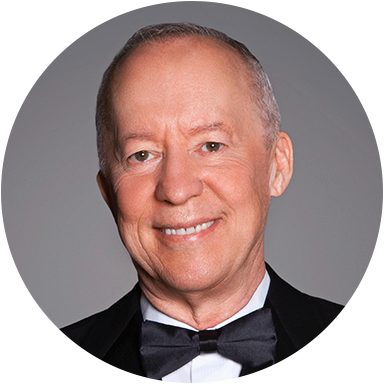
Mark Hayes

Mark Hayes has built a distinguished career as a concert pianist, composer, and conductor whose output spans over 1,750 published works across sacred and secular genres. Trained at Baylor University with a degree summa cum laude in Piano Performance, he has guest conducted at major venues including Lincoln Center, the National Cathedral, and Carnegie Hall, premiering landmark works like his Requiem at Lincoln Center in 2013 and conducting subsequent performances at St. Ignatius Basilica in Rome as part of the Vatican-sponsored Festival Pro Musica E Arte Sacra.

Beyond his choral and orchestral achievements, Hayes is prolific in keyboard music with over 100 piano books spanning gospel, classical, jazz, and Broadway idioms. His work extends to musical theater and film, including orchestration for the musical Madame Buttermilk and the score for Civil War Voices, which earned six awards at the Midtown International Theatre Festival. Baylor University honored him in 2010 with the Award for Exemplary Leadership in Christian Music, recognizing his sustained impact on music education and composition.

Why we love this

Hayes brings the craft of an accomplished pianist and conductor directly into the voicing and accompaniment; the virtuosic piano part isn't decoration but a full collaborative voice that elevates the choral writing. The flexible voicing options (TTBB, TTB, TBB, TB) mean you can program this with your actual singers, whether you're working with a single quartet or a full ensemble, without compromise to the musical impact.

What to expect

The piece radiates celebration and forward motion, with Hayes's trademark harmonic clarity allowing each voice line to remain distinct even as they build into rich sonorities. The piano writing crackles with energy and gives the whole ensemble a sense of occasion, making singers feel supported and amplified rather than exposed.

Who it's for

Men's choirs and mixed ensembles working at an intermediate to advanced level will find this piece immediately accessible yet musically substantial. Directors seeking a bold opener, emotional closer, or festival showcase will appreciate Hayes's gift for combining singable lines with genuine dramatic weight.

How to get the most out of it

  • Balance the lower voice parts against the piano's density; lower voices tend to get swallowed in the richer sections, so encourage them to sing with confidence without forcing tone.
  • Work the dramatic arc carefully in rehearsal by mapping the form's turning points and having singers mark where energy builds or pulls back; this prevents the piece from feeling like one long push.
  • Coordinate closely with your pianist on tempo flexibility during transitions; Hayes often uses the piano to shape phrase endings, and slight give-and-take here sounds intentional rather than loose.
  • Lock the final cadence with a clear conductor gesture at least a week before performance; the TTBB voicing can blur at the end if parts aren't unified on rhythm and vowel.

How to use it

This works equally well anchoring the opening of a concert (the energy grabs attention immediately) or closing one with a grand gesture of affirmation. It pairs naturally with other contemporary choral music and provides an excellent festival or combined-choir feature when you want something that sounds substantial without requiring a large vocal ensemble.

Skills your students will build

  • Balancing individual voice lines within thick harmonic textures
  • Responding to dynamic shapes that change frequently across phrases
  • Sustaining focus and ensemble unity across a dramatic formal arc
  • Coordinating with a complex accompaniment that supports but never doubles every voice

You May Also Like