And So We Sing Cover Image

And So We Sing: SAB Choral Octavo

$2.05 USD
Sale price  $2.05 USD Regular price 
Skip to product information
And So We Sing Cover Image

And So We Sing: SAB Choral Octavo

Words and music by Mark Hayes

Item: 00-49697

makemusic Cloud badge

Need it now?

Buy Digital Version
$2.05
Shipped

One moment…

Description
Here's a grand celebration of music from esteemed contemporary composer Mark Hayes. Effective as an opener, closer, concert theme, graduation, festival or combined choir feature, this powerhouse piece will be a high point no matter where it falls in the program! A virtuosic piano part supports full choral harmonies as the dramatic form unfolds.

Don't just read it, hear it, play along with it, and watch your students grow with it. In MakeMusic Cloud, And So We Sing: SAB Choral Octavo comes alive with professional accompaniment, adjustable tempo, and built-in practice tools that turn solo practice into real progress.

Sample Pages

Sample Audio
0:00
0:00
Sample Video
Additional Details
Series: Alfred Choral Designs
Publisher: Alfred Music
Page Count: 12
UPC: 038081567846
SKU: 00-49697

More about this title

About the Composer: Mark Hayes
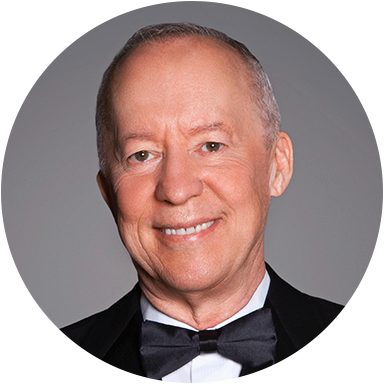
Mark Hayes

Mark Hayes is a prolific composer, pianist, and conductor whose output spans over 1,750 published works across sacred, secular, and theatrical genres. He earned his Bachelor of Music degree summa cum laude in Piano Performance from Baylor University in 1975 and has since become a fixture on the international conducting circuit, leading ensembles at Lincoln Center, the National Cathedral, and Carnegie Hall. His commissions and premieres include major works for ensembles across the globe, from his Requiem conducted at the Vatican to anniversary commissions for institutions in Hong Kong.

Hayes's distinctive voice emerges from his deep engagement with the piano; over 100 of his published works are written for solo piano, drawing from classical, gospel, jazz, and popular idioms. Beyond composition, he has orchestrated musicals, produced recordings, and shaped sacred and secular choral literature that appears regularly in concert programs and festivals. In 2010, Baylor University recognized his contributions to Christian music with the Award for Exemplary Leadership.

Why we love this

Mark Hayes has built his reputation on writing music that engages choirs completely, and this octavo delivers exactly that energy. The virtuosic piano part elevates the arrangement beyond standard accompaniment, giving the whole ensemble room to shine whether you're opening a concert or closing it.

What to expect

Grand and celebratory without bombast. The piece opens with momentum and unfolds through dramatic shifts, anchored by a driving piano part that gives the choral writing room to breathe and soar. Singers feel supported and lifted by the accompaniment rather than buried under it.

Who it's for

Directors programming SAB/3-part mixed choirs of intermediate ability and above. The piece works equally well for community choirs, high school/middle school ensembles with strong singers, and church or festival groups looking for a high-impact feature that sounds far more complex than it is to prepare.

How to get the most out of it

  • Balance the vocal lines against the active piano part by ensuring the singers sit forward in their chairs and project above the instrumental texture without straining.
  • Study the dramatic form with your section leaders before rehearsal so everyone understands where the piece builds and recedes; this will tighten ensemble response and shape.
  • If using recorded accompaniment, rehearse with it early and often so singers learn to lock into the tempo and piano voicings rather than fighting them.

How to use it

Its versatility makes it genuinely useful: open your concert with it to set an energetic tone, use it as a finale to send the audience out on a high, or slot it into the middle of a longer program as a combined choir feature. The substantial page count and dramatic arc also make it a natural choice for festival competition or a graduation ceremony where you need something that lands.

Skills your students will build

  • Singing above an active, complex piano accompaniment while maintaining vocal line independence
  • Responding to dramatic form changes across a longer piece (opener, development, climax, resolution)
  • Balancing part independence within SAB voicing, especially when the piano doubles or contrasts with the choir
  • Sight-reading at an intermediate to advanced level (12-page score with key changes and rhythmic complexity)

You May Also Like
