And So We Sing Cover Image

And So We Sing: 2-Part Choral Octavo

$2.05 USD
Sale price  $2.05 USD Regular price 
Skip to product information
And So We Sing Cover Image

And So We Sing: 2-Part Choral Octavo

Words and music by Mark Hayes

Item: 00-49698

makemusic Cloud badge

Need it now?

Buy Digital Version
$2.05
Shipped

One moment…

Description
Here's a grand celebration of music from esteemed contemporary composer Mark Hayes. Effective as an opener, closer, concert theme, graduation, festival or combined choir feature, this powerhouse piece will be a high point no matter where it falls in the program! A virtuosic piano part supports full choral harmonies as the dramatic form unfolds.

Don't just read it, hear it, play along with it, and watch your students grow with it. In MakeMusic Cloud, And So We Sing: 2-Part Choral Octavo comes alive with professional accompaniment, adjustable tempo, and built-in practice tools that turn solo practice into real progress.

Sample Pages

Sample Audio
0:00
0:00
Sample Video
Additional Details
Series: Alfred Choral Designs
Publisher: Alfred Music
Page Count: 12
UPC: 038081567853
SKU: 00-49698

More about this title

About the Composer: Mark Hayes
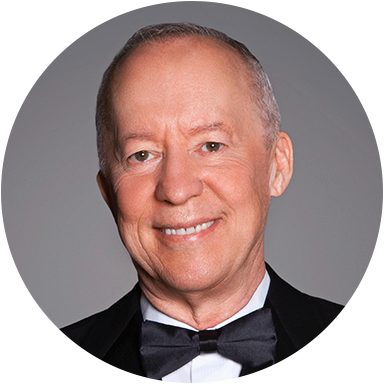
Mark Hayes

Mark Hayes stands among today's most prolific composers, with over 1,750 published works spanning concert music, choral literature, musical theater, and piano repertoire. Educated at Baylor University where he earned a Bachelor of Music degree summa cum laude in Piano Performance, Hayes has established himself as a sought-after conductor and guest artist at major venues including Lincoln Center, Carnegie Hall, and the National Cathedral, where his large-scale works like Te Deum, Magnificat, and Gloria have received world premieres and international performances.

Hayes's creative reach extends across multiple disciplines. He has orchestrated musical theater works, produced award-winning theatrical scores including Civil War Voices, and composed extensively for treble and mixed voices with orchestra. In 2010, Baylor University recognized his contributions to Christian music with the Award for Exemplary Leadership. Whether conducting his Requiem at St. Ignatius Basilica in Rome or composing at his home in Kansas City, Missouri, Hayes remains committed to creating music that serves performers and audiences of all levels.

Why we love this

Hayes crafts a piece that works equally well as a concert opener, closer, or standalone feature, giving you real programming flexibility across your season. The 2-part voicing keeps the arrangement accessible without sacrificing the dramatic sweep and harmonic richness that make this feel like a major work, and the virtuosic piano part ensures your accompanist stays engaged throughout.

What to expect

The piece radiates celebration and confidence, with Hayes's gift for memorable melody and harmonic color creating a sense of occasion. The virtuosic piano writing lifts the whole ensemble into something grander than the 2-part texture alone might suggest, giving singers the feeling they're part of something genuinely important.

Who it's for

This octavo suits choirs at the intermediate to advanced level who want a contemporary work with substance and theatrical impact. It works for high school and college choirs, community ensembles, and festival settings where you need something both musically sophisticated and immediately engaging.

How to get the most out of it

  • Shape the dynamic arc carefully so the piece builds toward its climax rather than peaking early; the piano part will help guide this trajectory if you follow its phrasing closely.
  • Balance treble and lower voices to ensure both parts project equally in performance spaces of any size, adjusting your seating if needed.
  • Take time in rehearsal to understand how the dramatic form unfolds section by section so singers grasp the piece's architecture rather than treating it as a collection of moments.
  • If a recorded accompaniment is available, use it strategically in early rehearsals to establish tempo and style, then gradually shift to working with your pianist.

How to use it

Use this as a concert anchor rather than filler: it commands enough musical weight and dramatic presence to serve as your opening or closing statement. You might also program it in a set celebrating contemporary composers or as a featured work at a festival where you want to showcase your ensemble's musicality and range.

Skills your students will build

  • Interpreting dramatic form and structural phrasing in contemporary composition
  • Balancing two distinct choral lines with equal clarity and projection
  • Responding to piano accompaniment that matches or exceeds the complexity of the vocal writing
  • Building vocal maturity through sustained phrases and expressive control

You May Also Like
