Amani Utupe Cover Image

Amani Utupe: 2-Part Choral Octavo

$2.05 USD
Sale price  $2.05 USD Regular price 
Skip to product information
Amani Utupe Cover Image

Amani Utupe: 2-Part Choral Octavo

(Swahili -- Grant Us Peace, Give Us Courage)

Music by Patsy Ford Simms

Item: 00-18696

makemusic Cloud badge
$2.05
Shipped

One moment…

Description
Here's an African-style piece which includes a combination of English and Swahili text: "As we travel down this weary road, amani utupe na ustawi." Outstanding SoundTrax has an African feel.

Don't just read it, hear it, play along with it, and watch your students grow with it. In MakeMusic Cloud, Amani Utupe: 2-Part Choral Octavo comes alive with professional accompaniment, adjustable tempo, and built-in practice tools that turn solo practice into real progress.

Sample Pages

Sample Audio
0:00
0:00
Sample Video
Additional Details
Series: Alfred Choral Designs
Publisher: Alfred Music
Page Count: 12
UPC: 038081173368
SKU: 00-18696

More about this title

About the Composer: Patsy Ford Simms
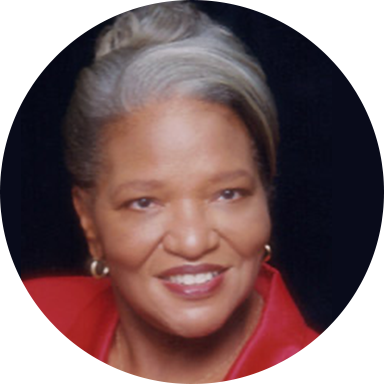
Patsy Ford Simms

Patsy Ford Simms began her composing and arranging career out of practical necessity: during her first decade of teaching middle school, she found a shortage of quality choral literature written for junior high voices. That experience shaped her trajectory as a prolific composer, with over 300 songs published since 1981 across educational and church markets through leading houses including Shawnee Press. She holds a Bachelor of Science in Music Education from Knoxville College, a Master of Education from the University of Louisville, and a doctorate in Music Education from Columbia Pacific University.

Over 30 years of classroom teaching in grades K-12 and at the Youth Performing Arts School informed her distinctive writing voice. Simms has established an international reputation as an arranger, composer, and clinician, presenting her work in Italy and Africa. She has received multiple ASCAP Special Music Awards, and two of her compositions were selected for MENC World's Largest Concerts. Her catalog includes commissioned works and short musicals exploring African American history.

Why we love this

Simms crafted this piece specifically with developing singers in mind, and it shows in every phrase. The blend of English and Swahili text creates an authentic multicultural experience while remaining singable for young voices, and the recorded accompaniment captures an infectious African feel that elevates the arrangement beyond typical educational fare.

What to expect

Rhythmically propulsive and warm, this piece invites singers to move with purpose. The interplay of English and Swahili text creates an immediate sense of place and meaning, while the African-inflected accompaniment gives the whole piece an uplifting, communal energy.

Who it's for

Middle school and early high school choirs seeking accessible yet culturally rich repertoire. The 2-part voicing works beautifully for developing singers while the movement and staging elements keep younger performers engaged in rehearsal and performance.

How to get the most out of it

  • Let the movement and staging suggestions in the score guide your choreography. Even simple gestures synchronized to the text will strengthen ensemble cohesion and deepen students' connection to the piece's meaning.
  • Listen repeatedly to the SoundTrax recording before rehearsal. The rhythmic drive and percussion textures will anchor how you shape the ensemble's phrasing and tempo.
  • Pronounce the Swahili text clearly with your singers during warmups. Clarity of language adds authenticity to the African-style arrangement and helps younger choirs own the cultural context.

How to use it

Program this on a concert exploring world music and cultural traditions, where it can anchor a thematic set or stand alone as a festival or competition selection. Its inherent appeal to middle school audiences also makes it excellent for educational community concerts where students can lead the movement elements.

Skills your students will build

  • Singing in a non-English language with accurate pronunciation and cultural awareness
  • Understanding and executing basic stage movement synchronized to music
  • Reading and performing African-style rhythmic patterns
  • Blending two-part harmony with stylistically appropriate tone and phrasing

You May Also Like
