
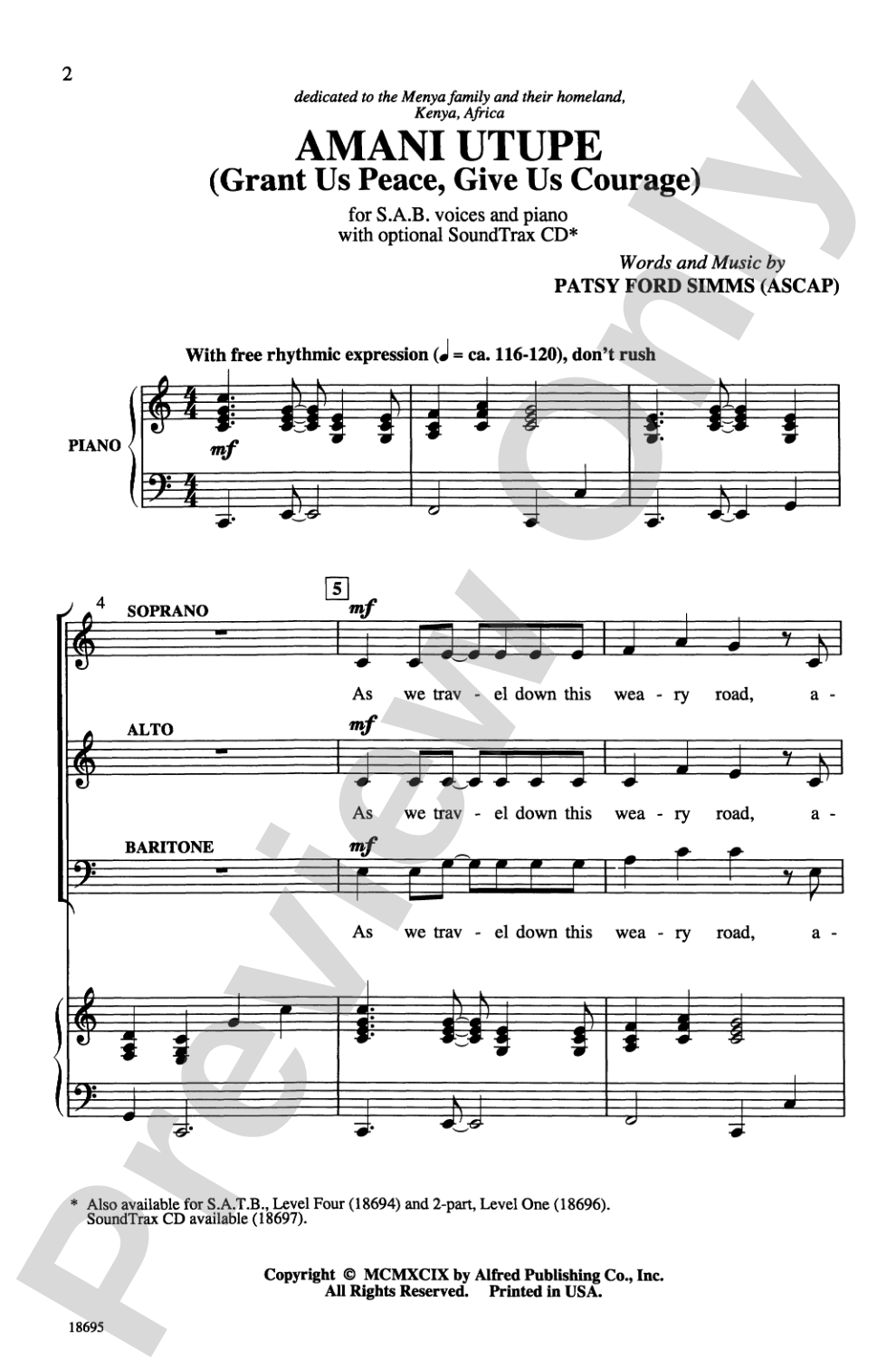
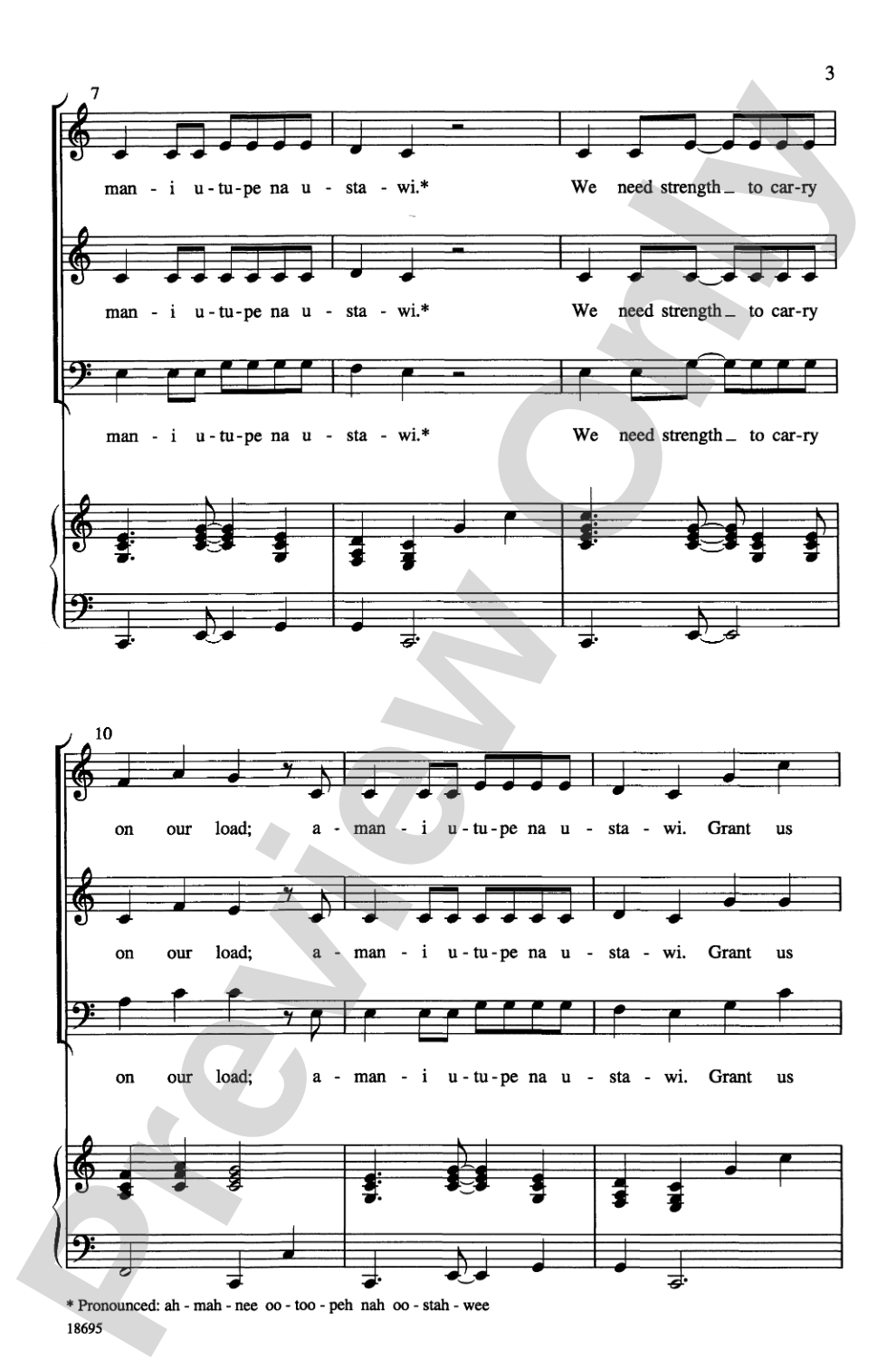
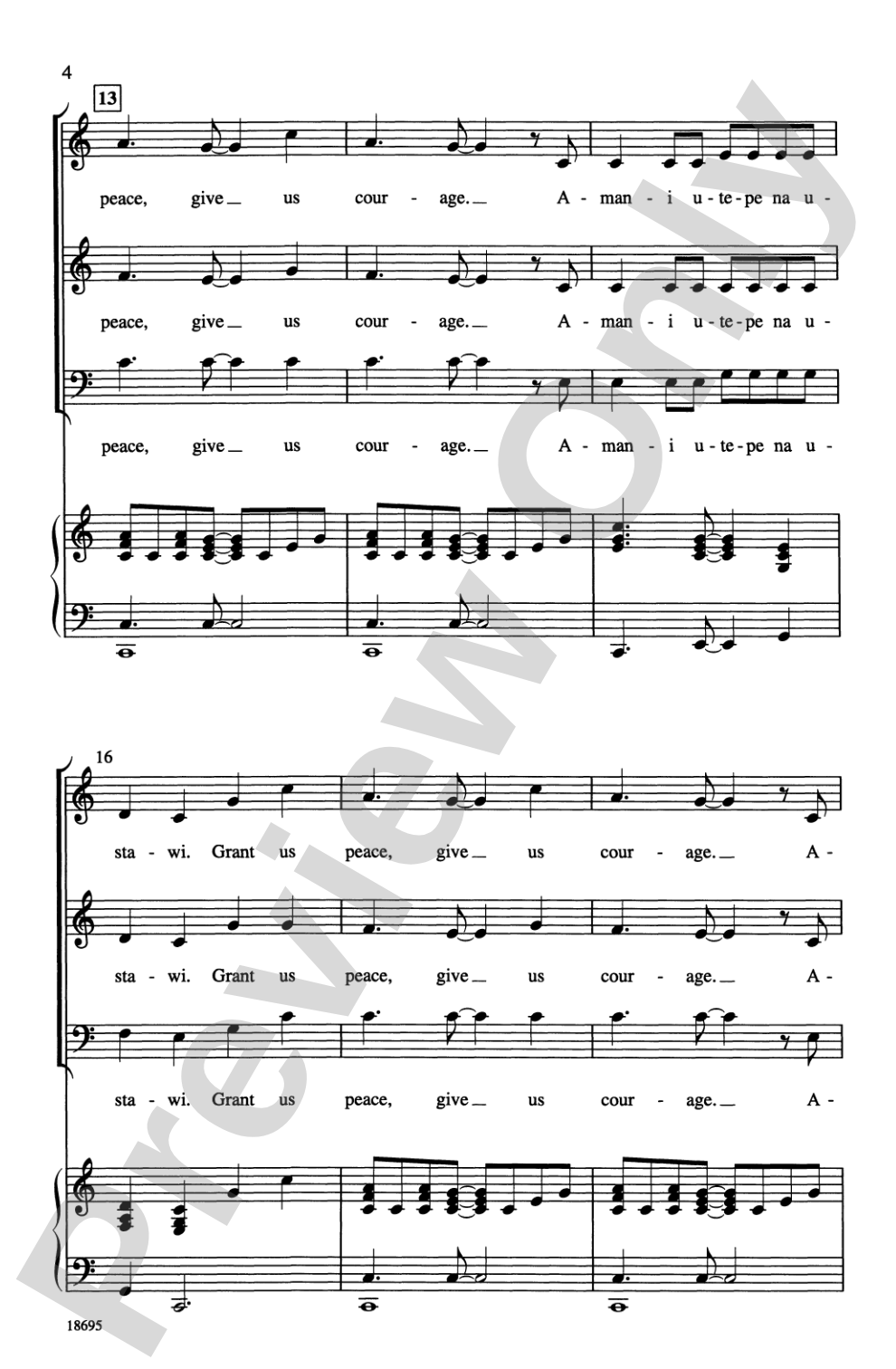

Amani Utupe (Swahili-Grant Us Peace, Give Us Courage): SAB Choral Octavo
(Swahili -- Grant Us Peace, Give Us Courage)
Music by Patsy Ford Simms
Item: 00-PO-0003134
$2.05
Minimum order quantity: 20 copies
Pickup currently not available
Related Items
Amani Utupe (Swahili-Grant Us Peace, Give Us Courage): SATB Choral Octavo |
$2.25
|
View | |
Amani Utupe (Swahili-Grant Us Peace, Give Us Courage): 2-Part Choral Octavo |
$2.05
|
View | |
Amani Utupe: SATB Choral Octavo |
$2.25
|
View | |
Amani Utupe: SAB Choral Octavo |
$2.05
|
View | |
Amani Utupe: 2-Part Choral Octavo |
$2.05
|
View | |
Amani Utupe: Choral Octavo SoundTrax CD |
$27.99
|
View |
Description
Here's an African-style piece which includes a combination of English and Swahili text: "As we travel down this weary road, amani utupe na ustawi." Outstanding SoundTrax has an African feel.


Amani Utupe (Swahili-Grant Us Peace, Give Us Courage): SAB Choral Octavo isn't in MakeMusic Cloud just yet...but it could be. Let us know you'd like to see it, and you'll help shape what comes next. In the meantime, start a free trial and dive into thousands of interactive titles your students can play along with today.
Request This Title
Tell us you want it.
Start Your Free Trial
Explore everything that's ready to play right now.
Sample Audio
1
Audio File
--:--
0:00
0:00
Sample Video
No sample videos found.
Additional Details
Series:
Alfred Choral Designs
Publisher:
Alfred Music
Page Count:
12
SKU:
00-PO-0003134
More about this title
About the Composer: Patsy Ford Simms
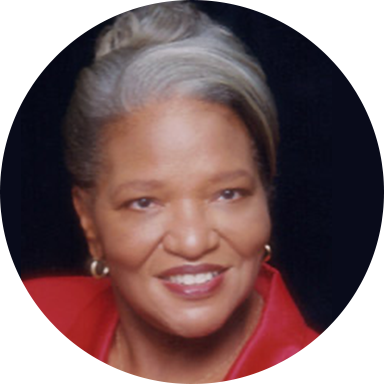
Patsy Ford Simms began her publishing career in 1981 and has since created over 300 compositions and arrangements for educational and church choirs across multiple major publishers, including Shawnee Press. Her work emerged from a practical need: during her early years teaching middle school, she found few quality choral octavos written for junior high voices, so she started writing them herself.
Simms holds a Bachelor of Science in Music Education from Knoxville College, a Master of Education from the University of Louisville, and a doctorate in Music Education from Columbia Pacific University. She spent 30 years in the classroom teaching K-12 and at the Youth Performing Arts School before retiring from full-time teaching. Her reputation extends internationally; she has presented clinics and workshops in Italy and Africa, composed commissioned works and musicals focused on African American history, and received numerous ASCAP Special Music Awards. Two of her pieces were selected for MENC World's Largest Concerts.
Why we love this
Simms writes for the voices she knows intimately, and this SAB arrangement sits perfectly in the range and ability of developing singers. The bilingual text and African musical idiom make this piece engaging without requiring extensive cultural study, and the included staging suggestions help younger choirs find confidence in performance beyond just singing the notes.
What to expect
Amani Utupe carries the rhythmic warmth and vocal spirit of African music while remaining grounded in English text that speaks to a shared human experience. The blend of languages and the gentle, hopeful message create an uplifting feel that resonates with younger singers and audiences alike.
Who it's for
Junior high and middle school choirs will find this piece accessible and energizing. It also works well for high school ensembles seeking multicultural repertoire that doesn't demand advanced vocal technique or complex musicianship.
How to get the most out of it
- Establish the rhythmic foundation early by drilling the percussion-style accompaniment pattern; it drives the entire piece and helps singers feel secure in the groove.
- Work the Swahili text in isolation before blending it with the English lyrics so the pronunciation feels natural and the choral sound stays unified.
- Lean into the movement opportunities Simms provides; younger singers often need physical engagement to feel the style authentically.
- Use the recorded accompaniment to check intonation and balance in parts, especially where the soprano and alto lines overlap or diverge.
How to use it
This piece pairs beautifully with other world music selections or can anchor a program exploring peace, courage, and cultural diversity. Its 12-page length and SAB voicing make it a confident choice for a concert where you want to showcase choir growth without overwhelming less experienced singers.
Skills your students will build
- Singing in a non-English language with accurate pronunciation
- Recognizing and performing African rhythmic patterns and style
- Coordinating movement with singing
- Blending SAB voicing with clear part independence
- Building cultural awareness through repertoire