Amani Utupe Cover Image

Amani Utupe: SAB Choral Octavo

$2.05 USD
Sale price  $2.05 USD Regular price 
Skip to product information
Amani Utupe Cover Image

Amani Utupe: SAB Choral Octavo

(Swahili -- Grant Us Peace, Give Us Courage)

Music by Patsy Ford Simms

Item: 00-18695

makemusic Cloud badge
$2.05
Shipped

One moment…

Description
Here's an African-style piece which includes a combination of English and Swahili text: "As we travel down this weary road, amani utupe na ustawi." Outstanding SoundTrax has an African feel.

Don't just read it, hear it, play along with it, and watch your students grow with it. In MakeMusic Cloud, Amani Utupe: SAB Choral Octavo comes alive with professional accompaniment, adjustable tempo, and built-in practice tools that turn solo practice into real progress.

Sample Pages

Sample Audio
0:00
0:00
Sample Video
Additional Details
Series: Alfred Choral Designs
Publisher: Alfred Music
Page Count: 12
UPC: 038081173351
SKU: 00-18695

More about this title

About the Composer: Patsy Ford Simms
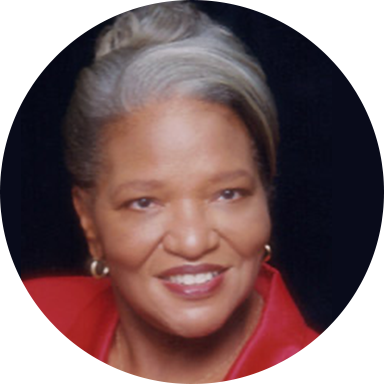
Patsy Ford Simms

Patsy Ford Simms began composing and arranging during her teaching career in response to a genuine need: the shortage of quality choral octavos written for junior high and middle school voices. Since her first publication in 1981, she has created over 300 songs for educational and church settings, working with major publishers including Shawnee Press. Her work spans multiple genres and cultural contexts, grounded in three decades of classroom experience teaching grades K-12, including time at the Youth Performing Arts School.

Simms holds a Bachelor of Science in Music Education from Knoxville College, a Master of Education from the University of Louisville, and a doctorate in Music Education from Columbia Pacific University. She has earned recognition as a composer, arranger, and clinician with international reach, having presented her work in Italy and Africa. Her compositions include commissioned pieces and musicals centered on African American history, and she has received multiple ASCAP Special Music Awards. Two of her compositions were selected for MENC World's Largest Concerts.

Why we love this

Simms writes with genuine understanding of what middle school singers can deliver musically and physically. The blend of English and Swahili text feels authentic rather than superficial, and the African-style harmonic language stretches singers' ears without overwhelming them. The inclusion of movement and staging options gives your rehearsal process built-in energy and gives the piece a memorable performance identity.

What to expect

Grounded and reflective, with an underlying current of hope. The imagery of traveling a weary road combined with wishes for peace and prosperity creates a contemplative mood that the African-style harmonies make feel communal rather than heavy. Singers inhabit this piece; they don't just sing it.

Who it's for

Junior high and middle school choirs learning to navigate unfamiliar text and non-Western harmonic language. This piece works especially well for programs seeking to build cultural repertoire and give singers experience with multicultural music that feels singable and connected to their age group.

How to get the most out of it

  • Study the SoundTrax recording first as an ensemble to absorb the rhythmic pulse and harmonic color before diving into part work. African music often prioritizes groove and forward motion over metronomic precision.
  • Let the text guide your phrasing; the transition between English and Swahili sections creates natural opportunities for shape and breath placement.
  • Work the staging and movement vocabulary early in rehearsal rather than adding it as an afterthought. When singers understand how their bodies support the piece's narrative, their voices respond with more intention.

How to use it

Pair this with other world music selections to create a concert or festival set focused on cultural traditions and global perspectives. It also serves as an accessible entry point for choirs building confidence with non-English texts and world languages. The movement and staging elements make it a strong choice for festivals that include visual and kinesthetic performance dimensions.

Skills your students will build

  • Reading and performing in Swahili and English within the same piece
  • Singing in harmonic colors and intervals typical of African musical traditions
  • Integrating staged movement and ensemble choreography with choral singing
  • Sustaining longer phrases while maintaining the rhythmic groove of African-style accompaniment

You May Also Like
