30-Second Merry Christmas Cover Image

30-Second Merry Christmas: 3-Part Mixed, <I>a cappella</I> Choral Octavo

$2.05 USD
Sale price  $2.05 USD Regular price 
Skip to product information
30-Second Merry Christmas Cover Image

30-Second Merry Christmas: 3-Part Mixed, a cappella Choral Octavo

Words and music by Donald Moore

Item: 00-47559

makemusic Cloud badge

Need it now?

Buy Digital Version
$2.05
Shipped

One moment…

Description
Wish your audience a “Merry Christmas and a Happy New Year” in just a half a minute. This madrigal-style a cappella novelty is equally easy to learn and enjoyable to sing. Plus, it's a great choice for any seasonal performance: Christmas concerts, community events, madrigal feasts, door-to-door caroling, singing telegrams---you name it! Fun, flexible, and festive in all voicings.

Don't just read it, hear it, play along with it, and watch your students grow with it. In MakeMusic Cloud, 30-Second Merry Christmas: 3-Part Mixed, a cappella Choral Octavo comes alive with professional accompaniment, adjustable tempo, and built-in practice tools that turn solo practice into real progress.

Sample Pages

Sample Audio
0:00
0:00
Sample Video
Additional Details
Series: Alfred Choral Designs
Publisher: Alfred Music
Page Count: 8
UPC: 038081542522
SKU: 00-47559

More about this title

About the Composer: Donald Moore
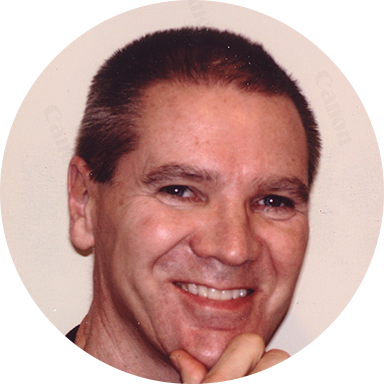
Donald Moore

Donald Moore earned his Bachelor of Music in organ performance and Master of Arts in Teaching from Kent State University. He serves as Organist-Choirmaster at Pilgrim United Church of Christ in Cuyahoga Falls, Ohio, and has established himself as a prolific composer and arranger with over 500 works published across major houses including Alfred Music, Hal Leonard, and Heritage Music Press.

Moore's output spans sacred and secular choral music, educational works, and organ and piano compositions. His pieces regularly appear at state contests and festivals, and he has received seventeen ASCAP Composers Standard Awards. The American Choral Directors Association recognized him as one of 400 elite composers of historical significance in American choral music.

Why we love this

This novelty delivers genuine musicality within its 30-second frame. Moore captures the madrigal style with real harmonic interest and text-painting rather than relying on gimmickry, so singers feel they're performing an actual composition, not a joke. The SAB voicing sits comfortably for mixed ensembles, and the brevity makes it an ideal encore that doesn't eat into your concert pacing.

What to expect

A swift, good-humored greeting wrapped in genuine musicality. The madrigal idiom gives it charm and elegance, while the compressed timeframe creates a buoyant, sprightly energy that leaves audiences smiling.

Who it's for

Directors seeking a short, sophisticated encore for holiday concerts, winter assemblies, or community events where you need something polished but not time-consuming to learn. This works equally well for a formal Christmas concert or casual caroling scenarios where your ensemble needs to impress in a flash.

How to get the most out of it

  • Teach the piece by section rather than measure-by-measure. The madrigal style relies on overlapping phrases, so singers need to understand how their line interacts with the others from the start.
  • Shape the text warmly through vowel consistency across all three parts. Clean diction at this tempo keeps the seasonal message clear without rushing.
  • Use this as a sight-reading opportunity with confident singers. The harmonic movement is straightforward enough that a skilled group can read through it in one or two rehearsals.

How to use it

Position this as the perfect closer for a holiday concert set. Its brevity and festive warmth make it an ideal palate cleanser between longer works, or save it for a final bow moment when you want to send the audience out on a bright, memorable note. It's also practical for schools that rotate concert numbers or need flexible programming for multiple performances.

Skills your students will build

  • Reading three independent voice parts in close harmony
  • Singing madrigal-style overlapping phrases and text entrances
  • Balancing blend and diction in fast-moving a cappella writing
  • Sustaining ensemble tuning without accompaniment support

You May Also Like
