What If I Could Tell You Cover Image

What If I Could Tell You: SATB Choral Octavo

$2.05 USD
Sale price  $2.05 USD Regular price 
Skip to product information
What If I Could Tell You Cover Image

What If I Could Tell You: SATB Choral Octavo

Words and music by Heather Sorenson

Item: 00-48973

makemusic Cloud badge

Need it now?

Buy Digital Version
$2.05
Shipped

One moment…

Description
Commissioned by Texas A&M University in remembrance of a lost friend and fellow Cadet, this thought-provoking piece is designed to be a conversation starter about mental illness, depression, grief, and suicide. Harmonically rich, musically expressive, and emotionally stirring, singers will be changed and encouraged. "What if I could tell you no one has to walk alone?" This title is available in MakeMusic Cloud.

Don't just read it, hear it, play along with it, and watch your students grow with it. In MakeMusic Cloud, What If I Could Tell You: SATB Choral Octavo comes alive with professional accompaniment, adjustable tempo, and built-in practice tools that turn solo practice into real progress.

Sample Pages

Sample Audio
0:00
0:00
Sample Video
Additional Details
Series: Alfred Choral Designs
Publisher: Alfred Music
Page Count: 12
UPC: 038081562971
SKU: 00-48973

More about this title

About the Composer: Heather Sorenson
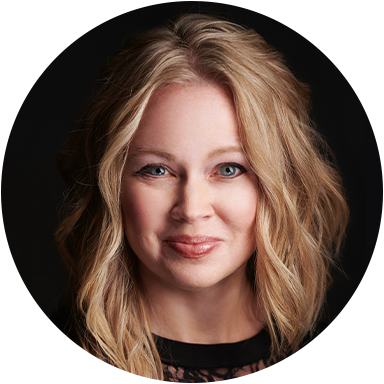
Heather Sorenson

Heather Sorenson has built a distinguished career as a composer and arranger whose works span churches, universities, concert halls, and competitions across the globe. Based in Dallas, Texas, she is known for her facility across both traditional and contemporary musical idioms, particularly within choral and orchestral writing, and has received commissions from prestigious institutions including Texas A&M University, the John F. Kennedy Memorial Foundation, and Carnegie Hall.

Beyond composing, Sorenson has invested deeply in music education, having taught elementary music at Grace Academy of Dallas and served as an adjunct faculty member at Baylor University. She frequently leads workshops at worship conferences and universities nationwide and regularly conducts and speaks at churches throughout America. Her commitment to community extends to benefit concert performances supporting nonprofit organizations.

Why we love this

This piece fulfills a genuine need for choral repertoire that addresses weighty subjects with musical and emotional maturity. Sorenson's harmonically sophisticated writing ensures that the conversation about mental health and grief never feels didactic or reductive; instead, the music itself becomes a vessel for compassion and connection among singers and listeners alike.

What to expect

The music unfolds with thoughtful harmonic complexity and expressive depth, creating a soundscape that feels both contemporary and deeply human. The text and melody work together to invite reflection, while the four-part writing creates moments of both vulnerability and collective strength, leaving singers and audiences with a sense of shared understanding.

Who it's for

This octavo speaks to choirs seeking repertoire with real substance: high school honors choirs, college and university ensembles, and adult community choirs mature enough to engage meaningfully with themes of mental health and loss. It is ideal for directors who want their singers to experience music that moves beyond entertainment into genuine artistic expression and social awareness.

How to get the most out of it

  • Honor the emotional weight of the text by allowing singers to sit with silence and space; resist the urge to fill moments with excessive dynamic energy.
  • Balance the harmonic richness by ensuring inner voices are clearly heard; sectional rehearsal focused on blend and intonation across all four parts will pay dividends.
  • The recorded accompaniment can anchor singers who are navigating the more contemporary harmonic language, especially during initial rehearsals.

How to use it

Consider programming this as a centerpiece of a concert dedicated to hope, community, and mental health awareness, pairing it with complementary pieces that explore themes of connection and resilience. It works powerfully as a closing piece when you want the audience to leave moved and thoughtful, or as a standalone concert to benefit mental health organizations.

Skills your students will build

  • Reading and singing contemporary harmonic language with confidence
  • Blending across four-part SATB texture with attention to inner voices
  • Conveying emotional authenticity and vulnerability as performers
  • Sustaining focus and ensemble cohesion through extended phrases

You May Also Like
