
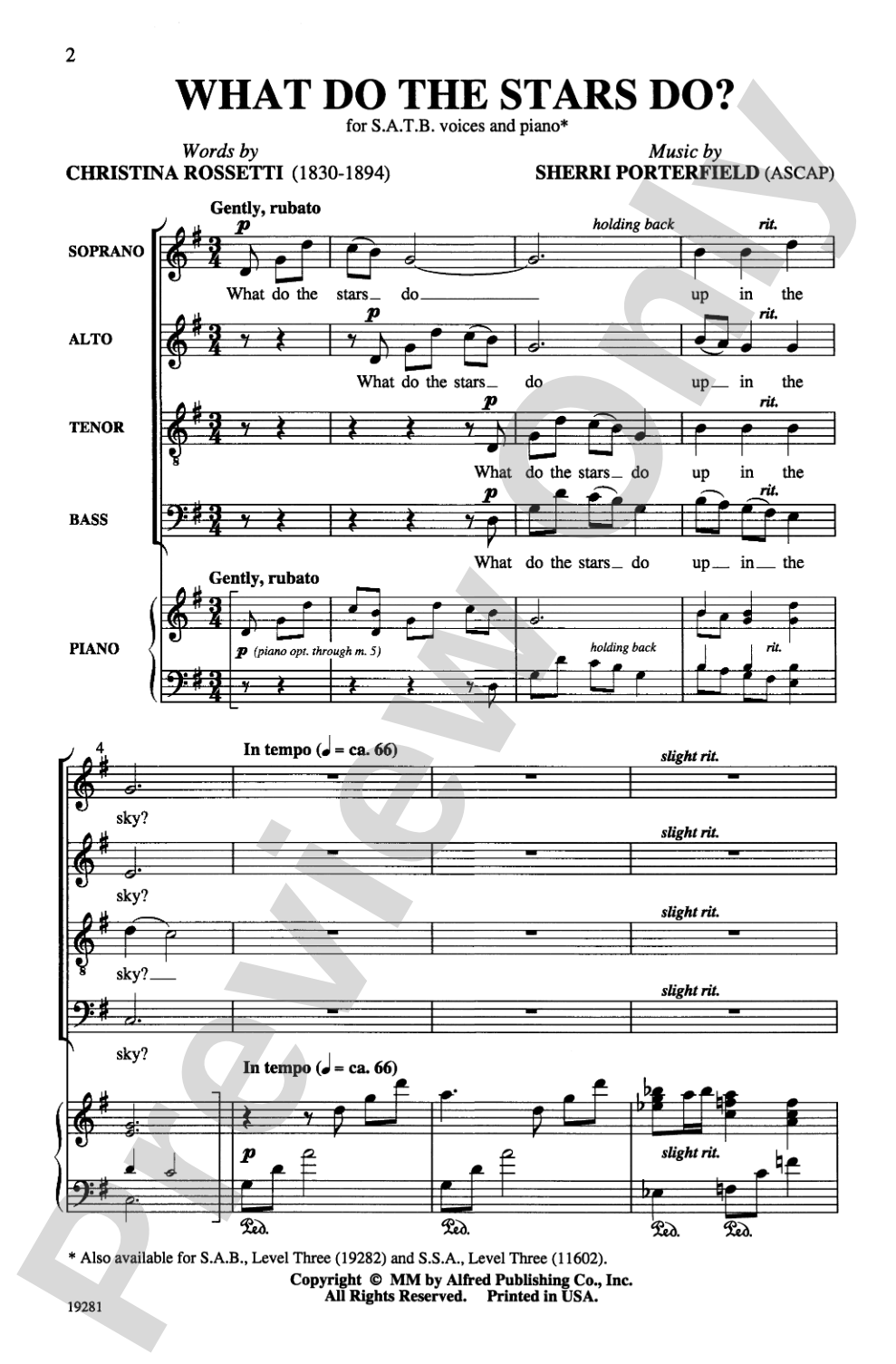
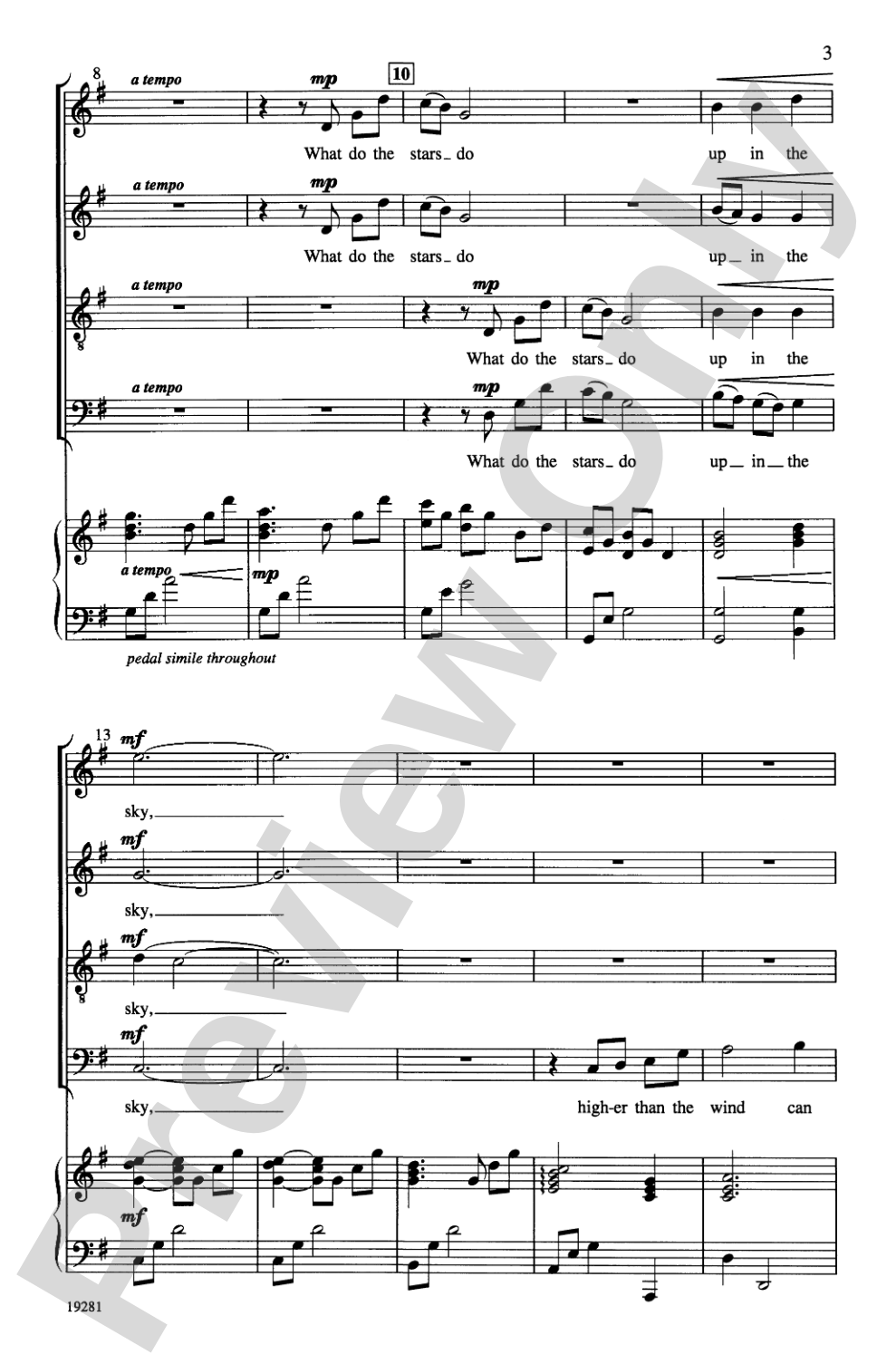

What Do the Stars Do?: SATB Choral Octavo
Words by Christina Rossetti, music by Sherri Porterfield
Item: 00-PO-0004156

$2.25
Minimum order quantity: 20 copies
Pickup currently not available
Description
New for SATB and SAB! Sherri Porterfield originally composed this touching setting of a Christina Rossetti poem for SSA voices. Now she's adapted it in two editions for mixed groups of all ages. It features classic choral writing exemplified by lovely harmonies and flowing melodies. Ideal for festivals and adjudications, it's also suitable for December concerts. This title is available in MakeMusic Cloud.


Don't just read it, hear it, play along with it, and watch your students grow with it. In MakeMusic Cloud, What Do the Stars Do?: SATB Choral Octavo comes alive with professional accompaniment, adjustable tempo, and built-in practice tools that turn solo practice into real progress.
Open in the Player
Jump straight in and assign it today.
Start Your Free Trial
Open this title and explore the full library in minutes.
Sample Audio
1
Audio File
--:--
0:00
0:00
Sample Video
No sample videos found.
Additional Details
Series:
Alfred Archive Edition: Alfred Choral Designs
Publisher:
Alfred Music
Page Count:
8
SKU:
00-PO-0004156
More about this title
About the Composer: Sherri Porterfield
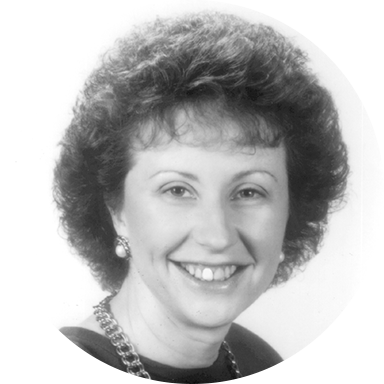
Sherri Porterfield directs choirs at Cedar Park Middle School in Cedar Park, Texas, and has taught in Missouri and Kansas, where her ensembles earned numerous first-place and sweepstakes awards at competitions and performed at state music educators conventions. She served as an adjunct assistant professor of music education at the University of Missouri-Kansas City Conservatory of Music and has worked with hundreds of students and teachers across the United States as a clinician and guest conductor of honor choirs at elementary, middle, and high school levels.
With over 175 published choral compositions to her name, Porterfield has maintained an active presence in American choral music since 1997, receiving yearly ASCAP awards for her compositions. She holds a B.S.E. in music education from the University of Memphis and a Master of Music in choral conducting from the University of Missouri-Kansas City. Her recognitions include four selections to Who's Who Among America's Teachers, as well as selections to Who's Who Among American Women, Who's Who in American Education, Who's Who in America, and Who's Who in the World. She was named Teacher of the Year at Frontier Trail Junior High in Olathe, Kansas, in 1999.
Why we love this
Porterfield's setting of this Christina Rossetti poem brings contemplative warmth to mixed SATB voicing, with harmonies that feel effortless rather than contrived. The writing lies well for singers of varying experience levels, making it equally at home in a concert setting or a festival where judging committees appreciate sophisticated musical choices that don't demand virtuosity. It's the kind of piece that performers want to sing again.
What to expect
The piece settles into a contemplative space with lovely harmonies that unfold gradually, inviting singers and listeners alike into quiet reflection. There's an understated elegance here—no bombast, just honest choral writing that honors both the poem and the voices performing it.
Who it's for
Choirs with solid sight-reading skills and access to both treble and lower voice singers will find this octavo well-suited to their abilities. Middle school through adult ensembles preparing for festivals, adjudications, or December concerts benefit from its moderate technical demands and emotional depth.
How to get the most out of it
- Shape the melodies gently rather than forcing them; the flowing character depends on natural phrasing and breath control that supports the long lines.
- Balance the SAT parts carefully in the opening sections so the melodic content remains audible as it passes between voices.
- Use the text to guide dynamics and harmonic color; the poem's reflection naturally suggests subtle variation in volume and warmth across phrases.
- Schedule sectionals to ensure lower voices understand how their parts support the harmonic movement without doubling soprano lines.
How to use it
Use this as a reflective anchor in a December concert, pairing it with other seasonal pieces that balance reverence with warmth. It also serves festival repertoire beautifully, where the combination of accessible technique and genuine musical substance typically resonates with adjudicators.
Skills your students will build
- Sustaining long melodic lines across phrase boundaries
- Listening for blend and balance across four-part writing
- Interpreting poetic text through dynamic and timbral choices
- Identifying voice leading and harmonic function in SATB voicing