What Do the Stars Do? Cover Image

What Do the Stars Do?: SSA Choral Octavo

$2.25 USD
Sale price  $2.25 USD Regular price 
Skip to product information
What Do the Stars Do? Cover Image

What Do the Stars Do?: SSA Choral Octavo

Words by Christina Rossetti, music by Sherri Porterfield

Item: 00-11602

makemusic Cloud badge

Need it now?

Buy Digital Version
$2.25
Shipped

One moment…

Description
A touching setting of a classic Christina Rosetti poem created exclusively for today's treble voice choirs by Sherri Porterfield. Classic SSA choral writing exemplified by lovely harmonies and flowing melodies . . . a "must" for school-age treble choirs. Could also be used in secular seasonal/Christmas concerts.

Don't just read it, hear it, play along with it, and watch your students grow with it. In MakeMusic Cloud, What Do the Stars Do?: SSA Choral Octavo comes alive with professional accompaniment, adjustable tempo, and built-in practice tools that turn solo practice into real progress.

Sample Pages

Sample Audio
0:00
0:00
Sample Video
Additional Details
Series: Alfred Archive Edition: Alfred Choral Designs
Publisher: Alfred Music
Page Count: 8
UPC: 038081118291
SKU: 00-11602

More about this title

About the Composer: Sherri Porterfield
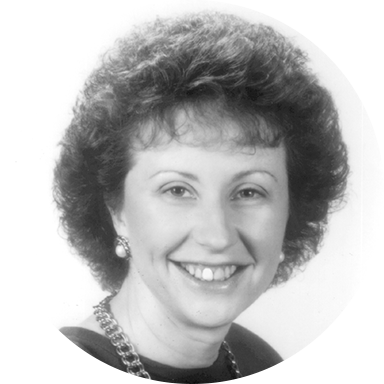
Sherri Porterfield

Sherri Porterfield brings decades of classroom experience to her composition work. Currently directing choirs at Cedar Park Middle School in Texas, she has taught in Missouri and Kansas, where her ensembles consistently earned first place and sweepstakes recognition at competitions and state conventions. She has also served as an adjunct assistant professor of music education at the University of Missouri-Kansas City Conservatory of Music, working directly with pre-service teachers and honor choirs across the country as a clinician and guest conductor.

With over 175 published choral compositions to her name, Porterfield has maintained an active voice in American choral music since the late 1990s. Alfred Music and other major publishers represent her work, and she has received consecutive ASCAP awards for her compositions. She earned her B.S.E. in music education from the University of Memphis and her Master of Music in choral conducting from the University of Missouri-Kansas City. Her recognition includes four selections to Who's Who Among America's Teachers, as well as listings in Who's Who Among American Women, in American Education, in America, and in the World.

Why we love this

Porterfield's gift for lyrical writing shines through in this Rossetti setting. The harmonies feel organic and singable while maintaining genuine musical substance, and the piece avoids the saccharine quality that sometimes accompanies treble choir literature. The flowing melodic lines give singers genuine musical satisfaction without overshooting their technical range.

What to expect

Gentle and contemplative, this setting invites reflection. The writing supports Rossetti's quiet observation with a sense of wonder that never rushes, allowing space for the poem's imagery to resonate with singers and listeners alike.

Who it's for

This octavo serves middle school and high school treble choirs, particularly those seeking a piece with literary substance and musical integrity. The SSA voicing and approachable range make it accessible to developing singers while offering enough harmonic interest to engage advanced treble ensembles.

How to get the most out of it

  • Attend to the text underlay carefully in measures where text aligns with longer note values; the natural phrase breathing suggested by Rossetti's language will guide your phrasing far better than arbitrary breath marks.
  • Balance the soprano and alto lines during moments of imitation or canon; Porterfield's writing often weaves the voices together in ways that can blur if one part overshadows the other.
  • Let the flowing melodic contour shape your dynamics rather than imposing a separate emotional arc; the piece breathes naturally when singers follow the rise and fall of their individual lines.

How to use it

Slot this into a concert exploring poetry in song, or pair it with instrumental chamber music for an integrated program. It works equally well in sacred and secular seasonal contexts, offering directors flexibility in concert planning without sacrificing musical credibility.

Skills your students will build

  • Singing in three independent harmonic parts with clear voice leading
  • Shaping phrases informed by poetic language and text syntax rather than arbitrary measures
  • Blending and balancing parts in moments of imitative or overlapping writing
  • Sustaining musical line through longer note values and quieter dynamic levels

You May Also Like
