What Do the Stars Do? Cover Image

What Do the Stars Do?: SAB Choral Octavo

$2.25 USD
Sale price  $2.25 USD Regular price 
Skip to product information
What Do the Stars Do? Cover Image

What Do the Stars Do?: SAB Choral Octavo

Words by Christina Rossetti, music by Sherri Porterfield

Item: 00-19282

makemusic Cloud badge

Need it now?

Buy Digital Version
$2.25
Shipped

One moment…

Description
New for SATB and SAB! Sherri Porterfield originally composed this touching setting of a Christina Rossetti poem for SSA voices. Now she's adapted it in two editions for mixed groups of all ages. It features classic choral writing exemplified by lovely harmonies and flowing melodies. Ideal for festivals and adjudications, it's also suitable for December concerts.

Don't just read it, hear it, play along with it, and watch your students grow with it. In MakeMusic Cloud, What Do the Stars Do?: SAB Choral Octavo comes alive with professional accompaniment, adjustable tempo, and built-in practice tools that turn solo practice into real progress.

Sample Pages

Sample Audio
0:00
0:00
Sample Video
Additional Details
Series: Alfred Archive Edition: Alfred Choral Designs
Publisher: Alfred Music
Page Count: 8
UPC: 038081179278
SKU: 00-19282

More about this title

About the Composer: Sherri Porterfield
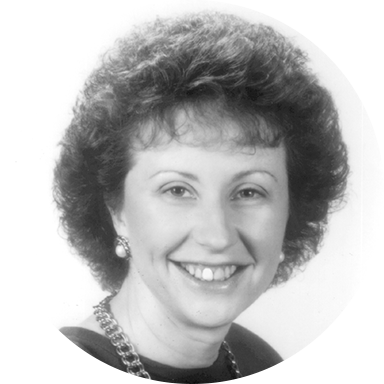
Sherri Porterfield

Sherri Porterfield directs choirs at Cedar Park Middle School in Cedar Park, Texas, and has built a distinguished career across Missouri, Kansas, and Texas. Her choirs consistently earn sweepstakes awards at competitions and have performed at state music educators conventions. She has taught at the university level as an adjunct assistant professor of music education at the University of Missouri-Kansas City Conservatory of Music and has mentored hundreds of students and teachers as a clinician and guest conductor.

With over 175 published choral compositions to her name, Porterfield has maintained an active presence in American choral music since earning ASCAP awards yearly since 1997. Her work appears in catalogs of Alfred Music Publishing and other major publishers. She holds degrees from the University of Memphis (B.S.E. in music education) and the University of Missouri-Kansas City (Master of Music in choral conducting), and has been recognized in multiple editions of Who's Who, including Who's Who in America and Who's Who Among America's Teachers.

Why we love this

Porterfield's gift for writing singable, lyrical lines shows across all three parts without sacrificing harmonic sophistication. The piece sits naturally for SAB ensembles while maintaining the emotional depth of her original SSA version, making it equally effective with emerging mixed choirs and advanced singers. Its festival-ready polish and literary foundation in a Rossetti poem give it substance beyond its accessible length.

What to expect

Classic, thoughtful, and uncluttered. The writing honors Christina Rossetti's contemplative text with flowing melodies that feel both elegant and intimate, creating space for singers to shape phrases and listeners to hear the poetry clearly. There's a gentle sophistication here that doesn't demand technical virtuosity but rewards musical sensitivity.

Who it's for

This piece serves middle and high school mixed choirs as well as community and church choirs seeking accessible yet artistically complete literature. It works particularly well for ensembles at the intermediate to advanced level who want to sound polished at festivals and adjudications without requiring advanced vocal maturity.

How to get the most out of it

  • Balance the three parts carefully in rehearsal by sectioning SAB separately at first, then bringing parts together gradually so each voice line can be heard in the final blend.
  • Attend to the text painting suggested by Rossetti's imagery; flowing melody should rise and fall with the emotional arc of each phrase rather than sitting at a single dynamic level.
  • Mark phrase breathing points clearly so SAB singers understand the melodic shape and don't rush through the flowing lines that define this arrangement.

How to use it

Pair this with other poetry-based sacred literature for a thematic concert focused on literary texts set to music, or program it as a centerpiece in a winter or December concert where its reflective tone complements seasonal programming. Its eight-page format makes it efficient for festivals and competitions where time and attention span are limited.

Skills your students will build

  • Balancing three independent vocal lines while maintaining blend in SAB texture
  • Interpreting text through musical phrasing and dynamic shaping
  • Singing flowing, singable melodies with clear diction across extended phrases
  • Understanding harmonic movement and supporting inner parts in choral writing

You May Also Like
