
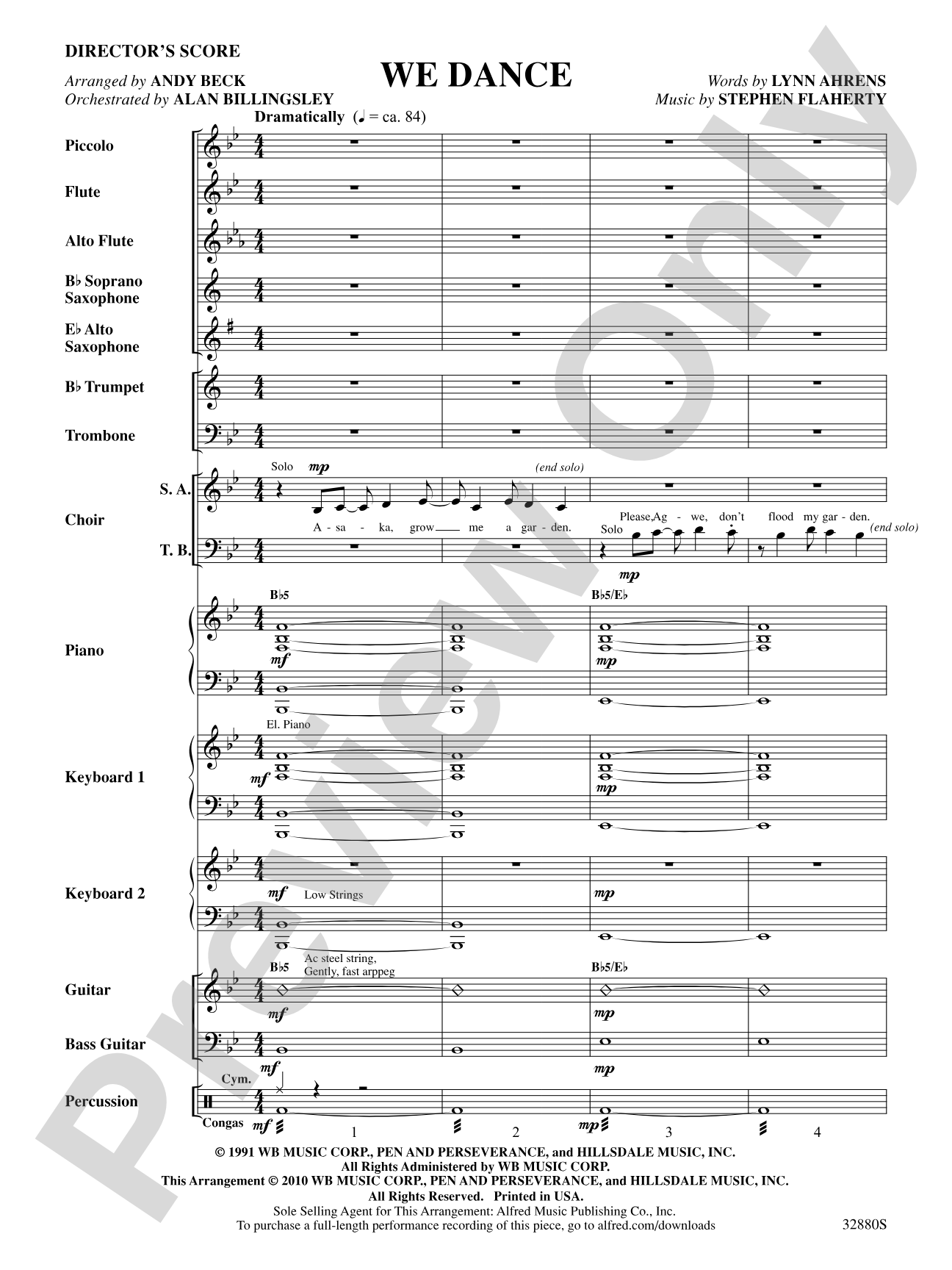
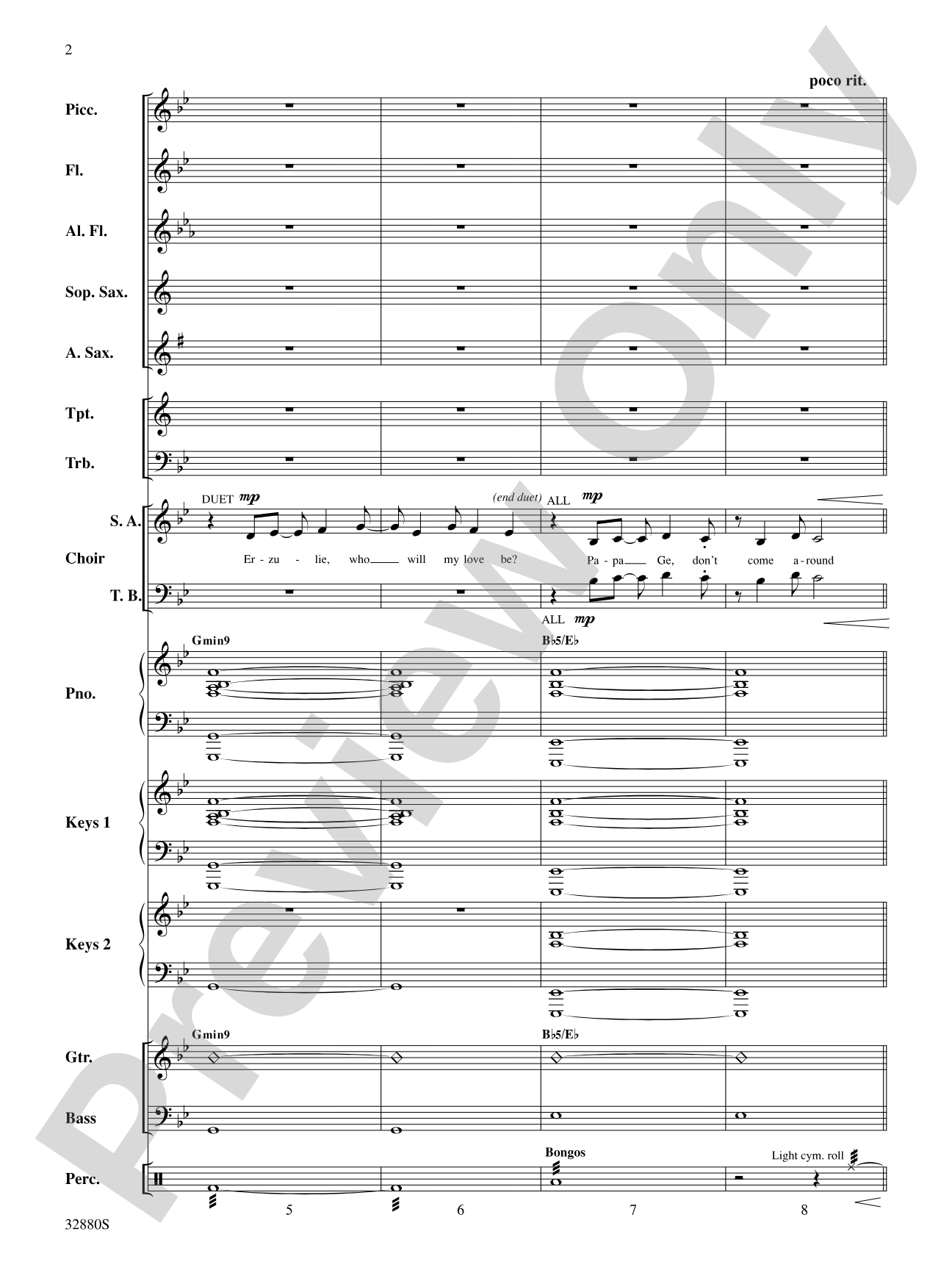
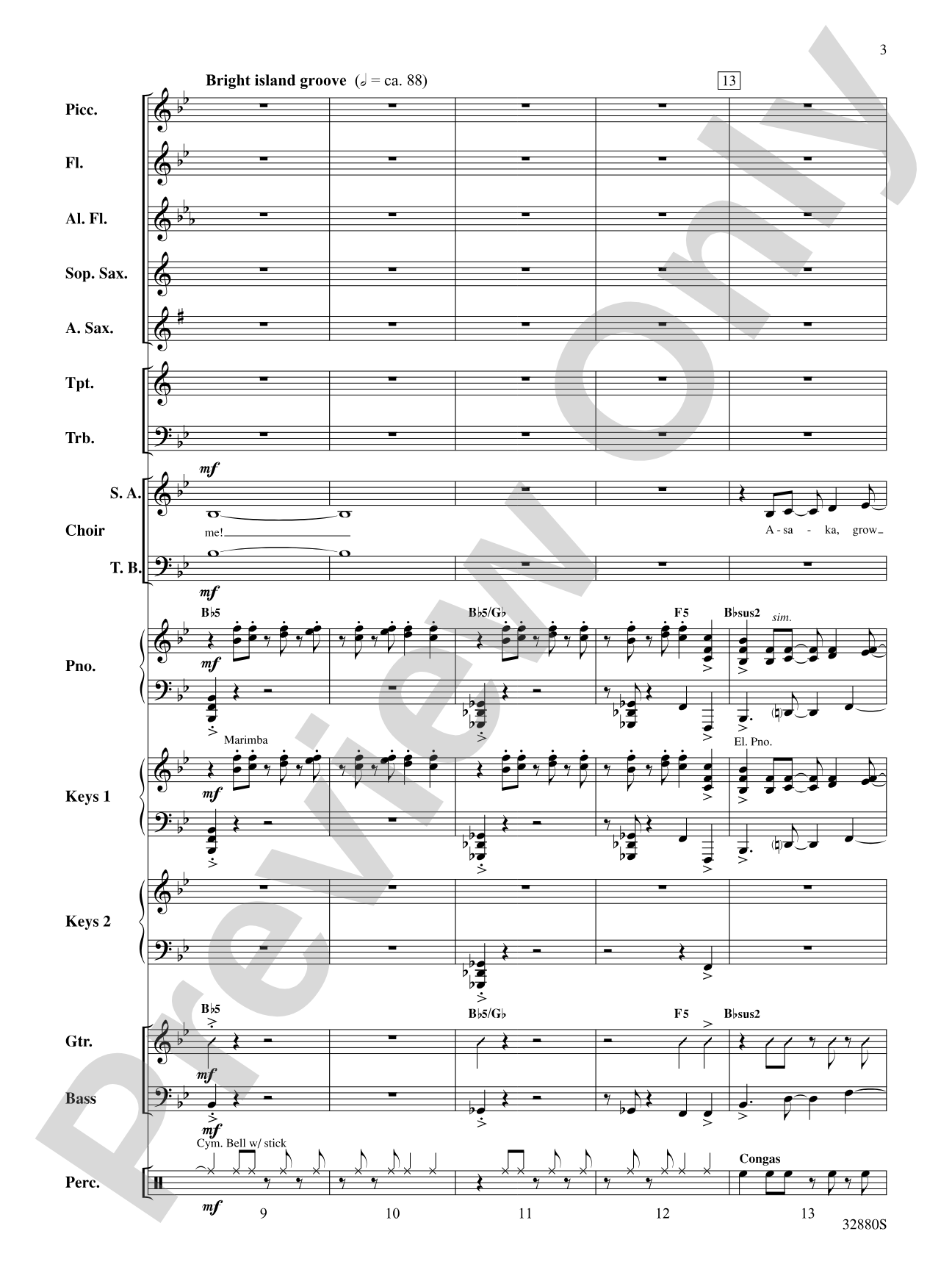
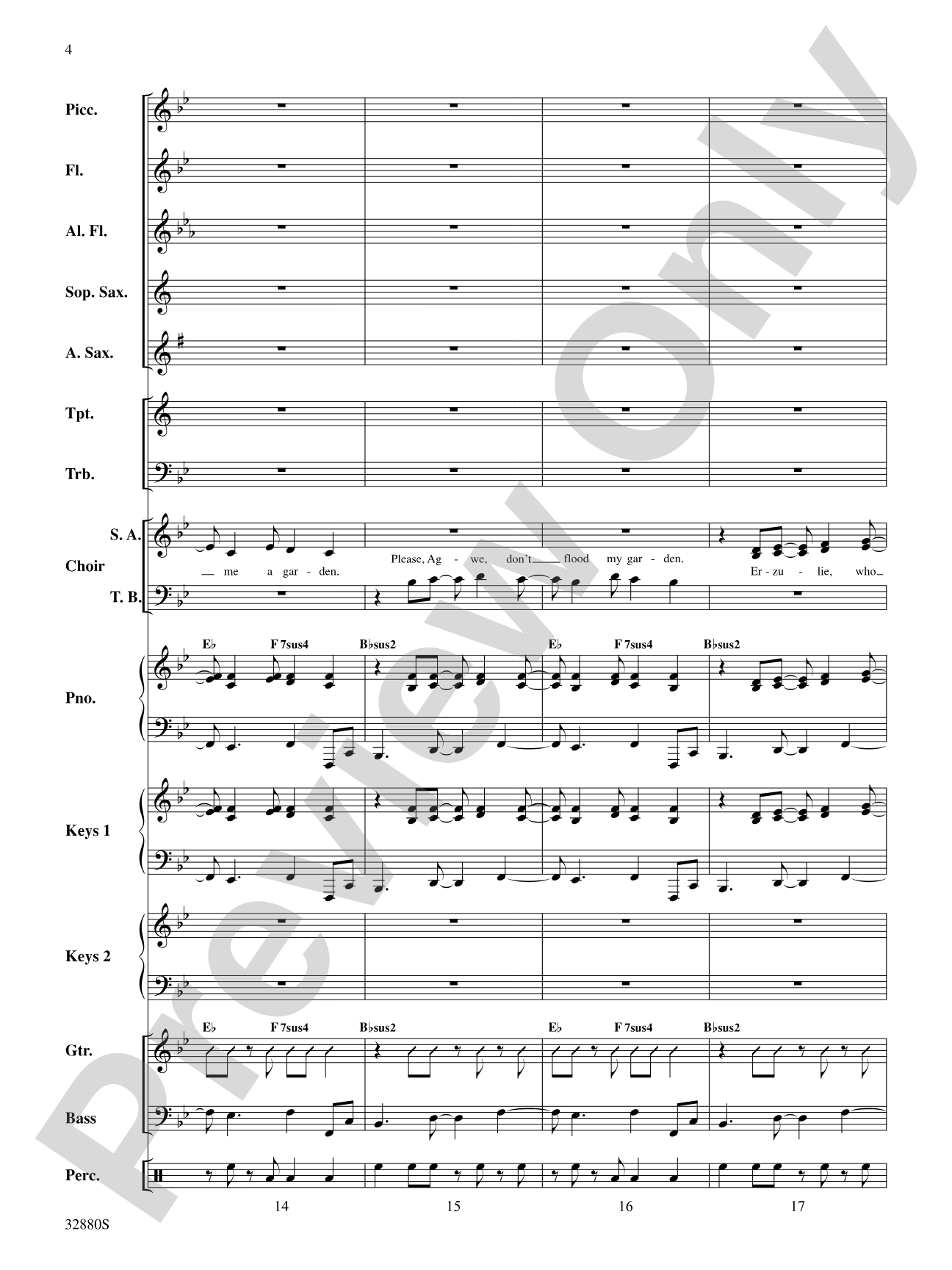
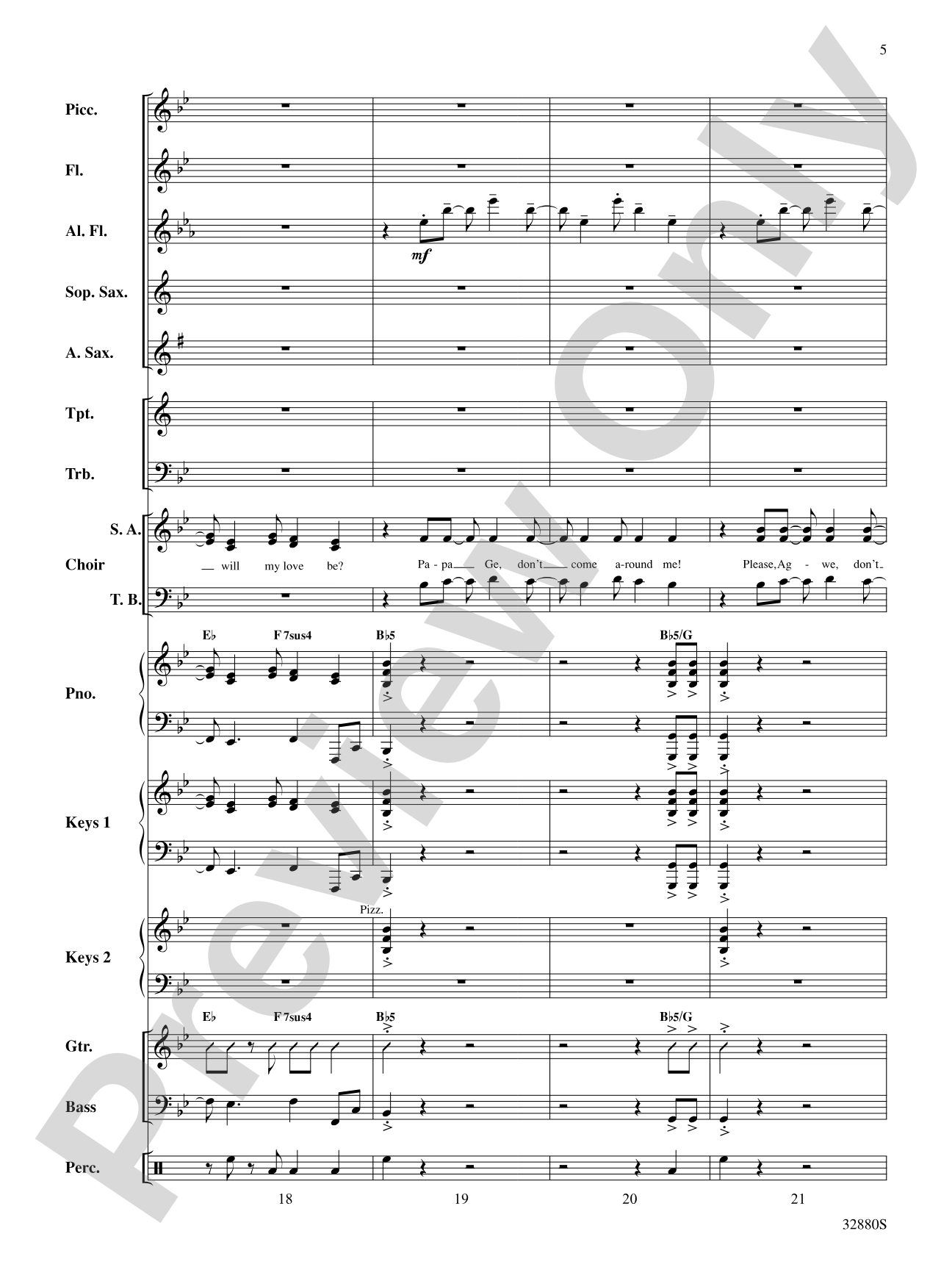
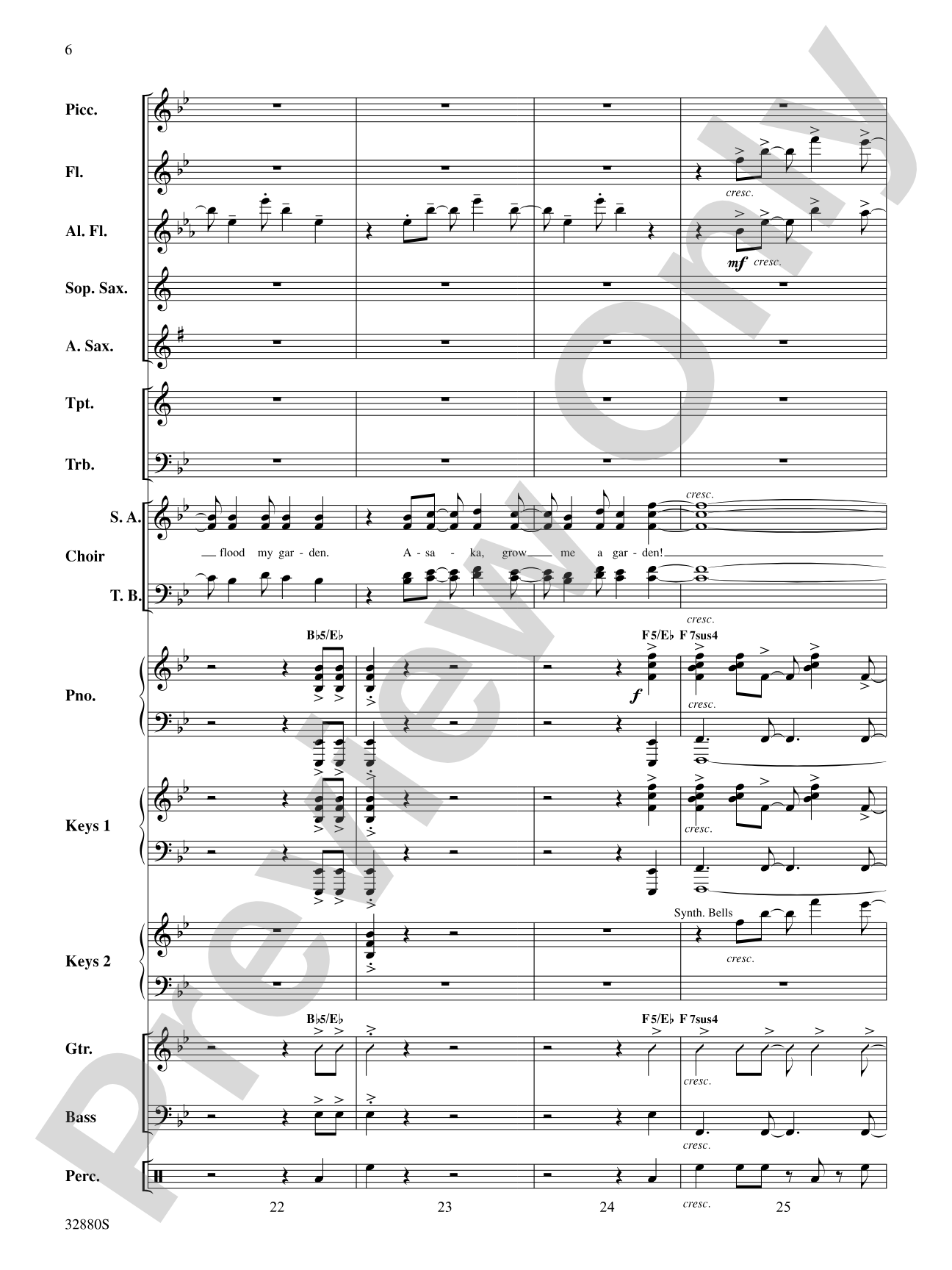
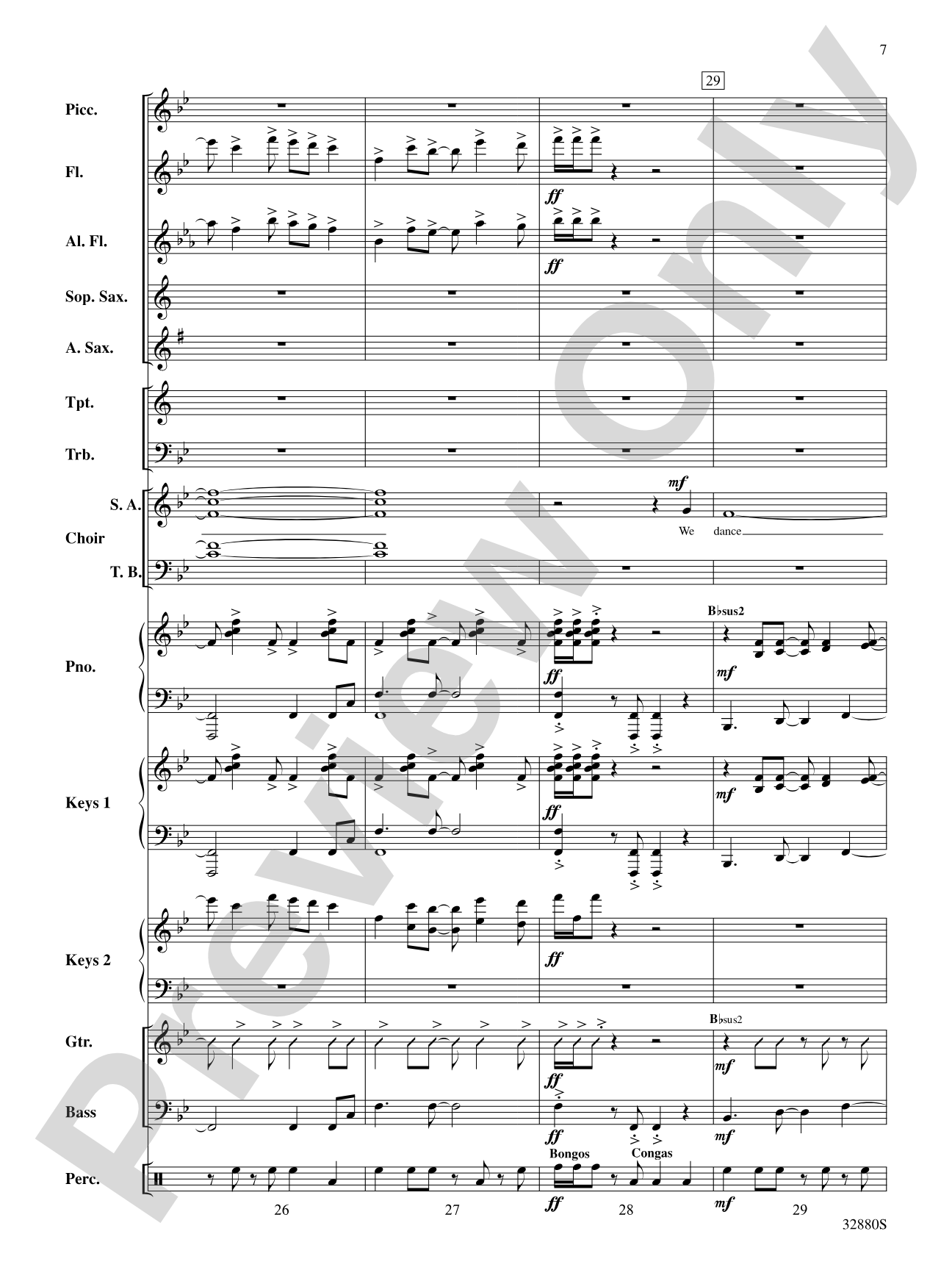
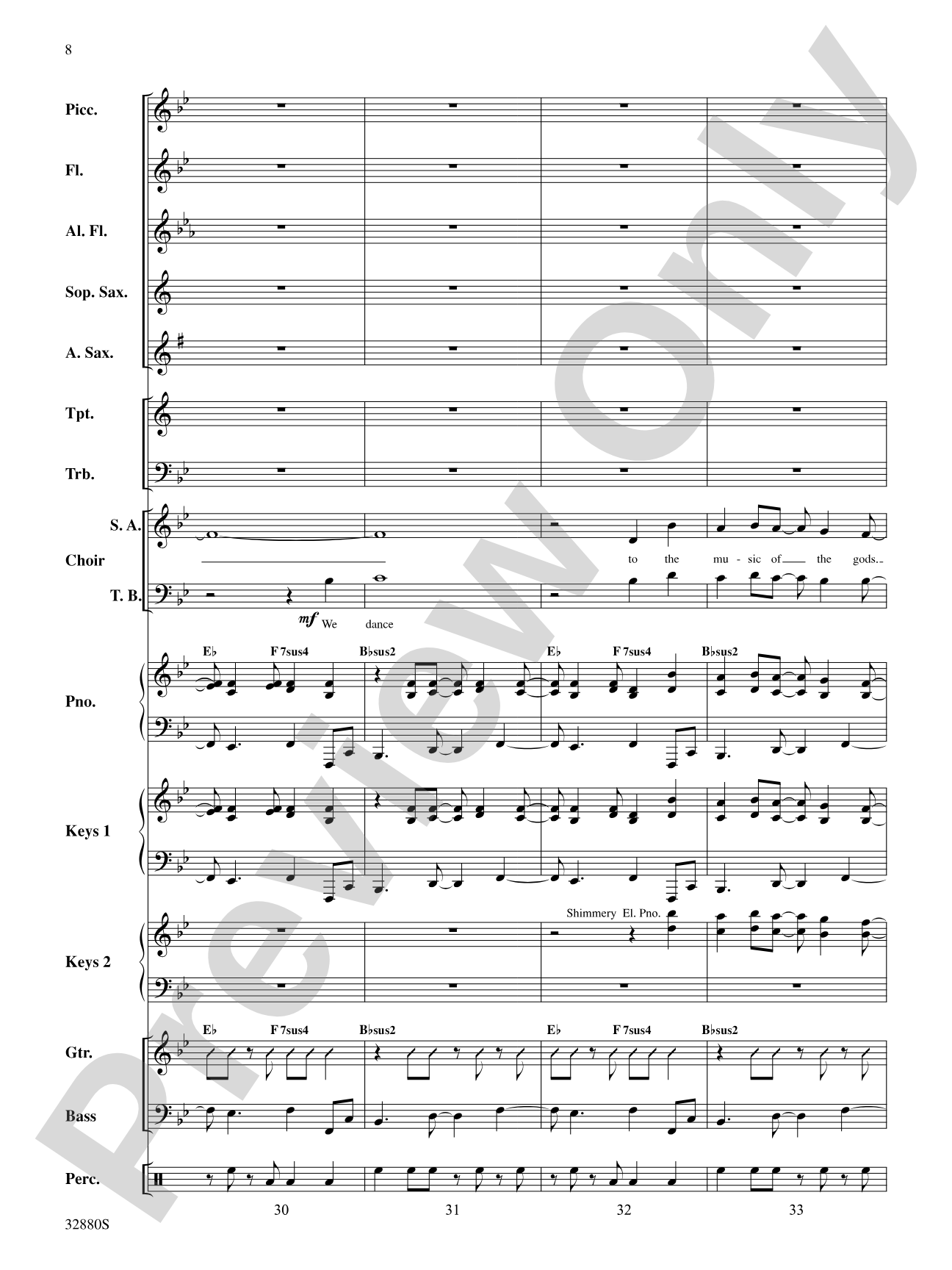
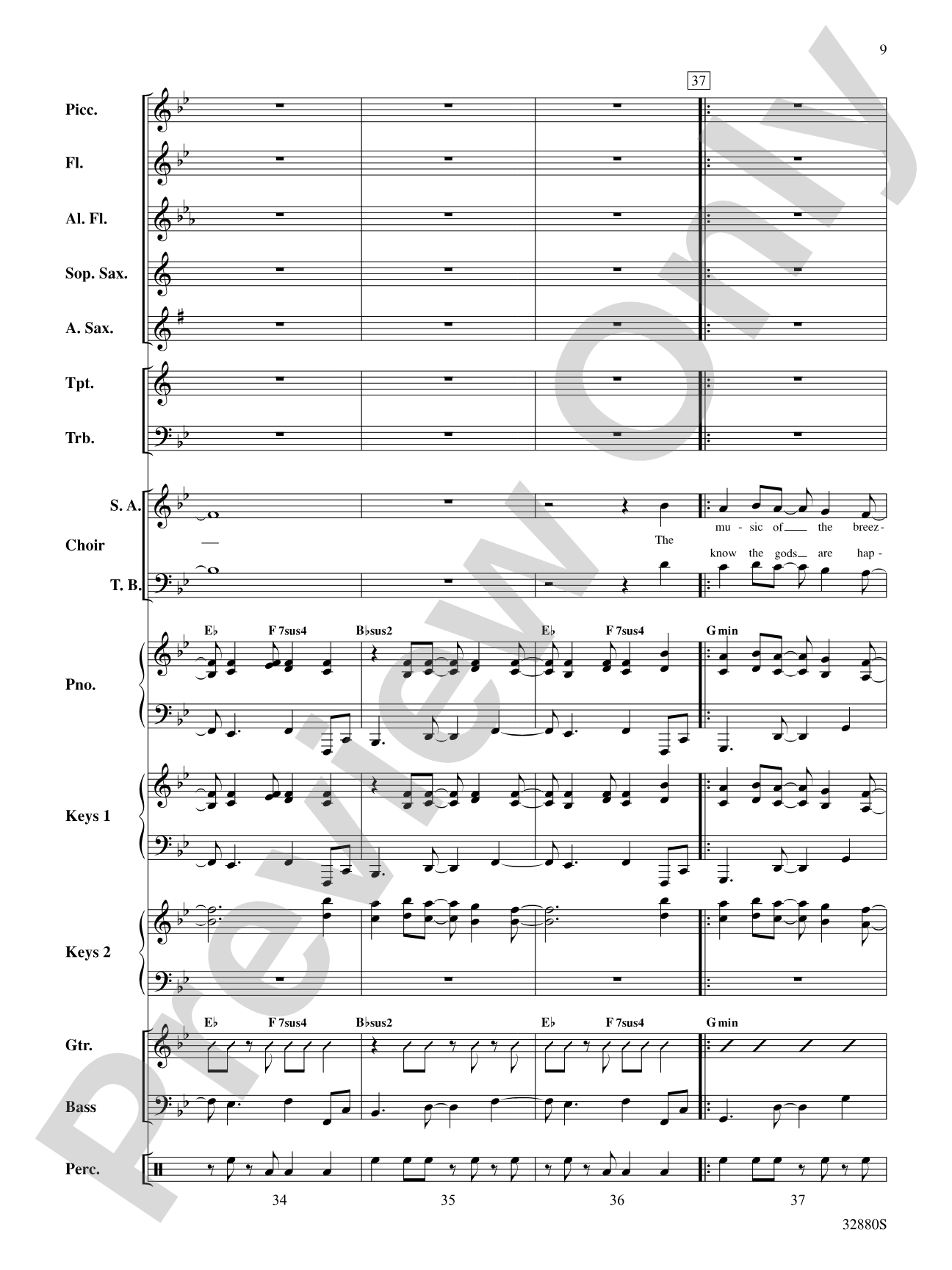
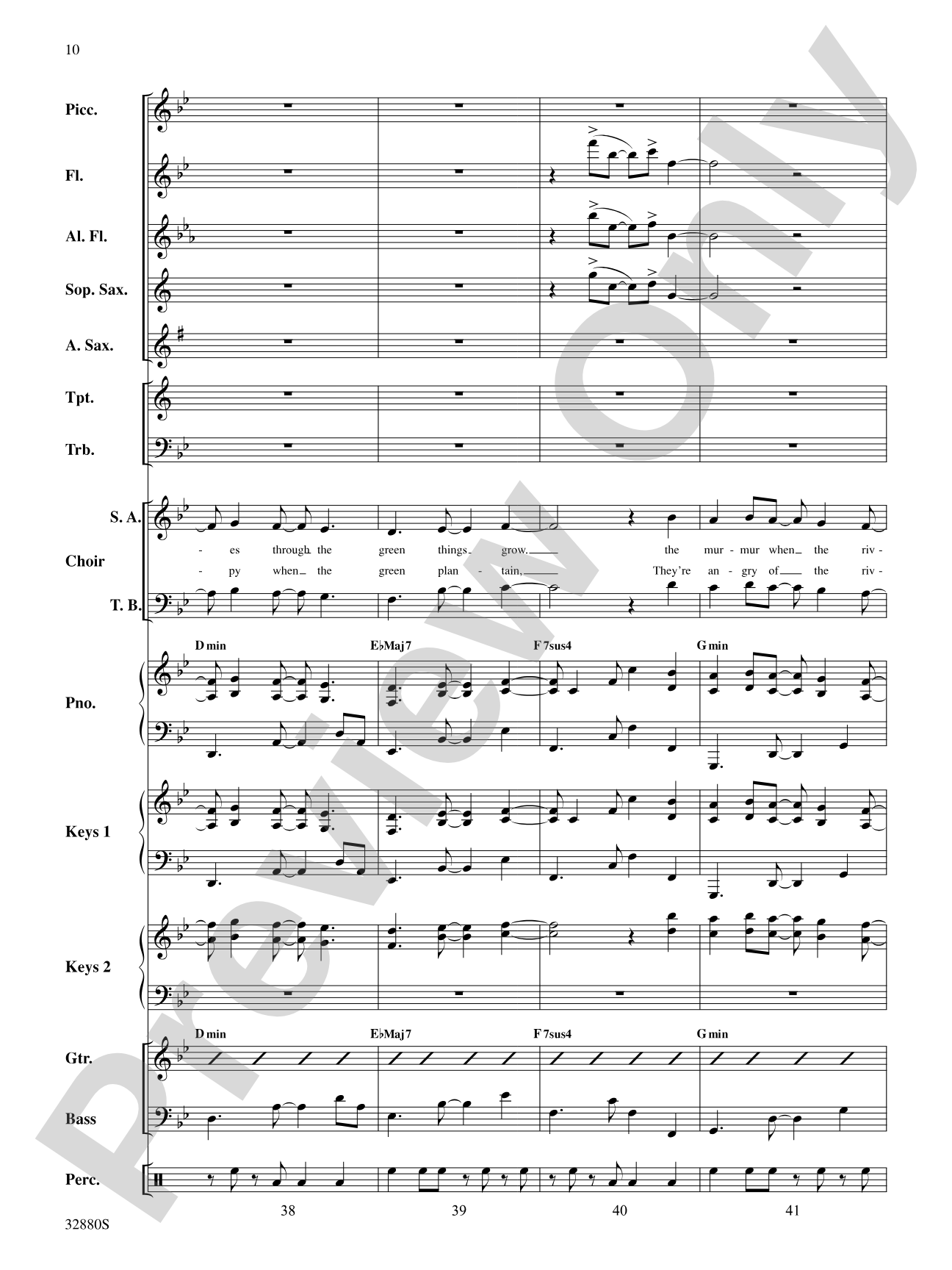
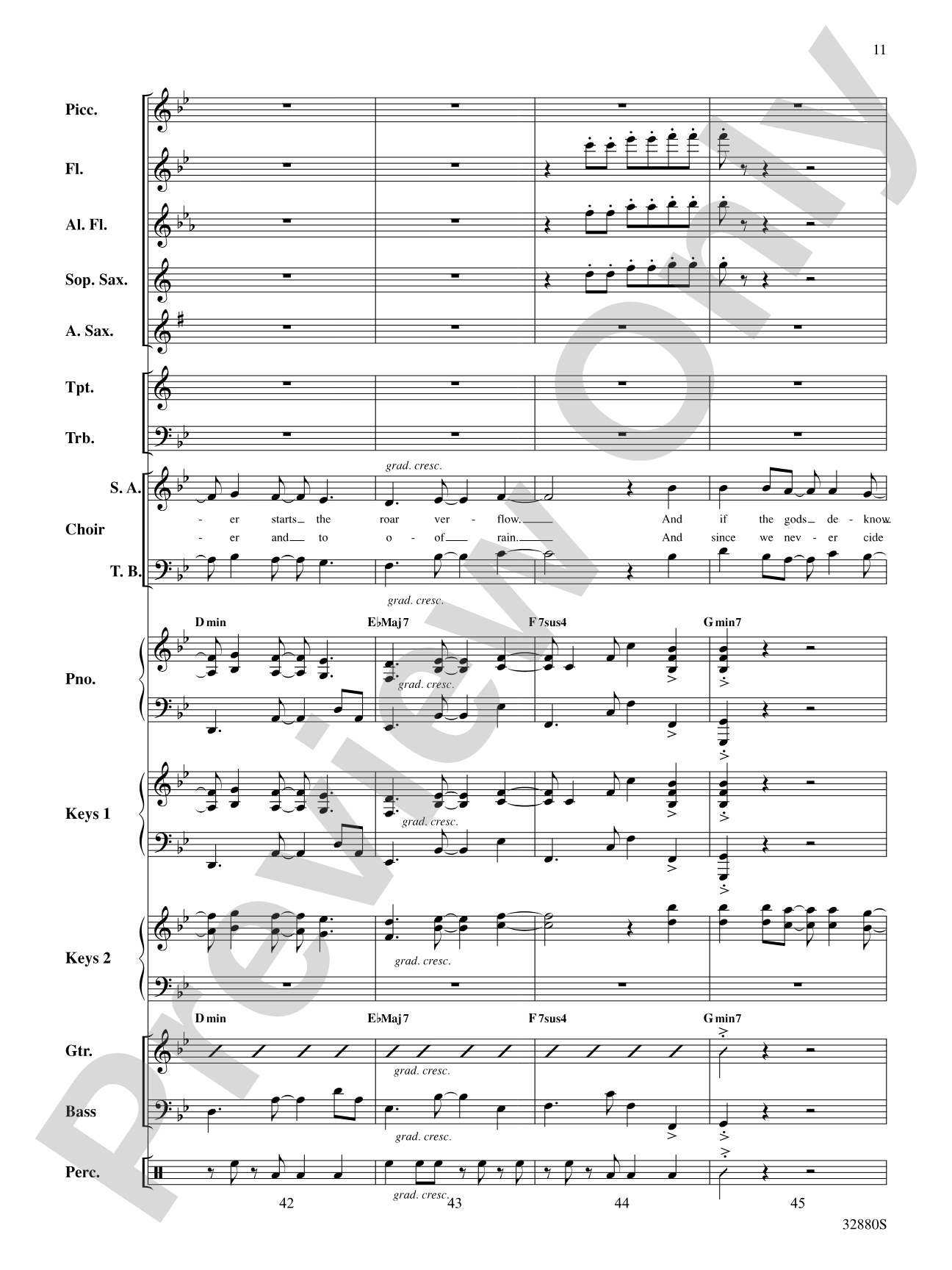
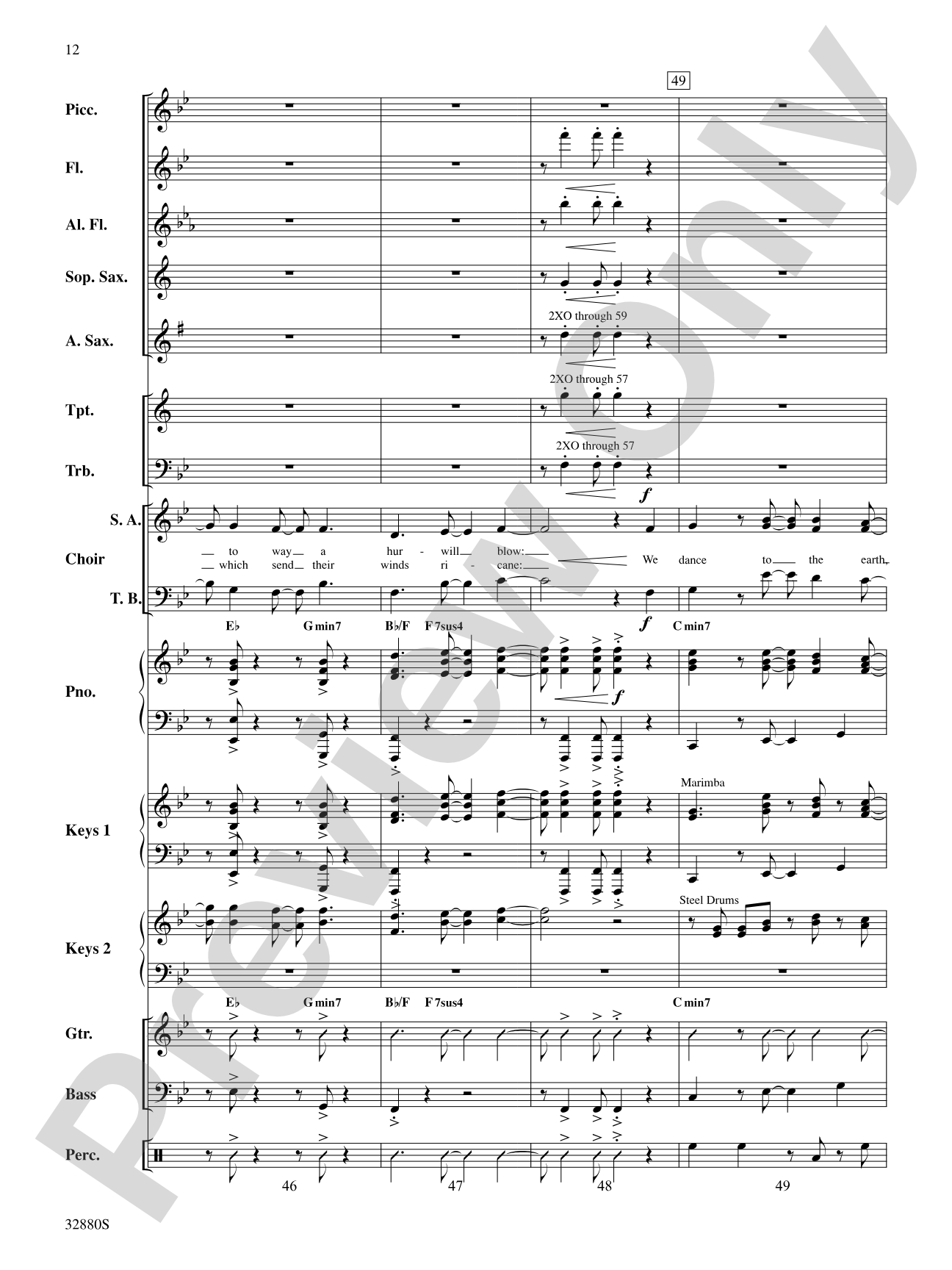
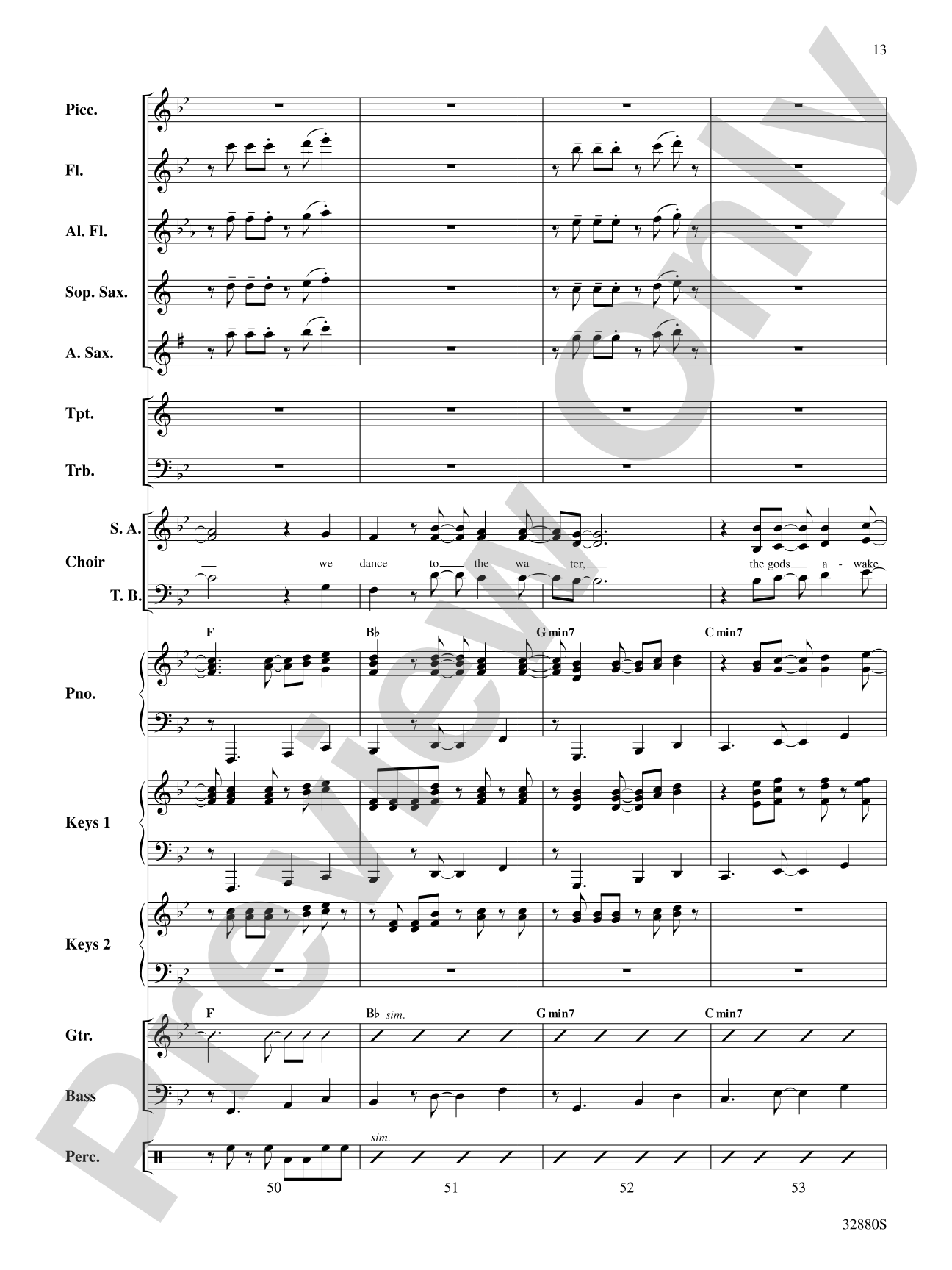
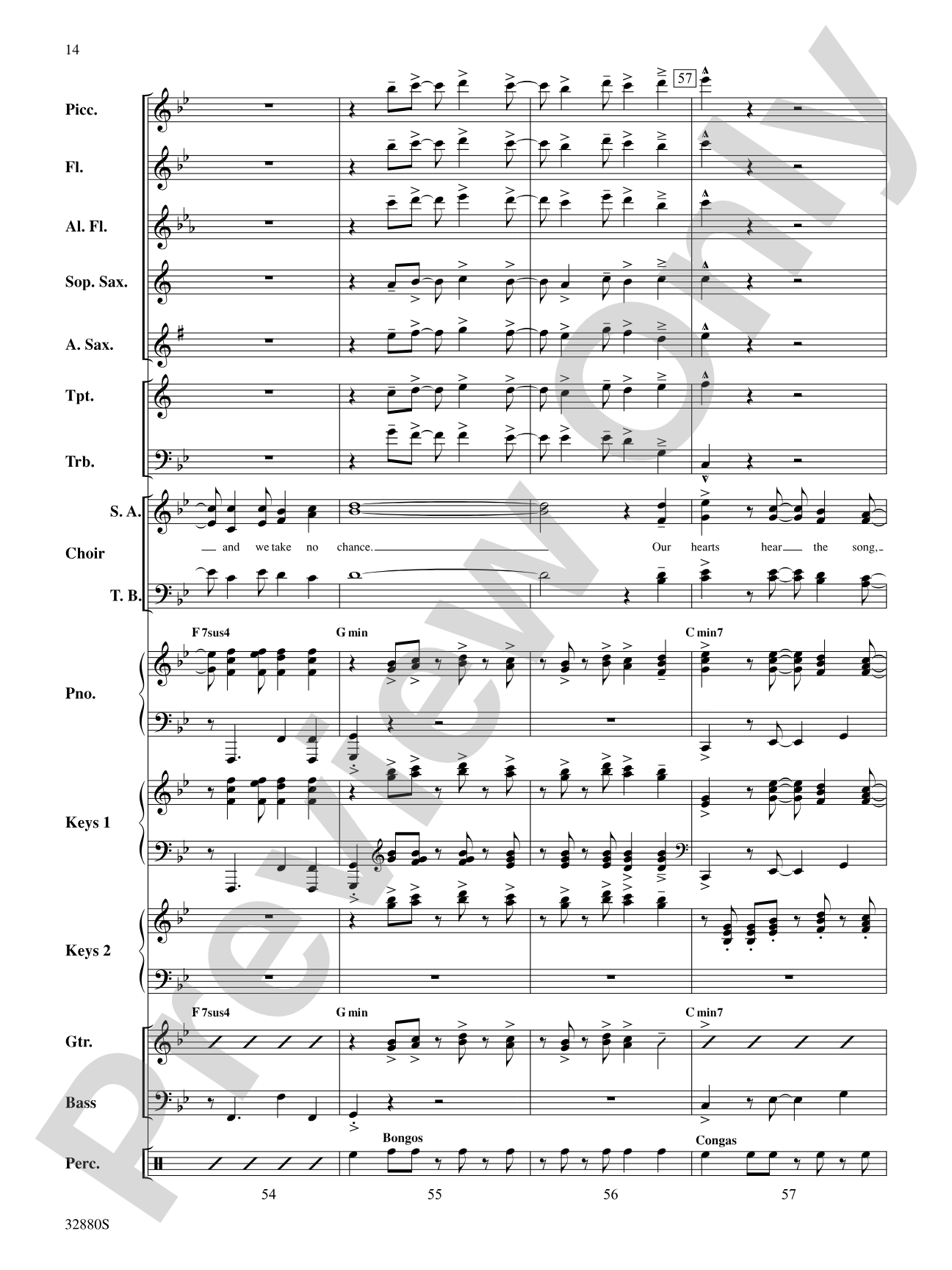
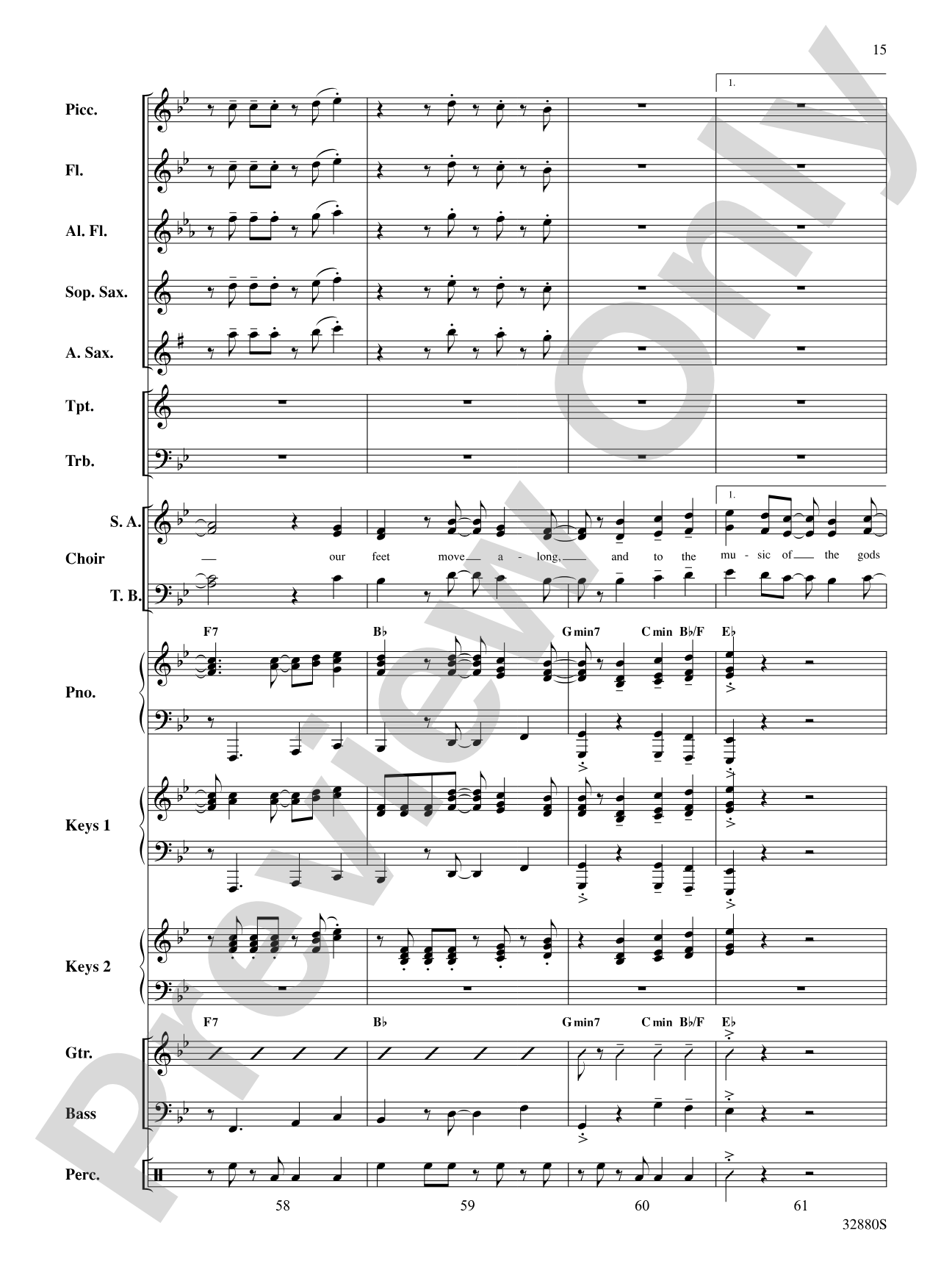
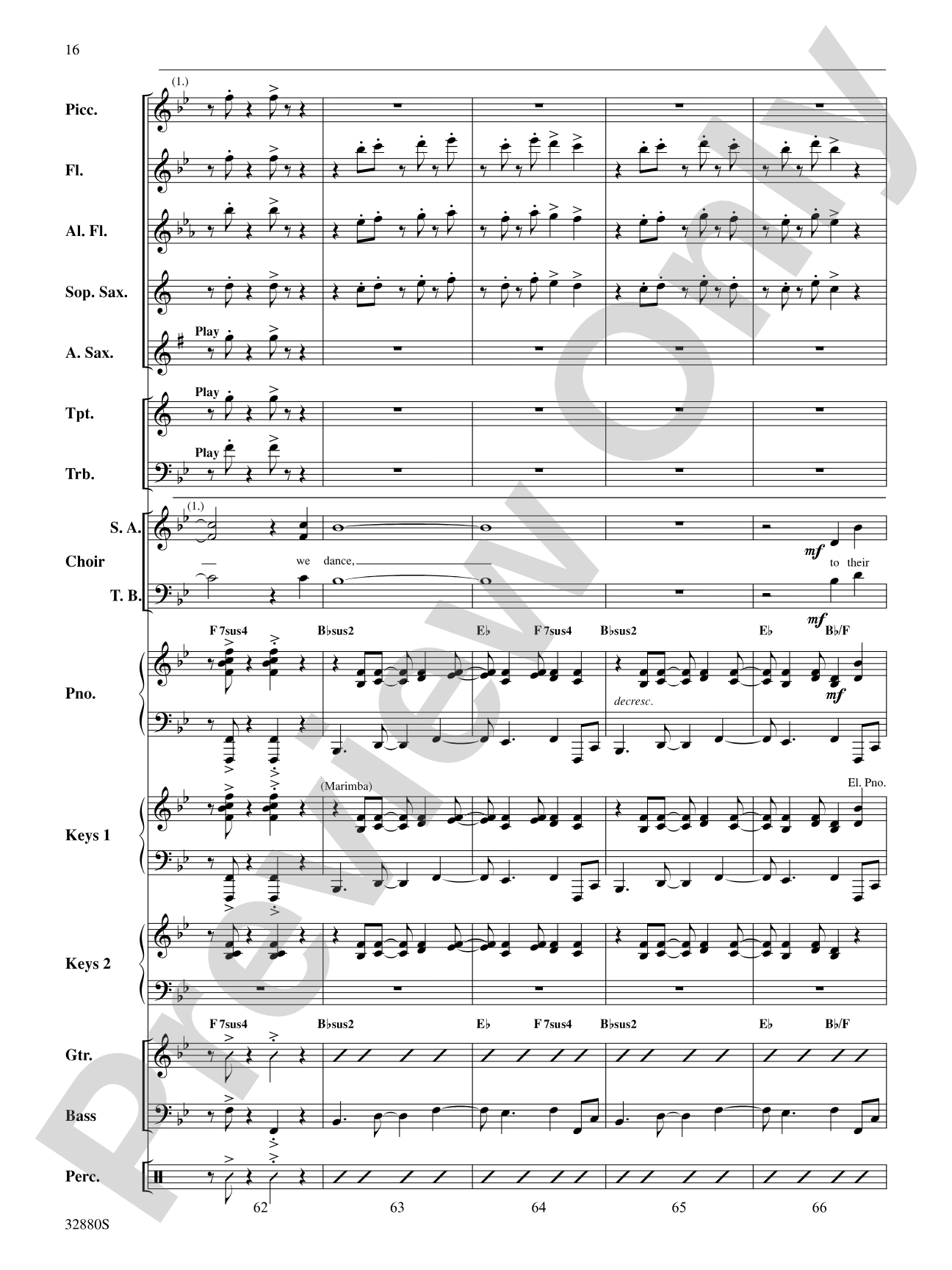
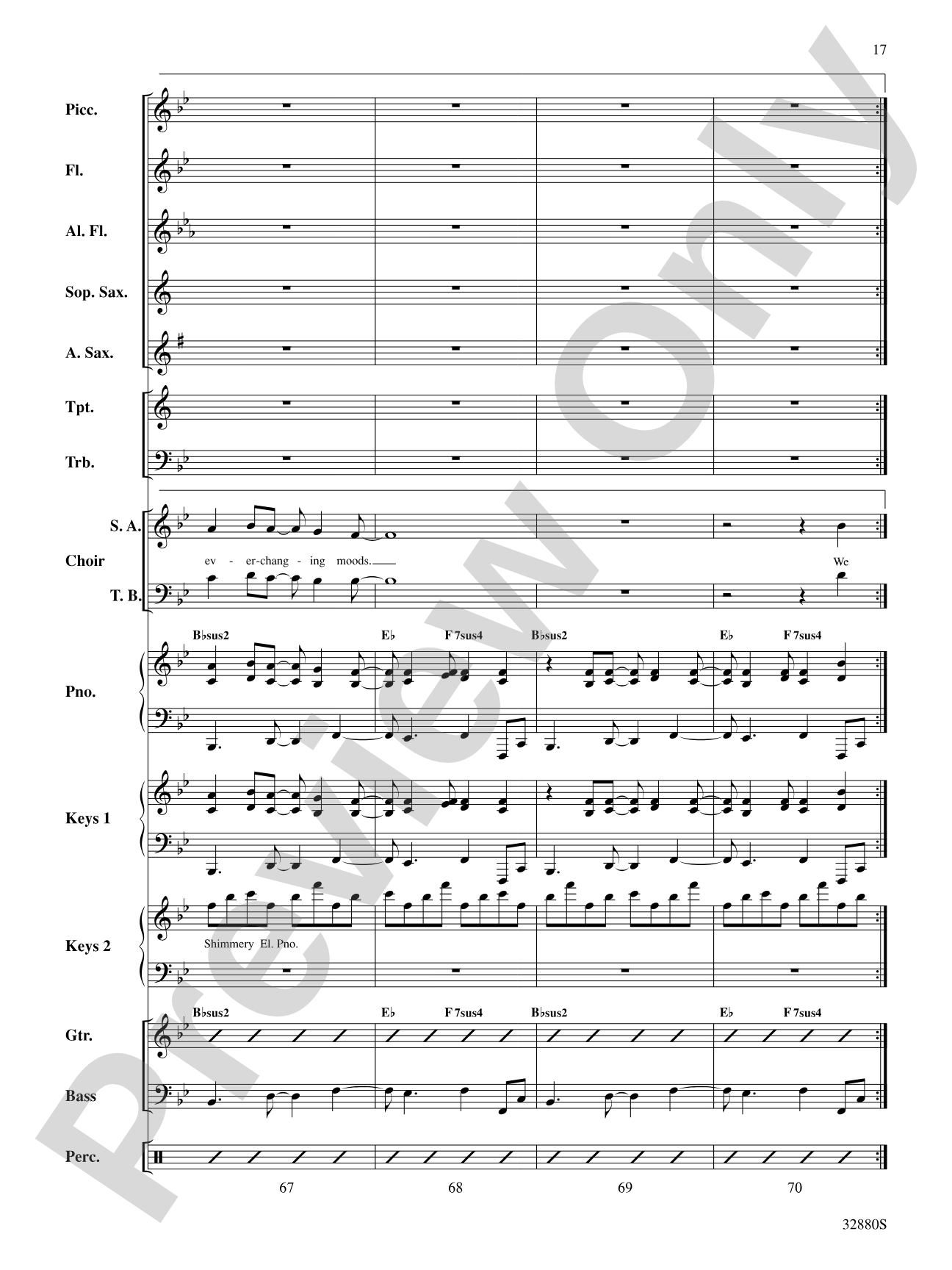
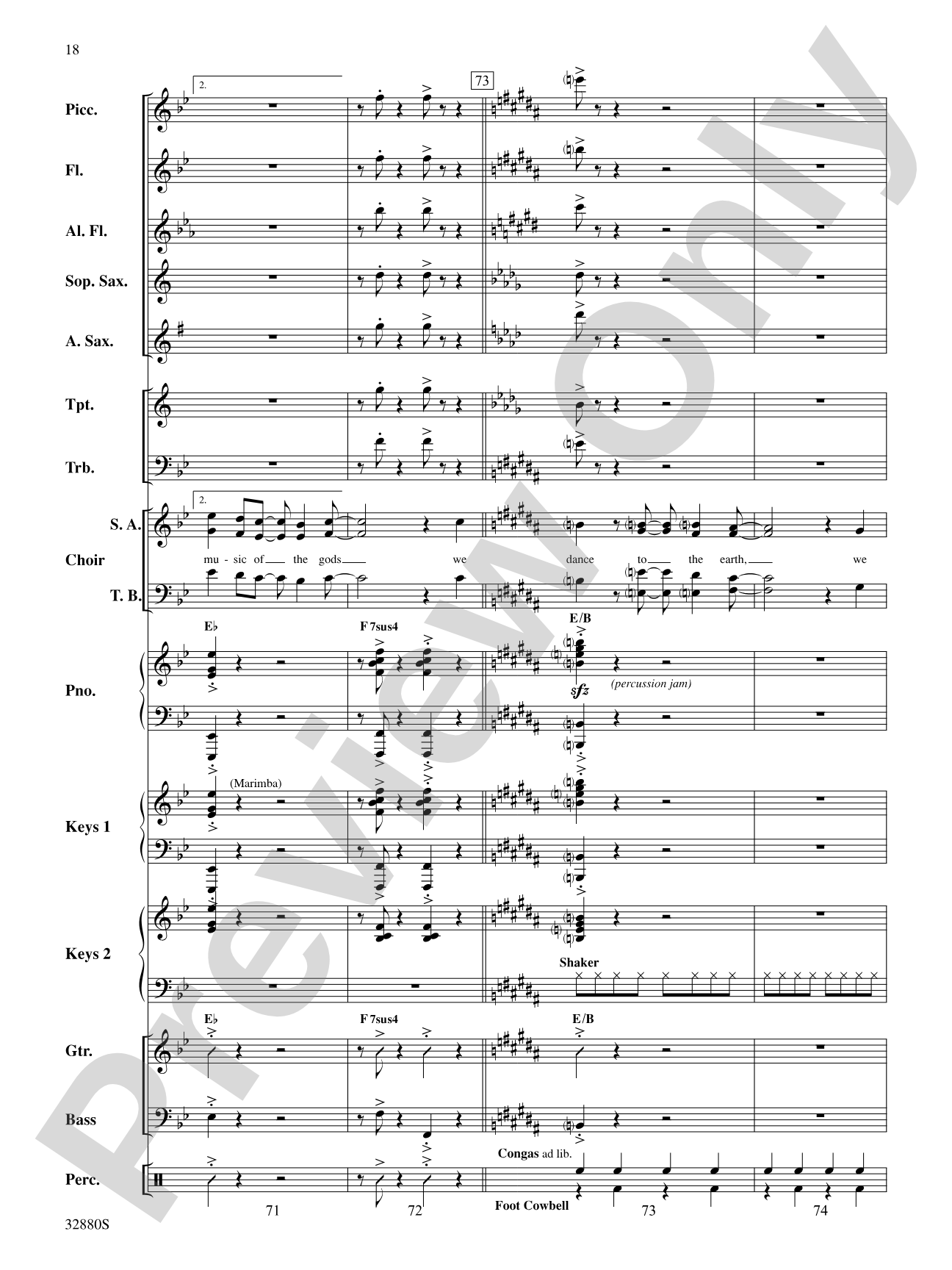
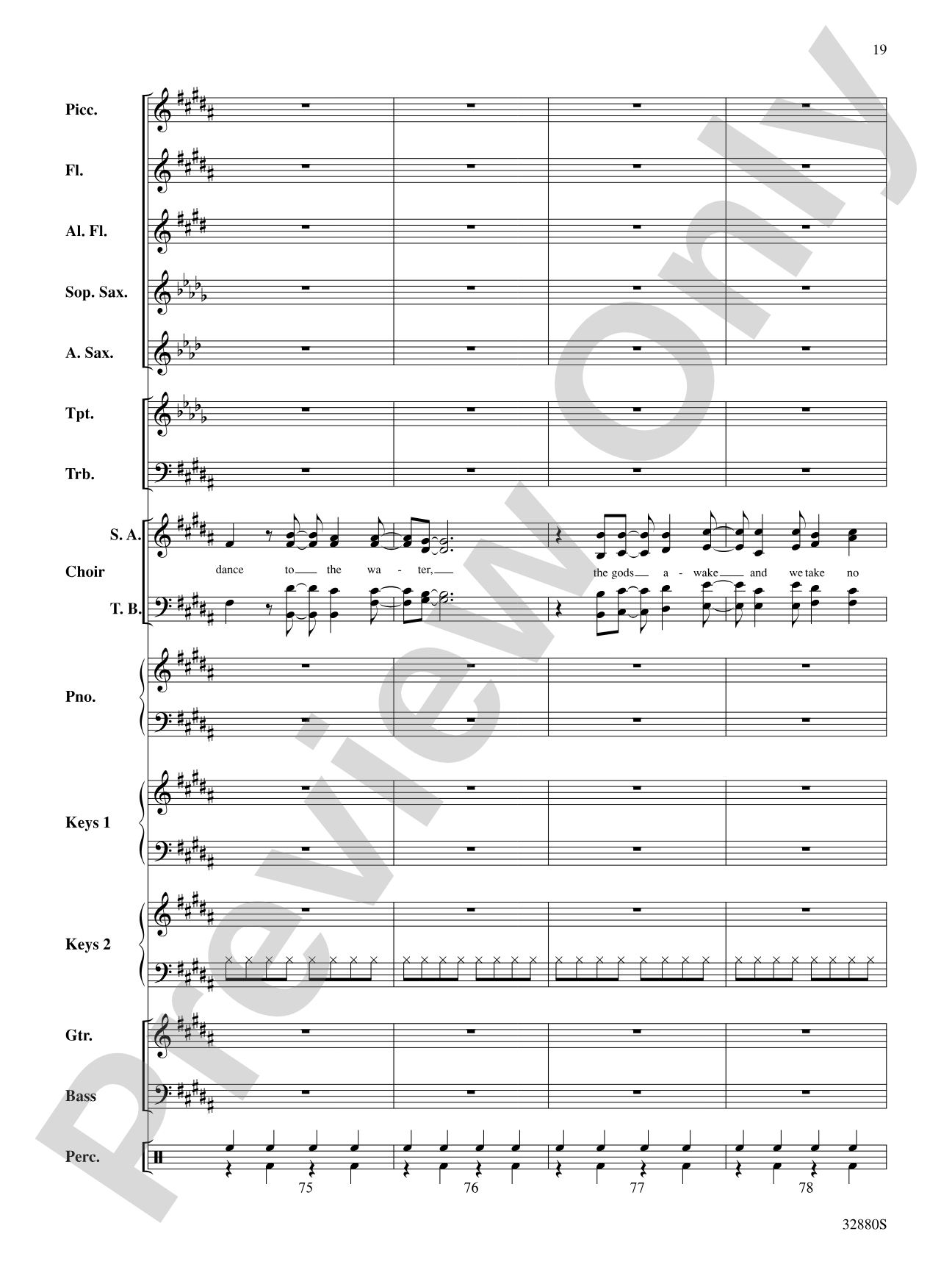
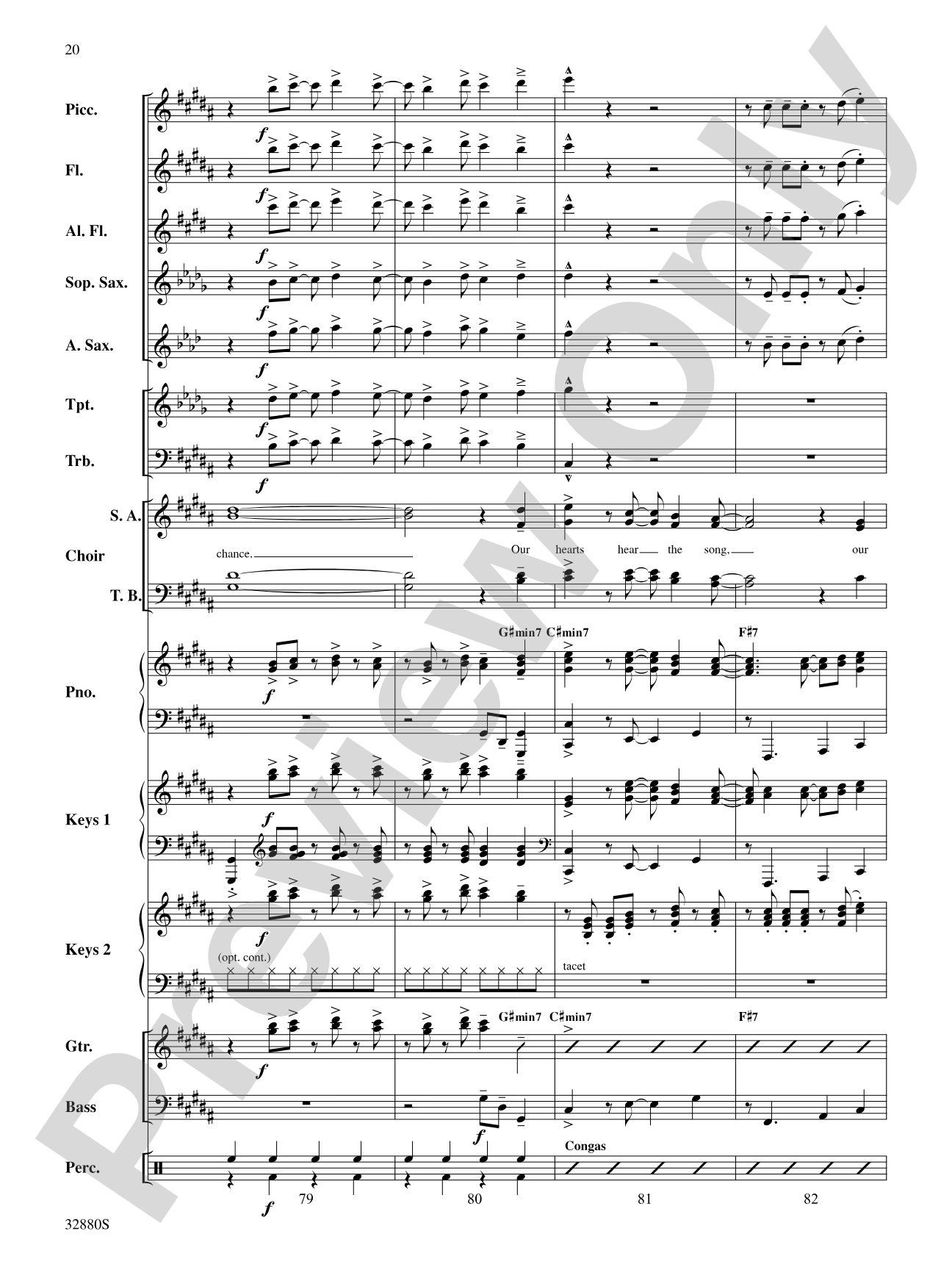
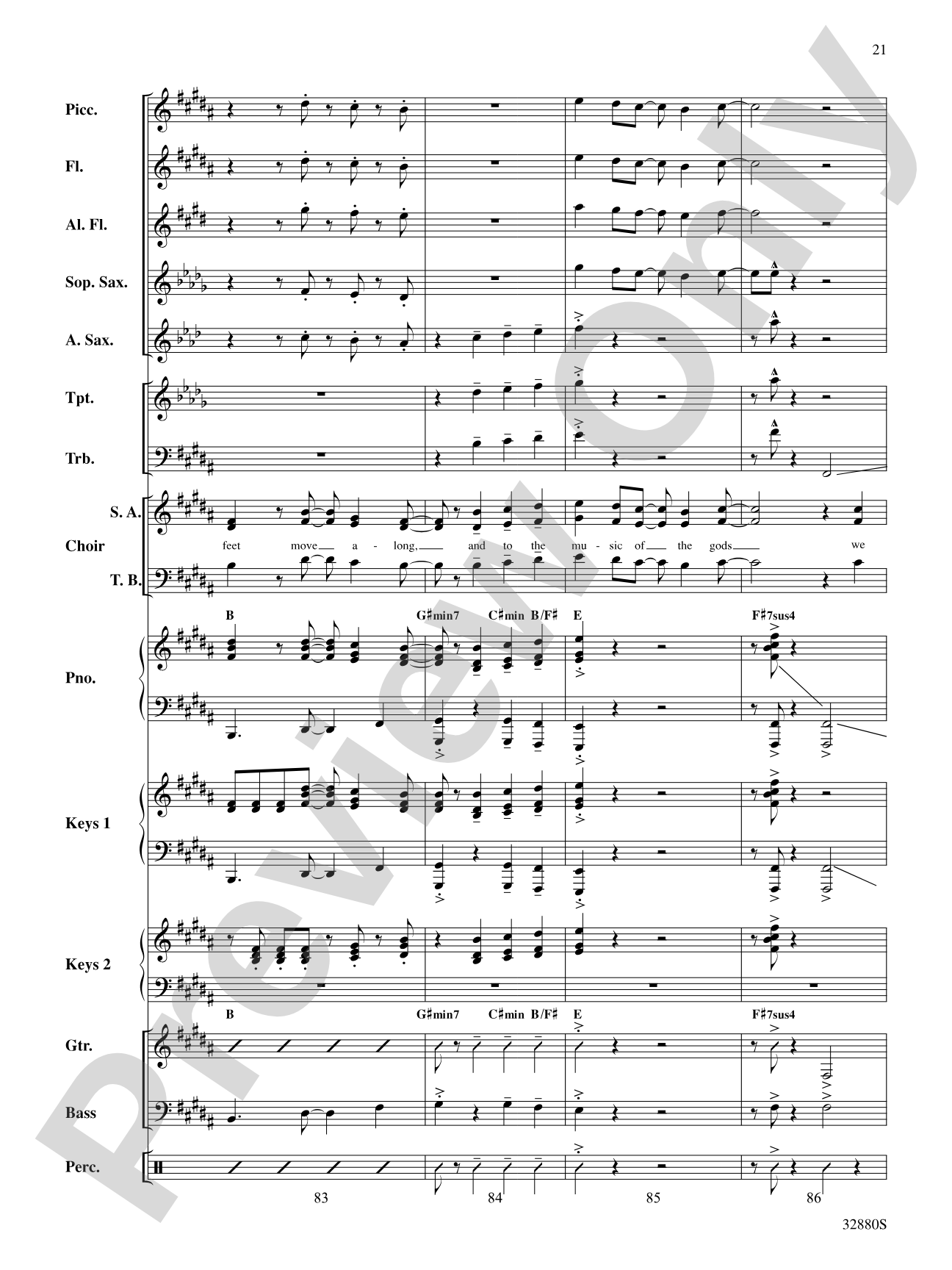
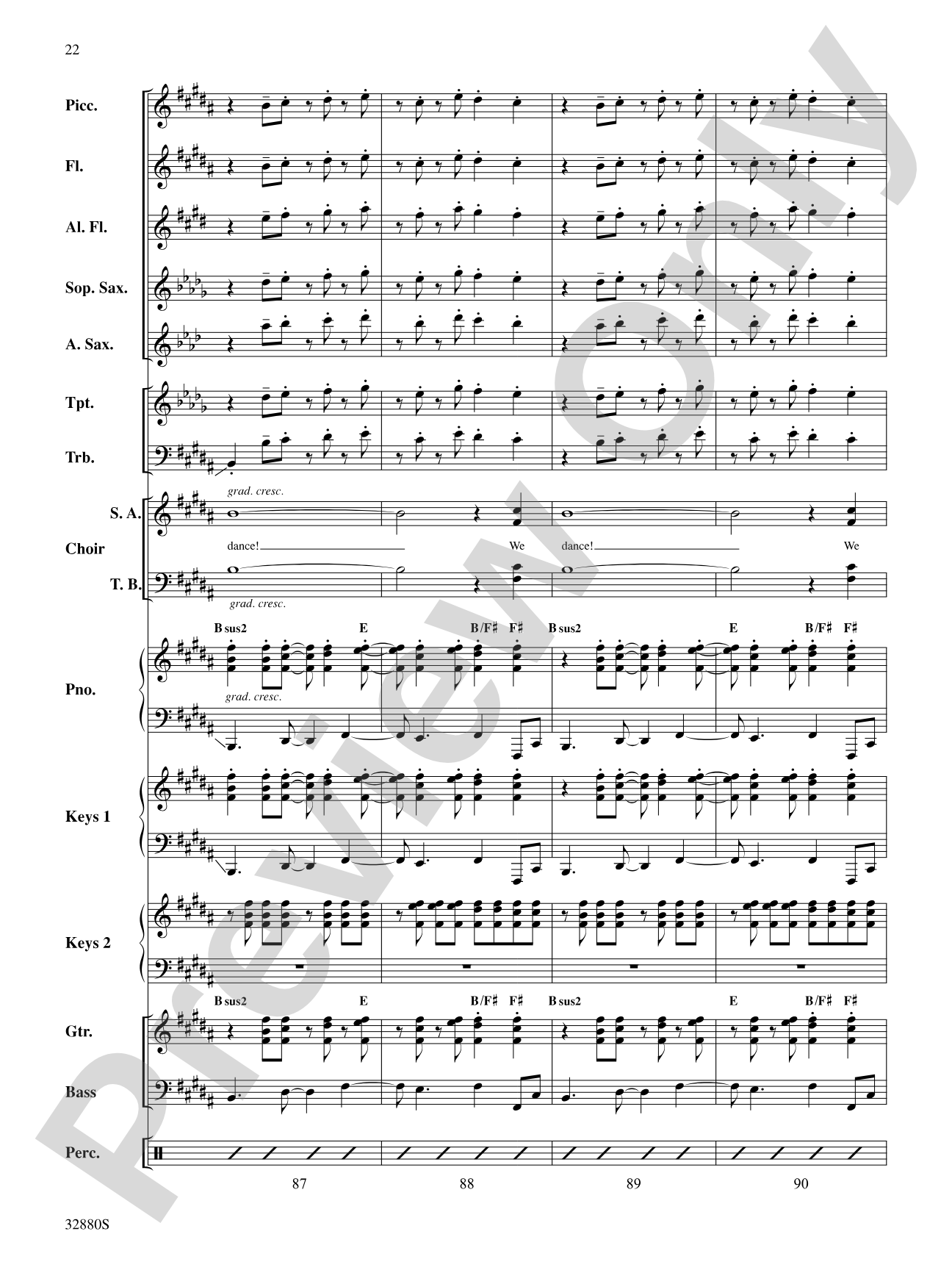
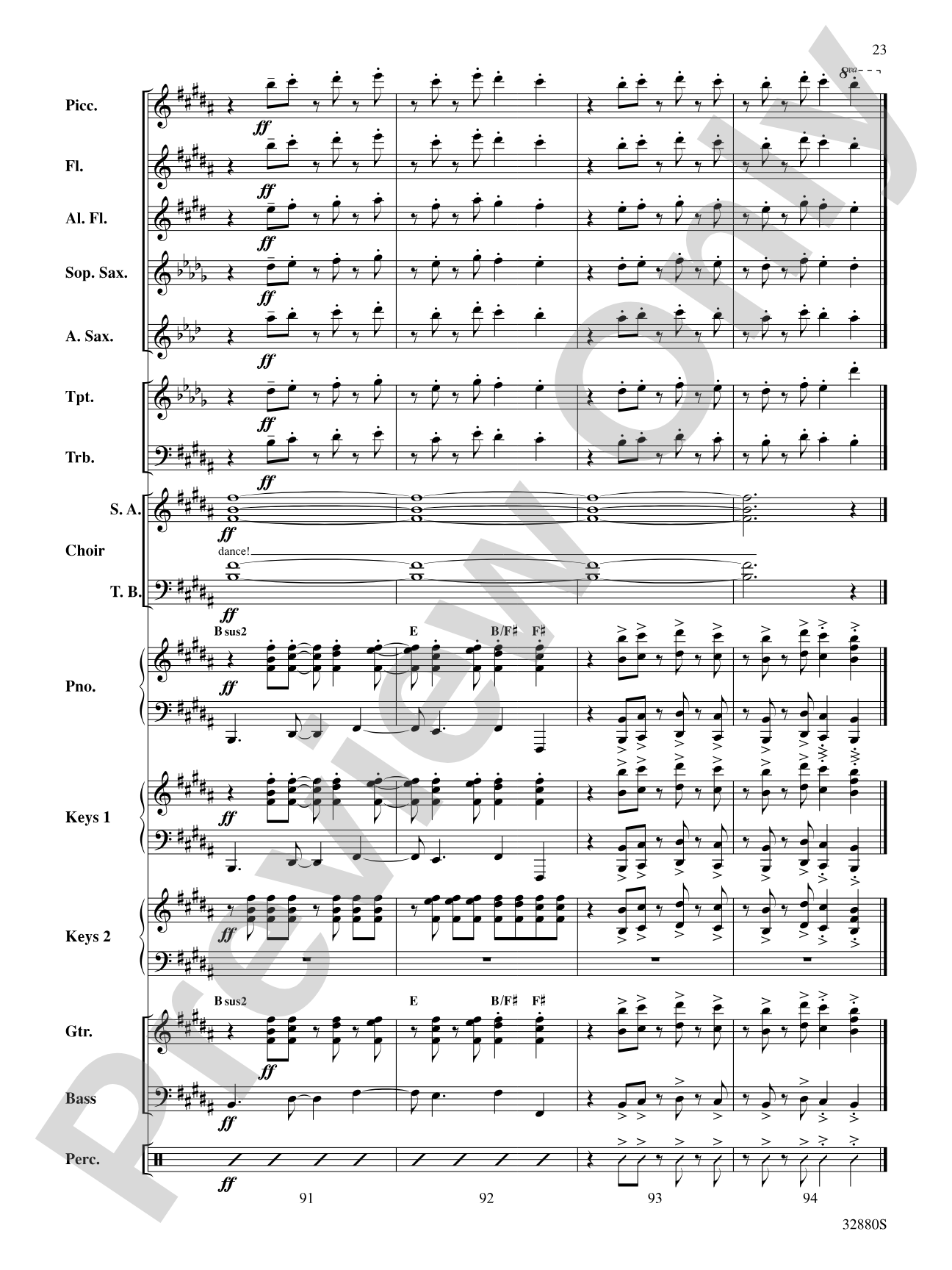


We Dance (from the musical Once on This Island): Choral SoundPax
from the musical Once on This Island
Words by Lynn Ahrens, music by Stephen Flaherty / arr. Andy Beck
Item: 00-PK-0004120

$40.00
One moment…
Related Items
We Dance: SoundTrax Digital Audio Download |
$27.99
|
View | |
We Dance: SATB Choral Octavo |
$1.85
|
View | |
We Dance: 3-Part Mixed Choral Octavo |
$2.25
|
View | |
We Dance: SSA Choral Octavo |
$1.85
|
View | |
We Dance: 2-Part Choral Octavo |
$2.10
|
View | |
We Dance: SATB Choral Octavo |
$1.85
|
View | |
We Dance: 3-Part Mixed Choral Octavo |
$2.25
|
View | |
We Dance: SSA Choral Octavo |
$1.85
|
View | |
We Dance: 2-Part Choral Octavo |
$2.10
|
View | |
We Dance: Choral Octavo SoundTrax CD |
$27.99
|
View | |
We Dance: Choral SoundPax |
$40.00
|
View |
Description
This rhythmic opening number from Broadway's Once on This Island is a syncopated standout with a bright island groove and accented choral singing. With the recent revival, national tours, and a Best Revival Tony Award®, the spotlight returns to this Ahrens and Flaherty favorite. Now available for 2-part treble voices!


Don't just read it, hear it, play along with it, and watch your students grow with it. In MakeMusic Cloud, We Dance (from the musical Once on This Island): Choral SoundPax comes alive with professional accompaniment, adjustable tempo, and built-in practice tools that turn solo practice into real progress.
Open in the Player
Jump straight in and assign it today.
Start Your Free Trial
Open this title and explore the full library in minutes.
Sample Audio
1
Audio File
--:--
0:00
0:00
Sample Video
No sample videos found.
Additional Details
Series:
Alfred Pop Choral Series
Publisher:
Alfred Music
Page Count:
42
SKU:
00-PK-0004120
Instrumentation:
SoundPax
More about this title
About the Composer: Stephen Flaherty
Stephen Flaherty has composed the music for some of Broadway's most celebrated musicals, earning multiple Tony Awards and Grammy Awards over a career spanning decades. His partnership with lyricist Lynn Ahrens has produced beloved scores including Ragtime, Anastasia, and Hadestown, each distinguished by Flaherty's gift for melody and rhythmic invention. Once on This Island, which premiered off-Broadway in 1990 and returned to Broadway in 2018, stands as a landmark work in his catalog, blending Caribbean influences with theatrical storytelling.
Why we love this
This opening number carries the infectious energy of the stage production without requiring elaborate staging or costly licensing complications. The syncopated rhythms and bright groove keep singers engaged while remaining accessible for 2-part treble ensembles, and the availability of recorded accompaniment means you can run polished performances quickly.
What to expect
Warm tropical sunlight and celebration; syncopated rhythms propel the ensemble forward while bright harmonies evoke the island setting and joyful community that opens the show. The groove is infectious, playful, and rhythmically sophisticated all at once, inviting singers to feel the groove as much as sing it.
Who it's for
Directors programming Broadway repertoire for treble choirs who want an opening number that energizes audiences and showcases rhythmic sophistication without extreme vocal demands. This works equally well for middle school or high school choirs seeking contemporary material with proven theatrical appeal.
How to get the most out of it
- Lock the syncopation early in rehearsal by isolating the off-beat accents in each vocal line; many singers will default to straight quarter notes without explicit drill work on the rhythmic layers.
- Use the recorded accompaniment as a reference for tempo and island groove, then conduct at least half your rehearsals without it so singers internalize the pulse independently.
- Choreograph the movement cues thoughtfully; the piece thrives on physical energy, but overly literal or cluttered staging will obscure the vocal parts. Keep gestures clean and synchronized.
How to use it
Open a spring or early fall concert with this number to set an energetic, contemporary tone before moving into contrasting selections. It also pairs beautifully in a Broadway-focused program alongside other theatrical opening numbers or in a pop choral concert where its accessible 2-part writing allows strong inclusion from all singers.
Skills your students will build
- Reading and performing syncopated rhythms across two independent vocal lines
- Maintaining rhythmic accuracy against a recorded accompaniment with shifting harmonic and rhythmic layers
- Blending accented articulation on off-beat syllables without losing tonal quality
- Responding to movement and staging cues while maintaining vocal focus and ensemble balance