
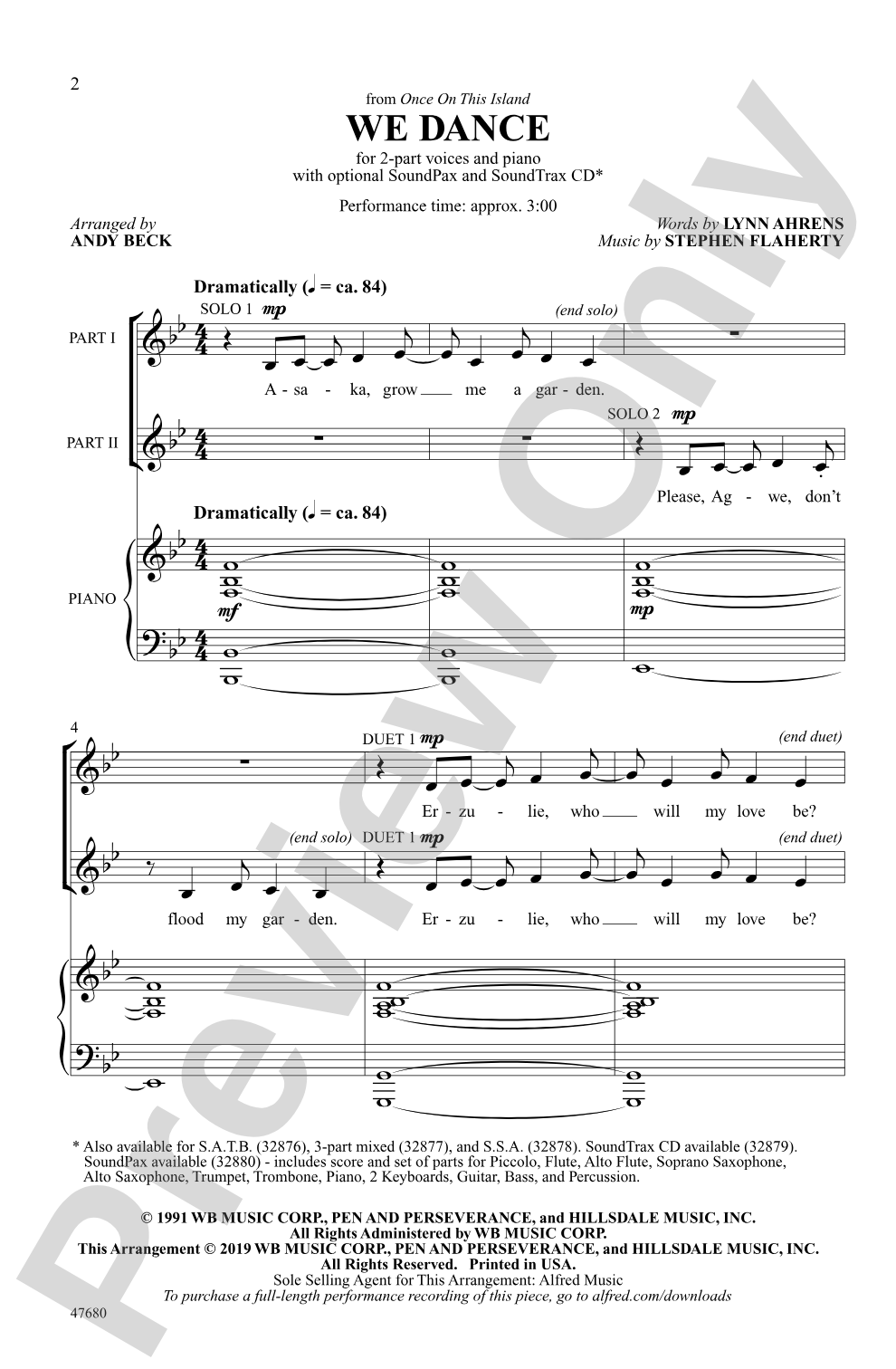

We Dance: 2-Part Choral Octavo
from the musical Once on This Island
Words by Lynn Ahrens, music by Stephen Flaherty / arr. Andy Beck
Item: 00-PO-0006062
$2.10
Minimum order quantity: 20 copies
One moment…
Related Items
We Dance: SoundTrax Digital Audio Download |
$27.99
|
View | |
We Dance: SATB Choral Octavo |
$1.85
|
View | |
We Dance: 3-Part Mixed Choral Octavo |
$2.25
|
View | |
We Dance: SSA Choral Octavo |
$1.85
|
View | |
We Dance (from the musical Once on This Island): Choral SoundPax |
$40.00
|
View | |
We Dance: SATB Choral Octavo |
$1.85
|
View | |
We Dance: 3-Part Mixed Choral Octavo |
$2.25
|
View | |
We Dance: SSA Choral Octavo |
$1.85
|
View | |
We Dance: 2-Part Choral Octavo |
$2.10
|
View | |
We Dance: Choral Octavo SoundTrax CD |
$27.99
|
View | |
We Dance: Choral SoundPax |
$40.00
|
View |
Description
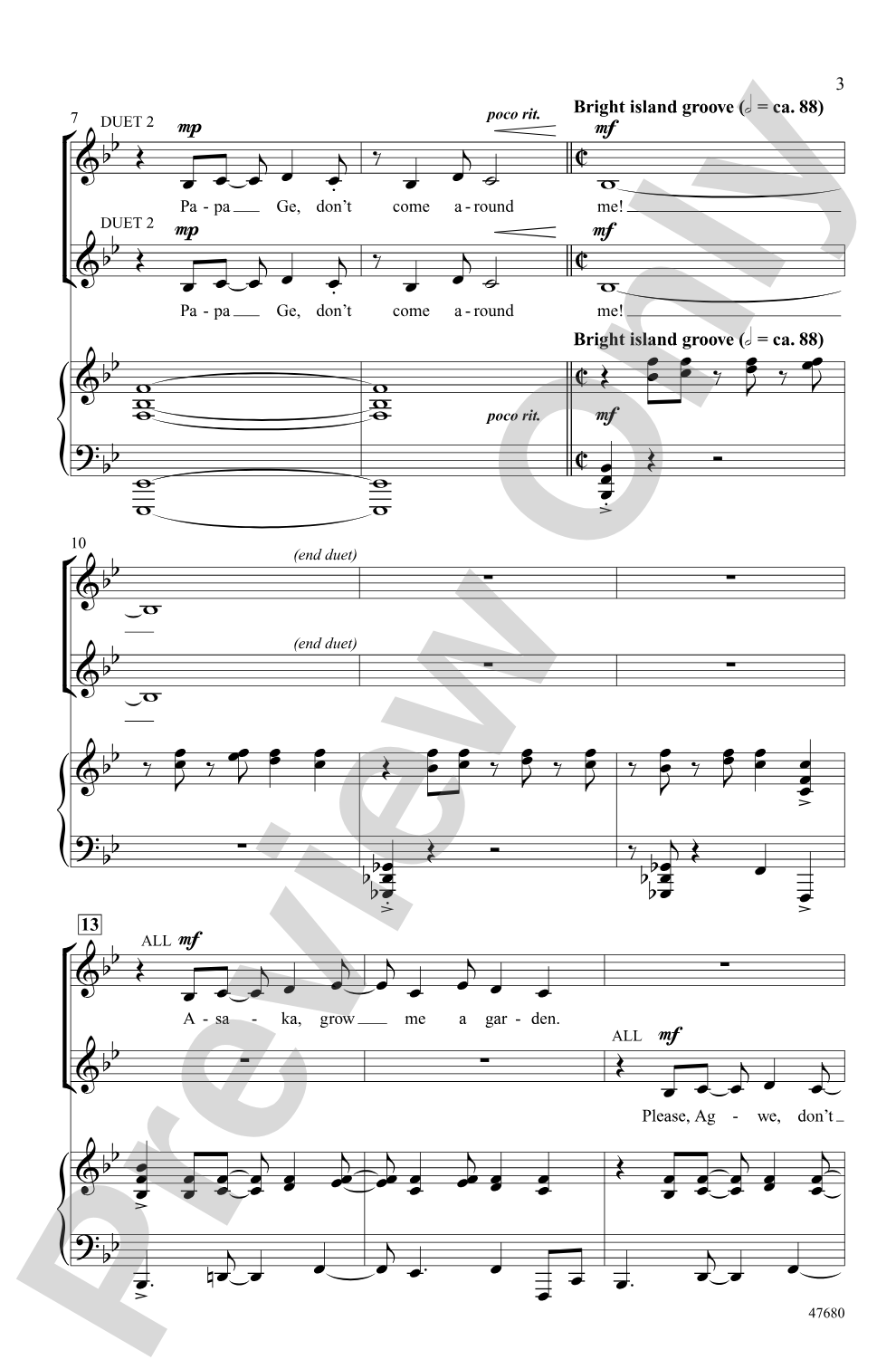
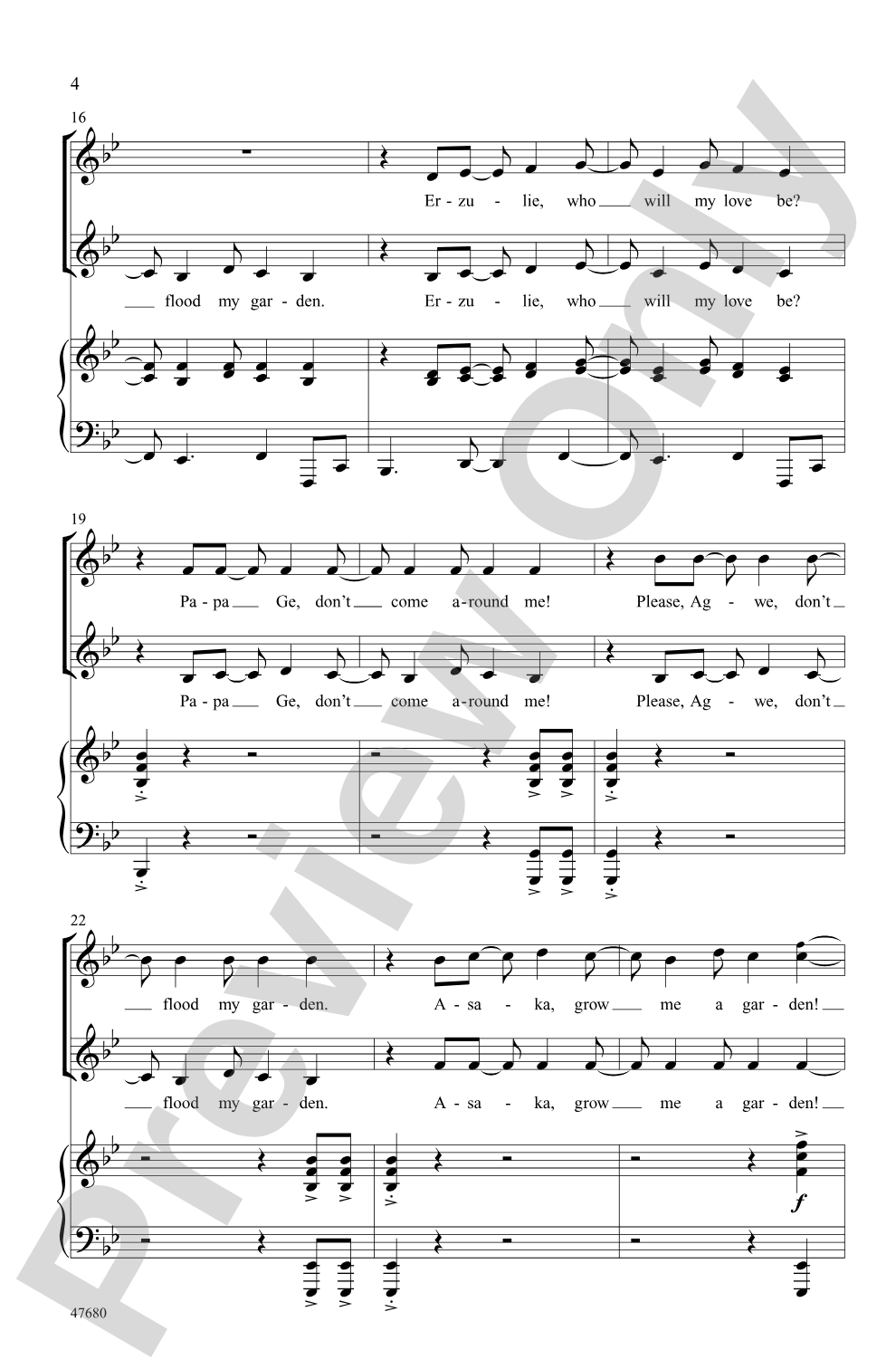
This rhythmic opening number from Broadway's Once on This Island is a syncopated standout with a bright island groove and accented choral singing. With the recent revival, national tours, and a Best Revival Tony Award®, the spotlight returns to this Ahrens and Flaherty favorite. Now available for 2-part treble voices!


We Dance: 2-Part Choral Octavo isn't in MakeMusic Cloud just yet...but it could be. Let us know you'd like to see it, and you'll help shape what comes next. In the meantime, start a free trial and dive into thousands of interactive titles your students can play along with today.
Request This Title
Tell us you want it.
Start Your Free Trial
Explore everything that's ready to play right now.
Sample Audio
1
Audio File
--:--
0:00
0:00
Sample Video
Additional Details
Series:
Alfred Pop Choral Series
Publisher:
Alfred Music
Page Count:
12
SKU:
00-PO-0006062
More about this title
About the Arranger: Andy Beck

Andy Beck leads Alfred Music's choral publications division, where he shapes the catalog that reaches choirs worldwide. His output spans 450+ works across popular arrangements, vocal pedagogy resources, and musical theatre scores, with particular depth in sight-singing methodology and warm-up technique books that have become staples in rehearsal rooms everywhere.
Beyond the printed page, Beck conducts and adjudicates at honor choirs and all-state festivals across the country, and his arrangements turn up regularly on YouTube performed by singers of every age. A trained tenor with degrees from Ithaca College and Northwest Missouri State, he brings hands-on experience from musical theatre direction, chamber singing, and studio work since 1992, grounding his arrangements in what actually works when real singers stand up to perform.
Why we love this
Beck nails the groove here. This isn't a stiff transcription of the original; the syncopation and accented choral lines feel alive and energetic in a way that actually excites young singers to learn it. The 2-part voicing opens the door to groups that might not have the range or confidence for the full SATB version, yet the arrangement never sacrifices the island flavor or Broadway integrity that makes the song memorable.
What to expect
Bright, rhythmic energy with an island pulse underneath. The syncopation keeps the melody from feeling predictable, while the accented choral parts create a driving, percussive quality that makes you want to move. It's joy with precision, celebration with musicality.
Who it's for
Directors building a program that celebrates contemporary musical theatre, especially those serving treble-voiced ensembles or younger singers not yet ready for advanced voicings. The Tony Award-winning revival makes this a culturally current choice that students recognize and enjoy bringing to life.
How to get the most out of it
- Let the syncopation breathe. Young singers often want to rush through syncopated rhythms or straighten them out. Use a slow click to establish where the pulse really sits, then gradually bring the tempo up without losing the pocket.
- Shape the accents deliberately. The accented syllables aren't just louder; they're the heartbeat of the groove. Mark them in rehearsal and treat them like percussion hits that drive the forward motion.
- Anchor the recorded accompaniment in your own pulse first. Sing through a few phrases with just a metronome before adding the full track so your singers develop independence and don't drift with the recording.
How to use it
Open a concert with this. Its brightness and immediate energy set a dynamic tone, and the movement and staging options give your singers a chance to engage the audience physically. It pairs well in a Broadway-themed set or as a pop choral feature within a mixed repertoire program.
Skills your students will build
- Reading and performing syncopated rhythms in a pop/musical theatre context
- Executing precise accented attacks within a groove-based ensemble sound
- Blending two-part harmony while maintaining rhythmic independence
- Connecting physical movement to musical phrasing and dynamics