Watoto Wa Dunia Cover Image

Watoto Wa Dunia: 2-Part Choral Octavo

$1.85 USD
Sale price  $1.85 USD Regular price 
Skip to product information
Watoto Wa Dunia Cover Image

Watoto Wa Dunia: 2-Part Choral Octavo

(Children of the Earth -- Swahili)

Words and music by Sally K. Albrecht and Jay Althouse

Item: 00-41787

makemusic Cloud badge
$1.85
Shipped

One moment…

Description
This fun feature for 2- and 3-part choirs includes Swahili and English lyrics, rhythmic chanting, accented body percussion, and many call and response phrases. Layered African instruments energize the SoundTrax CD and Sally's easy-to-teach choreography (available on Lights!) is spot on.

Don't just read it, hear it, play along with it, and watch your students grow with it. In MakeMusic Cloud, Watoto Wa Dunia: 2-Part Choral Octavo comes alive with professional accompaniment, adjustable tempo, and built-in practice tools that turn solo practice into real progress.

Sample Pages

Sample Audio
0:00
0:00
Sample Video
Additional Details
Series: Alfred Choral Designs
Publisher: Alfred Music
Page Count: 12
UPC: 038081468679
SKU: 00-41787

More about this title

About the Composer: Sally K. Albrecht
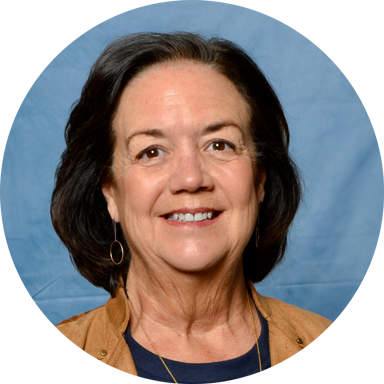
Sally K. Albrecht

Sally K. Albrecht has shaped American choral music through over 600 published works and extensive leadership in music education. A three-time ASCAP Award recipient beginning in 1987, she spent more than thirty years directing choral, vocal, and elementary publications for major educational publishers, including Alfred Music. Her conducting credentials span prestigious venues such as Lincoln Center, Carnegie Hall, and The Kennedy Center, where she has led honor choirs and festivals nationwide.

Beyond composing, Albrecht holds degrees from Rollins College (B.A., 1976), the University of Miami (M.A. in Drama, 1977; M.M. in Accompanying, 1979), and has taught in music departments at Oakland University, Jersey City State College, and Meredith College. She is a Distinguished Alumna of both the University of Miami Frost School of Music and Rollins College, where she serves on the Board of Trustees. Albrecht currently resides in Wake Forest, North Carolina, with her husband, composer and arranger Jay Althouse.

Why we love this

Albrecht and Althouse have crafted a 2-part piece that feels genuinely joyful rather than condescending, with authentic Swahili and English text that opens cultural doors. The integrated movement, body percussion, and call-and-response structure create natural energy without requiring elaborate choreography preparation, though Albrecht's choreography option adds polish when you want it. Singers at this level rarely get material that feels this alive while remaining genuinely manageable.

What to expect

Watoto Wa Dunia radiates infectious joy and community. The African instrumentation on the recording creates warmth without overwhelming young voices, while the call-and-response structure and body percussion root the piece in participatory music making rather than performance distance.

Who it's for

Directors of developing 2-part choirs who want material with genuine cultural substance and built-in movement appeal. This works especially well when you're teaching ensemble cohesion and need singers fully engaged, not passively holding notes.

How to get the most out of it

  • Learn the rhythmic chanting sections separately before layering them with melody; the interlocking patterns will click faster once each voice part owns its line independently.
  • Encourage singers to connect the body percussion (claps, pats, stamps) as part of the phrasing, not as decoration. The percussion should breathe with the music, not fight against it.
  • Use the recorded accompaniment to anchor the Swahili pronunciation and model the stylistic feel, especially the call phrases that set the tone for ensemble responses.
  • If you stage the piece, block the movement early in rehearsal so singers can integrate breath and gesture from the start rather than adding choreography as an afterthought.

How to use it

Program this as a concert opener or closer when you want audience energy and genuine smiles. It pairs well with other world music selections or stands beautifully as a standalone feature that celebrates cultural diversity and youthful spirit.

Skills your students will build

  • Singing in call-and-response patterns with secure entrances and clear phrase endings
  • Coordinating rhythmic chanting with pitched melody
  • Integrating body percussion (claps, pats, stamps) while maintaining vocal line integrity
  • Pronouncing and sustaining Swahili vowels and consonants
  • Connecting movement to music phrasing and breathing

You May Also Like
