Wade in the Water Cover Image

Wade in the Water: SSAA Choral Octavo

$2.25 USD
Sale price  $2.25 USD Regular price 
Skip to product information
Wade in the Water Cover Image

Wade in the Water: SSAA Choral Octavo

Traditional Spiritual / arr. Mark Hayes

Item: 00-20181

makemusic Cloud badge

Need it now?

Buy Digital Version
$2.25
Shipped

One moment…

Description
The classic arrangement returns in a new SAB voicing! This work opens with a choral fanfare-like section and progresses through several swinging sections to a climactic finish. This is Mark Hayes at his very best. Many opportunities for brief solos. And the optional instrumental accompaniment (or SoundTrax CD) is outstanding.

Don't just read it, hear it, play along with it, and watch your students grow with it. In MakeMusic Cloud, Wade in the Water: SSAA Choral Octavo comes alive with professional accompaniment, adjustable tempo, and built-in practice tools that turn solo practice into real progress.

Sample Pages

Sample Audio
0:00
0:00
Sample Video
Additional Details
Series: Alfred Archive Edition: Alfred Choral Designs
Publisher: Alfred Music
Page Count: 12
UPC: 038081187457
SKU: 00-20181

More about this title

About the Arranger: Mark Hayes
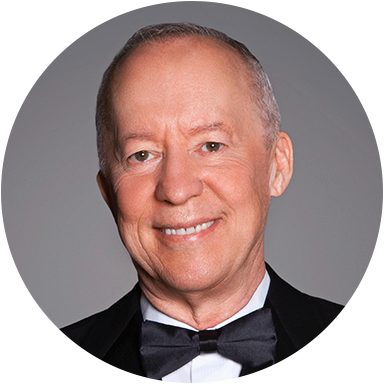
Mark Hayes

Mark Hayes has composed and arranged over 1,750 works across sacred and secular genres, establishing himself as one of the most prolific voices in American choral and piano music. A Baylor University graduate in piano performance, he has conducted world premieres of his own compositions at Lincoln Center and prestigious venues including St. Paul's Cathedral in Rome, while receiving the 2010 Award for Exemplary Leadership in Christian Music from his alma mater.

Beyond the concert hall, Hayes has shaped musical theater scores and orchestrations for Broadway productions, bringing his compositional sophistication to commercial work. Based in Kansas City, Missouri, his catalog spans from gospel and jazz arrangements to classical suites and liturgical settings, with particular distinction in writing for treble voices and mixed ensembles.

Why we love this

Hayes crafts this spiritual with genuine swing and architectural clarity, building from an arresting fanfare opening through sections that breathe and push forward with real momentum. The solo opportunities scattered throughout keep singers engaged and give you chances to feature your strongest voices, while the arrangement stays accessible enough for confident high school choirs to execute with polish.

What to expect

The piece opens with dramatic flair, as if brass might enter at any moment, then settles into sections that swing with a gospel sensibility. The harmonies are lush without becoming heavy, and the overall arc builds toward a triumphant finish that feels earned rather than imposed.

Who it's for

Choirs with strong treble sections looking for a high-energy sacred work that sits well for SSA voices. This arrangement works for singers from advanced high school through community and church choirs seeking something more sophisticated than straightforward hymn settings, yet still rooted in a beloved spiritual.

How to get the most out of it

  • Shape the opening fanfare section with crisp articulation and clear voice independence; avoid letting it blur into a general shout.
  • Anchor the swinging sections with a steady rhythmic pulse in the rhythm section or accompaniment; precision here makes the looser phrasing breathe.
  • Balance solo passages carefully so they project without drowning the harmonic support; mark dynamics precisely in rehearsal to avoid soloists oversinging.
  • Build intensity gradually through the progression toward the climax rather than arriving at full volume too early; save dynamic reserve for the finish.

How to use it

Program this as a centerpiece for a concert celebrating American choral traditions or pair it with other spirituals and folk song arrangements to create a thematic set. It also works well in spring concerts or festival competitions where you want to showcase both your ensemble's technical control and their musicality.

Skills your students will build

  • Balancing full ensemble sound with featured solo lines
  • Singing through extended melodic phrases while maintaining rhythmic precision
  • Interpreting style markings that indicate swing rhythm and gospel inflection
  • Blending treble voices across sustained harmonic passages

You May Also Like
