Three Jazz Carols Cover Image

Three Jazz Carols: Choral Octavo SoundTrax CD

$22.95 USD
Sale price  $22.95 USD Regular price 
Skip to product information
Three Jazz Carols Cover Image

Three Jazz Carols: Choral Octavo SoundTrax CD

It Came Upon a Midnight Clear / The Coventry Carol / Angels We Have Heard on High

Arr. Donald Moore

Item: 00-23445

$22.95
Shipped

One moment…

Description
"It Came Upon a Midnight Clear," "The Coventry Carol," and "Angels We have Heard on High" like you have never heard them before. This brief holiday medley delights with its jazzy harmonies and swingy waltz tempos that break only once in the balladic middle. It's here that Donald Moore weaves in two additional Christmas themes. Outstanding when performed with a live jazz combo (using the SoundPax parts) or with the SoundTrax CD.

Three Jazz Carols: Choral Octavo SoundTrax CD isn't in MakeMusic Cloud just yet...but it could be. Let us know you'd like to see it, and you'll help shape what comes next. In the meantime, start a free trial and dive into thousands of interactive titles your students can play along with today.

Sample Pages

No sample pages found.

Sample Audio
0:00
0:00
Sample Video
Additional Details
Series: Alfred Choral Designs
Publisher: Alfred Music
UPC: 038081237695
SKU: 00-23445

More about this title

About the Arranger: Donald Moore
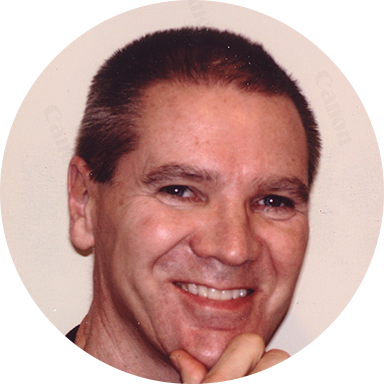
Donald Moore

Donald Moore earned his Bachelor of Music in organ performance and Master of Arts in Teaching from Kent State University. He serves as Organist-Choirmaster at Pilgrim United Church of Christ in Cuyahoga Falls, Ohio, where he has developed a distinctive voice in contemporary choral writing.

Moore's catalog spans over 500 published compositions across sacred, secular, and educational genres, distributed through Alfred Music, Hal Leonard, Heritage Music Press, and other major publishers. His arrangements and original works have earned seventeen ASCAP Composers Standard Awards and regular performance at state and national music festivals. The American Choral Directors Association recognized him among 400 composers of historical significance in American choral music.

Why we love this

Moore's jazz sensibility transforms these well-known carols into something genuinely fresh without losing their essential character. The arrangement's structural arc—bouncy and swinging through two carols, settling into a contemplative ballad that introduces two additional holiday themes, then returning to energy—gives conductors a built-in dramatic shape that keeps audiences engaged. The flexibility to perform with either a live jazz ensemble or the included recorded accompaniment makes this accessible whether your program includes instrumental soloists or not.

What to expect

The opening cascades with harmonic sophistication and rhythmic swing, inviting listeners into a jazzier holiday world. When the balladic center arrives, the mood softens into something genuinely lyrical; Moore's interweaving of additional Christmas themes creates an unhurried, almost improvisational warmth. The return to the opening's energy lands as a satisfying bookend, leaving audiences with brightness and movement rather than reverence.

Who it's for

This octavo works for choirs seeking a holiday program that moves beyond traditional carols without abandoning the repertoire singers and audiences know. It suits intermediate to advanced choirs comfortable with jazz vocabulary and contemporary harmonic language, whether you're programming a full winter concert or a shorter holiday showcase.

How to get the most out of it

  • Establish the swing feel early in rehearsal by listening to the recorded accompaniment together; the specific articulation and pocket of the rhythm section sets the tone for how your choir should interpret the written rhythms.
  • Balance the jazz harmonies by having singers mark chord tones on their parts during preparation; many singers will want to lock onto unison lines, but the richness comes from supporting the full harmonic color.
  • Reserve the balladic section's intimate quality by pulling back the dynamic and encouraging straight tone rather than vibrato; this middle passage contrasts most effectively when it feels genuinely hushed.
  • If performing with live jazz musicians, schedule at least one full rehearsal with them before the concert; the recorded track establishes tempo and style, but live musicians will interpret rhythmic freedom differently, and your choir needs time to adjust.

How to use it

Program this as a substantial solo piece in a holiday concert to anchor the second half and shift the evening's tone after more traditional selections. It also works beautifully as a closer if you want to send audiences out energized. The built-in flexibility (live combo or recorded track) makes it valuable for schools with jazz ensembles looking to combine forces with choir for a December performance.

Skills your students will build

  • Singing swing rhythms and jazz articulation in a choral context
  • Reading and intonating jazz harmonies (seventh chords, extended harmonies)
  • Sectional ensemble balance in parts with non-traditional harmonic movement
  • Stylistic flexibility between uptempo swing sections and balladic legato singing
  • Responding to recorded accompaniment or live rhythm section cues

You May Also Like