

Three Jazz Carols: 2-Part Choral Octavo
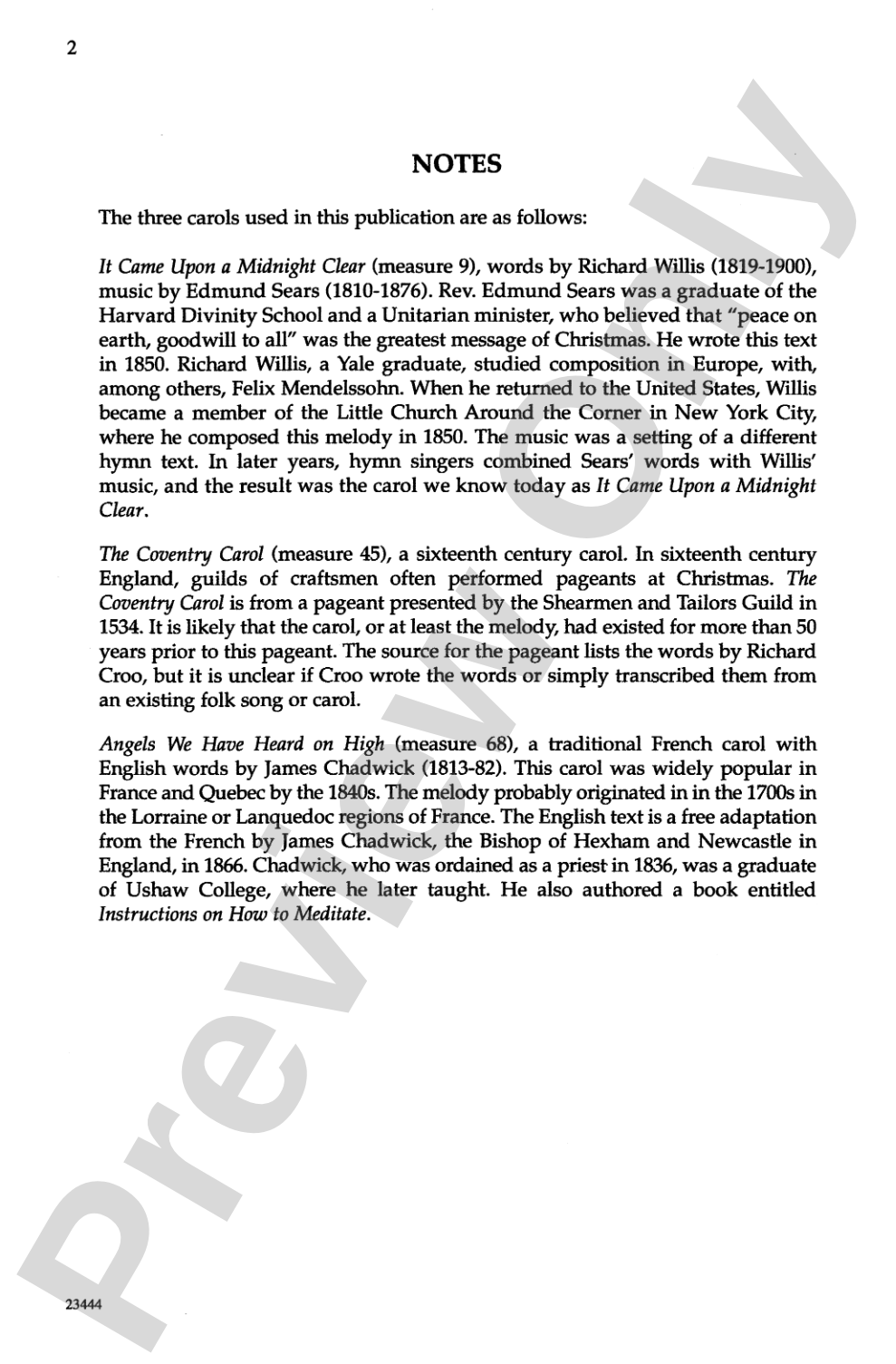
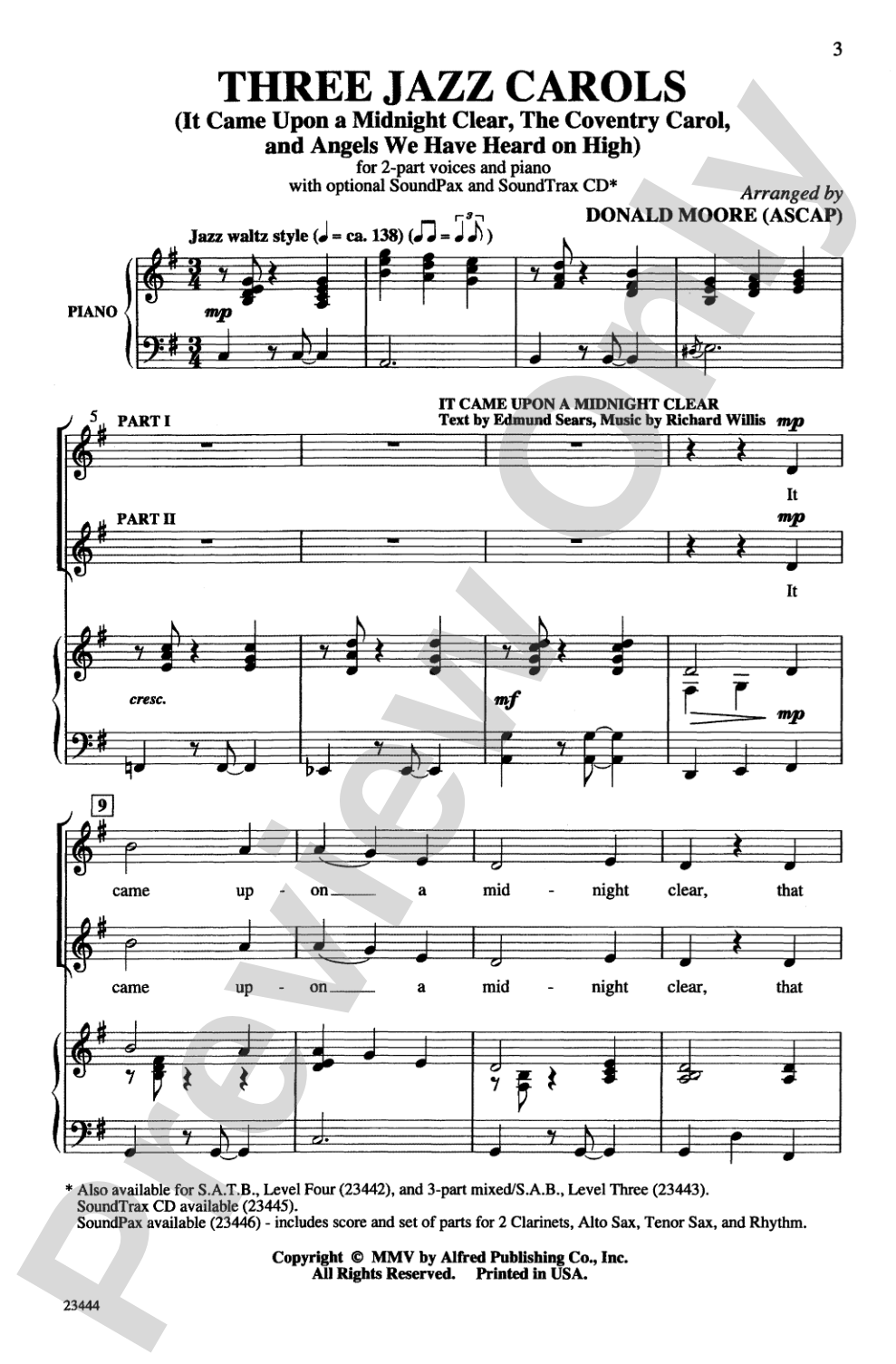
It Came Upon a Midnight Clear / The Coventry Carol / Angels We Have Heard on High
Arr. Donald Moore
Item: 00-PO-0004336
$2.25
Minimum order quantity: 20 copies
Pickup currently not available
Related Items
Three Jazz Carols: SoundTrax Digital Audio Download |
$22.95
|
View | |
Three Jazz Carols: Choral SoundPax |
$25.00
|
View | |
Three Jazz Carols: SATB Choral Octavo |
$1.65
|
View | |
Three Jazz Carols: 3-Part Mixed/SAB Choral Octavo |
$1.65
|
View | |
Three Jazz Carols: Choral Octavo SoundTrax CD |
$22.95
|
View | |
Three Jazz Carols: Choral SoundPax |
$25.00
|
View |
Description
"It Came Upon a Midnight Clear," "The Coventry Carol," and "Angels We have Heard on High" like you have never heard them before. This brief holiday medley delights with its jazzy harmonies and swingy waltz tempos that break only once in the balladic middle. It's here that Donald Moore weaves in two additional Christmas themes. Outstanding when performed with a live jazz combo (using the SoundPax parts) or with the SoundTrax CD. SoundPax includes parts for 2 cl., a. sax., t. sax., rhy.


Three Jazz Carols: 2-Part Choral Octavo isn't in MakeMusic Cloud just yet...but it could be. Let us know you'd like to see it, and you'll help shape what comes next. In the meantime, start a free trial and dive into thousands of interactive titles your students can play along with today.
Request This Title
Tell us you want it.
Start Your Free Trial
Explore everything that's ready to play right now.
Sample Audio
1
Audio File
--:--
0:00
0:00
Sample Video
No sample videos found.
Additional Details
Series:
Alfred Archive Edition: Alfred Choral Designs
Publisher:
Alfred Music
Page Count:
12
SKU:
00-PO-0004336
More about this title
About the Arranger: Donald Moore
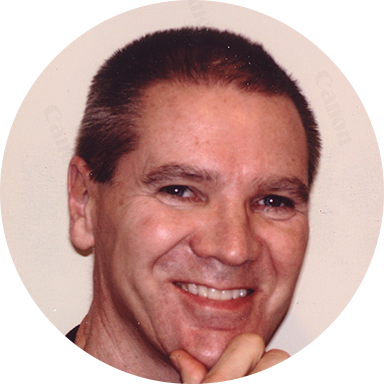
Donald Moore earned his Bachelor of Music in organ performance and Master of Arts in Teaching from Kent State University. He has served as Organist-Choirmaster at Pilgrim United Church of Christ in Cuyahoga Falls, Ohio, and has established himself as a prolific composer and arranger with over 500 works published across multiple houses including Alfred, Hal Leonard, and Heritage Music Press.
Moore's output spans sacred and secular choral music, organ and piano works, and educational resources. His compositions regularly appear at state and national music competitions and conventions. He is a seventeen-time recipient of the ASCAP Composers Standard Award and was recognized by the American Choral Directors Association Choral Journal as one of 400 significant figures in American choral music history.
Why we love this
Moore's approach to these beloved carols strips away predictability without sacrificing their core melodies. The jazz harmonies feel fresh rather than gimmicky, and the structural shift to a balladic middle section gives singers real interpretive ground. Groups at any festival will stand out programming this instead of the hundredth straightforward carol arrangement.
What to expect
Jazz club meets sanctuary. The opening swings with genuine groove, almost vaudeville in its confidence. Then the balladic center pulls you inward, intimate and reflective, before the energy returns. It feels like watching a skilled musician reinterpret something beloved and discovering you've always heard it this way.
Who it's for
Treble or mixed choirs looking for holiday repertoire that avoids cliches and engages audiences who tire of traditional arrangements. This works for high school, college, and community choirs seeking a substantial but manageable novelty piece that still requires real musicianship.
How to get the most out of it
- Establish the swing feel clearly from the opening measure. Even with 2-part voicing, the difference between straight eighths and swung eighths will define the entire character.
- Balance transparency in the opening waltz sections. Two parts can get muddy fast if both voices are singing at full volume; let the jazz combo carry harmonic weight.
- Shape the balladic middle section as genuine repose. The shift in tempo and texture should feel earned, not abrupt.
- If using the SoundTrax accompaniment, rehearse separately with and without it so singers don't become dependent on the recording for their own internal pulse.
How to use it
Close a concert's first half or anchor a holiday show's opening number. The 12-page length keeps it from monopolizing rehearsal time, leaving room to pair it with other seasonal material. Groups with access to a jazz combo gain a major showstopper; those using recorded accompaniment still land a memorable performance.
Skills your students will build
- Reading and performing swung rhythms alongside straight notation
- Singing in two-part harmony within jazz harmonic contexts
- Adjusting blend and balance when accompanied by instruments outside traditional SATB texture
- Interpreting dynamic and textural shifts across contrasting sections