
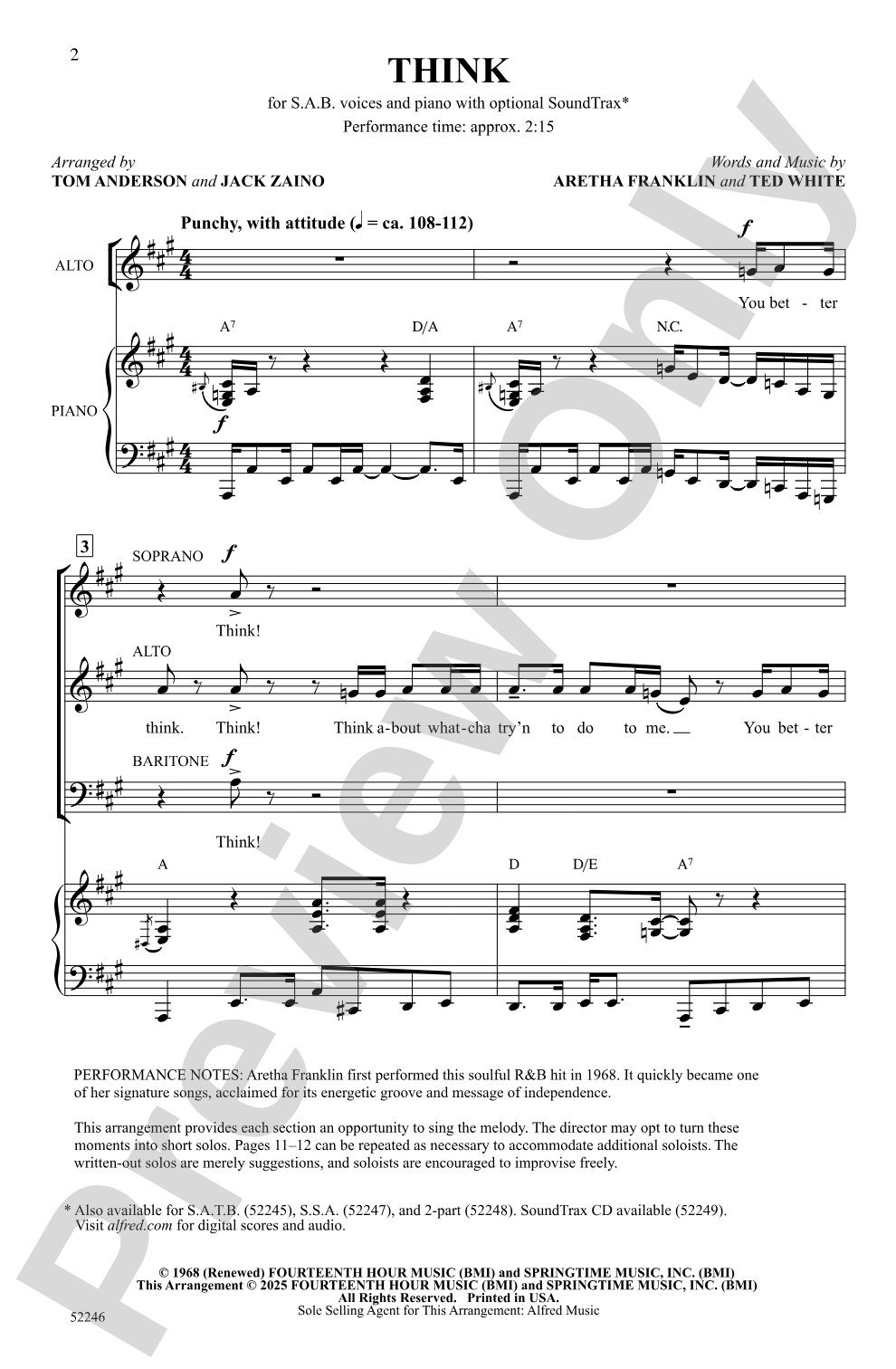
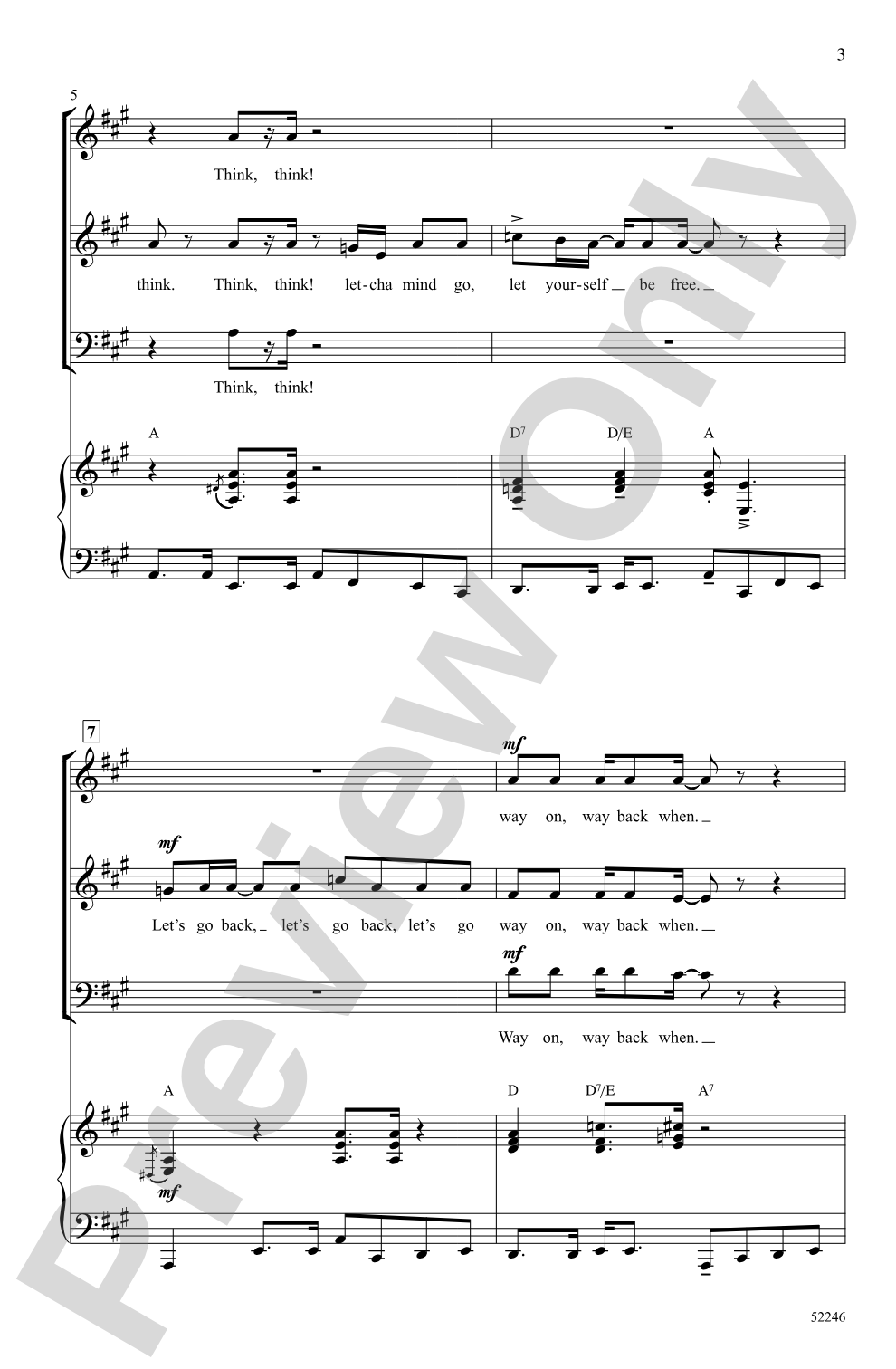
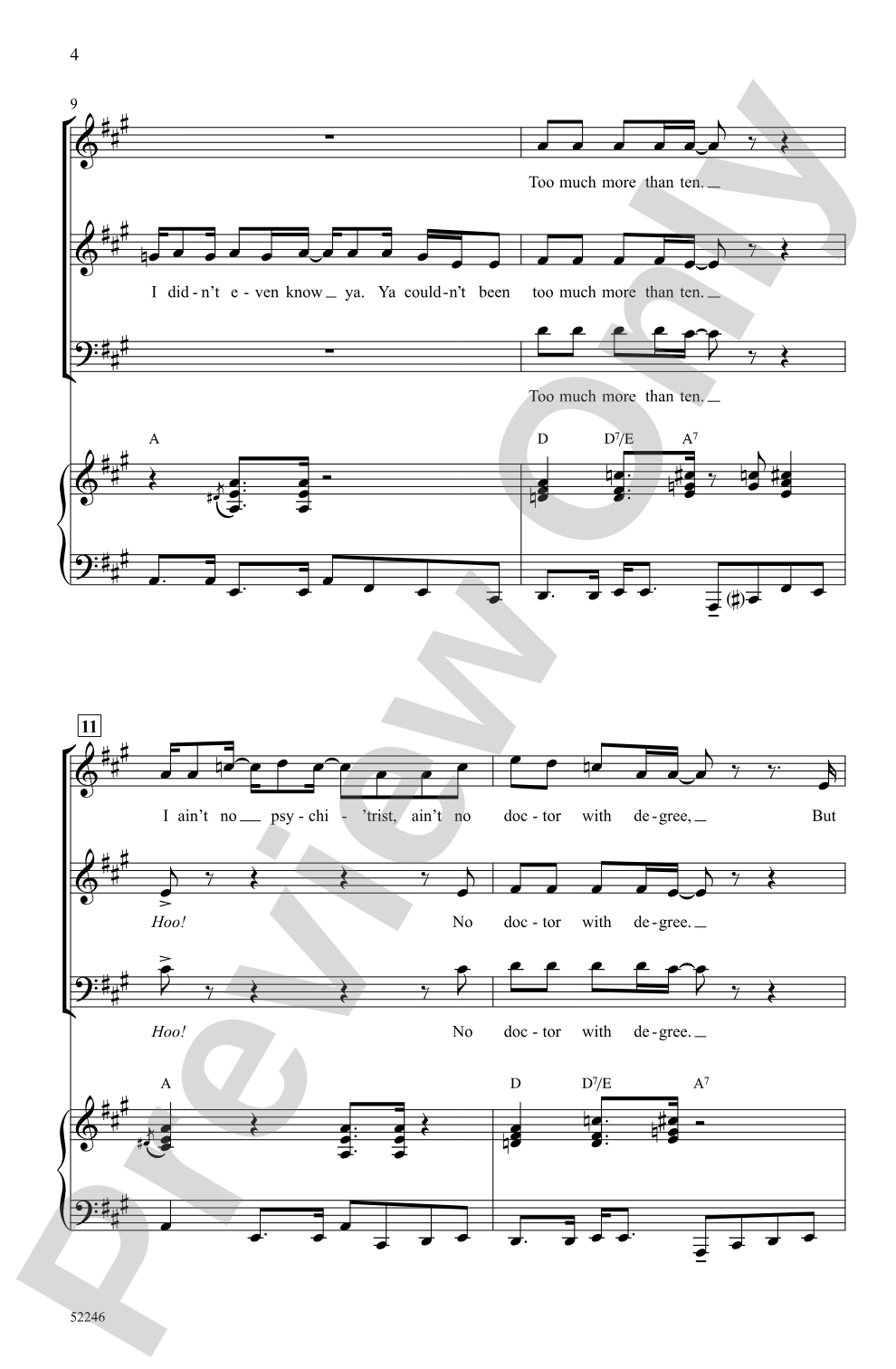

Think: SAB Choral Octavo
Words and music by Aretha Franklin and Ted White / arr. Tom Anderson and Jack Zaino
Item: 00-PO-0007603
$2.35
Minimum order quantity: 20 copies
One moment…
Related Items
Think: SATB Choral Octavo |
$2.35
|
View | |
Think: SSA Choral Octavo |
$2.35
|
View | |
Think: 2-Part Choral Octavo |
$2.35
|
View | |
Think: SoundTrax Digital Download |
$29.99
|
View | |
Think: SATB Choral Octavo |
$2.35
|
View | |
Think: SAB Choral Octavo |
$2.35
|
View | |
Think: SSA Choral Octavo |
$2.35
|
View | |
Think: 2-Part Choral Octavo |
$2.35
|
View | |
Think: Choral SoundTrax CD |
$29.99
|
View |
Description
"You better think!" Don't miss this roof-raising arrangement of Aretha Franklin's unstoppable R and B hit. The instantly recognizable melody is passed from section to section while others sing hip and harmonic backups. A handful of short, riff-like solos drive the arrangement to a powerful finish. It's a sassy stand out, with a soulful 60s SoundTrax that really kicks!


Discover MakeMusic Cloud: thousands of interactive titles your students can play along with today.
Sample Audio
1
Audio File
--:--
0:00
0:00
Sample Video
Additional Details
Series:
Alfred Pop Choral Series
Publisher:
Alfred Music
Page Count:
12
SKU:
00-PO-0007603
More about this title
About the Composer: Aretha Franklin
Aretha Franklin (1942-2018) stands as one of the most influential vocalists in American music history. Her powerful contralto voice, emotional depth, and command of soul, gospel, and R&B fundamentally shaped popular music and set standards for vocal artistry that continue to influence singers across all genres.
Why we love this
This arrangement captures everything that made the original a cultural phenomenon: the infectious energy, the melodic hooks, and the call-and-response interplay that defined 1960s soul music. Tom Anderson and Jack Zaino have built the arrangement so every voice part gets a moment to shine, which means your singers stay engaged throughout rather than sitting on sustained harmonies. The recorded accompaniment locks in that unmistakable SoundTrax groove, making it genuinely fun to rehearse and perform.
What to expect
The piece radiates confidence and momentum from the opening note. Built on a foundation of hip harmonies and rhythmic backups, it builds toward moments where individual singers step into the spotlight before the whole group surges forward again. There's a sass and swagger here that comes from the original, paired with the accessibility and warmth of close three-part harmony.
Who it's for
Choirs looking for contemporary repertoire that connects with singers and audiences alike will find an instant winner here. This works equally well for high school ensembles, community choirs, and college groups seeking material that sounds professional, feels current, and delivers genuine soulful energy without requiring advanced vocal technique.
How to get the most out of it
- Emphasize the rhythmic precision in the backup vocal sections. These aren't sustained chords; they're driving rhythmic figures that need to sit tight with the accompaniment track.
- Bring out the soloists with confidence. The brief riff-like passages are moments for individual singers to step forward, so choose strong voices and give them permission to own their moments.
- Balance the melody section carefully. As the tune passes between soprano, alto, and bass voices, each section should sing the melody with equal presence so the tune remains crystal clear throughout.
- Use the groove of the accompaniment to guide your tempo and phrasing. This piece lives in the pocket; rehearse with the track from the start so your singers internalize the feel rather than fighting it.
How to use it
Program this as a concert centerpiece or finale when you want to shift the energy and celebrate something contemporary and joyful. It pairs well on the same program with other classic pop or soul standards, and it's especially effective when you want to showcase the personality and musicality of singers who might not get solo opportunities elsewhere.
Skills your students will build
- Rhythmic precision in backup vocal parts and syncopated figures
- Sectional melody passing (tracking when the tune moves between voice parts)
- Soloist confidence and featured vocal performance
- Blend and balance when singing sustained harmonies behind a moving melody
- Interpretation of soul and R&B musical style and phrasing