There Will Come Soft Rains Cover Image

There Will Come Soft Rains: SAB Choral Octavo

$2.05 USD
Sale price  $2.05 USD Regular price 
Skip to product information
There Will Come Soft Rains Cover Image

There Will Come Soft Rains: SAB Choral Octavo

Words by Sara Teasdale, music by Ruth Morris Gray

Item: 00-39755

makemusic Cloud badge

Need it now?

Buy Digital Version
$2.05
Shipped

One moment…

Description
Pensive and poignant, the poem describes nature's response to war. Haunting and harmonic, the music captures the ear. A perfect marriage of words and music, appropriate for developing choirs as well as advanced ensembles.

Don't just read it, hear it, play along with it, and watch your students grow with it. In MakeMusic Cloud, There Will Come Soft Rains: SAB Choral Octavo comes alive with professional accompaniment, adjustable tempo, and built-in practice tools that turn solo practice into real progress.

Sample Pages

Sample Audio
0:00
0:00
Sample Video
Additional Details
Series: Alfred Choral Designs
Publisher: Alfred Music
Page Count: 12
UPC: 038081444161
SKU: 00-39755

More about this title

About the Composer: Ruth Morris Gray
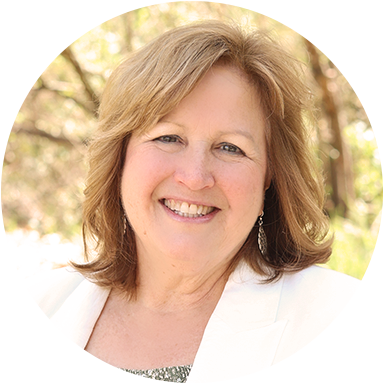
Ruth Morris Gray

Ruth Morris Gray brings decades of choral expertise to her compositional work. A faculty member at Rosemead High School since 2004, she has directed choirs and taught piano while building an impressive catalog of over 100 published choral compositions. Her training spans performance and composition, with degrees from Biola University and UC Santa Barbara, grounding her work in both musical rigor and creative depth.

Gray's approach to composition reflects her dual identity as educator and artist. Her settings balance accessibility with artistic substance, a philosophy shaped by her direct experience working with developing and advanced choirs in the high school setting. Beyond the music classroom, she is an active performer and composer whose creative life extends into travel, reading, and outdoor pursuits with her husband.

Why we love this

Gray's setting of this Sara Teasdale poem proves that war poetry need not be heavy-handed to reach your singers and audience. The harmonic language draws listeners in immediately while remaining entirely accessible to SAB voices, and the text-music relationship feels inevitable rather than imposed. Choirs at any level will discover something genuine here, making it valuable for both programming strength and pedagogical reward.

What to expect

The music carries a quiet intensity, haunting without becoming dark. Listeners sense the careful observation of nature's indifference, rendered in harmony that feels both reflective and slightly unsettling. The overall effect is tender but never sentimental.

Who it's for

Developing choirs will find this piece manageable without feeling simplistic, while advanced ensembles will appreciate the harmonic subtlety and literary depth. It works equally well for mixed ensembles learning to balance three parts or for choirs looking to deepen their interpretive skills on meaningful repertoire.

How to get the most out of it

  • Balance the soprano and alto lines carefully in passages where they carry the main melody; unison moments work best when not overwhelmed by baritone doubling.
  • Allow space and breath between phrases to honor the poem's contemplative tone; resist the urge to rush through transitions.
  • Shape each harmonic change with intent. Gray's progressions are purposeful, and clarity in voice leading will illuminate the emotional arc.

How to use it

This octavo pairs naturally with concert programs exploring themes of peace, nature, or resilience, and its literary quality makes it especially strong for contests where artistic interpretation matters. Consider pairing it with contrasting repertoire to let its pensive character resonate; 12 pages provides enough substance to anchor a concert section without dominating it.

Skills your students will build

  • Balance and blend in three-part mixed voicing
  • Text expression and interpretive phrasing
  • Reading harmonic progressions and voice leading
  • Sustained tone control in slower tempos

You May Also Like
