

The Chorus Room Blues: Choral SoundPax
Words and music by David Lantz III
Item: 00-PK-0008181

$15.00
Pickup currently not available
Buy Extra Parts (Digital PDF Download)
| Product | Price | Quantity |
|---|---|---|
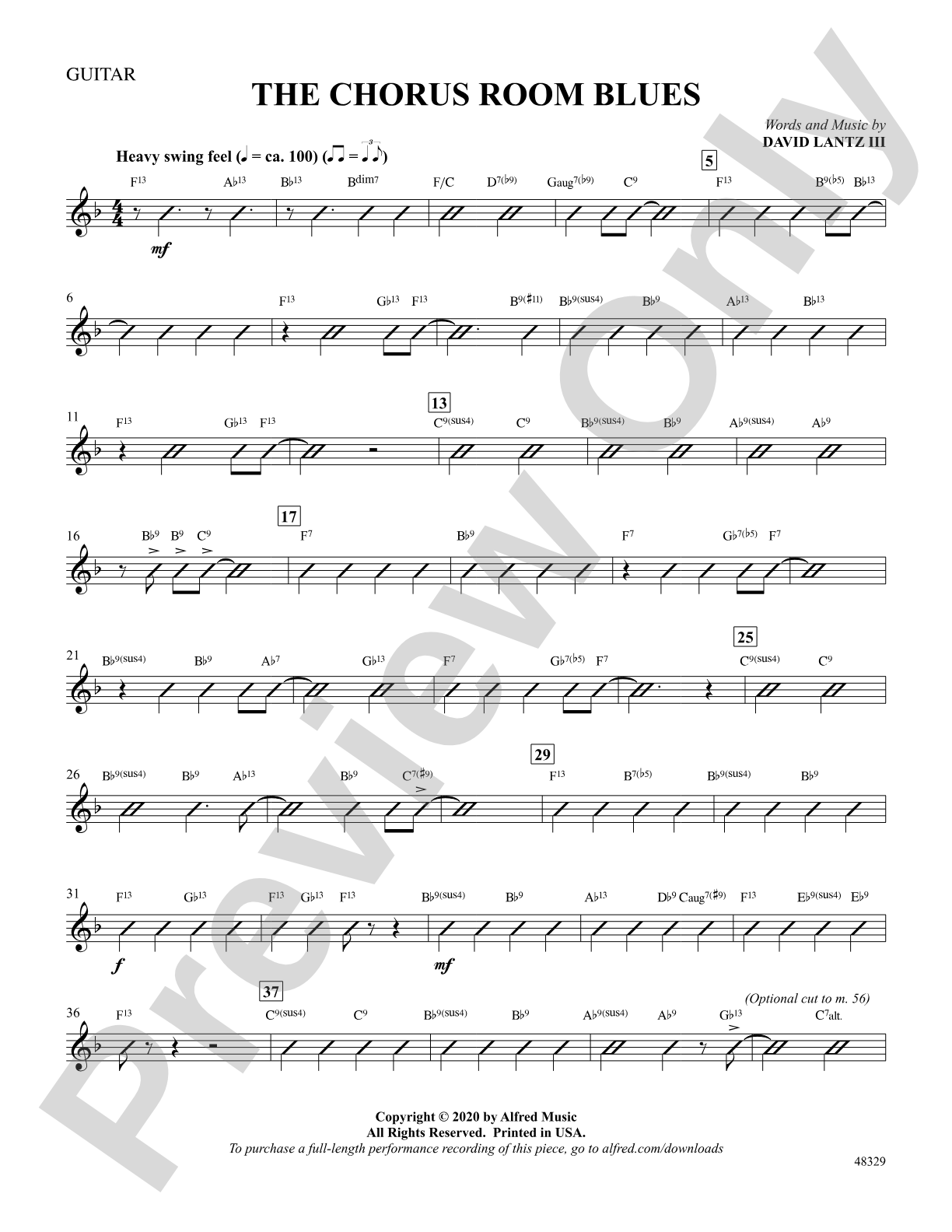
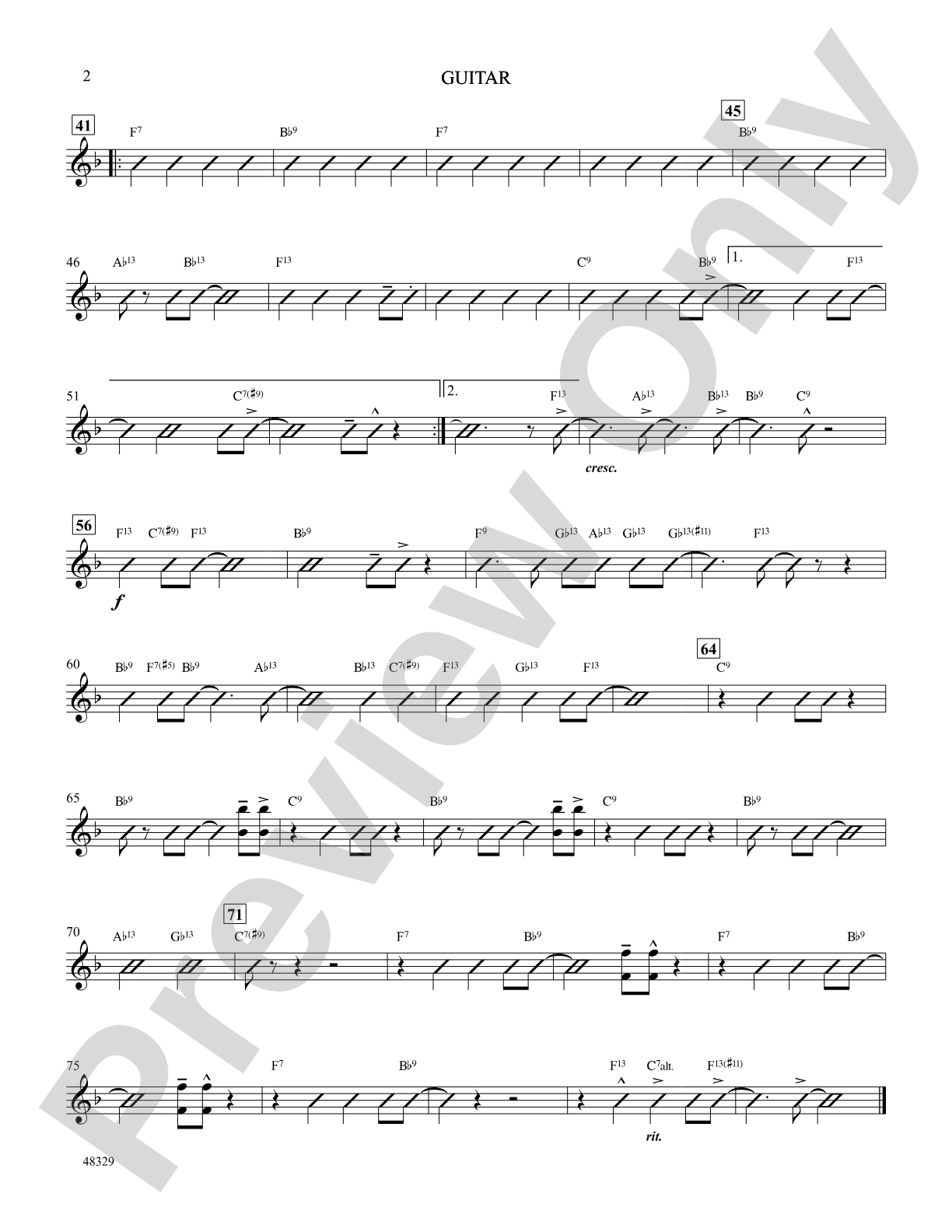
| The Chorus Room Blues: Guitar | $3.00 | |
| The Chorus Room Blues: String Bass | $3.00 | |
| The Chorus Room Blues: Drums | $3.00 |
Parts Added to Cart!
Related Items
The Chorus Room Blues: SoundTrax Digital Audio Download |
$29.99
|
View | |
The Chorus Room Blues: SATB Choral Octavo |
$2.20
|
View | |
The Chorus Room Blues: SAB Choral Octavo |
$2.20
|
View | |
The Chorus Room Blues: SATB Choral Octavo |
$2.20
|
View | |
The Chorus Room Blues: SAB Choral Octavo |
$2.20
|
View | |
The Chorus Room Blues: Choral Octavo SoundTrax CD |
$29.99
|
View | |
The Chorus Room Blues: Choral SoundPax |
$15.00
|
View |
Description
Some days, you just gotta sing the blues---even in the chorus room! This tongue-in-cheek chart is a great tool for teaching jazz style. Extensive instructions for optional scat singing (on pentatonic and blues scales) provide a framework for vocal improvisation. If you've got a rhythm section handy, be sure to check out the optional SoundPax!


Don't just read it, hear it, play along with it, and watch your students grow with it. In MakeMusic Cloud, The Chorus Room Blues: Choral SoundPax comes alive with professional accompaniment, adjustable tempo, and built-in practice tools that turn solo practice into real progress.
Open in the Player
Jump straight in and assign it today.
Start Your Free Trial
Open this title and explore the full library in minutes.
Sample Audio
1
Audio File
--:--
0:00
0:00
Sample Video
No sample videos found.
Additional Details
Series:
Alfred Choral Designs
Publisher:
Alfred Music
Page Count:
10
SKU:
00-PK-0008181
More about this title
About the Composer: David Lantz III

David Lantz III brings twenty-plus years of classroom experience to his prolific output of choral music. A public school vocal director in Pennsylvania, he has published approximately 500 compositions across sacred, secular, jazz, and chamber genres with major U.S. publishers, alongside orchestral and band writing that reveals his deep knowledge of instrumental color and ensemble balance.
Beyond the page, Lantz is an active music editor and engraver, church choir director, and performing bassist and vocalist in pop and jazz contexts. He lives in northeastern Pennsylvania with his wife, composer Marti Lunn Lantz, and their five musical children, creating a household where musical collaboration is daily life.
Why we love this
Lantz balances humor with genuine pedagogical substance here. The blues framework gives choirs permission to relax and play while the scat singing instruction builds real improvisation skills on a structured harmonic foundation. It's the kind of piece that earns genuine laughter in rehearsal and actually teaches something.
What to expect
Playful and swinging, with a wink toward the everyday reality of rehearsal life. The tongue-in-cheek title sets expectations low, but underneath sits genuine jazz color and the thrill of structured improvisation that rewards both careful listening and risk-taking.
Who it's for
Choirs ready to explore jazz language and vocal improvisation in a setting that doesn't demand formal jazz ensemble training. High school, college, and community choirs will find this accessible and fun; directors teaching jazz style for the first time will appreciate the built-in scat singing framework.
How to get the most out of it
- Spend rehearsal time on the scat singing instructions before asking singers to improvise over the changes. Walk through the pentatonic and blues scale patterns first so improvisation feels like exploration, not guessing.
- If you have a rhythm section available, the optional SoundPax brings the piece into full swing. Even drums and bass will shift the energy considerably from the recorded accompaniment alone.
- Encourage singers to listen to classic vocal jazz recordings as reference material. Hearing how artists like Ella Fitzgerald approached scat phrasing will inform your choir's interpretation and build confidence in the improvisation sections.
How to use it
Program this as a palate cleanser in a concert of more formal repertoire, or use it as the centerpiece of a jazz or contemporary-focused concert where a full rhythm section can shine. It also works beautifully as a spring concert finale when your singers have built enough ensemble maturity to balance fun with musicianship.
Skills your students will build
- Improvisation on pentatonic and blues scale patterns
- Scat singing vocabulary and phrasing
- Jazz swing style and rhythmic feel
- Call-and-response and ensemble dialogue
- Blues harmonic language and changes