

That's All: Choral SoundPax Digital Download
Words and music by Bob Haymes and Alan Brandt / arr. Kirby Shaw
Item: 00-PK-0009444
$15.00
One moment…
Related Items
That's All: SATB Choral Octavo |
$2.65
|
View | |
That's All: SAB Choral Octavo |
$2.65
|
View | |
That's All: SSA Choral Octavo |
$2.65
|
View | |
That's All: SATB Choral Octavo |
$2.65
|
View | |
That's All: SAB Choral Octavo |
$2.65
|
View | |
That's All: SSA Choral Octavo |
$2.65
|
View | |
That's All: Choral Octavo SoundTrax CD |
$29.99
|
View |
Description
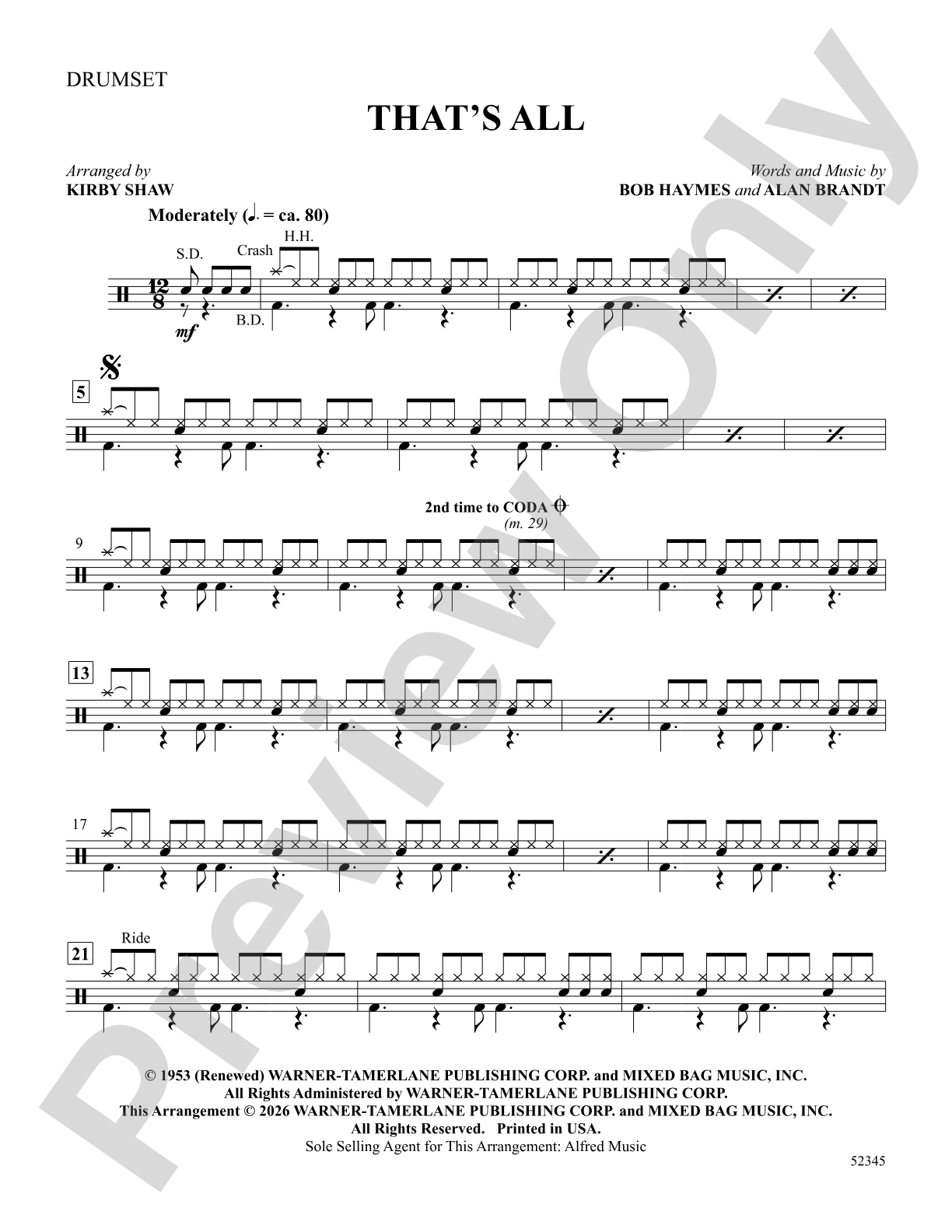
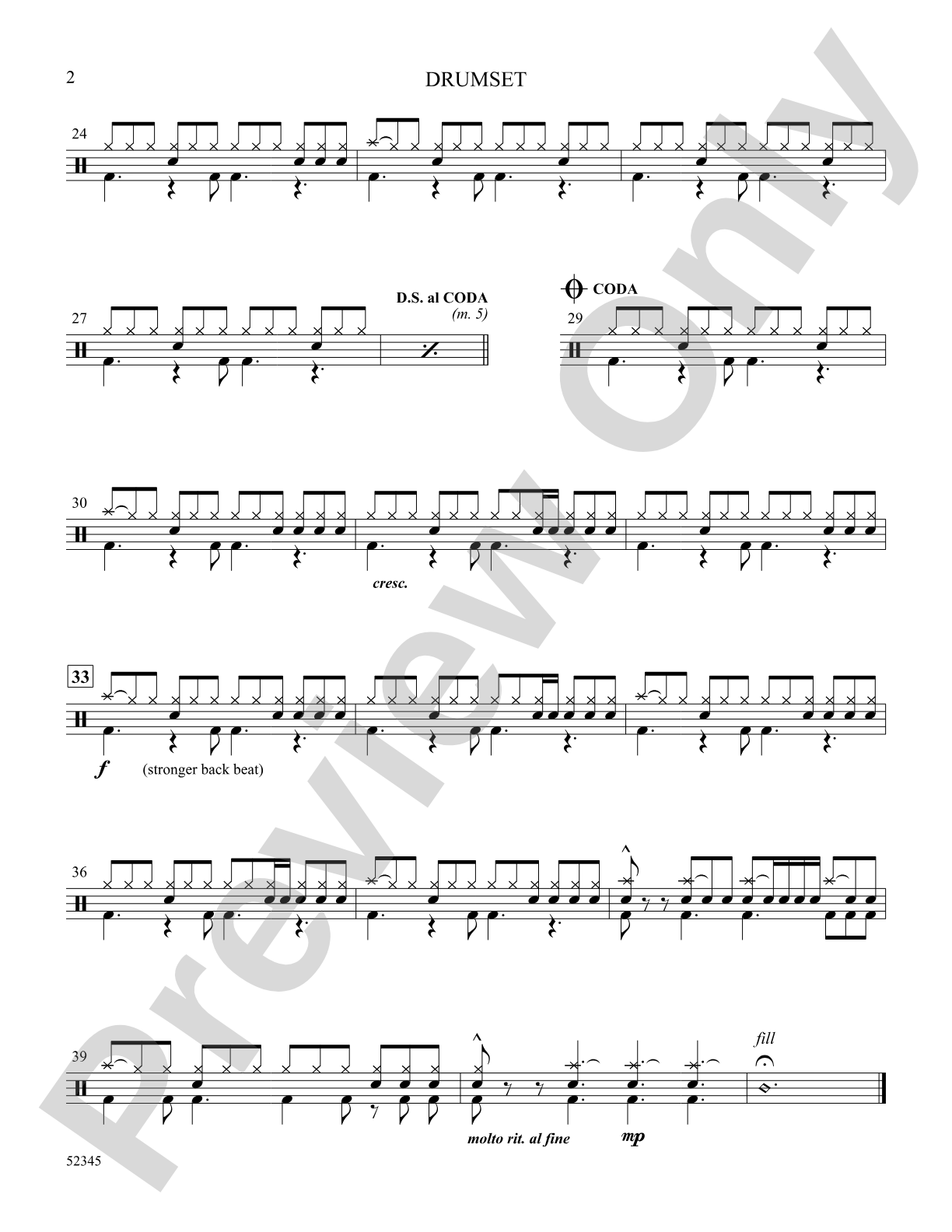
Romantic and nostalgic, this lush setting of the 1950s standard captures a warm jazz aesthetic in a flowing 12/8 meter. The accessible arrangement comes in a variety of voicings designed for teens or adults new to the style. Sing with guitar, bass, and drumset (SoundPax available) on your pop program at any time of year. "I can only give you love that lasts forever . . . that's all."


That's All: Choral SoundPax Digital Download isn't in MakeMusic Cloud just yet...but it could be. Let us know you'd like to see it, and you'll help shape what comes next. In the meantime, start a free trial and dive into thousands of interactive titles your students can play along with today.
Request This Title
Tell us you want it.
Start Your Free Trial
Explore everything that's ready to play right now.
Sample Audio
1
Audio File
--:--
0:00
0:00
Sample Video
No sample videos found.
Additional Details
Series:
Alfred Pop Choral Series
SKU:
00-PK-0009444
More about this title
About the Composer: Bob Haymes
Bob Haymes was an American composer and lyricist who helped define the sound of mid-century popular music. Working during the Golden Age of American songwriting, he crafted melodies and lyrics that balanced accessibility with sophisticated harmonies, creating standards that remain beloved across generations.
Haymes' ability to write for both the concert hall and the popular stage made him a valuable voice in music education. His compositions reward singers with elegant phrasing and emotionally resonant material that teaches jazz sensibilities without sacrificing musicality.
Why we love this
Kirby Shaw's arrangement preserves the lyrical warmth of this classic while making the jazz idiom genuinely approachable for singers still building their stylistic vocabulary. The 12/8 meter creates a natural swing feel, and the varied voicings mean singers of different experience levels can find their place without feeling sidelined. Programming a standards-based jazz selection this well-written elevates your pop concert and proves to audiences that contemporary choral music encompasses more than pop-rock hybrids.
What to expect
Warm, understated elegance. The 12/8 meter creates a floating quality that feels both dreamy and grounded, while the harmonic language suggests late-night jazz clubs and intimate moments. There's nostalgia here, but it's genuine nostalgia rather than pastiche, you can hear why people keep coming back to this song.
Who it's for
This arrangement welcomes teen and adult choirs encountering jazz standards for the first time. The accessible voicings and emotional directness of the tune make it ideal for groups building confidence in the Great American Songbook without technical barriers. Directors looking to program a genuine standard that enhances rather than simplifies the original will find a resourceful partner here.
How to get the most out of it
- Shape the vocal lines with legit, connected phrasing rather than separating each phrase. The 12/8 meter should feel like one long breath flowing across multiple measures.
- Listen closely to the rhythm section in the accompaniment track. The guitar voicings and bass movement establish the jazz harmonic language; have singers follow that harmonic color with their blend.
- Approach the lyrics conversationally. This is a love song, not a ballad. Let the warmth come through without oversinging or adding unnecessary vibrato.
- Use the SoundPax accompaniment to lock the ensemble's time feel. Jazz swing requires precision, and rehearsing with the recorded rhythm section trains ears and internal pulse quickly.
How to use it
Position this alongside other standards to anchor a "Jazz Classics" segment on a pop or pops concert. The accessible arranging and recorded accompaniment make it manageable in rehearsal, so it won't demand disproportionate sectional time while still delivering the sophistication and warmth your audience expects from a well-curated evening. It works equally well as a closer or as part of a medley celebrating American songwriting.
Skills your students will build
- Singing in swing rhythm and understanding the stylistic difference between straight and swung eighths
- Listening to and blending with jazz harmony voicings (particularly extended tertian chords)
- Shaping long musical phrases in 12/8 meter without losing forward momentum
- Balancing legit vocal tone with jazz inflection and conversational phrasing