Technic Today, Part 3 Cover Image

Technic Today, Part 3: Auxiliary Percussion (Tambourine, Wood Block, Triangle, Claves, Maracas, Suspended Cymbal & Sleigh Bells) Book

$6.95 USD
Sale price  $6.95 USD Regular price 
Skip to product information
Technic Today, Part 3 Cover Image

Technic Today, Part 3: Auxiliary Percussion (Tambourine, Wood Block, Triangle, Claves, Maracas, Suspended Cymbal & Sleigh Bells) Book

A Supplementary Technic Book

By James D. Ployhar

Item: 00-CBC00258

$6.95
Shipped

One moment…

Description
Technic Today, Part Three is a companion book designed to reinforce the technical aspect of the basic method Band Today, Part Three, of the Contemporary Band Course. The natural progression of the materials makes Technic Today an ideal supplement to any advanced-intermediate band method.

Technic Today, Part 3: Auxiliary Percussion (Tambourine, Wood Block, Triangle, Claves, Maracas, Suspended Cymbal & Sleigh Bells) Book isn't in MakeMusic Cloud just yet...but it could be. Let us know you'd like to see it, and you'll help shape what comes next. In the meantime, start a free trial and dive into thousands of interactive titles your students can play along with today.

Sample Pages

No sample pages found.

Sample Audio
No sample audio found.
Sample Video
Additional Details
Series: Contemporary Band Course
Publisher: Alfred Music
Page Count: 24
ISBN10: 0-7692-2953-0
ISBN13: 978-0-7692-2953-9
UPC: 029156208085
SKU: 00-CBC00258
Instrumentation: Auxiliary Percussion (Tambourine, Wood Block, Triangle, Claves, Maracas, Suspended Cymbal & Sleigh Bells)

More about this title

About the Author: James D. Ployhar
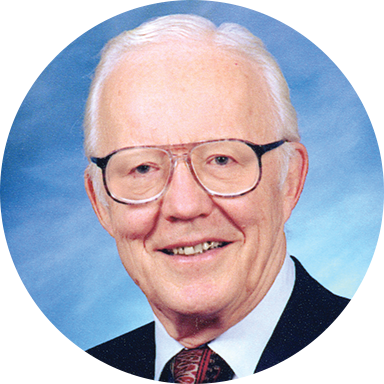
James D. Ployhar

James D. Ployhar has established himself as a prolific composer and educator with more than 800 published works to his credit. His Contemporary Band Course, now published by Alfred Music, has become a standard in band programs across North America and abroad, including translations in French and Norwegian. Beyond composition, Ployhar brings decades of orchestration expertise informed by study with renowned figures in European concert music, combined with 19 years of direct public school teaching experience.

His career spans conducting clinics and workshops at universities throughout the United States, Canada, and Western Europe. Ployhar holds degrees from Valley City State University and Northern Colorado University, with graduate composition study at California State University-Long Beach. He has received the National Band Association Citation of Excellence and the Distinguished Alumnus Award, and serves as a member of the American Bandmasters Association.

Why we love this

Technic Today, Part 3 fills a genuine void in percussion pedagogy by isolating auxiliary percussion skills that often get short attention in full band method books. The focused design means auxiliary percussionists finally get dedicated exercises that match the rigor you're already building in pitched instruments, eliminating the frustration of having competent players who lack foundational control in less common percussion instruments. Directors consistently find that targeted technical work here translates directly into more confident, articulate playing across the full range of auxiliary colors available in the ensemble.

What to expect

Clear, methodical, and purposeful. Every exercise builds toward control and facility without unnecessary complexity; the focus stays on technique rather than musicality exercises that distract from the work at hand. You'll notice steady progression across the auxiliary percussion family, allowing students to develop mastery in one instrument before layers of difficulty accumulate.

Who it's for

Auxiliary percussionists in concert band programs using Band Today, Part Three or working at the advanced-intermediate level who need targeted technical development beyond what a full band method provides. Directors looking to build ensemble precision and confidence in auxiliary colors will find this book essential for students ready to move beyond basic stroke fundamentals. This is equally useful as a bridge for percussionists transitioning from mallets to multiple auxiliary percussion instruments.

How to get the most out of it

  • Establish consistent grip and hand position before adding tempo; many percussionists rush articulation when they haven't solidified their physical foundation with these instruments.
  • Record individual parts separately and listen back to identify unevenness in mallet or stick articulation that's difficult to catch in real time.
  • Isolate passages using only one auxiliary instrument at a time during sectional rehearsals, then layer them back in; this prevents confusion and builds independence.
  • Assign specific students to auxiliary parts based on technical readiness, not alphabetically; these instruments demand different technical demands from one another.

How to use it

Assign individual students specific pages based on their primary auxiliary percussion instrument, using sectional time to work through exercises parallel to your band method assignments. Integrate this into your rehearsal calendar during weeks when you're not learning new full-band repertoire, ensuring auxiliary percussionists have the same dedicated technical study time as your brass and woodwind sections. Consider timing this work during the first semester when advanced-intermediate bands are stabilizing fundamentals across the ensemble.

Skills your students will build

  • Tambourine grip, stroke control, and articulation clarity
  • Wood block mallet techniques and tonal consistency
  • Triangle striking precision and dynamic control
  • Claves rhythm accuracy and hand-position independence
  • Maracas coordination between hands and rhythmic precision
  • Suspended cymbal mallets and sustain control
  • Sleigh bells shaking techniques and rhythmic definition

You May Also Like