Technic Today, Part 3 Cover Image

Technic Today, Part 3: Oboe Book

$6.95 USD
Sale price  $6.95 USD Regular price 
Skip to product information
Technic Today, Part 3 Cover Image

Technic Today, Part 3: Oboe Book

A Supplementary Technic Book

By James D. Ployhar

Item: 00-CBC00245

$6.95
Shipped

One moment…

Description
Technic Today, Part Three is a companion book designed to reinforce the technical aspect of the basic method Band Today, Part Three, of the Contemporary Band Course. The natural progression of the materials makes Technic Today an ideal supplement to any advanced-intermediate band method.

Technic Today, Part 3: Oboe Book isn't in MakeMusic Cloud just yet...but it could be. Let us know you'd like to see it, and you'll help shape what comes next. In the meantime, start a free trial and dive into thousands of interactive titles your students can play along with today.

Sample Pages

No sample pages found.

Sample Audio
No sample audio found.
Sample Video
Additional Details
Series: Contemporary Band Course
Publisher: Alfred Music
Page Count: 24
ISBN10: 0-7692-2646-9
ISBN13: 978-0-7692-2646-0
UPC: 029156194265
SKU: 00-CBC00245
Instrumentation: Oboe

More about this title

About the Author: James D. Ployhar
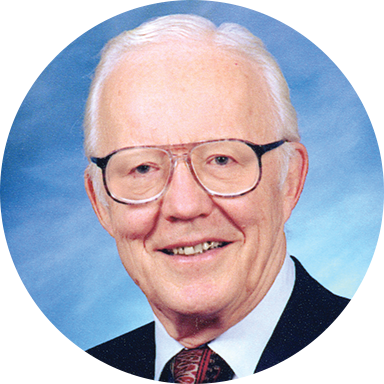
James D. Ployhar

James D. Ployhar has established himself as a prolific voice in music education through more than 800 published compositions and arrangements. His Contemporary Band Course stands as a cornerstone resource in the field, translated into multiple languages and adopted by school programs and conservatories across Europe and beyond. Ployhar's orchestration expertise was developed through direct study with prominent European musicians and refined across nearly two decades of public school teaching.

As both composer and clinician, Ployhar has shaped instrumental music education through workshops and conducting appearances throughout North America and Europe. His contributions earned him the National Band Association Citation of Excellence and the Distinguished Alumnus Award from Valley City State University. He holds degrees from Valley City State University and Northern Colorado University, with advanced study in composition at California State University-Long Beach.

Why we love this

Ployhar designed this book to address the gap between method book exercises and the technical demands oboes face in actual band repertoire. The systematic progression mirrors Band Today, Part Three, so oboists aren't isolated from their section's musical development while building the facility they genuinely need. At 24 pages, it's substantial enough to anchor a season's practice without overwhelming students juggling multiple ensemble commitments.

What to expect

Focused and purposeful. These exercises build muscle memory and fingering accuracy without digression, allowing students to feel measurable progress in their technical control with each practice session.

Who it's for

Oboe students working through Band Today, Part Three who need targeted technical reinforcement beyond the method book itself. This supplement serves advanced-intermediate players preparing for more demanding band arrangements and solo repertoire.

How to get the most out of it

  • Integrate exercises into the first five minutes of individual practice, when focus is sharpest and fingers respond most cleanly to new technical patterns.
  • Use the sequence of exercises to identify where in your range a technical problem originates; often, a passage that stumbles in the upper register needs attention at the middle or lower octave first.
  • Connect each exercise to passages within Band Today, Part Three repertoire so the technical work feels purposeful rather than abstract.

How to use it

Assign specific exercises as preparatory work before introducing corresponding passages in Band Today, Part Three. The book also works as a standalone warm-up resource for your reed section during sectional rehearsals, helping oboists arrive at full ensemble rehearsal with refined articulation and intonation.

Skills your students will build

  • Single and double-tonguing articulation
  • Rapid finger passages across the oboe range
  • Precision in interval transitions
  • Control of dynamics across extended passages
  • Finger independence and agility in mixed rhythm patterns

You May Also Like