
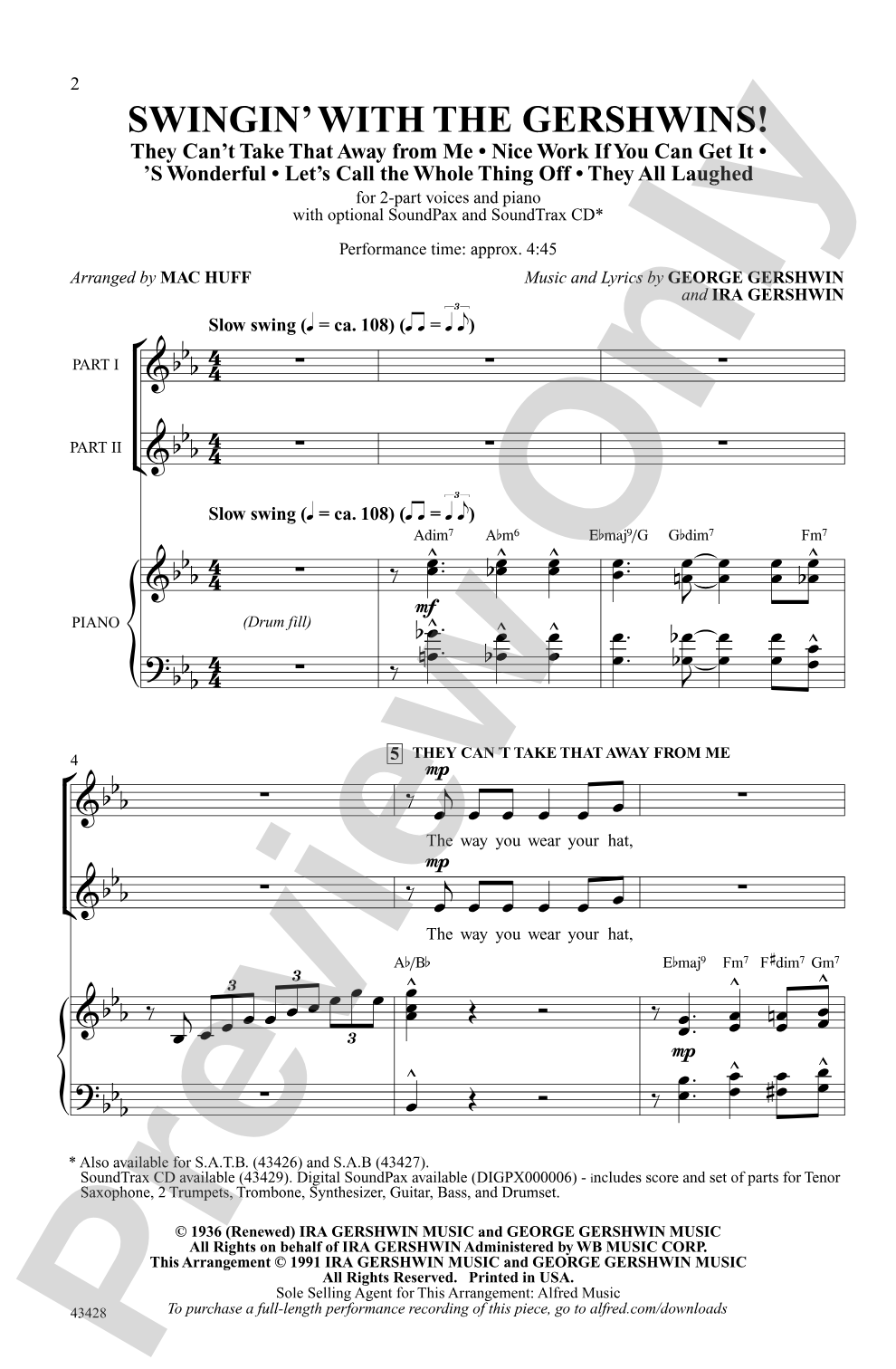
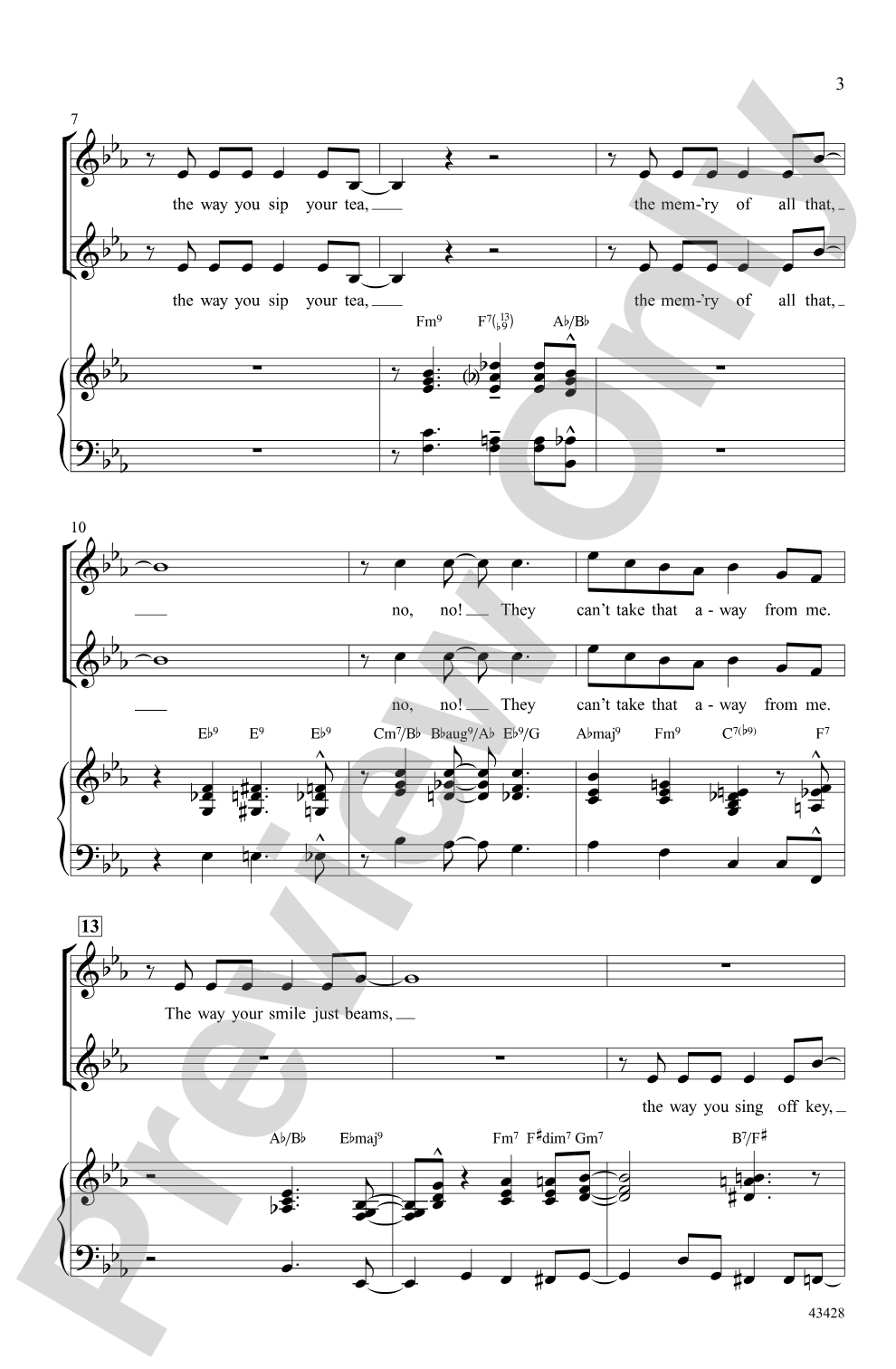
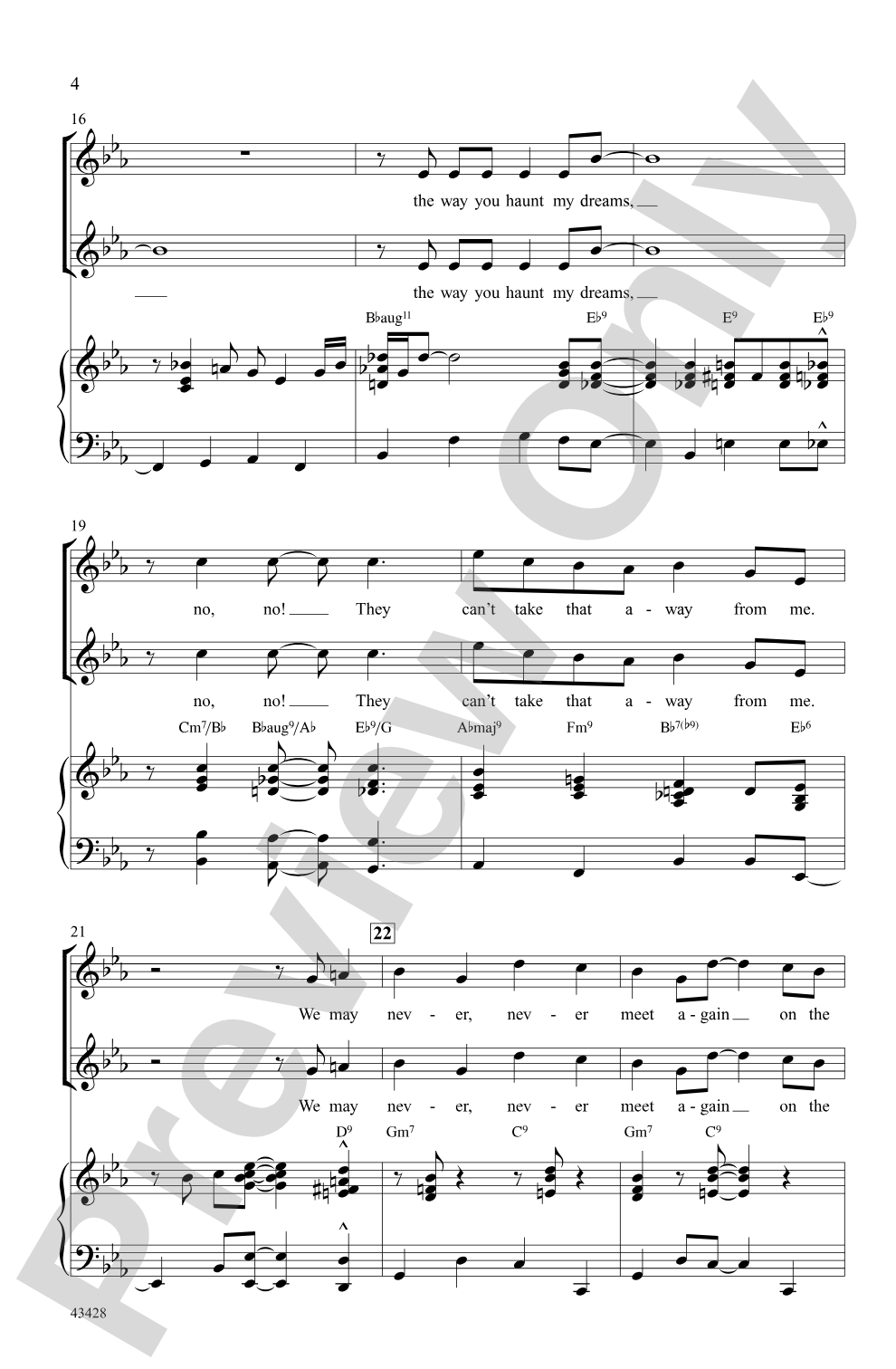
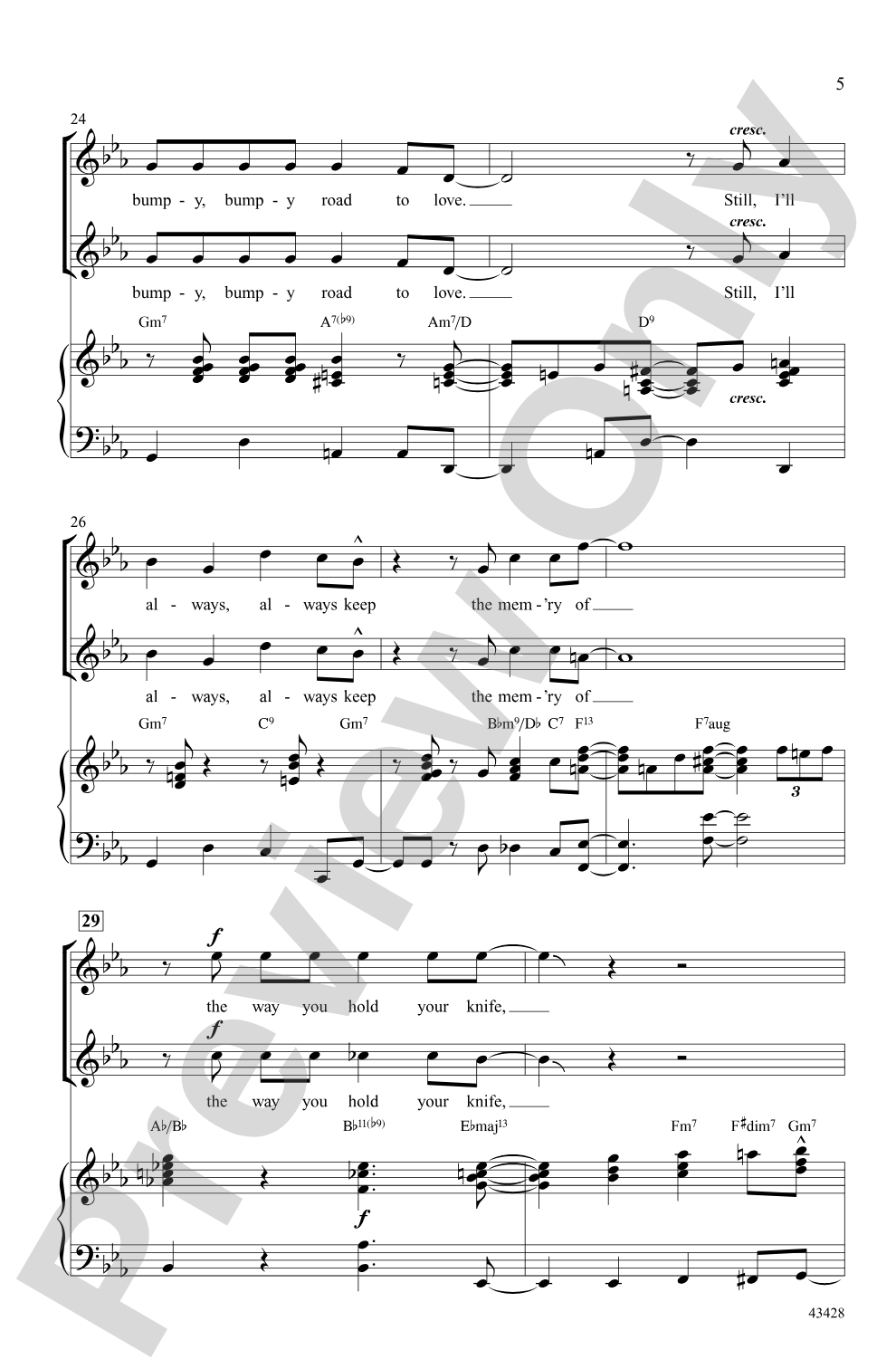

Swingin' with the Gershwins!: 2-Part Choral Octavo
Music and lyrics by George Gershwin and Ira Gershwin / arr. Mac Huff
Item: 00-PO-0003362

$2.45
Minimum order quantity: 20 copies
One moment…
Related Items
Swingin' with the Gershwins!: SoundTrax Digital Audio Download |
$34.99
|
View | |
Swingin' with the Gershwins!: SATB Choral Octavo |
$2.45
|
View | |
Swingin' with the Gershwins!: SAB Choral Octavo |
$2.45
|
View | |
Swingin' with the Gershwins!: Choral Octavo Digital SoundPax |
$40.00
|
View | |
Swingin' with the Gershwins!: SATB Choral Octavo |
$2.45
|
View | |
Swingin' with the Gershwins!: 2-Part Choral Octavo |
$2.45
|
View | |
Swingin' with the Gershwins!: Choral Octavo SoundTrax CD |
$34.99
|
View |
Description
Kick up your heels with this fast-paced, five minute romp through several Gershwin classics. Classic jazz harmonies, optional solos, and hot horns top off this enjoyable medley!


Don't just read it, hear it, play along with it, and watch your students grow with it. In MakeMusic Cloud, Swingin' with the Gershwins!: 2-Part Choral Octavo comes alive with professional accompaniment, adjustable tempo, and built-in practice tools that turn solo practice into real progress.
Open in the Player
Jump straight in and assign it today.
Start Your Free Trial
Open this title and explore the full library in minutes.
Sample Audio
1
Audio File
--:--
0:00
0:00
Sample Video
No sample videos found.
Additional Details
Series:
Alfred Pop Choral Series
Publisher:
Alfred Music
Page Count:
20
SKU:
00-PO-0003362
More about this title
About the Composer: George Gershwin
George Gershwin (1898-1937) stands as one of the most significant composers of the twentieth century, bridging concert music and popular song with uncommon fluency. His gift for melody, sophisticated harmonic language, and deep understanding of jazz idiom made him equally at home writing Tin Pan Alley standards, Broadway musicals, and symphonic works. For educators, Gershwin's catalog offers an exceptional resource: music that engages students immediately through recognizable tunes while exposing them to genuinely complex musical ideas.
Working frequently with his brother Ira, a brilliant lyricist, Gershwin created songs that remain central to American musical culture. Pieces like "I Got Rhythm" and "Fascinating Rhythm" have become teaching staples precisely because they reward close listening and offer endless interpretive possibilities across genres and skill levels.
Why we love this
Mac Huff's arrangement captures the infectious energy of Gershwin's writing while staying entirely accessible to 2-part singers. The mix of classic jazz harmonies, optional solo opportunities, and written horn parts creates a performance that sounds fuller and more professional than the voicing alone suggests, giving students confidence and genuine musical satisfaction.
What to expect
Five minutes of pure swing joy. The piece bounces with Gershwin's characteristic rhythmic snap, and the medley structure means the energy never settles into routine. You're racing through some of American music's most joyful moments, supported by jazz harmonies that feel both familiar and sophisticated.
Who it's for
This works beautifully for mixed choirs at the middle school through early high school level, or for treble or lower voice ensembles seeking accessible yet musically rewarding repertoire. Directors looking for a crowd-pleasing concert opener or a pop choral piece that teaches genuine jazz vocabulary and phrasing will find this especially valuable.
How to get the most out of it
- Keep the rhythm section (accompaniment) locked and swinging throughout; these Gershwin melodies sit on the beat, so any rhythmic wandering will feel sluggish rather than relaxed.
- Balance the choral lines so the melody stays clear even when harmonies thicken. Jazz voicings can blur if singers aren't precise about blend and intonation.
- Shape each tune's phrase differently. A medley can feel episodic; connect the songs through consistent energy and pacing, even as you honor each section's individual character.
- If using the optional solos, ensure singers commit fully to the swing feel and lyrical interpretation. Solo passages make or break the medley's appeal.
How to use it
Open a concert with this to set a celebratory mood, or use it as a palate cleanser between heavier classical works. The optional instrumental parts make it an excellent vehicle for involving jazz ensemble members alongside your choir, creating a fully integrated performance.
Skills your students will build
- Swing rhythms and jazz phrasing (including triplet-based feels and syncopation)
- Reading and singing jazz voicings and chromatically altered chords
- Blend and balance in 2-part writing with optional solo and instrumental lines
- Maintaining rhythmic cohesion within a medley structure
- Stylistic consistency across multiple musical ideas and moods