

Strangers Like Me: SATB Choral Octavo
from Tarzan
Music and lyrics by Phil Collins / arr. Jack Zaino
Item: 00-PO-0008162
$2.75
Minimum order quantity: 10 copies
Please note: Under U.S. copyright law, you must purchase the exact number of copies needed for your ensemble. Printing, duplicating or sharing additional copies is strictly prohibited.
One moment…
Related Items
Strangers Like Me: 3-Part Mixed Choral Octavo |
$2.75
|
View | |
Strangers Like Me: 2-Part Choral Octavo |
$2.75
|
View | |
Strangers Like Me: SATB Choral Octavo |
$2.75
|
View | |
Strangers Like Me: 3-Part Mixed Choral Octavo |
$2.75
|
View | |
Strangers Like Me: 2-Part Choral Octavo |
$2.75
|
View | |
Strangers Like Me: Choral SoundTrax CD |
$29.99
|
View |
Description
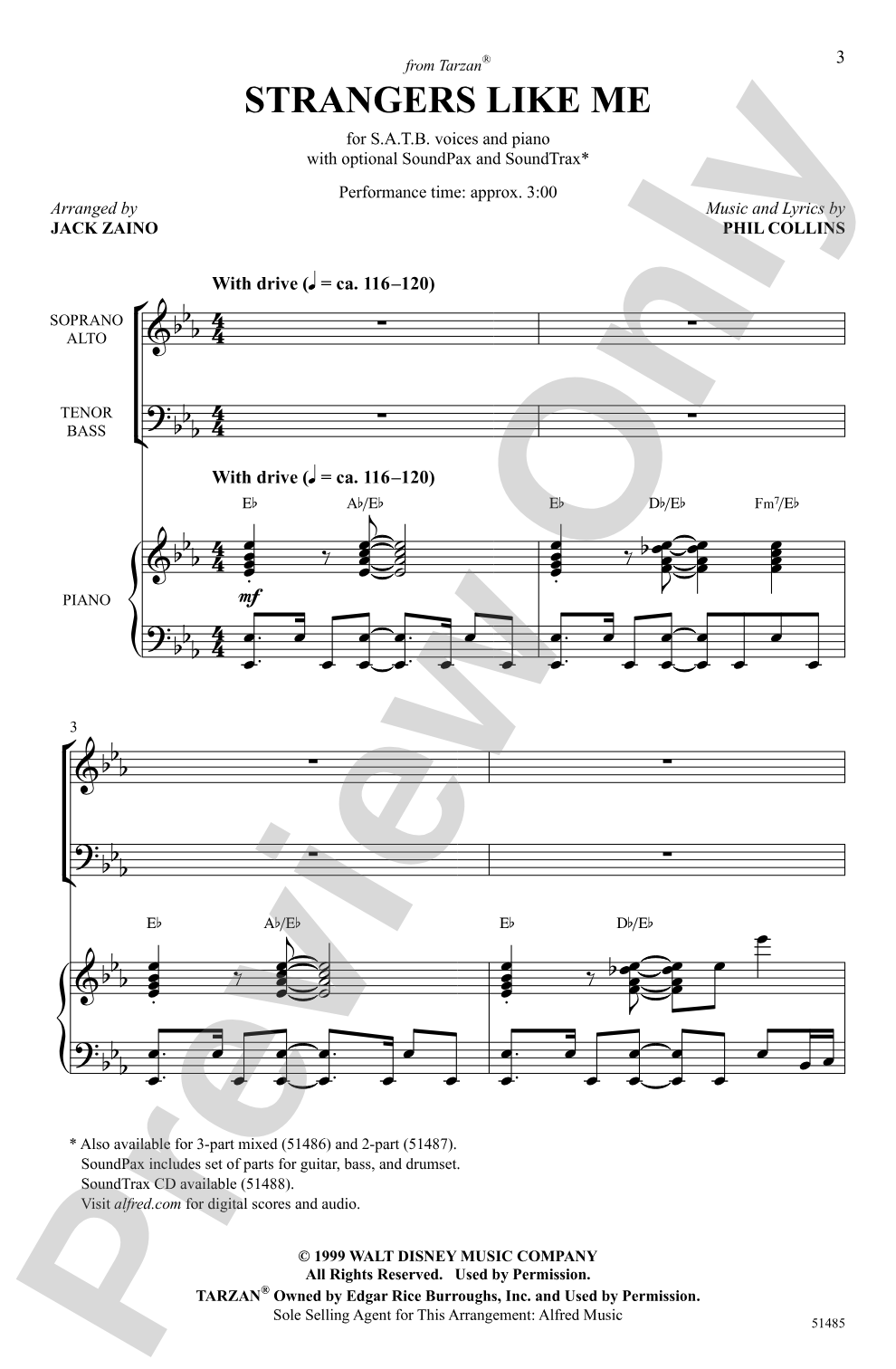
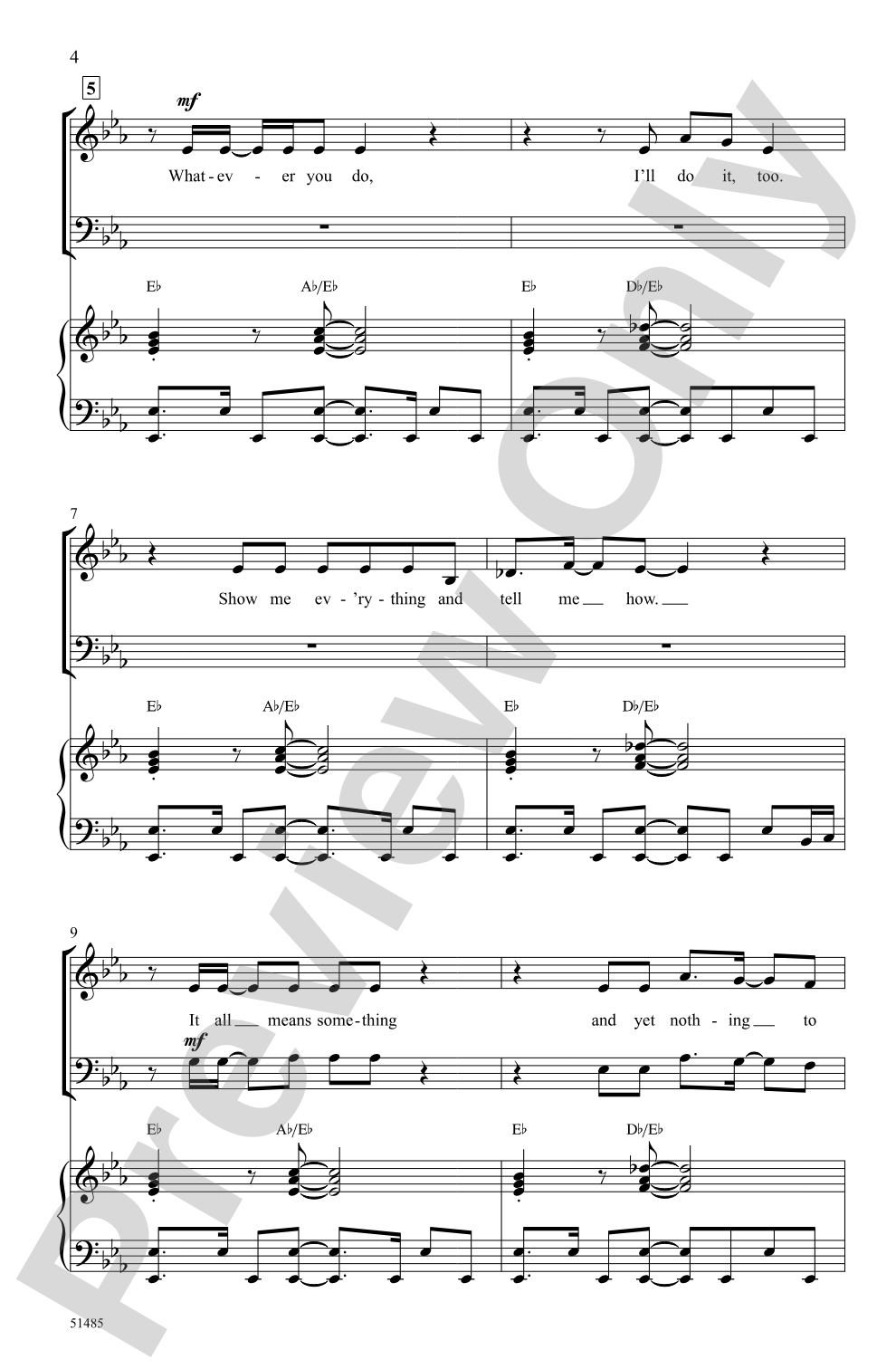
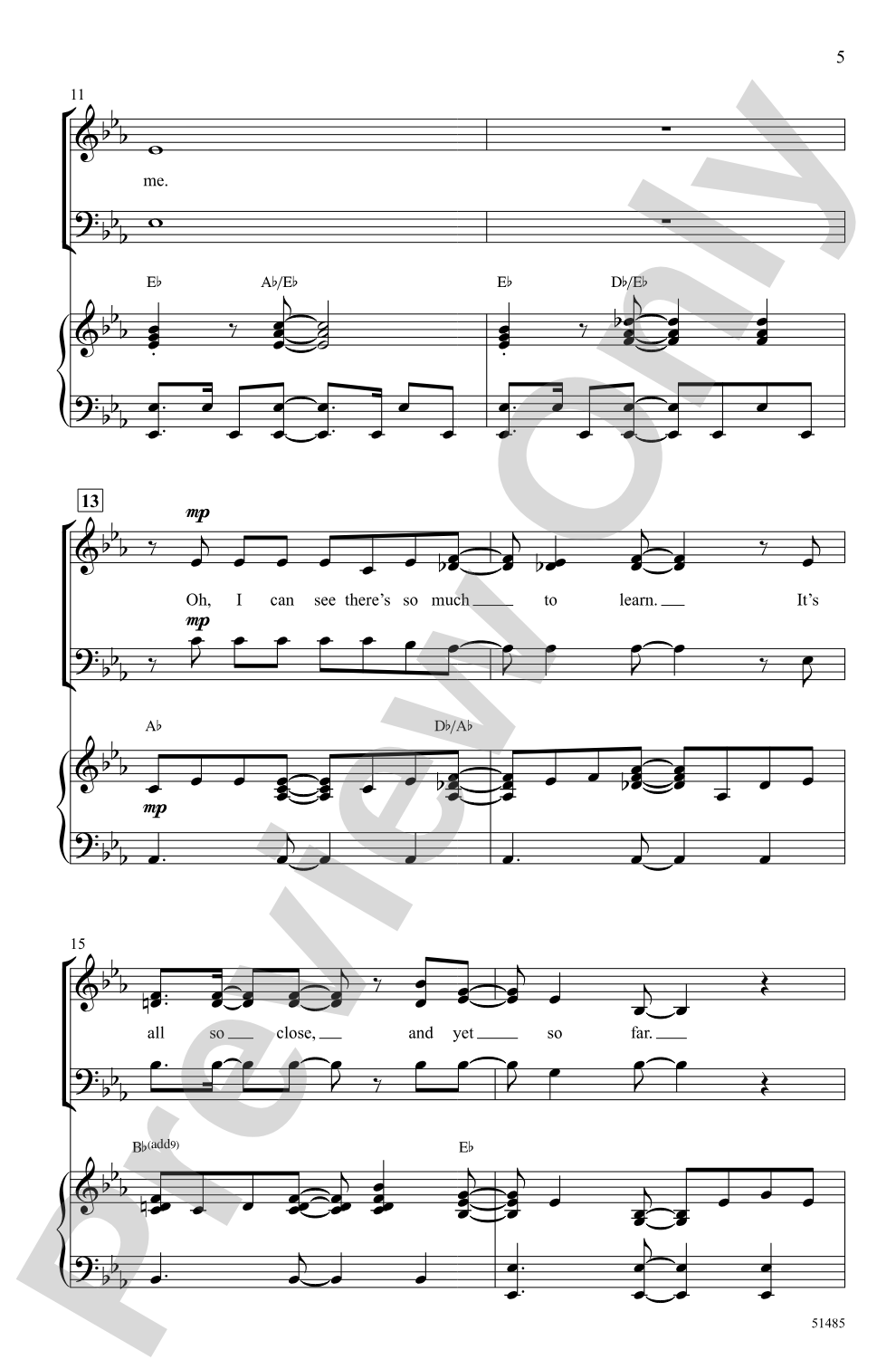
Unleash your choir's spirit of adventure with this driving selection from Disney's Tarzan! With lyrics that speak to the desire for human connection, the percussive song by pop legend Phil Collins mirrors the thrilling pulse of the jungle with its rhythmic vocal lines and energetic accompaniment. It's a rockin' journey of curiosity and self-discovery you won't want to miss!


Discover MakeMusic Cloud: thousands of interactive titles your students can play along with today.
Sample Audio
1
Audio File
--:--
0:00
0:00
Sample Video
Additional Details
Series:
Alfred Pop Choral Series
Publisher:
Alfred Music
Page Count:
16
SKU:
00-PO-0008162
More about this title
About the Composer: Phil Collins
Phil Collins built his reputation as the drummer and later vocalist for Genesis before launching a solo career that redefined pop music in the 1980s and 1990s. His compositional voice blends accessible melodies with sophisticated rhythmic ideas, making him a natural fit for film scoring. Collins has earned multiple Grammy Awards and an Academy Award, with his work for Disney's Tarzan showcasing his ability to write music that captures emotional depth while remaining infectious and immediate.
Why we love this
This arrangement captures the restless energy of Collins' original without sacrificing singability or vocal balance. Jack Zaino's writing preserves the rhythmic propulsion that makes the song memorable while giving each voice part melodic interest; sopranos and tenors don't simply sustain while other sections carry the tune. The text about longing for connection resonates with high school and college singers, and the percussion-forward accompaniment drives rehearsal momentum naturally.
What to expect
The arrangement pulses with jungle-like restlessness and curiosity. Percussive attacks from the voices and rhythmic accompaniment create propulsive momentum, while the melody line conveys genuine longing for understanding and belonging. The overall effect is energizing without being frantic.
Who it's for
This works best with choirs confident in rhythmic precision and contemporary material. High school and college ensembles performing concert or contest programs will find an audience-friendly piece that doesn't feel lightweight; the sophomorically-pitched voicing challenges singers without requiring advanced ranges.
How to get the most out of it
- Establish the rhythmic pulse early in sectionals by having singers lock the syncopated vocal lines with body percussion or conducted beats; the groove matters more than individual note accuracy initially.
- Balance the lower voices carefully when they're providing rhythmic ostinatos against the melody line, keeping accompaniment parts energized but clearly secondary.
- Allow tempo flexibility in the recorded accompaniment options during the first run-through, then commit to a locked tempo once singers internalize the rhythmic feel.
How to use it
Pair this with other contemporary or musical theater selections for a pop-focused concert segment, or use it as a upbeat contrast in a mixed program following something introspective. The song's message about connection and self-discovery makes it particularly effective as an opener that engages your audience immediately.
Skills your students will build
- Syncopated rhythm reading and execution in a contemporary idiom
- Maintaining rhythmic independence while supporting melodic lines
- Ensemble cohesion through pulse-driven, groove-based singing
- Vocal line independence in an arrangement where multiple parts carry distinct rhythmic ideas simultaneously