Sit Down! Cover Image

Sit Down!: 2-Part Choral Octavo

$2.25 USD
Sale price  $2.25 USD Regular price 
Skip to product information
Sit Down! Cover Image

Sit Down!: 2-Part Choral Octavo

Oh, Won't You Sit Down? / Sit Down, Servant

Arr. Sally K. Albrecht

Item: 00-19289

makemusic Cloud badge

Need it now?

Buy Digital Version
$2.25
Shipped

One moment…

Description
Here's a unique partnering of two spirituals: "Oh, Won't You Sit Down" and "Sit Down, Servant." Each melody is presented individually, then combined with an additional counter-line (high voices in the 3-part edition, an optional descant in the 2-part edition). Limited range for boys in the 3-part edition, so it's great for changing male voices. Don't miss the swinging SoundTrax CD that will add excitement to your performance. A new spiritual classic arrangement. Included on Sally's "In the Spotlight!" Video, #19803.

Don't just read it, hear it, play along with it, and watch your students grow with it. In MakeMusic Cloud, Sit Down!: 2-Part Choral Octavo comes alive with professional accompaniment, adjustable tempo, and built-in practice tools that turn solo practice into real progress.

Sample Pages

Sample Audio
0:00
0:00
Sample Video
Additional Details
Series: Alfred Archive Edition: Alfred Choral Designs
Publisher: Alfred Music
Page Count: 12
UPC: 038081179346
SKU: 00-19289

More about this title

About the Arranger: Sally K. Albrecht
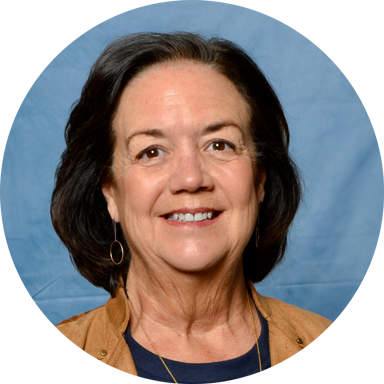
Sally K. Albrecht

Sally K. Albrecht has shaped American choral music for over three decades, first as Director of School Choral, Vocal, and Elementary Publications at Alfred Music, then as a prolific composer and arranger with more than 600 published works. Her expertise spans from intimate octavos to large-scale musicals, and she has been recognized annually by ASCAP since 1987 for her contributions to music composition. She holds degrees from Rollins College, the University of Miami (both M.A. in Drama and M.M. in Accompanying), and has conducted honor choirs at prestigious venues including Lincoln Center, Carnegie Hall, and The Kennedy Center.

Beyond her publishing legacy, Albrecht is known for integrating movement into choral performance, a signature element of her teaching approach. She has held faculty positions at Oakland University, Jersey City State College, and Meredith College, and continues to mentor directors through clinics and festivals nationwide. In 2021, she received Distinguished Alumna Awards from both the University of Miami Frost School of Music and Rollins College.

Why we love this

Albrecht pairs two spirituals with architectural elegance here, letting each melody stand clearly before weaving them together with a counter-line that creates fullness without overwhelming 2-part singers. The optional descant gives you flexibility to feature your strongest voices or keep the texture lean, and the modest range makes this genuinely accessible for changing male voices in middle grades.

What to expect

The piece radiates warmth and invitation, inviting listeners into the conversation between two beloved spirituals without haste or strain. There's an inherent swing to the setting that feels alive and communal, grounded in the spiritual tradition while sounding contemporary enough to engage modern ears.

Who it's for

Directors of middle and high school choirs seeking repertoire that welcomes changing male voices and newer 2-part singers without sacrificing musical substance. This works equally well for community and church choirs looking for spirituals with fresh arranging and genuine accessibility.

How to get the most out of it

  • Introduce each spiritual separately in rehearsal so singers understand the individual identity of "Oh, Won't You Sit Down" and "Sit Down, Servant" before combining them.
  • Leverage the SoundTrax CD to lock in the swinging feel; let singers hear how the rhythmic energy should propel the piece forward rather than sitting statically.
  • Consider whether to use the optional descant based on your ensemble's strength; if you have solid section readers, it elevates the final combination without creating balance trouble.
  • Emphasize the spiritual's conversational quality between the two melodies, treating the counter-line as a response rather than decoration.

How to use it

Pair this with other spirituals or works exploring African American sacred traditions to create a thematic concert segment, or use it as an opener to set a warm, welcoming tone for an entire program. The swinging energy and moderate difficulty make it a strong choice for mid-year concerts when singers have developed foundational skills but don't yet command complex repertoire.

Skills your students will build

  • Singing spirituals with stylistic authenticity and awareness of the genre's historical and cultural significance
  • Reading and performing in 2-part texture with optional descant lines
  • Blending individual melodic lines into unified ensemble sound while maintaining textural clarity
  • Responding rhythmically to swing feel and conversational phrasing between melodic voices

You May Also Like
