
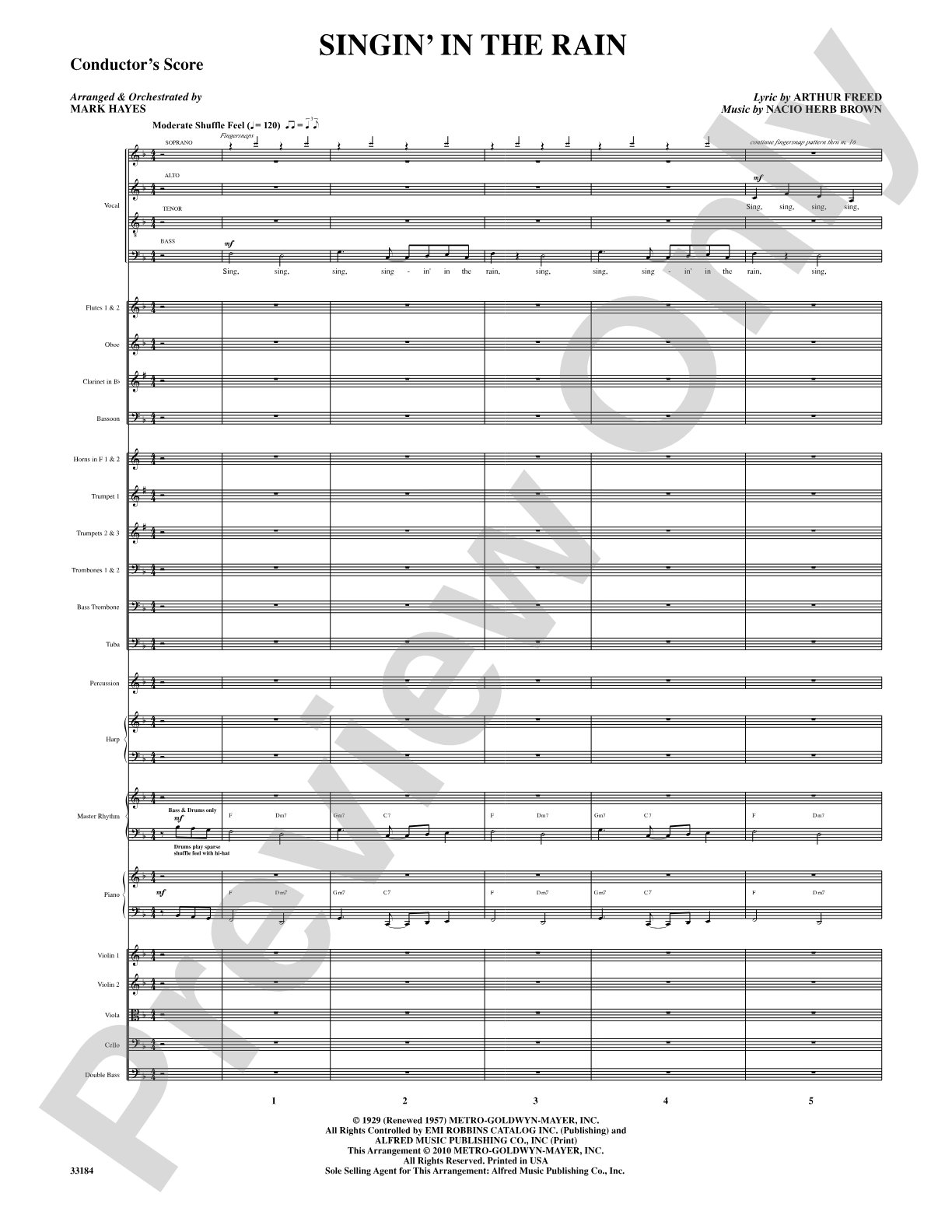
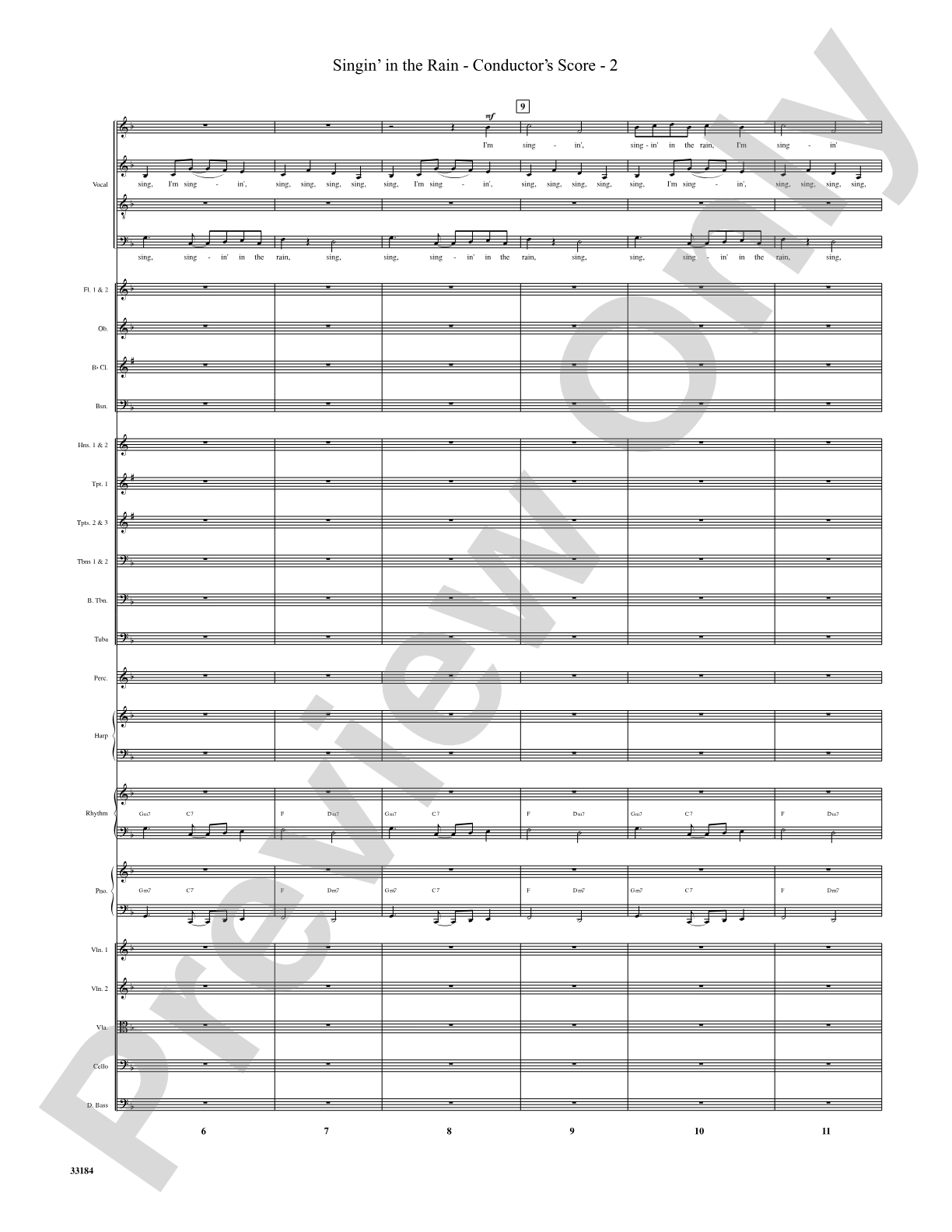
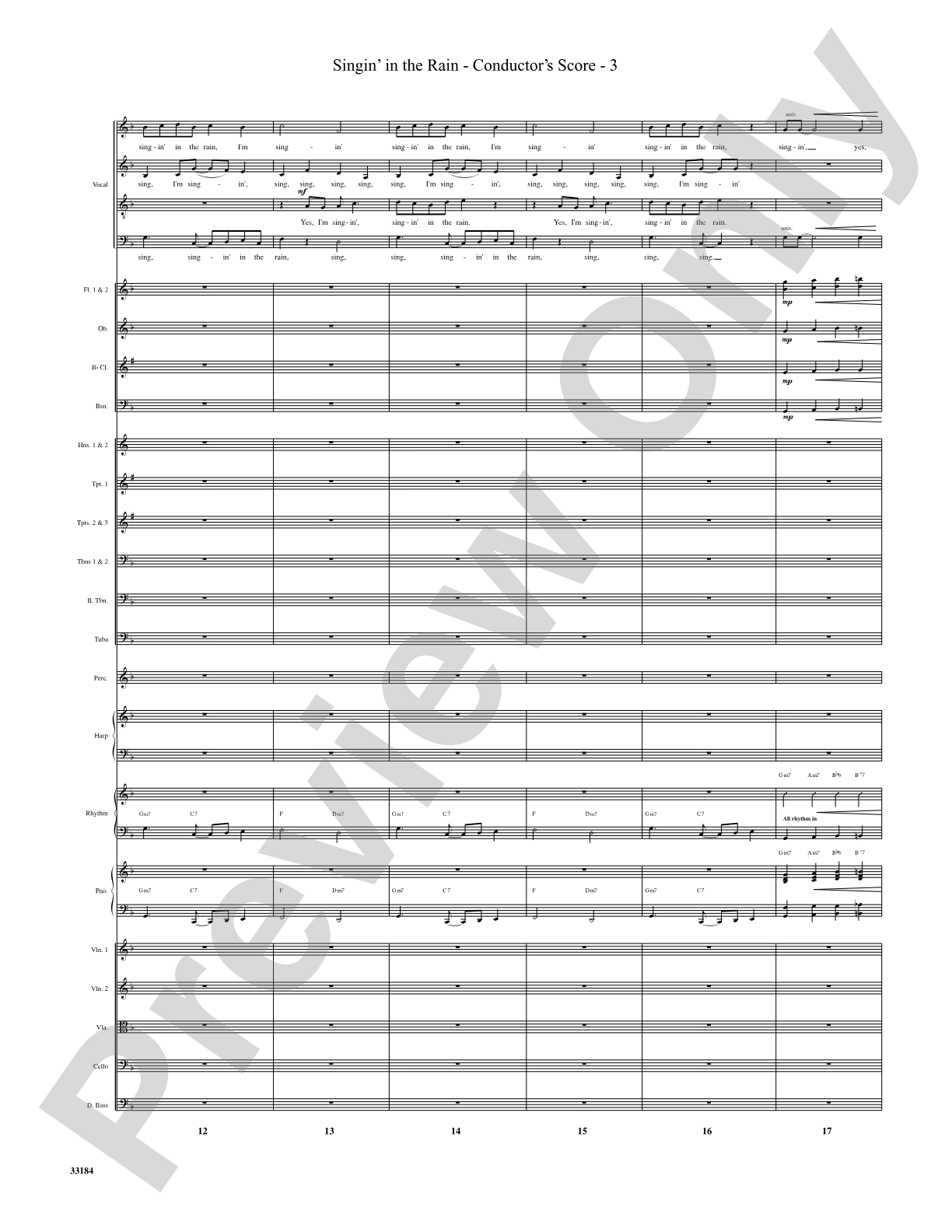
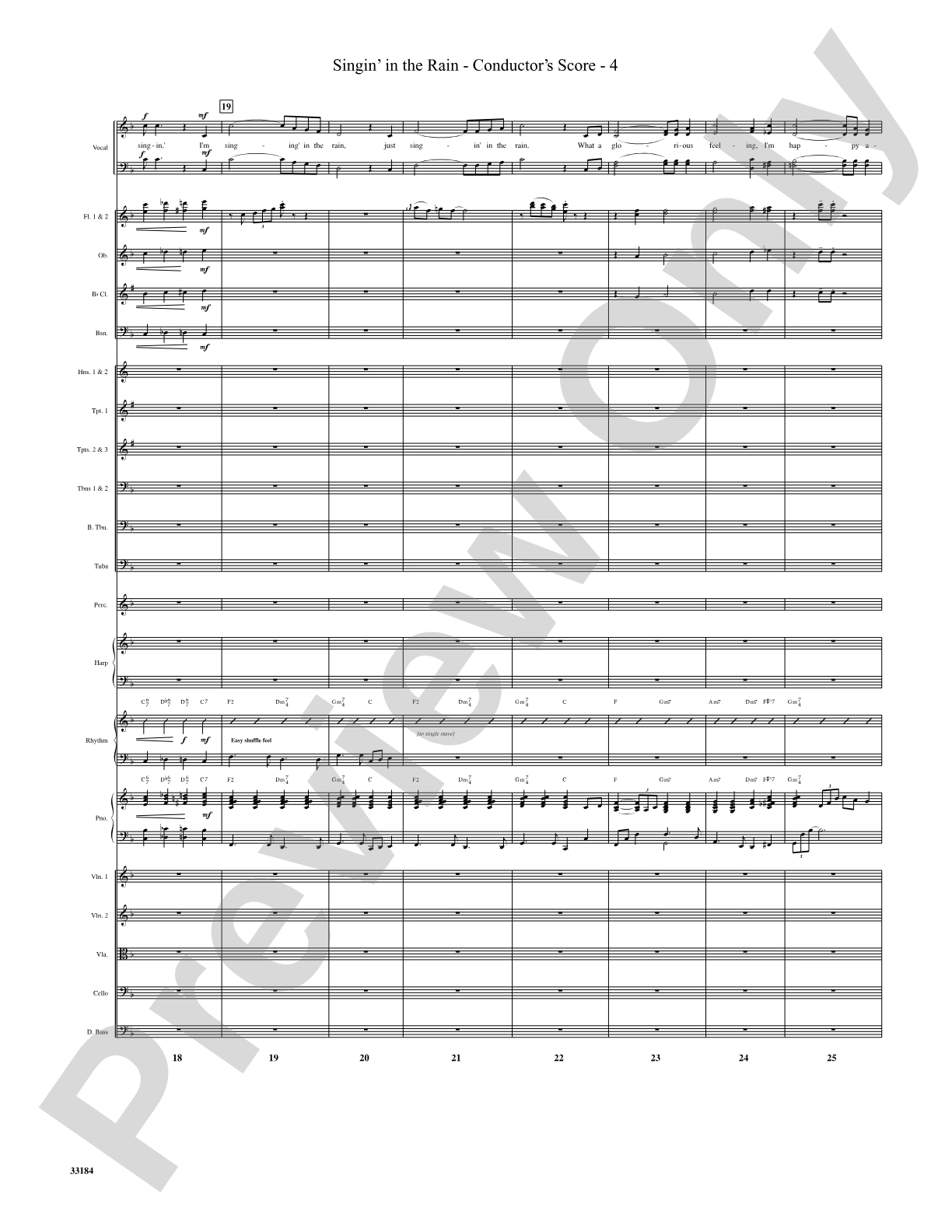
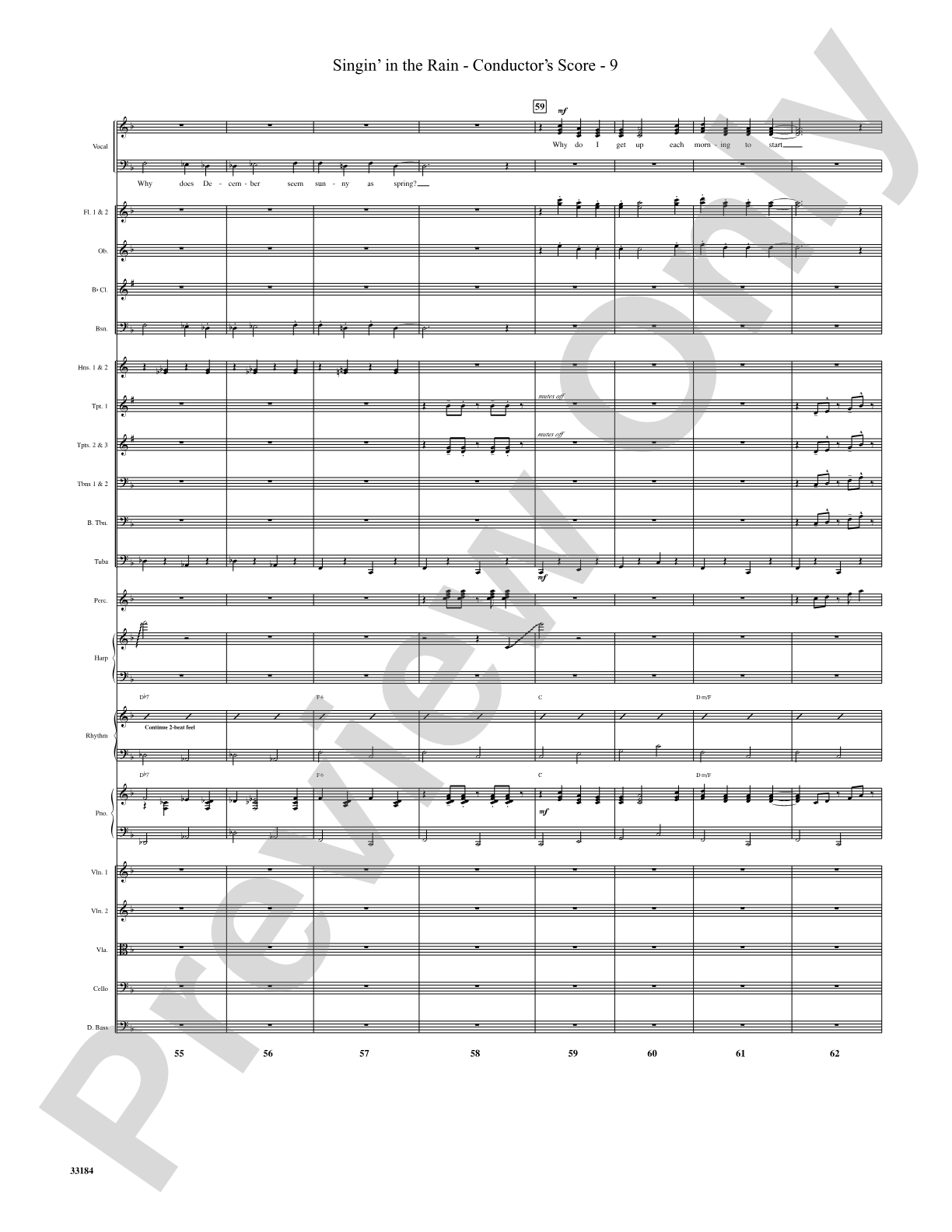
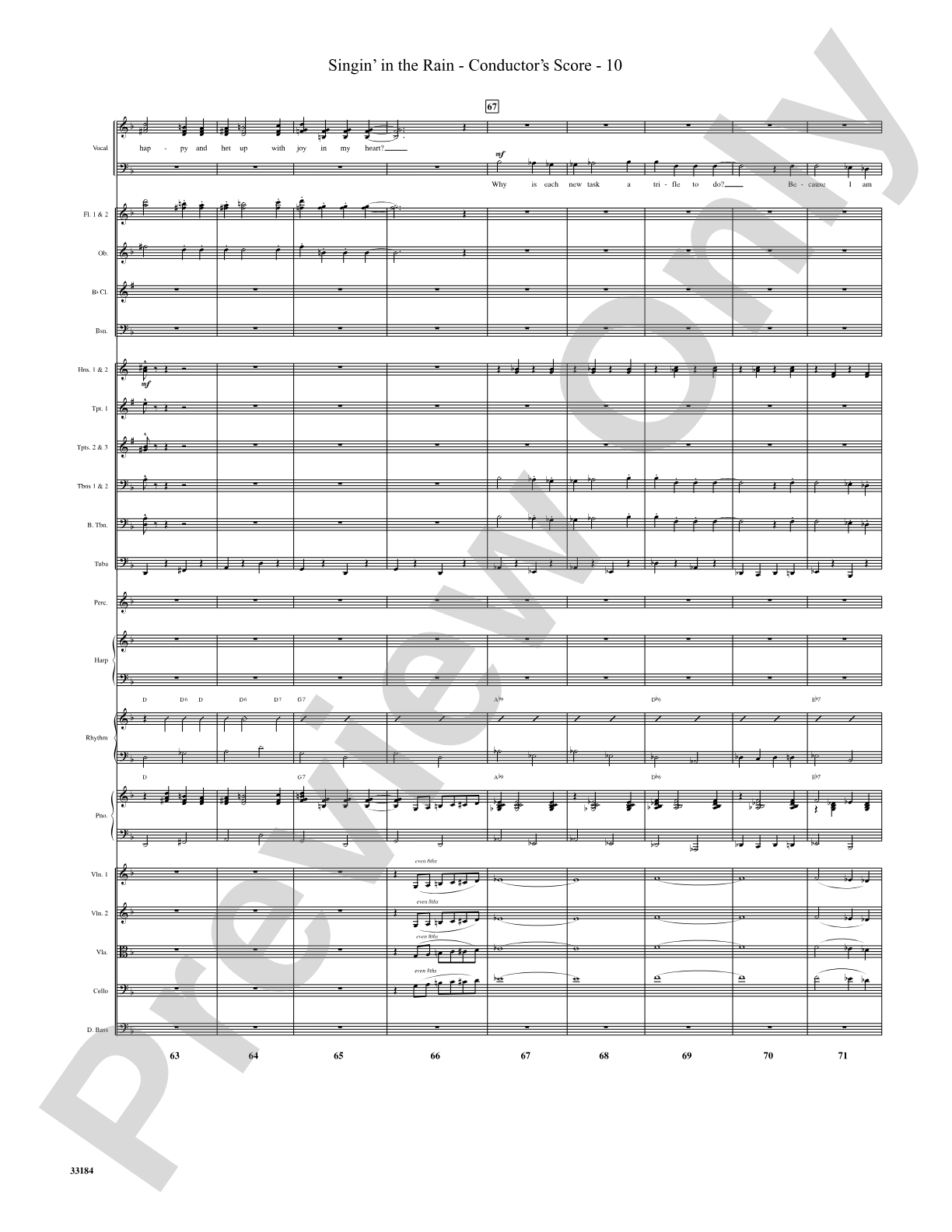
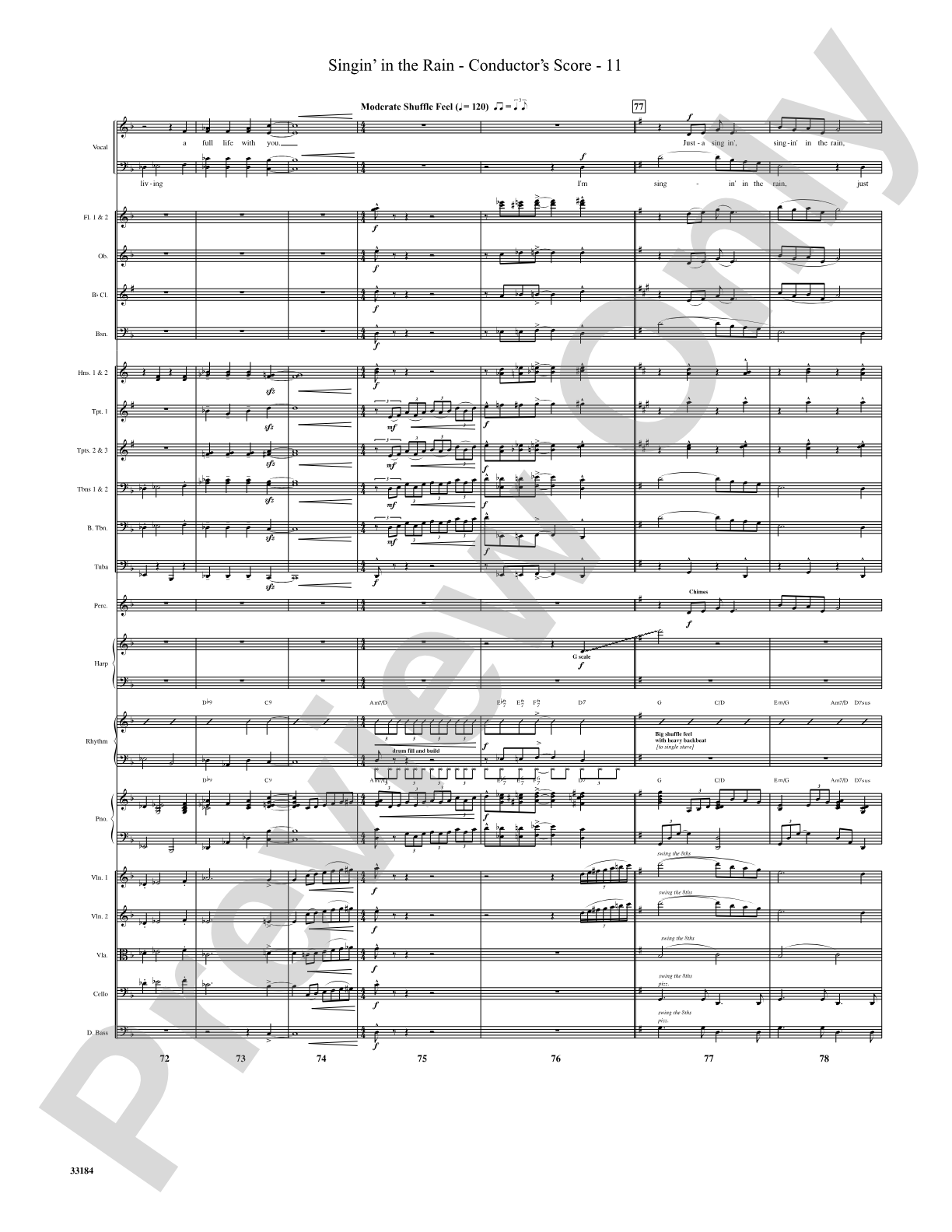
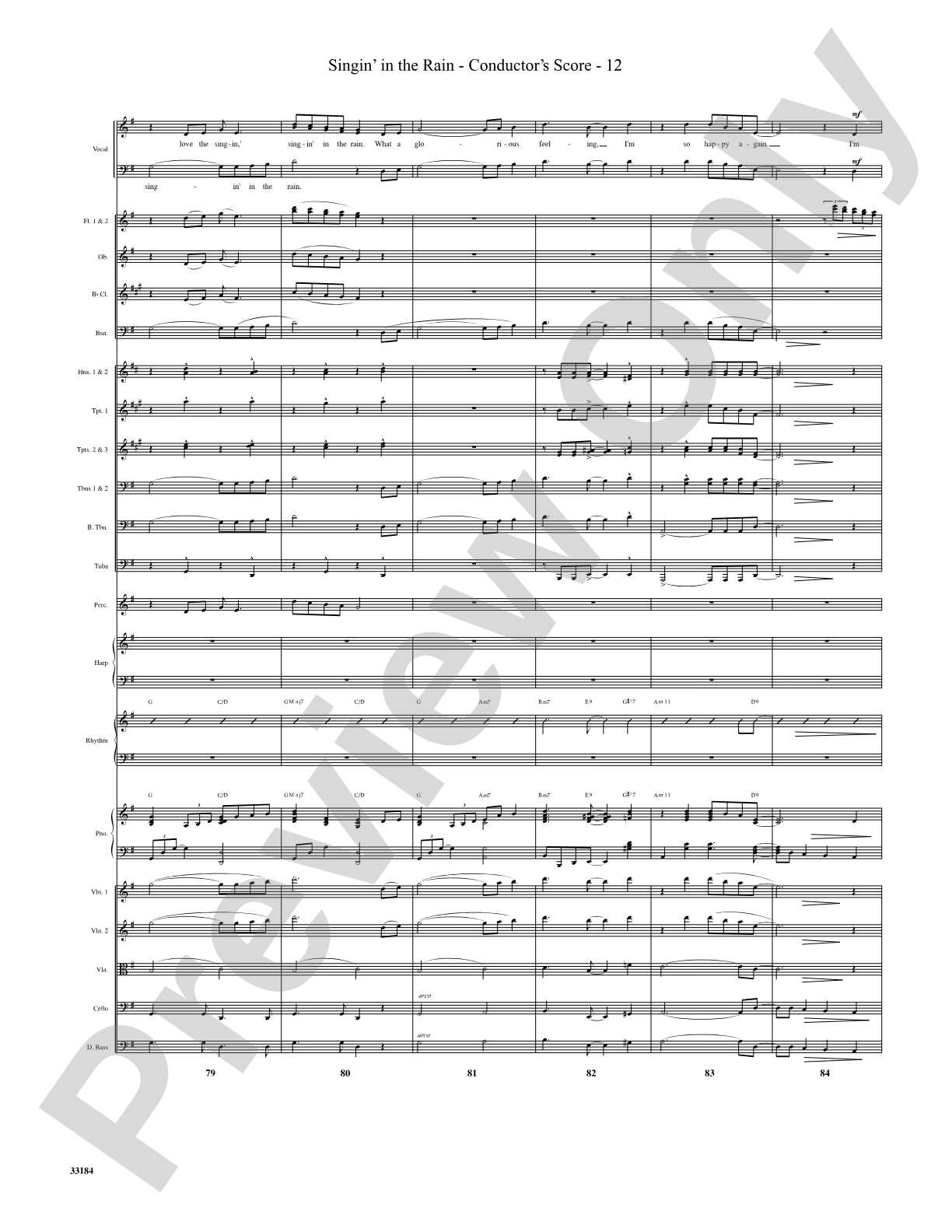
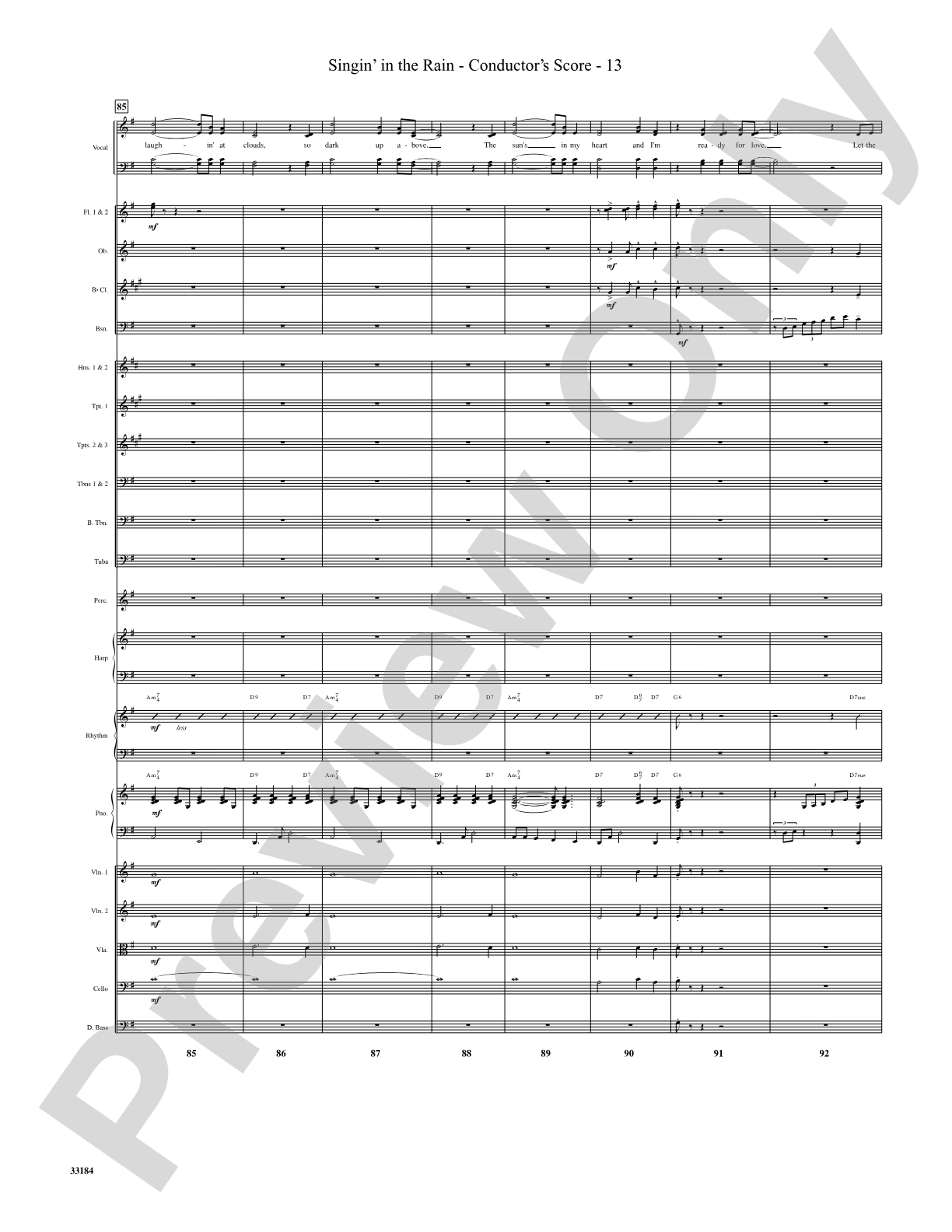
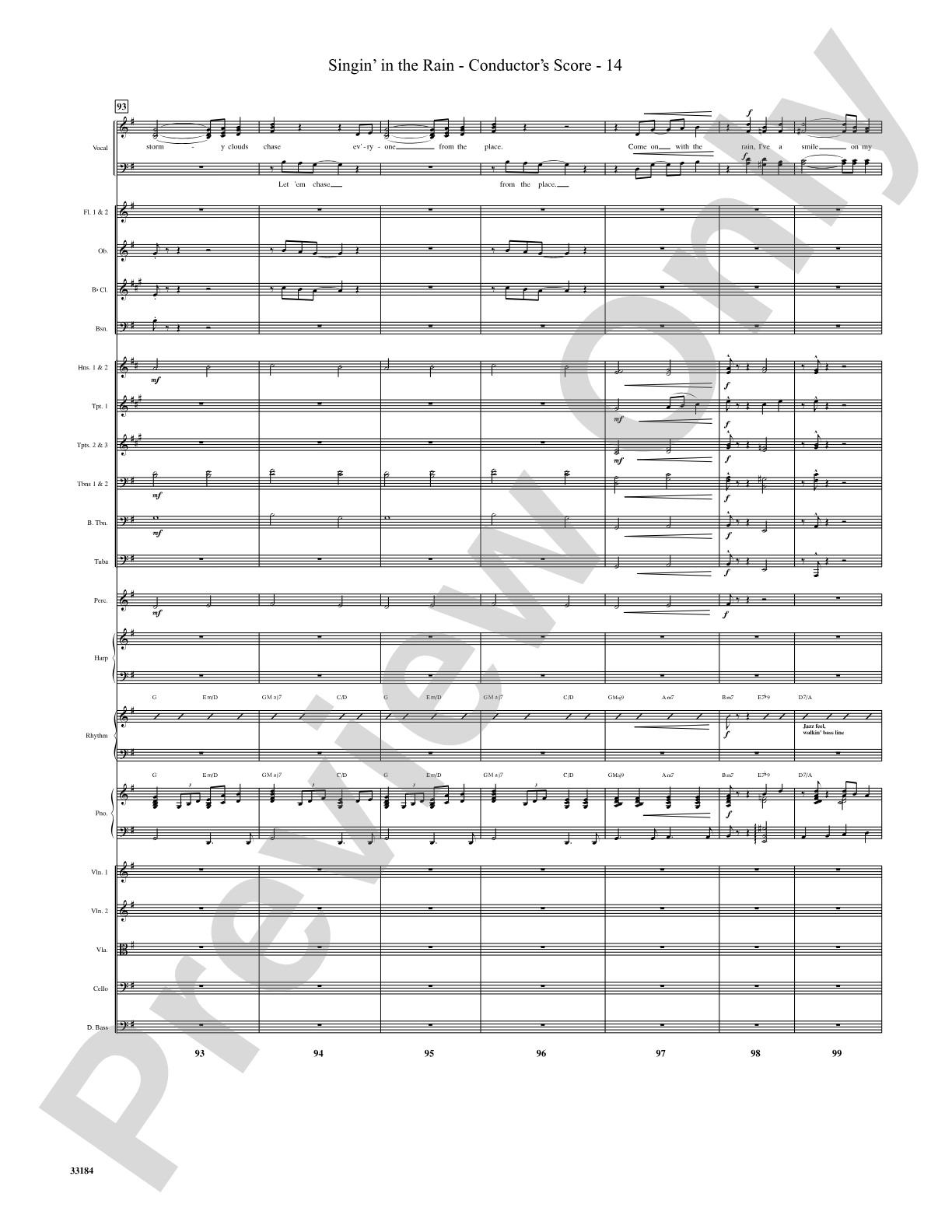
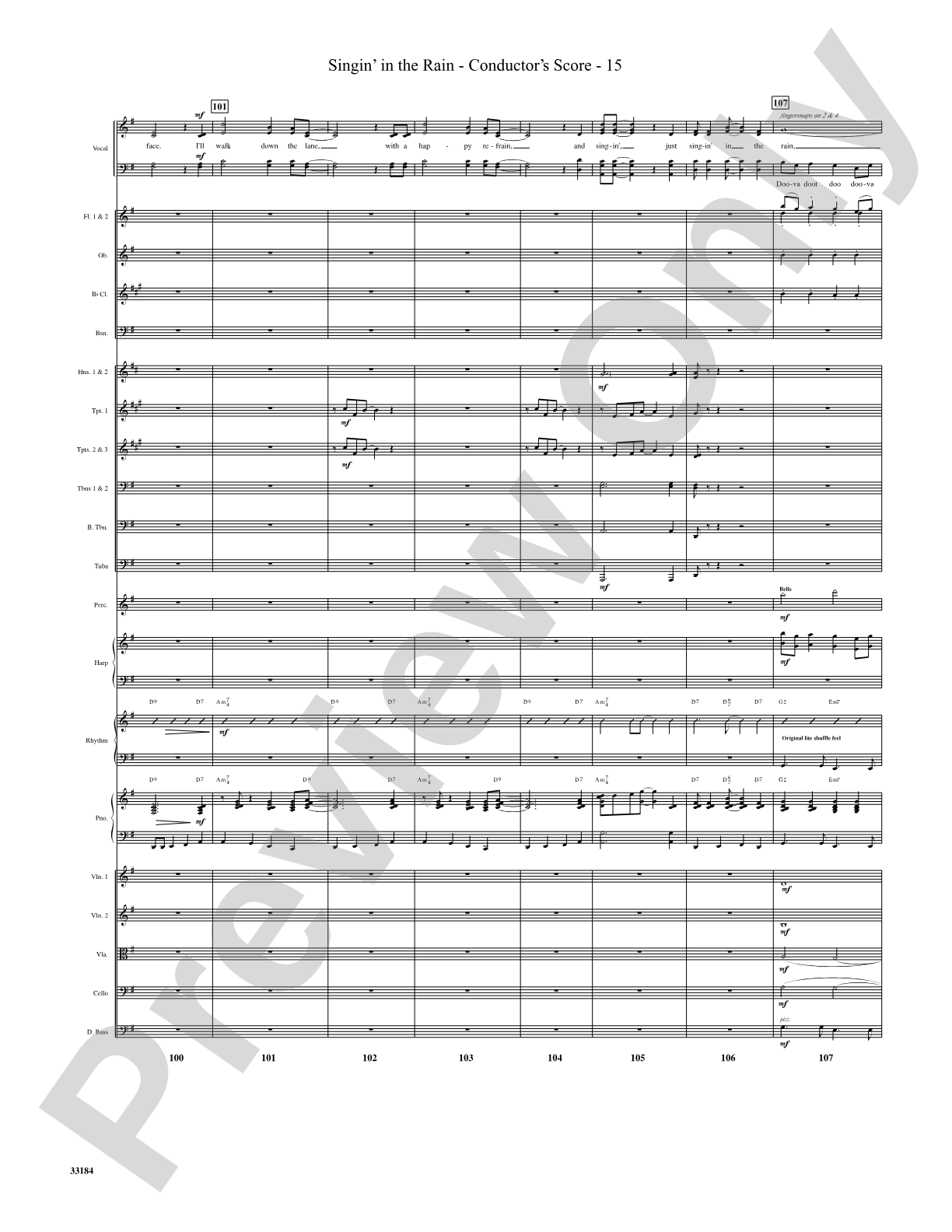
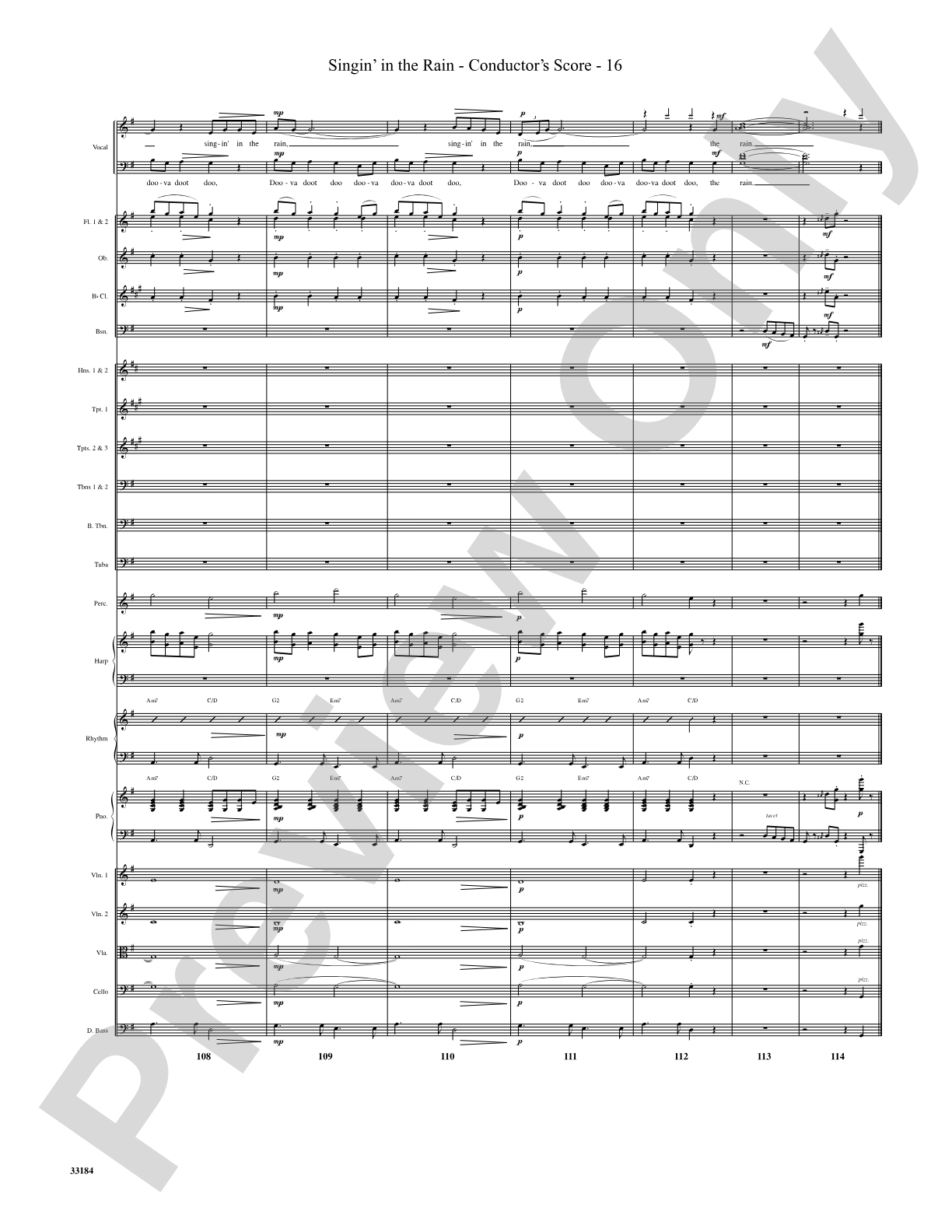

Singin' in the Rain: Choral SoundPax
Lyric by Arthur Freed, music by Nacio Herb Brown / arr. Mark Hayes
Item: 00-PK-0004135

$75.00
One moment…
Related Items
Singin' in the Rain: SoundTrax Digital Audio Download |
$29.99
|
View | |
Singin' in the Rain: SATB Choral Octavo |
$2.75
|
View | |
Singin' in the Rain: SAB Choral Octavo |
$2.25
|
View | |
Singin' in the Rain: SSA Choral Octavo |
$2.25
|
View | |
Singin' in the Rain: 2-Part Choral Octavo |
$2.25
|
View | |
Singin' in the Rain: SATB Choral Octavo |
$2.75
|
View | |
Singin' in the Rain: SAB Choral Octavo |
$2.25
|
View | |
Singin' in the Rain: SSA Choral Octavo |
$2.25
|
View | |
Singin' in the Rain: 2-Part Choral Octavo |
$2.75
|
View | |
Singin' in the Rain: Choral Octavo SoundTrax CD |
$29.99
|
View | |
Singin' in the Rain: Choral SoundPax |
$75.00
|
View |
Description
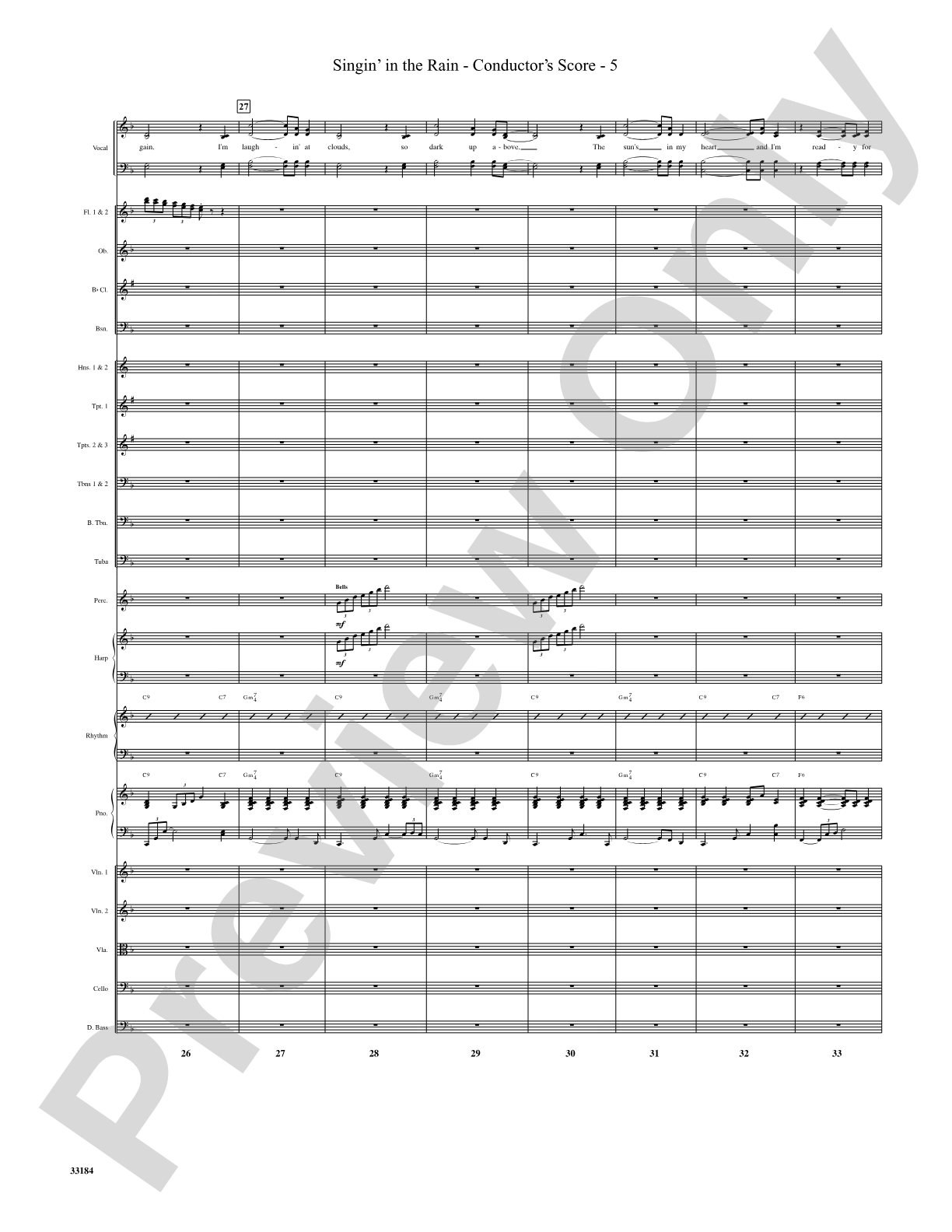
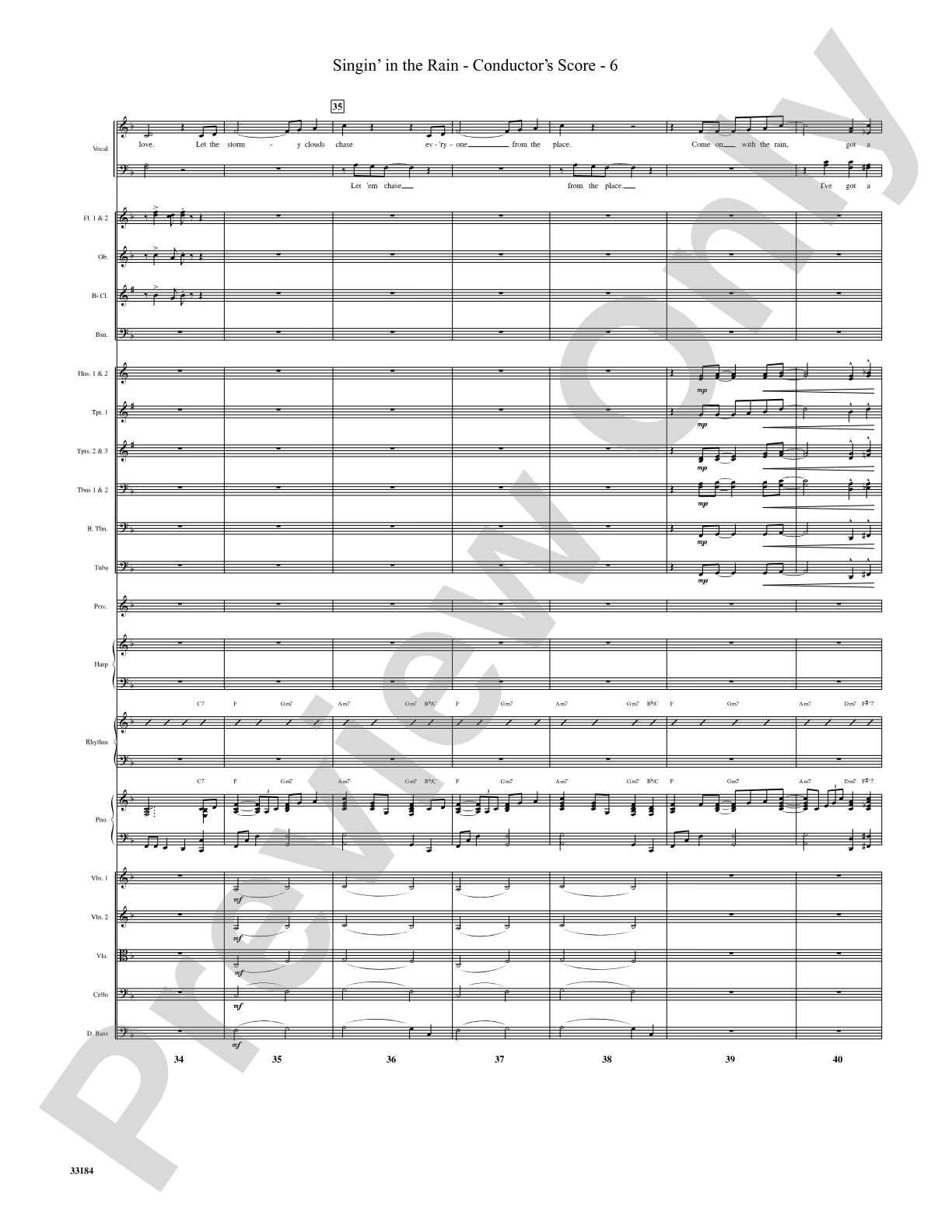
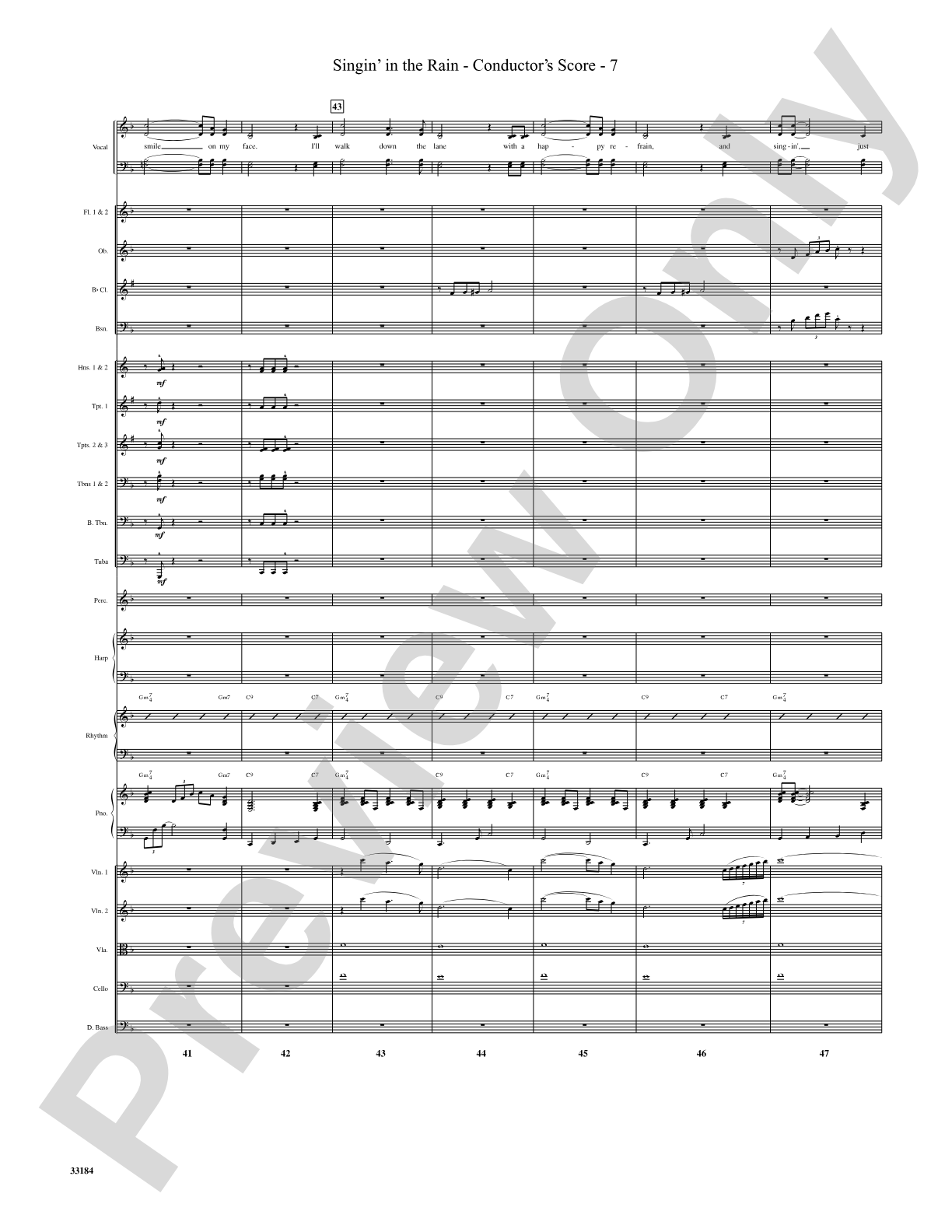
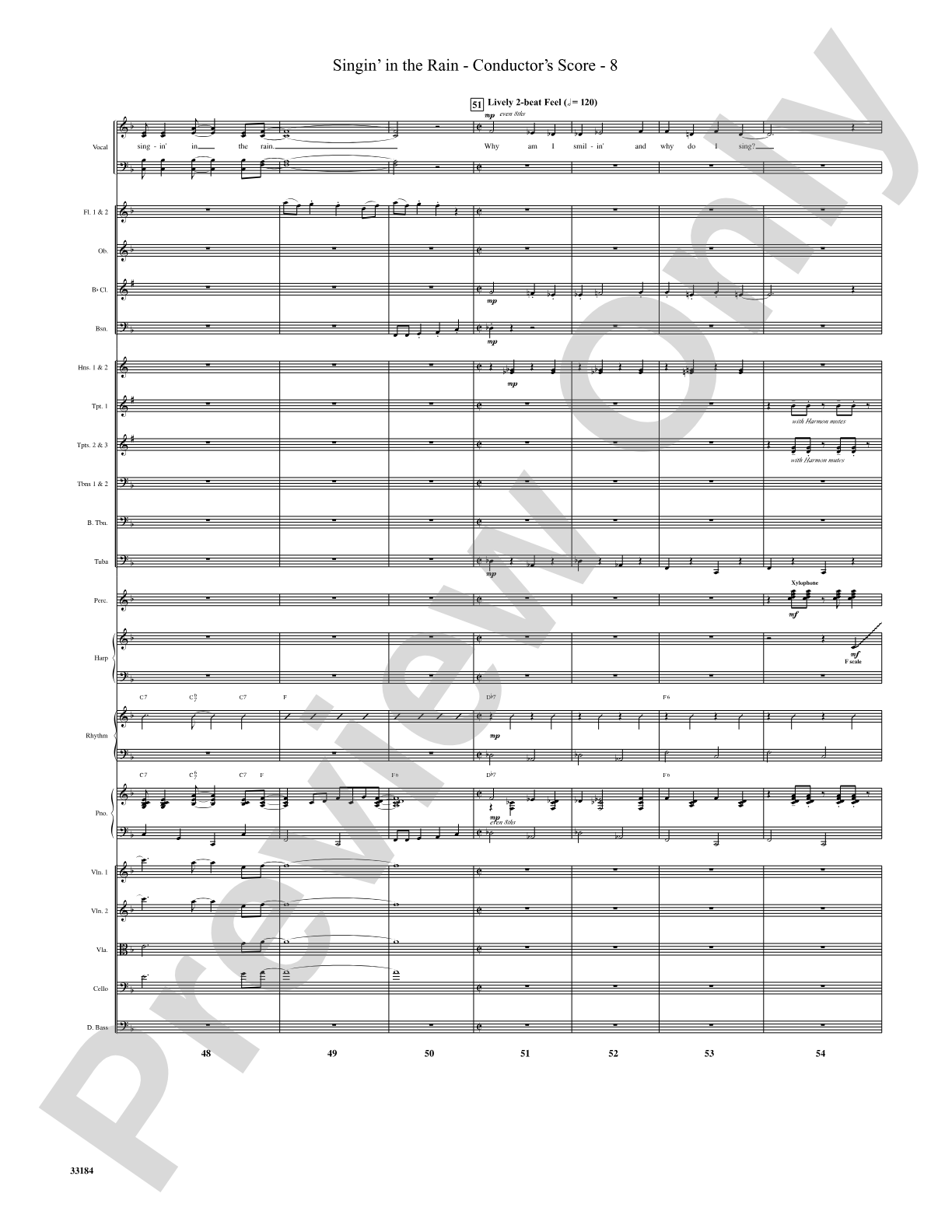
Grab your umbrellas and your yellow slickers! Everyone will enjoy performing and hearing this novel Mark Hayes arrangement of the well-known song originally featured in the 1952 musical film of the same name.


Don't just read it, hear it, play along with it, and watch your students grow with it. In MakeMusic Cloud, Singin' in the Rain: Choral SoundPax comes alive with professional accompaniment, adjustable tempo, and built-in practice tools that turn solo practice into real progress.
Open in the Player
Jump straight in and assign it today.
Start Your Free Trial
Open this title and explore the full library in minutes.
Sample Audio
1
Audio File
--:--
0:00
0:00
Sample Video
No sample videos found.
Additional Details
Series:
Alfred Pop Choral Series
Publisher:
Alfred Music
Page Count:
78
SKU:
00-PK-0004135
Instrumentation:
SoundPax
More about this title
About the Composer: Nacio Herb Brown
Nacio Herb Brown (1896-1964) was a prolific composer who shaped the sound of early Hollywood musicals. Working primarily during the 1920s and 1930s, he collaborated with lyricist Arthur Freed to create some of the most enduring songs in American popular music, including "Singin' in the Rain," "You Were Meant for Me," and "Pagan Love Song." His melodies are marked by singable lines and infectious rhythms that have made them staples of music education for decades.
Brown's gift for writing accessible yet sophisticated popular songs made him a natural for the screen. His work spans from silent film accompaniment to full musical features, and his catalog remains relevant in choral programs because his songs balance simplicity with genuine melodic substance. Music educators and directors return to Brown's compositions repeatedly because they engage singers and audiences alike.
Why we love this
Mark Hayes understands how to honor a classic while making it feel fresh and performable. This arrangement captures the jubilant energy and theatrical spirit of the original without losing the song's emotional core, and the SoundPax format gives your singers an engaging learning and performance tool. Your choir will spend rehearsal time actually singing, not hunting for entrances.
What to expect
Sunshine breaks through clouds. The song carries the optimism of someone dancing through a downpour, turning weather into an excuse for celebration. Hayes's arrangement captures that infectious good humor, with moments that swing and moments that settle into warm harmony, all of it buoyed by the kind of melody that makes singers smile while they're performing it.
Who it's for
This arrangement works for choirs at the middle school, high school, and adult levels who want to perform a beloved standard that audiences recognize instantly. It's ideal for groups looking to add a concert closer or a programmatic anchor point, and it suits mixed ensembles as well as treble choirs.
How to get the most out of it
- Keep the rhythm bouncy and conversational; this is a song about joy, not a ballad. The swing should feel natural, not forced.
- Use the recorded accompaniment in rehearsal to establish the style and tempo, then have singers learn to lock with each other once they're secure with the melody.
- Balance the ensemble sound carefully, especially in unison and two-part passages. The arrangement's clarity depends on clean diction and uniform vowel shapes.
- Layer in dynamics and expression gradually. Start with a solid foundation of pitch and rhythm, then add the theatrical character that makes this piece sing.
How to use it
Program this as a concert finale or a standalone showcase piece that gives your audience something to hum on the way out. It also pairs well with other standards or with a movie musical medley, offering the flexibility to build around it depending on your concert theme.
Skills your students will build
- Singing in a commercial/popular song style with natural phrasing and conversational tone
- Balancing ensemble blend in mixed textures (unison, two-part, and full harmony)
- Learning a widely recognized melody while interpreting it through a contemporary choral arrangement
- Responding to recorded accompaniments and maintaining ensemble cohesion with an external audio track