Sing for Joy, Alleluia! Cover Image

Sing for Joy, Alleluia!: SSAB, <I>a cappella</I> Choral Octavo

$2.25 USD
Sale price  $2.25 USD Regular price 
Skip to product information
Sing for Joy, Alleluia! Cover Image

Sing for Joy, Alleluia!: SSAB, a cappella Choral Octavo

Music by Sally K. Albrecht

Item: 00-11566

makemusic Cloud badge

Need it now?

Buy Digital Version
$2.25
Shipped

One moment…

Description
This full-sounding choral work with a driving, rhythmic intensity may be performed a cappella or with the piano doubling the voices. ABA form makes for quick learning. Secular text is perfect for school chorals . . . and a great festival work, too. Note: The SSAB edition is excellent for choirs with few men.

Don't just read it, hear it, play along with it, and watch your students grow with it. In MakeMusic Cloud, Sing for Joy, Alleluia!: SSAB, a cappella Choral Octavo comes alive with professional accompaniment, adjustable tempo, and built-in practice tools that turn solo practice into real progress.

Sample Pages

Sample Audio
No sample audio found.
Sample Video
Additional Details
Series: Alfred Archive Edition: Alfred Choral Designs
Publisher: Alfred Music
Page Count: 8
UPC: 038081028651
SKU: 00-11566

More about this title

About the Composer: Sally K. Albrecht
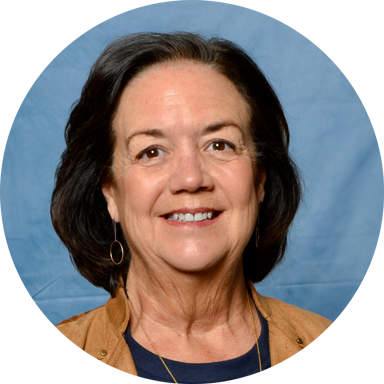
Sally K. Albrecht

Sally K. Albrecht has shaped American choral music for over three decades, first as Director of School Choral, Vocal, and Elementary Publications at Alfred Music, then as a composer and conductor in her own right. Her catalog exceeds 600 published works, and she has been an annual ASCAP Special Music Award recipient since 1987. She has conducted honor choirs at Lincoln Center, Carnegie Hall, and The Kennedy Center, bringing her distinctive approach to choral movement and accessibility to ensembles across the country.

Albrecht holds degrees from Rollins College (B.A. in Music and Theater, 1976), the University of Miami (M.A. in Drama, 1977, and M.M. in Accompanying, 1979), and has taught in university music departments at Oakland University, Jersey City State College, and Meredith College. In 2021, she received Distinguished Alumna Awards from both the University of Miami Frost School of Music and Rollins College. She resides in Wake Forest, North Carolina, with her husband, composer and arranger Jay Althouse.

Why we love this

Albrecht writes for the choirs that actually exist in schools. The SSAB voicing solves a genuine logistics problem without sacrificing musical substance, and the ABA form means singers grasp the architecture immediately rather than spending rehearsals on structure. The rhythmic drive and secular text make this equally at home in a concert setting or a competitive festival round.

What to expect

Propulsive and joyful, with a rhythmic undercurrent that keeps singers and listeners engaged. The secular text paired with the celebratory character creates an accessible sound that never feels simplistic.

Who it's for

Choirs with limited tenor-bass resources will find this SSAB voicing practical without compromise. It works equally well for middle school ensembles developing independence and for high school choirs preparing festival entries.

How to get the most out of it

  • Lean into the rhythmic intensity in the opening section. This piece gains momentum through precision, not volume, so lock the pulse early and let the syncopation do the work.
  • The optional piano part should double rather than obscure the voices. If you use it, keep the accompaniment lean and bright, letting the a cappella sonority remain the focus.
  • Shape the B section as a genuine contrast. Whether you soften dynamics, shift the vocal blend, or introduce a subtle tempo shift, the ABA form demands that listeners feel the arrival of something different before the return.
  • Test the high register of the soprano line in rehearsal; Albrecht writes with confidence in that tessitura, and you want singers comfortable before performance pressure builds.

How to use it

Program this as an opener to establish energy, or anchor a set of mixed sacred and secular works. At eight pages, it sits comfortably in a festival medley or as a sturdy standalone concert piece that fills programming time without demanding excessive rehearsal allocation.

Skills your students will build

  • Maintaining rhythmic independence within driving ensemble textures
  • Balancing pure a cappella intonation across three voice parts
  • Recognizing and executing formal structures (ABA) through singing
  • Shaping phrasing within a rhythmically propulsive context

You May Also Like
