Sing for Joy, Alleluia! Cover Image

Sing for Joy, Alleluia!: SSATB, <I>a cappella</I> Choral Octavo

$2.25 USD
Sale price  $2.25 USD Regular price 
Skip to product information
Sing for Joy, Alleluia! Cover Image

Sing for Joy, Alleluia!: SSATB, a cappella Choral Octavo

Music by Sally K. Albrecht

Item: 00-11565

makemusic Cloud badge

Need it now?

Buy Digital Version
$2.25
Shipped

One moment…

Description
This full-sounding choral work with a driving, rhythmic intensity may be performed a cappella or with the piano doubling the voices. ABA form makes for quick learning. Secular text is perfect for school chorals . . . and a great festival work, too. Note: The SSAB edition is excellent for choirs with few men.

Don't just read it, hear it, play along with it, and watch your students grow with it. In MakeMusic Cloud, Sing for Joy, Alleluia!: SSATB, a cappella Choral Octavo comes alive with professional accompaniment, adjustable tempo, and built-in practice tools that turn solo practice into real progress.

Sample Pages

Sample Audio
No sample audio found.
Sample Video
Additional Details
Series: Alfred Archive Edition: Alfred Choral Designs
Publisher: Alfred Music
Page Count: 8
UPC: 038081028644
SKU: 00-11565

More about this title

About the Composer: Sally K. Albrecht
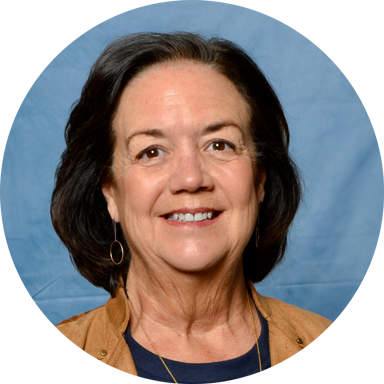
Sally K. Albrecht

Sally K. Albrecht has shaped American choral music for over four decades as a composer, conductor, and clinician with a particular gift for writing pieces that move singers' bodies as well as their voices. Since 1987, she has received the ASCAP Special Music Award annually and maintains more than 600 published choral works in print, alongside 75 larger musicals and songbooks. Her conducting has led honor choirs at prestigious venues including Lincoln Center, Carnegie Hall, and The Kennedy Center.

For more than 30 years, Albrecht directed school choral, vocal, and elementary publications at major educational music publishers, most recently at Alfred Music. She holds degrees from Rollins College (B.A. in Music and Theater, 1976), the University of Miami (M.A. in Drama, 1977), and the University of Miami Frost School of Music (M.M. in Accompanying, 1979). She has taught in the music departments at Oakland University, Jersey City State College, and Meredith College. A 2021 recipient of the Distinguished Alumna Award from both the University of Miami Frost School of Music and Rollins College, Albrecht lives in Wake Forest, North Carolina, with her husband, composer and arranger Jay Althouse.

Why we love this

Albrecht crafts choral writing that feels alive the moment singers open their scores. The ABA structure moves quickly through rehearsal, and the rhythmic drive creates natural energy without requiring complex harmonic language. School chorals and festivals alike respond to the secular text and the built-in flexibility of a cappella or piano doubling, giving you control over sound while maintaining full, confident voicing throughout.

What to expect

Propulsive energy meets pure joy. The rhythmic intensity carries singers forward with an infectious momentum while the full SSATB sonority creates the sense of a larger ensemble even at moderate volume. The piece feels celebratory without being precious, built for singers who want to feel their voices working together.

Who it's for

This octavo works beautifully for school choirs seeking confident, accessible repertoire that feels substantial without overwhelming singers. The secular text and motivating rhythmic character appeal to middle school through high school programs. An SSAB edition also exists for choirs with limited tenor and bass sections, making it practical across varied ensemble configurations.

How to get the most out of it

  • Lock the rhythmic pulse before worrying about blend. The driving intensity comes from precision rather than tonal perfection, so establish tight ensemble rhythm across all four voice parts early in rehearsal.
  • Consider the bridge section (B section) as a dynamic turning point. Pull back slightly on volume and intensity here to make the return to A feel fresh and energized.
  • If doubling with piano, assign a rehearsal pianist before the piece is fully learned. The piano part supports harmonic clarity and helps secure pitch in a cappella passages.
  • Shape the alleluia sections with a natural peak in energy and volume. Avoid over-singing; let the text and rhythm do the work of creating lift.

How to use it

Program this as an opener or closer at festival competitions and spring concerts where you want to grab attention and leave singers feeling confident. The quick learning curve and ABA form make it ideal for mid-year addition to the repertoire when programming flexibility matters. The secular text also works well in secular concert contexts where sacred-sounding music still lands with warmth.

Skills your students will build

  • Rhythmic precision and ensemble unison singing
  • Four-part SATB blend and balance
  • Memorization through accessible song form (ABA)
  • Dynamic shaping and phrasing in short, repetitive text
  • Flexibility between a cappella and accompanied performance

You May Also Like
