Shalom / Zum Gali Cover Image

Shalom / Zum Gali: 2-Part Choral Octavo

$2.40 USD
Sale price  $2.40 USD Regular price 
Skip to product information
Shalom / Zum Gali Cover Image

Shalom / Zum Gali: 2-Part Choral Octavo

Traditional Hebrew Songs / arr. Douglas E. Wagner

Item: 00-52210

Need it now?

Buy Digital Version
$2.40
Shipped

One moment…

Description
Sing two traditional Hebrew melodies in one! It's "Shalom Chaverim" alongside "Zum Gali Gali"---two folk songs your singers may already know. As this creative and lively arrangement unfolds, the familiar tunes intertwine over a vibrant piano and tambourine accompaniment. A helpful guide ensures the accurate pronunciation of the four Hebrew words. Joyful and dancelike.

Shalom / Zum Gali: 2-Part Choral Octavo isn't in MakeMusic Cloud just yet...but it could be. Let us know you'd like to see it, and you'll help shape what comes next. In the meantime, start a free trial and dive into thousands of interactive titles your students can play along with today.

Sample Pages

Sample Audio
0:00
0:00
Sample Video
Additional Details
Series: Alfred Choral Designs
Publisher: Alfred Music
Page Count: 8
UPC: 038081616155
SKU: 00-52210

More about this title

About the Arranger: Douglas E. Wagner
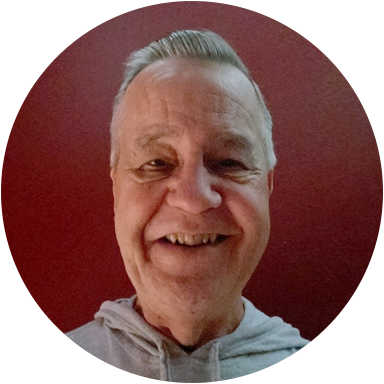
Douglas E. Wagner

Douglas E. Wagner spent three decades leading music programs in high schools before transitioning to full-time composition and arrangement work. A Butler University alumnus with degrees in music at both undergraduate and graduate levels, Wagner has established himself as a prolific voice in American music publishing, with over 3,500 titles in circulation since 1973.

His output spans choirs, bands, orchestras, handbell ensembles, organ, piano, and vocal works. Performances of his compositions have reached concert halls and broadcast audiences across the United States and internationally, with well over seventeen million copies of his music sold to date. Wagner is based in Indianapolis, Indiana.

Why we love this

Wagner threads two beloved melodies together without losing either one, creating an arrangement that feels like a conversation rather than a mashup. Your singers will recognize both tunes immediately, which builds confidence and engagement from the first rehearsal. The tambourine and piano support give this piece genuine rhythmic energy, it doesn't feel like a simple folk song setting but rather a thoughtfully crafted performance piece.

What to expect

Joyful and propulsive, with the warmth of a folk gathering and the discipline of composed arrangement. Two beloved melodies spiral around each other over a rhythmically alive piano part and light tambourine, creating an atmosphere that feels both traditional and freshly alive.

Who it's for

Young choirs and middle or high school groups seeking engaging multicultural repertoire that connects to existing knowledge. Singers who already know one or both melodies will appreciate how Wagner reimagines familiar material, while those new to these folk songs gain entry through accessible 2-part voicing and clear pronunciation support.

How to get the most out of it

  • Lock the rhythmic momentum early. The dancelike quality depends on steady ensemble precision rather than interpretive flexibility, so establish a rock-solid pulse in rehearsal before layering in the intertwining melodies.
  • Work the Hebrew pronunciation carefully in isolated sections first. The four key words are worth drilling slowly and individually before running them in tempo with the full accompaniment.
  • Balance the two melodic lines distinctly so each tune remains audible when they interweave. Use light dynamics to define which melody the ear should follow in overlapping sections.
  • Lean on the recorded accompaniment to anchor singers during the melodic interplay. This releases your singers' ears to listen to one another rather than chase the piano part.

How to use it

Ideal for concerts celebrating cultural diversity, end-of-year celebrations, or Chanukah programming. Pair it with other folk-inspired arrangements to build a set that demonstrates how composers honor world traditions, or program it as a high-energy closing number to energize an audience.

Skills your students will build

  • Singing in two distinct melodic lines simultaneously
  • Pronouncing Hebrew text accurately
  • Maintaining rhythmic precision in dancelike settings
  • Blending with accompaniment that features independent instrumental parts
  • Listening to ensemble balance when multiple melodies overlap

You May Also Like