Paths of Glory Cover Image

Paths of Glory: Concert Band Conductor Score

$7.00 USD
Sale price  $7.00 USD Regular price 
Skip to product information
Paths of Glory Cover Image

Paths of Glory: Concert Band Conductor Score

By Carl Strommen

Grade: 2 (Easy)

Item: 00-BDM00004C

$7.00
Shipped

One moment…

Description
With just a bit of a different bend, composer Carl Strommen presents us with a concert march that escapes the ordinary and the expected, moving us through this work with a flow that fascinates. Style concepts are an important teaching tool within its measures, presenting a flowing lyrical line as well as contrasting pulsating thrusts. This is a perfect work with which to open your concert or change the pace after the performance of a major work or arrangement. Highly recommended!

Paths of Glory: Concert Band Conductor Score isn't in MakeMusic Cloud just yet...but it could be. Let us know you'd like to see it, and you'll help shape what comes next. In the meantime, start a free trial and dive into thousands of interactive titles your students can play along with today.

Sample Pages

Sample Audio
No sample audio found.
Sample Video
Additional Details
Series: Belwin Young Band
Publisher: Alfred Music
Page Count: 20
UPC: 654979009665
SKU: 00-BDM00004C

More about this title

About the Composer: Carl Strommen
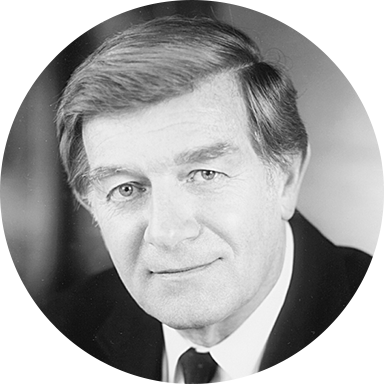
Carl Strommen

Carl Strommen's catalog spans concert band, orchestra, jazz ensemble, and vocal music, establishing him as one of the most widely performed composer/arrangers today. His work appears regularly on concert programs, in broadcast media, and in film soundtracks, and he maintains an active schedule as both a clinician and commissioned composer.

A graduate of City College of New York, Strommen has held an adjunct faculty position in orchestration and composition at C.W. Post Campus of Long Island University. He has received the ASCAP Standard Writers Award annually throughout his career, recognizing the breadth and quality of his output.

Why we love this

Strommen resists the template march formula here, building momentum through genuinely interesting contrasts between flowing lyrical passages and driving rhythmic sections. The work functions beautifully as an opener because its approachable Grade 2 level doesn't sacrifice sophistication in concept, and its flexibility lets you reprogram it strategically to reset energy mid-concert without requiring substantial rehearsal time.

What to expect

The piece captures a sense of forward momentum punctuated by moments of lyrical reflection. The flowing passages invite listeners to settle in, while the pulsating rhythmic thrusts inject energy and drive, creating a journey that feels inevitable rather than mechanical.

Who it's for

This score is designed for conductors of developing concert bands, particularly those seeking a concert opener or programming tool that teaches style contrast without overwhelming rehearsal capacity. The Grade 2 level makes it accessible to school bands while offering enough musical substance to engage both students and audiences.

How to get the most out of it

  • Shape the lyrical sections with a singing quality in the melody voices; let the pulsating thrusts that follow land with clear articulation and forward momentum to maximize the stylistic contrast.
  • Give attention to balance between the flowing passages and the rhythmic material so neither overwhelms the other. These two concepts depend on each other for impact.
  • Allow the work to breathe at phrase endings in the lyrical material; don't rush the transition into the next pulsating section.

How to use it

Open your concert with this march to establish energy and capture attention immediately. It also works exceptionally well mid-program to shift mood after performing a heavier work or lengthy arrangement, giving the ensemble a chance to reset while maintaining audience engagement.

Skills your students will build

  • Contrasting articulation styles (legato vs. staccato/marcato)
  • Phrase shaping and breathing in flowing melodic material
  • Rhythmic precision in syncopated and driving passages
  • Balance between independent melodic lines and rhythmic accompaniment

You May Also Like