
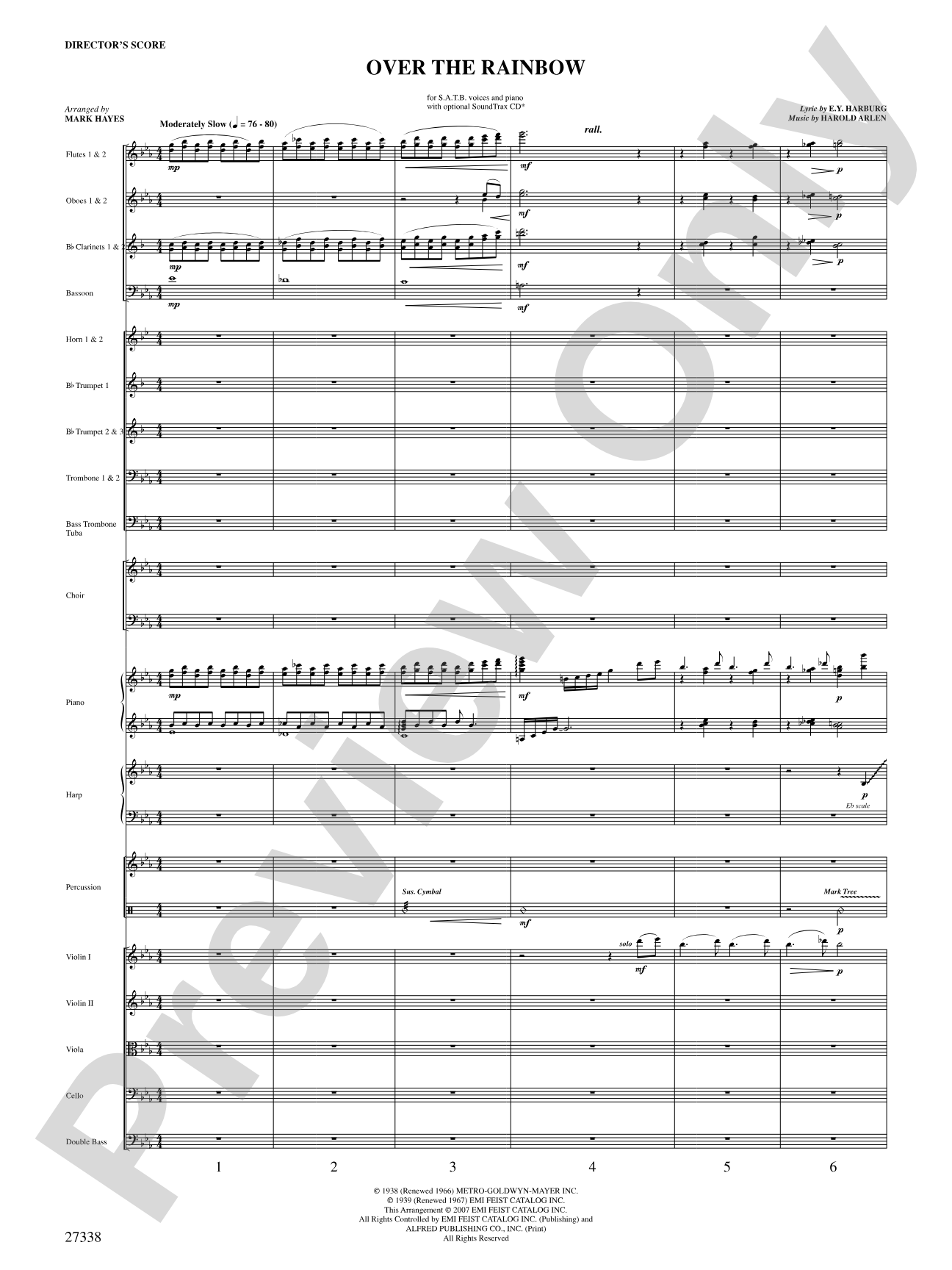
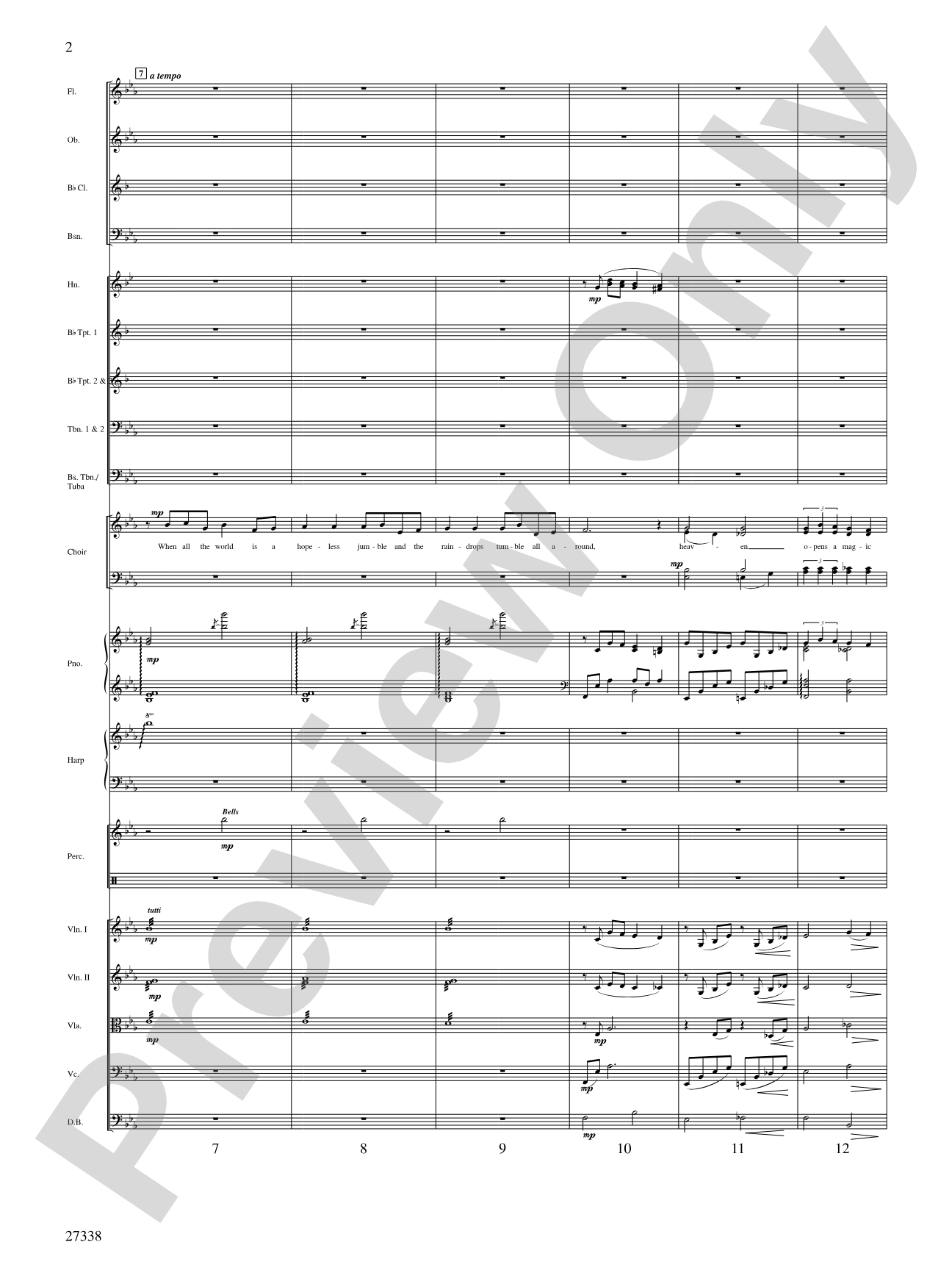
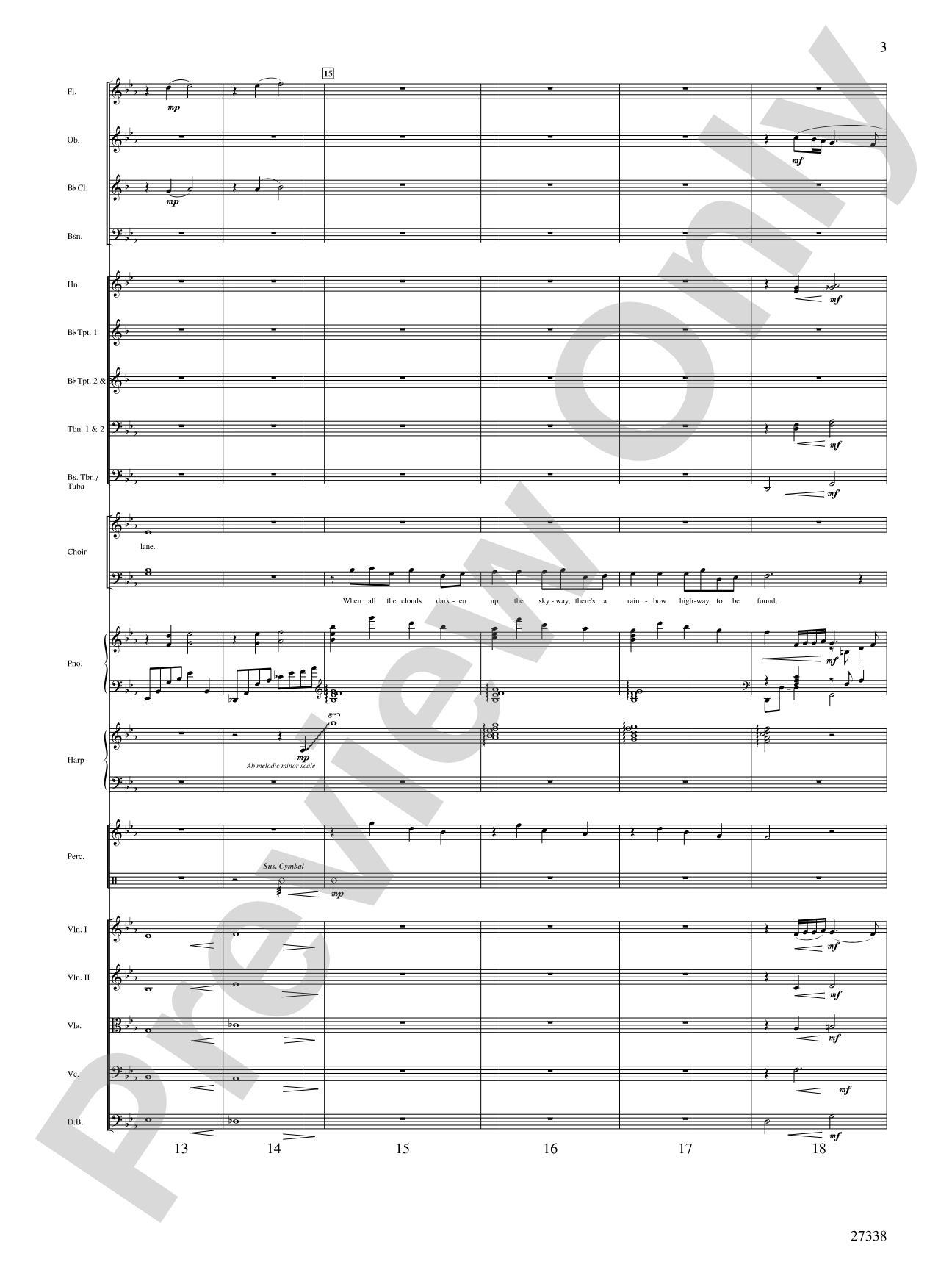
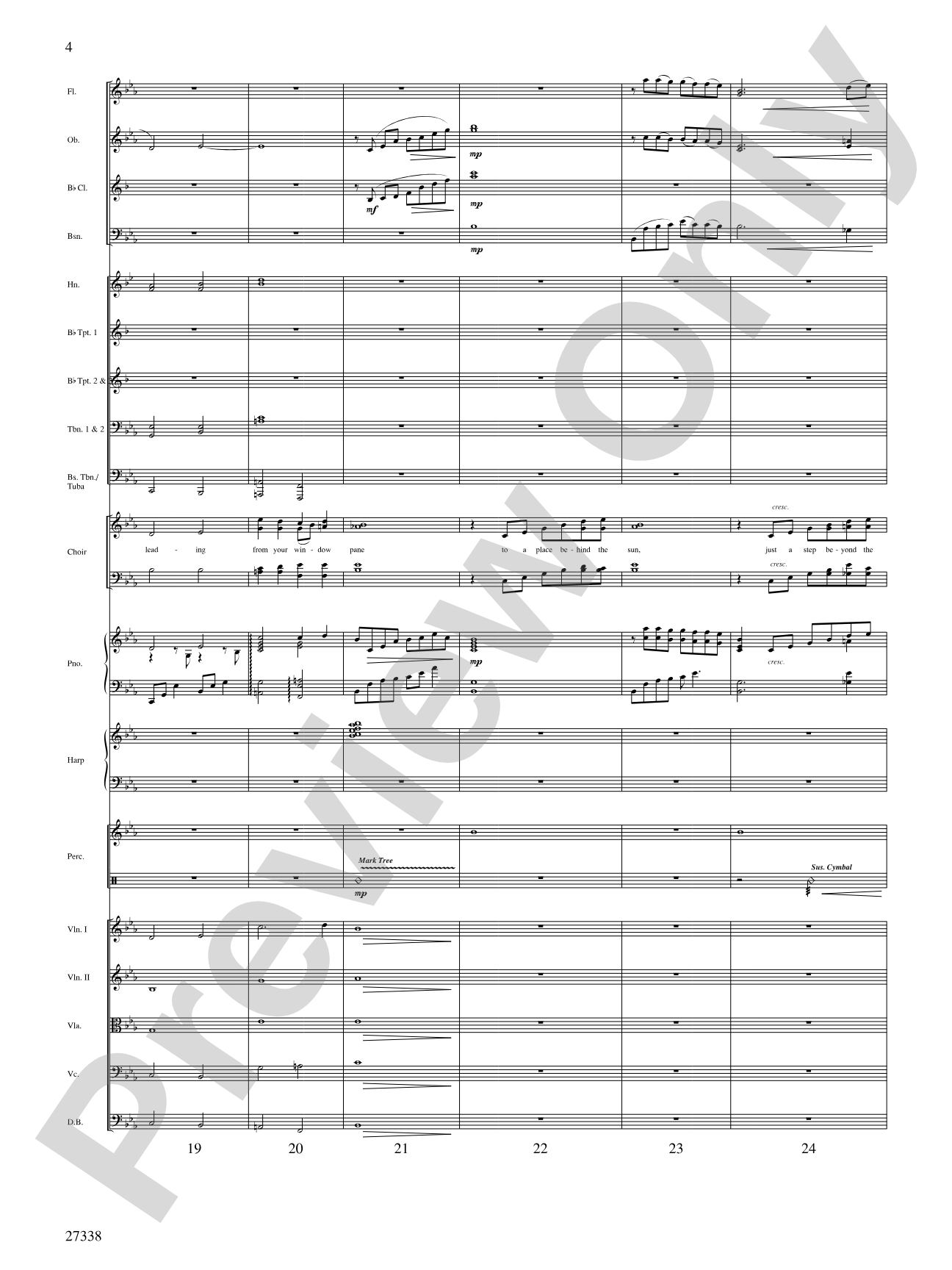
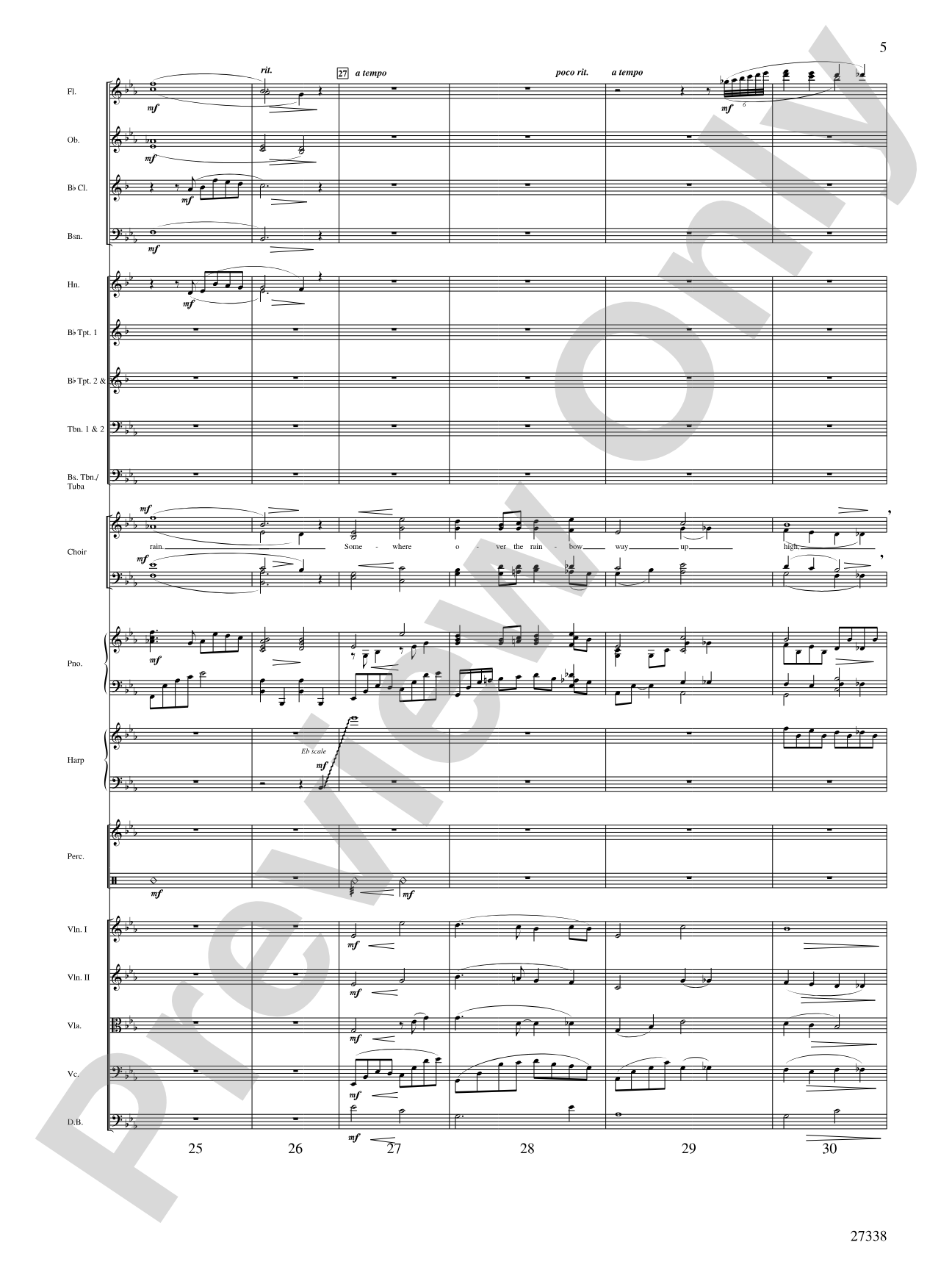
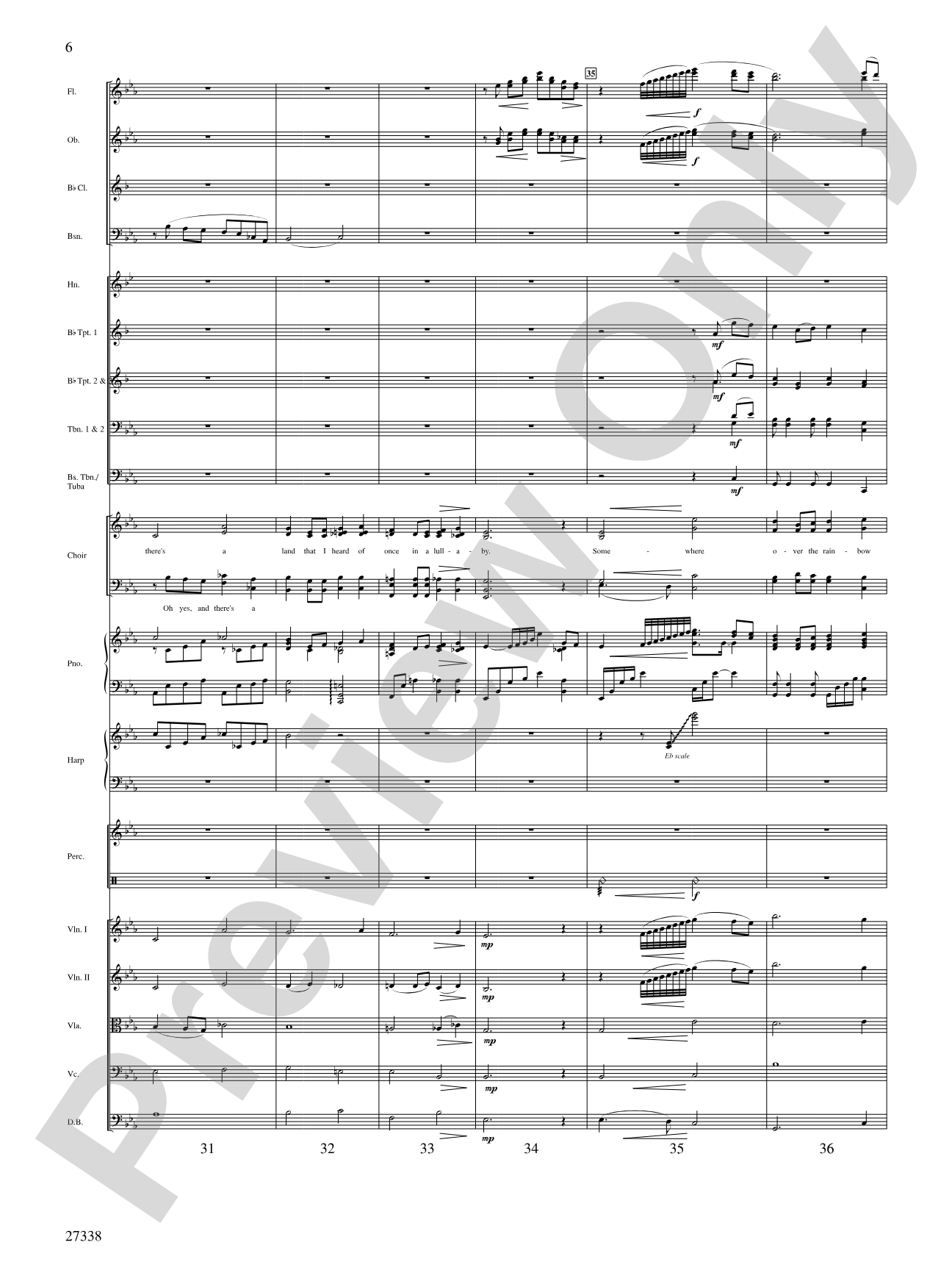
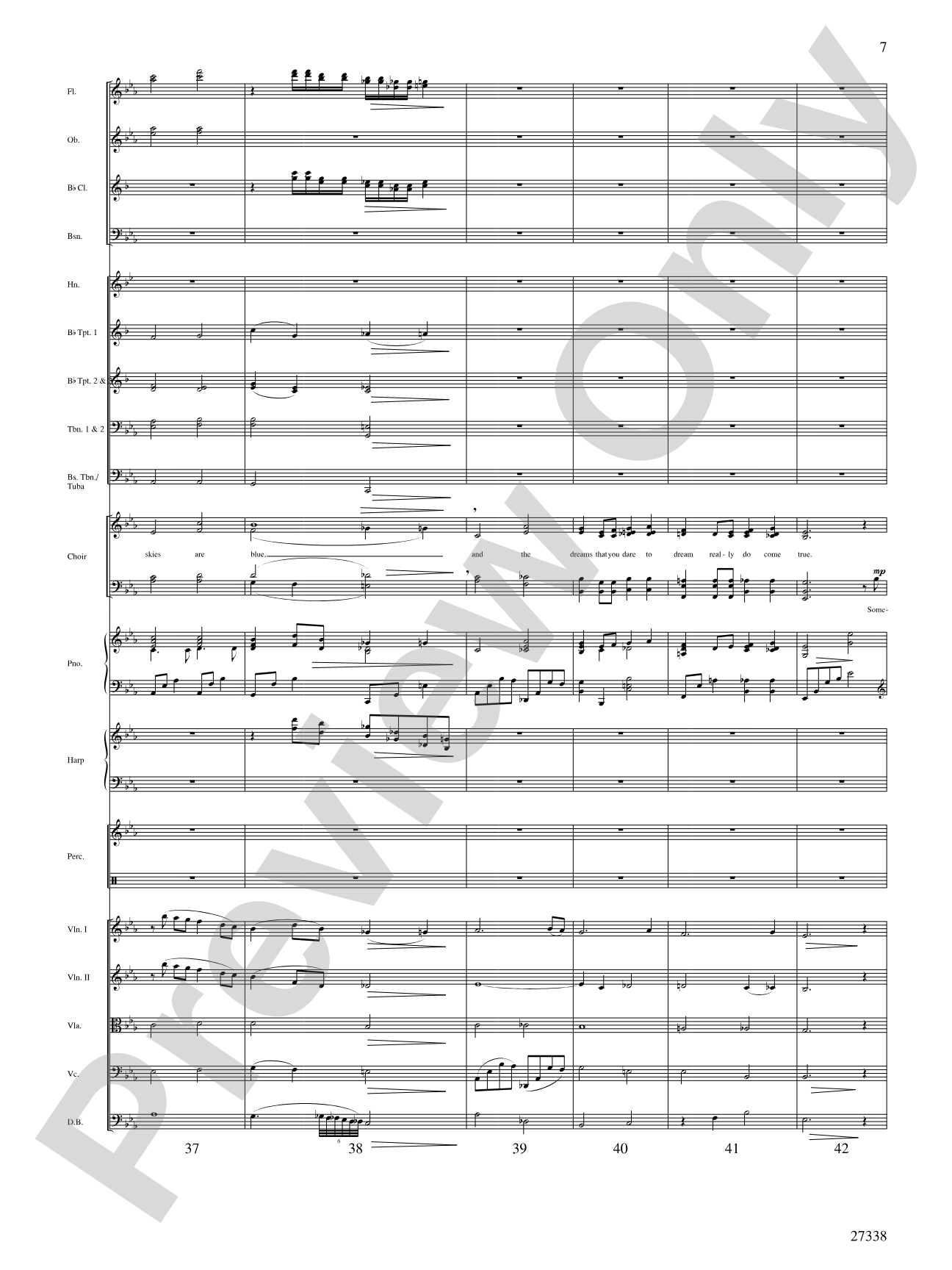
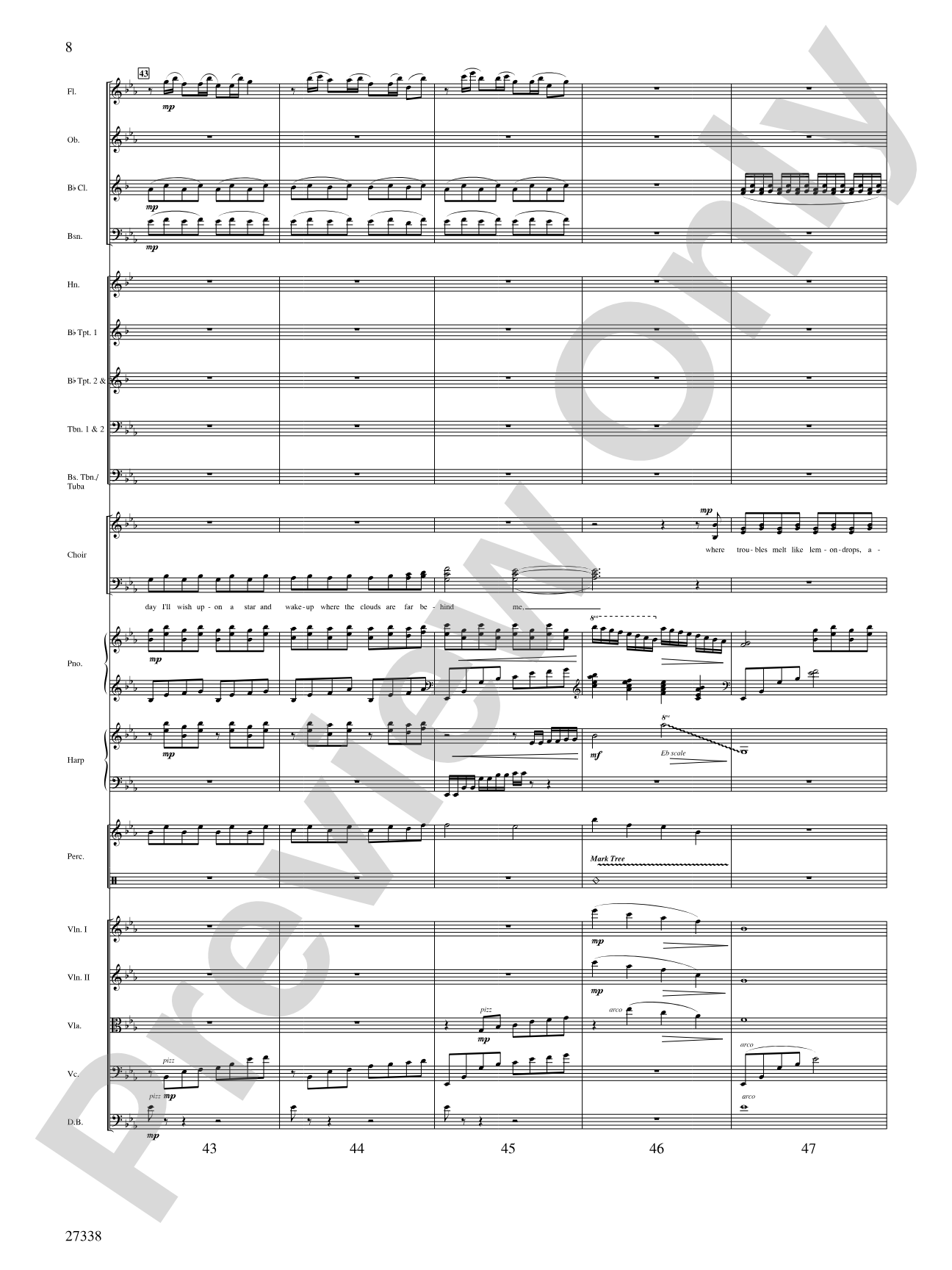
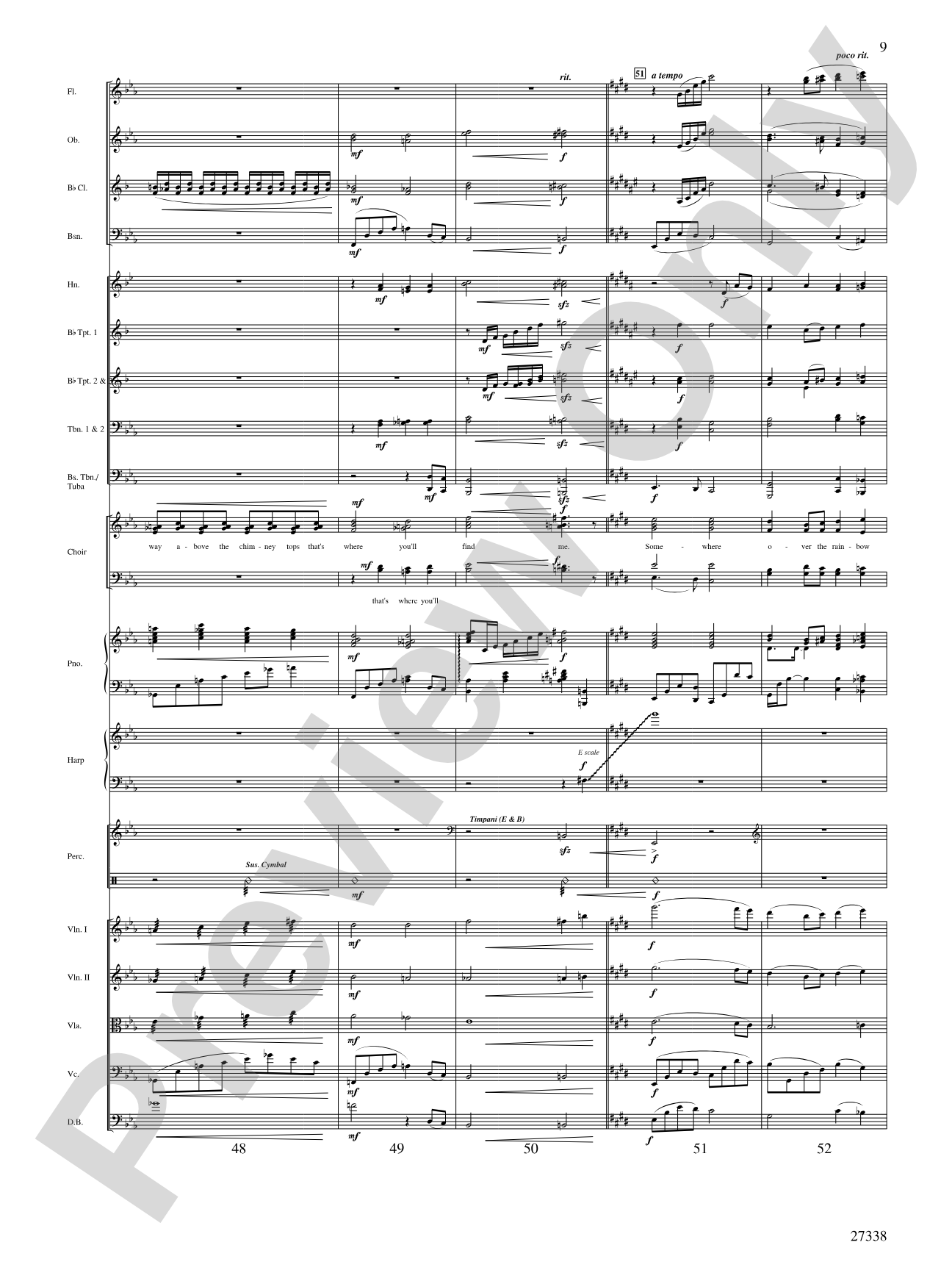
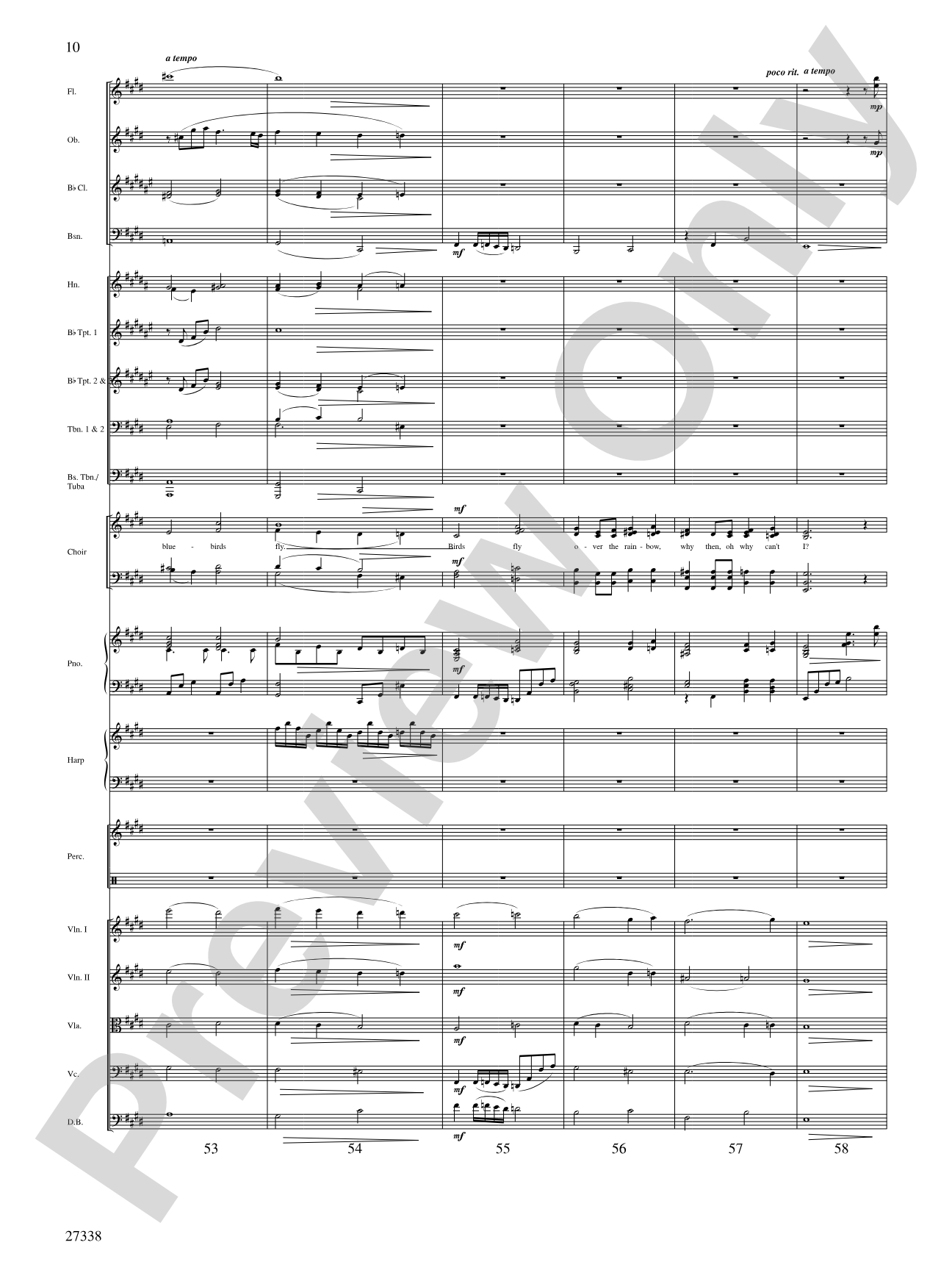
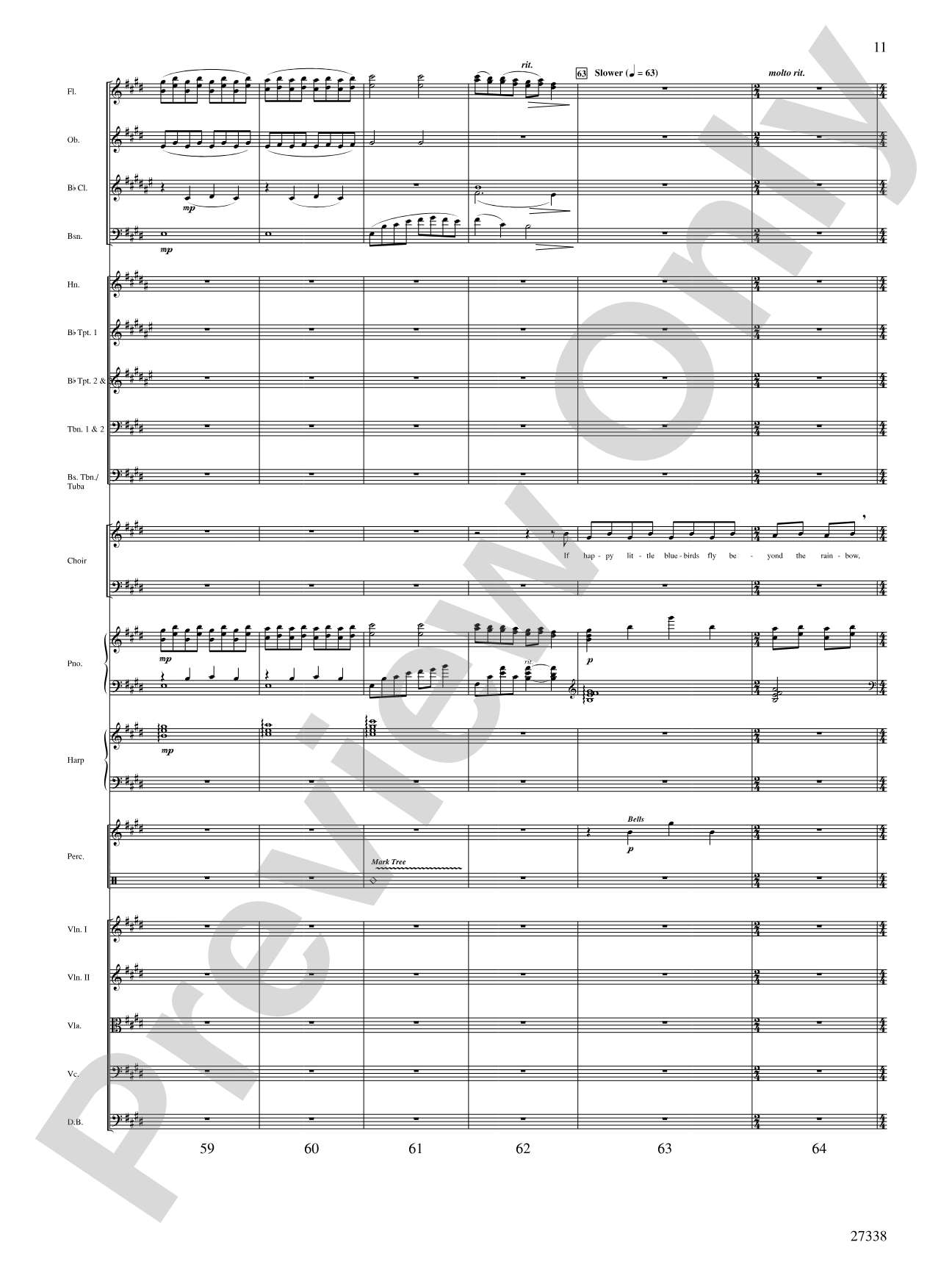
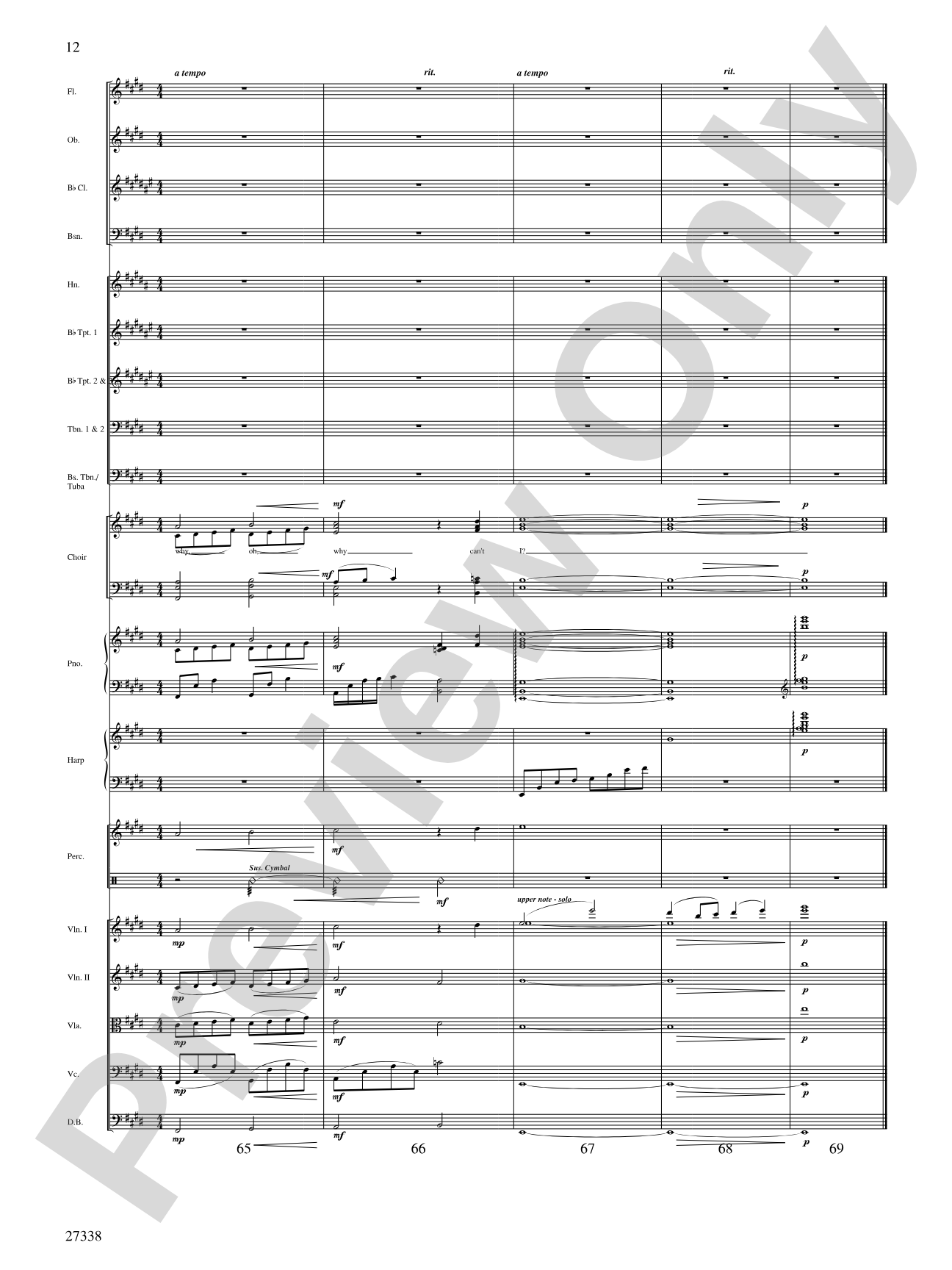

Over the Rainbow (from the musical The Wizard of Oz): Choral SoundPax
From the Musical The Wizard of Oz
Music by Harold Arlen, lyric by E. Y. Harburg / arr. Mark Hayes
Item: 00-PK-0001314

$60.00
One moment…
Related Items
Over the Rainbow: SoundTrax Digital Audio Download |
$27.99
|
View | |
Over the Rainbow (from the musical The Wizard of Oz): SATB Choral Octavo |
$2.10
|
View | |
Over the Rainbow (from the musical The Wizard of Oz): SAB Choral Octavo |
$2.10
|
View | |
Over the Rainbow (from the musical The Wizard of Oz): SSAA Choral Octavo |
$2.10
|
View | |
Over the Rainbow: TTBB Choral Octavo |
$2.25
|
View | |
Over the Rainbow: SATB Choral Octavo |
$2.65
|
View | |
Over the Rainbow: SAB Choral Octavo |
$2.10
|
View | |
Over the Rainbow: SSAA Choral Octavo |
$2.65
|
View | |
Over the Rainbow: TTBB Choral Octavo |
$2.25
|
View | |
Over the Rainbow: Choral Octavo SoundTrax CD |
$27.99
|
View | |
Over the Rainbow: Choral SoundPax |
$60.00
|
View |
Description
It's one of the most famous and most widely sung songs in the world, and now it's been arranged for choral groups by Mark Hayes. Includes the opening verse ("When all the world is a hopeless jumble...heaven opens a magic lane."), which sets the stage for that famous opening octave in the melody. The piano part couldn't be better, and the voice writing is impeccable. Fully orchestrated SoundTrax/SoundPax are available.


Don't just read it, hear it, play along with it, and watch your students grow with it. In MakeMusic Cloud, Over the Rainbow (from the musical The Wizard of Oz): Choral SoundPax comes alive with professional accompaniment, adjustable tempo, and built-in practice tools that turn solo practice into real progress.
Open in the Player
Jump straight in and assign it today.
Start Your Free Trial
Open this title and explore the full library in minutes.
Sample Audio
1
Audio File
--:--
0:00
0:00
Sample Video
No sample videos found.
Additional Details
Series:
Alfred Pop Choral Series
Publisher:
Alfred Music
Page Count:
29
SKU:
00-PK-0001314
Instrumentation:
SoundPax
More about this title
About the Composer: Harold Arlen
Harold Arlen (1905–1986) composed the music for some of Broadway's most enduring scores, including The Wizard of Oz, Stormy Weather, and St. Louis Woman. His melodic gift was nearly inexhaustible; he could write a sweeping ballad as naturally as a rhythmically inventive dance number, often composing melodies that sat perfectly for singers across multiple vocal ranges. Arlen's work became the foundation of the American popular songbook, and his influence on both theatrical and jazz music remains profound.
As a composer for film and stage, Arlen understood how to craft music that served storytelling while remaining musically sophisticated. "Over the Rainbow," written with lyricist E.Y. Harburg for The Wizard of Oz, became his signature achievement: a song that combines accessibility with genuine harmonic depth, making it as rewarding for trained musicians to study as it is for audiences to experience.
Why we love this
Mark Hayes's arrangement honors the song's intimacy while giving choral singers the full emotional arc that makes this number so powerful in performance. The inclusion of the opening verse sets context and drama before that iconic octave leap, so your choir gets to build the dramatic journey rather than jumping into the most famous moment cold. This is a piece where excellent piano writing and thoughtful voice leading reward singers for their attention to blend and phrasing.
What to expect
There's a quiet yearning in this piece that builds into something transcendent. The song moves from vulnerability and searching (in the verse) to that soaring, open-throated moment of hope in the refrain, and Hayes's voice writing allows singers to feel both the intimacy of the text and the grandeur of the melody. It's the sound of optimism earned, not given.
Who it's for
This arrangement works for intermediate to advanced choral groups with solid ensemble blend and comfort with Broadway repertoire. The singability of the melody and the clear harmonic support in Hayes's arrangement make it accessible to student singers, while the musical sophistication rewards choirs ready to tackle artistic nuance.
How to get the most out of it
- The opening verse needs care with text clarity and gentle dynamics; it sets up the emotional payoff of the main melody, so resist any urge to rush or oversell this section.
- Shape the famous opening octave not as a technical hurdle but as a moment of hope breaking through darkness; think of it as the character's internal realization, not a vocal flourish.
- Balance ensemble unity with the reflective quality of the lyrics; this song lives in restraint, so let the piano and Hayes's harmonies do harmonic work while voices stay focused and true.
- Use the recorded accompaniment to lock ensemble phrasing and entrances during rehearsal, then work toward independence so your singers respond to each other, not just the track.
How to use it
Pair this with other classic American songbook selections for a Broadway or American standards concert, or use it as the emotional centerpiece of a program exploring songs of hope and resilience across genres. The familiarity of the melody makes it powerful in school assemblies or community concerts where you want an audience connection that's immediate and genuine.
Skills your students will build
- Singing sustained, lyrical phrases with consistent breath support
- Ensemble blend in sustained harmony and octave doublings
- Text expression and interpretive singing in a familiar popular song
- Responding to piano accompaniment and following harmonic motion