Non Nobis, Domine Cover Image

Non Nobis, Domine: 3-Part Mixed Choral Octavo

$1.85 USD
Sale price  $1.85 USD Regular price 
Skip to product information
Non Nobis, Domine Cover Image

Non Nobis, Domine: 3-Part Mixed Choral Octavo

By Sally K. Albrecht

Item: 00-37951

makemusic Cloud badge

Need it now?

Buy Digital Version
$1.85
Shipped

One moment…

Description
This traditional Latin text is set in a light, classical style, featuring three solid, independent vocal lines. It all adds up to success for your developing choirs. Great for concert or contest. Accompaniment available on PianoTrax 4 CD (00-35870).

Don't just read it, hear it, play along with it, and watch your students grow with it. In MakeMusic Cloud, Non Nobis, Domine: 3-Part Mixed Choral Octavo comes alive with professional accompaniment, adjustable tempo, and built-in practice tools that turn solo practice into real progress.

Sample Pages

Sample Audio
0:00
0:00
Sample Video
Additional Details
Series: Alfred Choral Designs
Publisher: Alfred Music
Page Count: 12
UPC: 038081424231
SKU: 00-37951

More about this title

About the Composer: Sally K. Albrecht
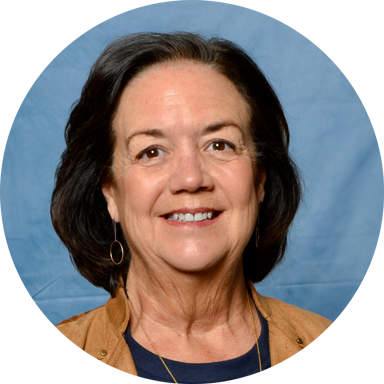
Sally K. Albrecht

Sally K. Albrecht has shaped American choral music for decades, bringing her expertise as a composer, conductor, and clinician to honor choirs and festivals across the country, including prestigious venues at Lincoln Center, Carnegie Hall, and The Kennedy Center. A recipient of the ASCAP Special Music Award annually since 1987, she has placed over 600 choral works and 75 larger stage works in print while serving as Director of School Choral, Vocal, and Elementary Publications at Alfred Music and other major publishers.

Her academic background spans music and drama, with degrees from Rollins College (B.A. in Music and Theater, 1976) and the University of Miami (M.A. in Drama, 1977; M.M. in Accompanying, 1979). She has taught at Oakland University, Jersey City State College, and Meredith College, and currently resides in North Carolina with her husband, composer and arranger Jay Althouse. In 2021, she received the Distinguished Alumna Award from both the University of Miami Frost School of Music and Rollins College, where she serves on the Board of Trustees.

Why we love this

Albrecht writes with genuine understanding of what developing choirs can accomplish. The three independent lines sit comfortably and move logically, giving each voice part something genuinely musical to sing rather than padding. The classical restraint of the arrangement lets the text breathe without overwhelming your singers.

What to expect

Classical elegance meets accessibility. The piece unfolds with quiet reverence, built on solid harmonic ground and clean voice leading that feels inevitable rather than forced. There's grace in its simplicity.

Who it's for

This octavo works for intermediate to developing choirs ready to tackle three genuinely independent parts without overwhelming complexity. It suits both concert and contest programs, offering substantial musical substance at an approachable skill level.

How to get the most out of it

  • Balance the three parts by listening for the independence of each line during rehearsal; resist the urge to blend everything into a homogeneous sound when the writing calls for clarity.
  • Take time with the Latin text before adding any accompaniment. Once your singers own the pronunciation and meaning, the musical line will follow naturally.
  • Light articulation on repeated text passages prevents the piece from feeling static; let your singers shape phrases with gentle releases rather than hard stops.

How to use it

Pair this with other sacred repertoire in a concert devoted to Latin texts, or use it as an accessible entry point into contest literature for choirs developing their sight-reading and part independence. The modest demands of the accompaniment (available separately) make it a reliable choice when your rehearsal resources are limited.

Skills your students will build

  • Singing three independent vocal lines with textural clarity
  • Accurate Latin pronunciation and diction
  • Reading and performing classical harmonic progressions
  • Phrase shaping and controlled articulation in sacred music

You May Also Like
