Non Nobis, Domine Cover Image

Non Nobis, Domine: SSA Choral Octavo

$1.80 USD
Sale price  $1.80 USD Regular price 
Skip to product information
Non Nobis, Domine Cover Image

Non Nobis, Domine: SSA Choral Octavo

By Sally K. Albrecht

Item: 00-37952

makemusic Cloud badge

Need it now?

Buy Digital Version
$1.80
Shipped

One moment…

Description
This traditional Latin text is set in a light, classical style, featuring three solid, independent vocal lines. It all adds up to success for your developing choirs. Great for concert or contest. Accompaniment available on PianoTrax 4 CD (00-35870).

Don't just read it, hear it, play along with it, and watch your students grow with it. In MakeMusic Cloud, Non Nobis, Domine: SSA Choral Octavo comes alive with professional accompaniment, adjustable tempo, and built-in practice tools that turn solo practice into real progress.

Sample Pages

Sample Audio
0:00
0:00
Sample Video
Additional Details
Series: Alfred Choral Designs
Publisher: Alfred Music
Page Count: 12
UPC: 038081424248
SKU: 00-37952

More about this title

About the Composer: Sally K. Albrecht
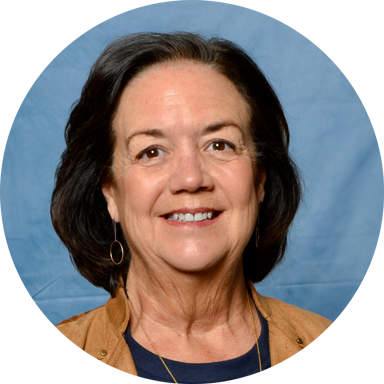
Sally K. Albrecht

Sally K. Albrecht has shaped American choral music for over three decades, first as Director of School Choral, Vocal, and Elementary Publications at major educational publishers, most recently Alfred Music, and now as a prolific composer with more than 600 published choral works in circulation. Her influence extends across the country through conducting clinics and honor choir events at prestigious venues including Lincoln Center, Carnegie Hall, and The Kennedy Center. She has earned the ASCAP Special Music Award annually since 1987, recognition of her consistent, substantial contributions to the field.

Albrecht's training spans multiple disciplines. She holds a B.A. from Rollins College (1976) in Music and Theater, an M.A. in Drama from the University of Miami (1977), and an M.M. in Accompanying from the same institution (1979). She has taught at Oakland University, Jersey City State College, and Meredith College. Her work often incorporates movement and accessibility for developing singers, qualities that have made her arrangements and compositions staples in school choral programs nationwide. She resides in Wake Forest, North Carolina, with her husband, composer and arranger Jay Althouse.

Why we love this

Albrecht's setting strikes the rare balance between musical substance and pedagogical wisdom. The three independent SSA lines give each voice genuine melodic interest without overwhelming singers still building harmonic confidence, and the classical style keeps the Latin text alive without unnecessary complexity. Directors consistently choose this piece because it works equally well in a concert program and at adjudicated festival, delivering the satisfaction that comes from teaching singers something substantial they can actually sustain.

What to expect

The piece radiates clarity and purpose. Classical in character, it unfolds with the measured grace of its Latin text, built on accessible melodies that feel both traditional and fresh. Three voices weave around each other without competing, creating the impression of contemplative simplicity that masks careful compositional craft.

Who it's for

This octavo serves developing SSA choirs ready to tackle three genuinely independent vocal lines. It works well for groups at the middle school through early high school level who have moved past unison singing but are still building confidence in harmonic singing.

How to get the most out of it

  • Attend to the independence of each line during early rehearsals. Mark breath points that honor both the text and the vocal writing so singers don't accidentally unify to the same phrase contour.
  • Balance the three parts by ear in the context of the full chord rather than relying on dynamic markings alone; SSA scoring naturally favors the soprano, so the alto and second soprano lines may need encouragement to project their countermelody.
  • Use the PianoTrax 4 accompaniment during the rehearsal stages to establish harmonic security, then gradually reduce piano support so singers develop confidence in their independence.

How to use it

Program this as an elegant opening to a concert featuring sacred or classical selections, or pair it with other accessible Latin texts for a themed set. Its concert and contest viability makes it a dependable choice when you need a piece that serves multiple performance goals in a single academic year.

Skills your students will build

  • Singing independent vocal lines while listening to two other parts simultaneously
  • Sustaining a single melodic line that does not follow the soprano's contour
  • Performing sacred music in Latin with clarity of text and tone
  • Building harmonic confidence through three-part writing
  • Following classical phrase structure and musical architecture

You May Also Like
