More Festive Strings for String Quartet or String Orchestra Cover Image

More Festive Strings for String Quartet or String Orchestra: 3rd Violin Part

$5.95 USD
Sale price  $5.95 USD Regular price 
Skip to product information
More Festive Strings for String Quartet or String Orchestra Cover Image

More Festive Strings for String Quartet or String Orchestra: 3rd Violin Part

Arr. and ed. Joanne Martin

Item: 00-0994

$5.95
Shipped

One moment…

Description
More Festive Strings is a collection of well-known Christmas and Chanukah melodies arranged to meet the needs of individuals, groups and orchestras. In order to provide flexibility, the collection is available in a number of instrumentations, all of which are compatible with each other. Accessible keys have been used and shifting is kept to a minimum. Titles: O Chanukah * Angels We Have Heard on High * We Three Kings * Silent Night in D Major * We Wish You a Merry Christmas * O Come All Ye Faithful * Dreydl * Silent Night in G Major * Good King Wenceslas * What Child Is This (Greensleeves).

More Festive Strings for String Quartet or String Orchestra: 3rd Violin Part isn't in MakeMusic Cloud just yet...but it could be. Let us know you'd like to see it, and you'll help shape what comes next. In the meantime, start a free trial and dive into thousands of interactive titles your students can play along with today.

Sample Pages

Sample Audio
No sample audio found.
Sample Video
Additional Details
Publisher: Alfred Music
Page Count: 16
ISBN10: 0-87487-994-9
ISBN13: 978-0-87487-994-0
UPC: 029156953770
SKU: 00-0994
Instrumentation: 3rd Violin Part

More about this title

About the Arranger: Joanne Martin
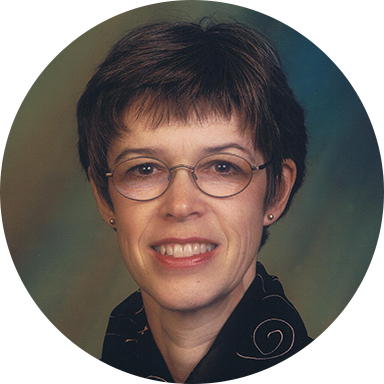
Joanne Martin

Joanne Martin brings decades of experience across performance, teaching, and composition to her arrangement work. A violist and multi-instrumentalist based between Canada and France, she has performed with the Winnipeg Symphony Orchestra, Manitoba Chamber Orchestra, and numerous chamber ensembles while simultaneously building a reputation as a Suzuki teacher trainer recognized by both the Suzuki Association of the Americas and the European Suzuki Association. Her work on the Board of Directors for the Suzuki Association of the Americas and her 2007 Suzuki Chair Award reflect her sustained commitment to music education.

Martin's catalog of ensemble arrangements is built on a practical understanding of what mixed-level groups actually need. Her I Can Read Music series has become the standard beginning note-reading method for Suzuki students worldwide, while her Festive Strings, Folk String series, and other flexible-scoring collections allow teachers to combine players of varying abilities in genuine ensemble experiences. She regularly guests clinics and conducts workshops across North America, Australia, and Europe.

Why we love this

This third violin part gives you a genuine accompanying voice rather than a simplistic filler line. The arrangement respects the viola tradition Martin knows so well, building harmonies that sit naturally under the melody while keeping the part accessible enough that younger or developing players won't feel sidelined.

What to expect

Warm and grounded. These familiar holidays melodies gain substance from harmonic support that never overwhelms the top line. The arrangements feel like genuine ensemble music rather than accompanied solos.

Who it's for

String orchestras and quartets where all four string parts need to maintain consistent difficulty and accessibility. This part is ideal for third violins in programs mixing students of different levels, as the writing supports rather than obscures the ensemble sound.

How to get the most out of it

  • Balance the harmonic foundation with precision during the slow carols like Silent Night. Third violin often carries inner voices that anchor the harmony, so lock the vertical alignment with the second violin part before worrying about blend.
  • In pieces with driving rhythms (Good King Wenceslas, We Three Kings), keep your part crisp and rhythmically consistent even when the melody takes liberties with timing. You're the structural backbone here.
  • Pay attention to the keys Martin selected. Having both Silent Night versions (D and G major) lets you choose the tessitura that sits best for your ensemble without sacrificing accessibility elsewhere in the collection.

How to use it

Build a winter concert around this complete collection; its 10 titles give you enough material for a thematic set without requiring separate rehearsal books for different students. The compatible instrumentation means you can add or subtract players between pieces, making it practical for school and community settings where attendance fluctuates.

Skills your students will build

  • Reading and sustaining inner harmonic voices
  • Balancing with melody while maintaining independence
  • Navigation of accessible keys without excessive position shifts
  • Understanding harmonic function in traditional tonal music
  • Coordinating rhythmic precision across multiple parts

You May Also Like